Do You Need an Oil Filter Wrench to Change an Oil Filter
Not everyone needs an oil filter wrench to change their oil filter, but it sure helps in tight spots. Whether you drive a sedan, SUV, or truck, the right oil filter wrench can make removal fast and painless. Some modern cars have easy-access filters, while others hide them deep in the engine bay. Knowing when and how to use a wrench saves time, prevents damage, and keeps your engine running smoothly.
Changing your own oil is one of the simplest ways to keep your car running well. It saves money, builds confidence, and keeps you in tune with your vehicle. But when it comes to removing the old filter, many people wonder whether they need a special tool. The short answer is: it depends. Some filters twist off by hand, while others require an oil filter wrench to break them free. In this guide, we will walk you through everything you need to know. You will learn about different filter types, when a wrench helps, and how to handle the job like a pro.
Let us start with the basics. Every car has an oil filter that catches dirt, metal particles, and other contaminants. Over time, the filter fills up and needs to be replaced during a regular oil change. The filter sits either on top of the engine or underneath, depending on your vehicle model. Some are easy to reach, while others hide behind engine covers or deep inside the engine bay. This is where the question of needing a wrench really comes into play.
Whether you are a seasoned DIYer or a beginner tackling your first oil filter replacement, understanding your tools makes all the difference. A proper filter wrench gives you grip and leverage without risking damage to the filter housing. But using one is not always necessary. Let us explore when you need one and when you can skip it entirely.
Key Takeaways
- You may not need a wrench: Many spin-on oil filters can be removed by hand, especially if they are not over-tightened.
- Different filter types need different tools: Spin-on filters and cartridge filters each have their own removal methods.
- An oil filter wrench prevents damage: Using the wrong tool or too much force can crack the filter housing or strip the cap.
- Several wrench types exist: Strap wrenches, socket wrenches, and cap removal tools each serve a unique purpose.
- DIY oil changes save money: With the right knowledge and basic tools, you can handle your own oil filter replacement at home.
- Over-tightening is a common mistake: Always follow the torque spec to avoid needing a wrench in a panic later.
- Check your owner’s manual first: It tells you the filter type, location, and proper removal procedure for your specific vehicle.
📑 Table of Contents
What Is an Oil Filter Wrench and Why Does It Matter
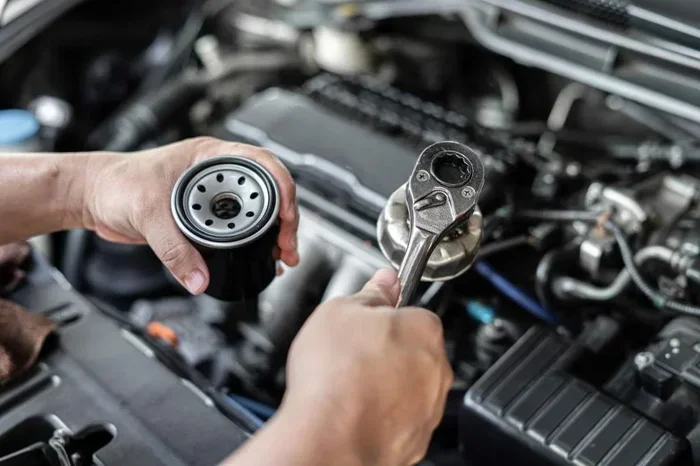
An oil filter wrench is a hand tool designed to grip and turn oil filters. It comes in several shapes and sizes to fit different filter designs. The main job of this tool is to provide extra leverage when a filter is stuck or too tight to remove by hand. Some wrenches work like straps that wrap around the filter. Others use a socket or chain mechanism to grab onto the filter housing cap.
You might be asking yourself, “Why can’t I just use a regular socket wrench?” The truth is, you can in some cases. But a dedicated oil filter wrench gives you a better grip and reduces the risk of slipping. When a filter has been on for thousands of miles, it can become nearly impossible to turn by hand. That is where a proper filter removal tool earns its keep.
Here are a few reasons why having the right wrench matters:
- Prevents damage: A proper wrench grips the filter without scratching or cracking the housing.
- Saves effort: It gives you mechanical advantage, making even the tightest filters removable.
- Fits different sizes: Many wrenches are adjustable and work with multiple filter diameters.
- Reduces frustration: No more wrestling with a stuck filter using pliers or a screwdriver.
- Protects the gasket: A good wrench removes the filter cleanly, keeping the old gasket intact so you can inspect it.
When Should You Use an Oil Filter Wrench
Not every oil change requires a wrench. But there are clear situations where one becomes essential. If your filter is located in a tight space, you may not have enough room to grip it with your hands. Filters that have been on for a long time or were over-tightened during the last oil filter change often need a wrench to break free. Cold weather also makes the metal contract, which can make filters even harder to turn.
Another situation is when the filter has a plastic cap or housing that requires a specific tool to remove. Many modern engines use a cartridge-style oil filter that sits inside a housing. To remove the housing cap, you typically need a cap removal tool or a deep socket wrench. In these cases, a regular strap wrench will not work, and you need the right oil filter cap wrench for the job.
Types of Oil Filters and When You Need a Wrench
Not all oil filters are the same. Understanding the type your car uses helps you decide whether you need a filter wrench at all. Let us break down the two main types.
Spin-On Oil Filters
Spin-on filters are the most common type found on passenger vehicles. They are cylindrical, screw directly onto the engine block, and are easy to replace. Most spin-on filters can be removed by hand if they were not over-tightened. However, if the previous owner or mechanic cranked it on too tight, you will definitely need a wrench for oil filter removal.
These filters typically have a rubber gasket that seals the connection. When you remove the filter, the old gasket usually stays stuck to the engine. You should always check that the old gasket came off and did not get left behind. A leftover gasket can cause oil leaks, which leads to bigger problems down the road.
Cartridge Oil Filters
Cartridge filters work differently. Instead of screwing on, they drop into a housing that sits inside the engine. The housing has a cap that holds the filter in place. To replace a cartridge filter, you must first remove the housing cap. This cap often requires a specialized oil filter wrench or a deep socket that matches the cap size.
Many European cars, including BMW, Mercedes, and Audi, use cartridge filter systems. If you drive one of these vehicles, you will likely need a wrench for every oil change. The cap sizes vary by model, so always check your owner’s manual or look up the correct socket size before you start.
How to Change an Oil Filter Without a Wrench
Good news: you can often change a spin-on oil filter without any special tools. Here is how to do it safely and effectively.
- Warm up the engine: Run the car for a few minutes. Warm oil flows better and helps loosen the filter.
- Position yourself: Get under the car or reach the filter from above. Make sure the car is on a level surface and the engine is cool enough to touch.
- Place an oil pan underneath: The filter will still have oil in it. A pan catches the drips and prevents a mess.
- Grip the filter by hand: Turn it counterclockwise. Most filters loosen with a quarter to half turn after the gasket breaks free.
- Clean the mounting surface: Wipe away any old gasket material or oil residue with a clean rag.
- Apply oil to the new gasket: Put a thin coat of fresh engine oil on the rubber gasket of the new filter. This helps create a proper seal.
- Hand-tighten the new filter: Screw it on until the gasket contacts the surface, then tighten it about three-quarters of a turn. Do not over-tighten.
If the filter will not budge by hand, do not force it with pliers or a screwdriver. That is a recipe for a cracked housing or a stripped filter. Instead, it is time to reach for a proper oil filter wrench.
Quick Tips for Hand Removal
- Use a filter removal pad: These rubber pads give you extra grip without slipping.
- Try a rubber belt: A wide rubber belt looped around the filter can provide enough grip to twist it loose.
- Never use channel locks: They can damage the filter and make it harder to remove cleanly.
- Check for a filter cup: Some engines have a removable cup that holds the filter. If yours does, the cup is easier to access and remove.
Different Types of Oil Filter Wrenches
Not all wrenches are the same. Each type works best for a specific situation and filter design. Here is a closer look at the most common options.
Strap Wrench
A strap wrench uses a flexible band that wraps around the filter. It provides a strong grip without slipping, even on oily or curved surfaces. Strap wrenches are great for spin-on filters that are hard to reach. They come in different sizes, and many are adjustable to fit a range of filter diameters.
The main advantage of a strap wrench is that it does not scratch the filter housing. It is also lightweight and easy to store in a toolbox. If you do a lot of DIY oil changes at home, a strap wrench is a worthwhile investment.
Socket Wrench with Filter Cap
For cartridge filter systems, a socket wrench with the correct cap size is the go-to tool. These sockets have a square or hex drive that fits into a standard ratchet. They work by gripping the inside or outside of the filter housing cap and turning it counterclockwise.
Make sure you get the right size socket for your vehicle. Common sizes include 32mm, 36mm, and 45mm, but your vehicle may use a different size. Using the wrong socket can damage the cap and make removal much harder.
Chain Wrench
A chain oil filter wrench uses a metal chain that wraps around the filter. It provides excellent grip and works well on filters that are difficult to reach. Chain wrenches are especially useful for filters with unusual shapes or those located in tight engine compartments.
Cap Removal Tools
Some vehicles require a dedicated cap removal tool that pulls the housing cap straight off. These tools are specific to certain engine models and are often sold as part of a filter change kit. They are not adjustable, so you need to buy the correct one for your vehicle.
Comparison Table
| Wrench Type | Best For | Adjustable? | Price Range |
|---|---|---|---|
| Strap Wrench | Spin-on filters, tight spaces | Yes | $10 – $25 |
| Socket Wrench | Cartridge filter caps | No (size-specific) | $5 – $20 |
| Chain Wrench | Stuck or oversized filters | Yes | $15 – $35 |
| Cap Removal Tool | Specific cartridge filter housings | No (vehicle-specific) | $10 – $40 |
Common Mistakes When Removing an Oil Filter
Even experienced car owners make mistakes when changing their oil filter. Here are the most common ones and how to avoid them.
Over-Tightening the New Filter
This is the number one mistake people make. Over-tightening can make the filter nearly impossible to remove next time. It can also crack the filter housing or warp the gasket, leading to oil leaks. The general rule is to hand-tighten the filter until the gasket seats, then give it about three-quarters of a turn. Some manufacturers recommend even less. Always check your owner’s manual for the correct torque specification.
Forgetting to Oil the New Gasket
When you install a new spin-on filter, the rubber gasket needs a thin coat of fresh oil. Without it, the gasket can stick, shrink, or develop an uneven seal. This leads to slow oil leaks that are hard to detect until the oil level drops dangerously low.
Using the Wrong Tool
A mismatched socket or an ill-fitting strap wrench can slip and damage the filter or housing. Always verify the size and type before you start. Using pliers or a screwdriver is never a good idea. These tools can crack the filter housing and cause expensive repairs.
Not Draining the Filter Before Removal
Oil filters hold a significant amount of oil. If you remove the filter without a pan underneath, you will make a mess. Worse, hot oil can burn your skin. Always place a drain pan directly beneath the filter before you loosen it.
Expert Tips for a Smooth Oil Filter Change
Here are some professional tips that make the oil filter replacement process smoother and faster.
- Buy a filter wrench kit: A good kit includes multiple sizes and works with most vehicles on the road today.
- Keep a rag handy: Wipe the filter housing clean before installing the new filter. Debris and old gasket material can contaminate the fresh oil.
- Check the old filter for metal particles: Shiny metal flakes inside the old filter can signal engine wear. This is worth mentioning to your mechanic.
- Replace the filter with every oil change: Do not reuse an old filter. Fresh oil needs a clean filter to do its job properly.
- Use a torque wrench for the housing cap: If your vehicle uses a cartridge filter, a torque wrench ensures you do not over-tighten the cap.
- Record the date and mileage: Write down when you changed the oil and filter. This helps you track maintenance intervals and keeps you on schedule.
One more thing to keep in mind: always dispose of your old oil and filter properly. Most auto parts stores accept used oil for recycling. Never pour it down the drain or throw it in the trash. Proper disposal protects the environment and keeps you on the right side of local regulations.
When to Call a Professional
Sometimes, an oil filter is just too stuck or too difficult to reach. If you have tried a wrench and the filter still will not budge, it is okay to call a professional. A mechanic has specialized tools and experience to handle stubborn filters without damaging the engine. There is no shame in asking for help, especially if you are new to DIY car maintenance.
Conclusion
So, do you need an oil filter wrench to change an oil filter? The answer is: it depends on your vehicle and filter type. Many spin-on filters can be removed by hand, while cartridge filters and stuck spin-on filters often require a proper wrench. The key is knowing your car, understanding your filter type, and having the right tools on hand before you start.
A good oil filter wrench is a small investment that pays off every time you change your oil. It prevents damage, saves effort, and makes the job faster and cleaner. Whether you are a weekend DIYer or someone who just wants to be prepared for emergencies, keeping a wrench in your toolbox is a smart move.
Now that you know the ins and outs of oil filter removal, you can tackle your next oil change with confidence. Grab your tools, lay out your supplies, and get the job done right. Your engine will thank you for it.
Frequently Asked Questions
Can I change my oil filter without any tools at all?
Yes, in many cases you can. Spin-on oil filters often loosen by hand, especially if they were not over-tightened. However, if the filter is stuck or located in a tight spot, you will likely need an oil filter wrench to get it off safely.
What size wrench do I need for an oil filter?
The size depends on your vehicle. Most spin-on filters use a strap wrench that adjusts to fit. Cartridge filter housings require specific socket sizes, commonly 32mm, 36mm, or 45mm. Always check your owner’s manual or look up your vehicle’s filter cap size before purchasing a wrench.
Can I reuse the old gasket from my previous oil filter?
No, you should never reuse an old gasket. Always use the new gasket that comes with the replacement filter. The old gasket may be stuck to the engine block, and if a piece breaks off, it can cause an oil leak. Make sure the old gasket came off completely before installing the new filter.
How tight should I tighten my new oil filter?
Hand-tighten the filter until the gasket makes contact with the engine surface, then tighten it about three-quarters of a turn. Some manufacturers recommend less. Over-tightening is the most common mistake and can make future removal very difficult or damage the filter housing.
Is a strap wrench better than a socket wrench for oil filters?
It depends on the filter type. A strap wrench works best for spin-on filters because it wraps around the outside of the filter. A socket wrench is better for cartridge filter housing caps that need to be turned from the top or side. Many DIYers keep both types in their toolbox.
How often should I replace my oil filter?
You should replace your oil filter every time you change your engine oil. Most manufacturers recommend an oil change every 5,000 to 7,500 miles for conventional oil, or every 10,000 to 15,000 miles for synthetic oil. Always refer to your vehicle’s owner manual for the recommended interval.