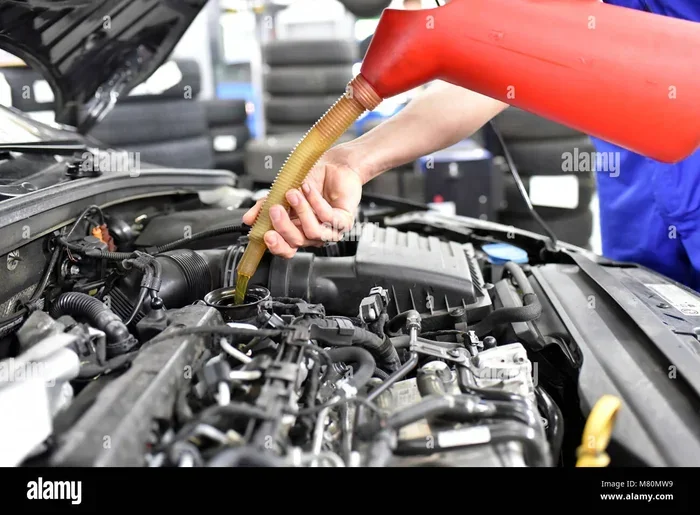
Can I Go 2 Years Between Oil Changes Without Damage
Many drivers wonder if they can go 2 years between oil changes without harming their engine. The answer depends on your oil type, driving habits, and vehicle model. Modern synthetic oils can last longer, but waiting too long still carries real risks. Skipping oil changes can lead to sludge buildup, engine wear, and expensive repairs. This guide breaks down everything you need to know to make the right choice for your car.
Many car owners ask themselves one big question: can I go 2 years between oil changes without causing damage? It is a fair question, especially with modern vehicles and expensive synthetic oils on the market. The short answer is: it depends. Several factors come into play, and ignoring them can lead to serious engine problems.
Oil is the lifeblood of your vehicle’s engine. It lubricates moving parts, reduces friction, and keeps everything running smoothly. But oil does not last forever. Over time, it breaks down, loses its viscosity, and picks up contaminants. Understanding how long your oil truly lasts can save you from expensive repairs down the road.
Key Takeaways
- Oil degrades over time: Even if you drive low miles, oil breaks down and loses its protective properties after extended periods.
- Synthetic oil lasts longer: Full synthetic oils can sometimes stretch to 2 years, but conventional oil typically needs changing sooner.
- Driving conditions matter: Stop-and-go traffic, extreme heat, and short trips accelerate oil breakdown faster than highway driving.
- Engine sludge is a real threat: Going too long without an oil change can cause harmful sludge that clogs vital engine passages.
- Watch for warning signs: Dark color, gritty texture, burning smells, and dashboard alerts all signal it is time for a change.
- Check your owner’s manual: Your vehicle manufacturer provides the best guidance on oil change intervals for your specific model.
- Prevention saves money: Staying on top of oil changes prevents costly engine repairs that can cost thousands of dollars.
📑 Table of Contents
- What Happens When You Skip Oil Changes for Too Long
- Can You Actually Go 2 Years Without an Oil Change?
- Factors That Determine Your Oil Change Interval
- Signs Your Oil Has Gone Bad
- The Risks of Waiting Too Long for an Oil Change
- How to Know When It Is Really Time for an Oil Change
- Common Mistakes People Make With Oil Changes
- Expert Insights on Oil Change Intervals
- Final Thoughts on Going 2 Years Between Oil Changes
What Happens When You Skip Oil Changes for Too Long
When you push past the recommended oil change interval, your engine starts to suffer. The oil begins to lose its ability to protect critical components. Heat and friction take a toll, and the oil becomes less effective with every mile you drive.
Oil Degradation Over Time
Oil degrades through a process called oxidation. When oil is exposed to heat and air, its chemical structure starts to break down. This means it becomes thinner or thicker than it should be. Either way, it loses its ability to properly lubricate your engine parts.
Even if your car sits in the garage and barely gets driven, the oil still degrades over time. Moisture can build up inside the engine, mixing with the oil and creating sludge. This is why time matters just as much as mileage when it comes to oil changes.
Most mechanics agree that oil starts to lose its effectiveness after about 6 months to a year. Going beyond that window puts your engine at risk. The longer you wait, the worse the damage can become.
The Build-Up of Engine Sludge
Engine sludge is one of the biggest dangers of waiting too long between oil changes. Sludge is a thick, dark substance that forms when old oil breaks down and mixes with dirt, metal particles, and moisture. It clogs oil passages and prevents proper lubrication.
When sludge builds up, it restricts oil flow to critical engine parts. This can cause overheating, increased friction, and eventually, engine failure. Cleaning sludge out of an engine is expensive and sometimes impossible without major repairs.
Sludge forms faster in vehicles that are driven in stop-and-go traffic or short trips. The engine never gets hot enough to burn off moisture and contaminants. So if you drive less than 5,000 miles a year, you are still at risk for sludge buildup.
Can You Actually Go 2 Years Without an Oil Change?
The idea of going 2 years between oil changes sounds tempting. Who wants to spend time and money on something that might not be necessary? The truth is that some vehicles can stretch this far, but many cannot. Let us look at what determines whether your car can handle a 2-year gap.
Manufacturer Recommendations
Every vehicle comes with an owner’s manual that includes the manufacturer’s recommended oil change interval. Some newer cars claim intervals of 10,000 to 15,000 miles or up to 12 months. But very few manufacturers actually recommend going a full 2 years without an oil change.
Most automakers suggest changing your oil every 6,000 to 10,000 miles or every 6 to 12 months. Even if you drive very few miles, the time factor still matters. Oil additives break down over time, regardless of how much you drive.
Always check your owner’s manual first. It is the most reliable source for your specific vehicle. Do not rely on advice from friends or internet forums when it comes to something as important as engine maintenance.
Synthetic vs Conventional Oil
The type of oil you use makes a huge difference in how long it lasts. Synthetic oil is engineered to resist breakdown better than conventional oil. It handles extreme temperatures more effectively and maintains its viscosity for longer periods.
Full synthetic oil can sometimes last up to 15,000 miles or 12 months. Some high-quality synthetic blends claim to go even longer. However, even the best synthetic oil will degrade after 2 years of sitting in the engine.
Conventional oil, on the other hand, needs to be changed much more frequently. It typically lasts between 3,000 and 5,000 miles or about 6 months. Using conventional oil and waiting 2 years is a recipe for disaster. The oil will be completely ineffective long before that point.
Here is a quick comparison to help you understand the differences:
- Synthetic oil: Lasts up to 10,000-15,000 miles or 12 months. Better protection against heat and oxidation.
- Synthetic blend: Lasts up to 7,500 miles or 9 months. A middle ground between full synthetic and conventional.
- Conventional oil: Lasts up to 5,000 miles or 6 months. Requires more frequent changes and offers less protection.
Factors That Determine Your Oil Change Interval
Not all driving situations are the same. Your oil change interval should reflect how, where, and how often you drive. Several key factors determine how quickly your oil breaks down.
Driving Conditions Matter
Driving conditions play a huge role in oil life. If you drive in extreme heat or cold, your oil degrades faster. Hot weather causes oil to oxidize more quickly, while cold weather can cause moisture to build up inside the engine.
Stop-and-go city driving is especially hard on oil. Frequent idling and short trips mean the engine never reaches optimal operating temperature. This prevents the oil from burning off moisture and contaminants. If you commute in heavy traffic daily, you are putting extra stress on your engine oil.
Highway driving is much gentler on oil. The engine stays at a consistent temperature, and the oil circulates properly. If you mostly drive long distances on the highway, your oil may last longer. But even then, the 2-year mark is still risky for most vehicles.
Vehicle Age and Mileage
Older vehicles tend to need more frequent oil changes. As engines age, they develop more internal wear. Tiny metal particles enter the oil, and engine seals may start to leak. All of this contaminates the oil faster.
High-mileage vehicles also burn oil more quickly. If your car has over 100,000 miles, you should consider changing your oil more often. Waiting 2 years on an older engine is a gamble you probably do not want to take.
Newer vehicles with low mileage might have a bit more flexibility. But even new engines benefit from fresh oil. The additives in new oil help protect engine components during the critical break-in period.
Oil Viscosity and Quality
Oil viscosity refers to how thick or thin your oil is at different temperatures. The right viscosity for your engine ensures proper lubrication in all conditions. Using the wrong viscosity can lead to poor engine protection and faster oil breakdown.
Always use the oil weight recommended by your vehicle manufacturer. You can find this information on the oil fill cap or in the owner’s manual. Using high-quality oil with the correct viscosity helps extend the safe interval between changes.
Premium oils often contain advanced additive packages that protect against wear, sludge, and oxidation. These additives do wear off over time, though. No matter how expensive your oil is, it will eventually lose its effectiveness. Time and mileage both count.
Signs Your Oil Has Gone Bad
Knowing the warning signs of bad oil can help you avoid engine damage. You do not need to be a mechanic to spot the clues. Your car will tell you when something is wrong. Pay attention to these signals.
Visual and Sensory Cues
The easiest way to check your oil is with the dipstick. Pull it out and look at the color. Fresh oil is amber or light brown. If your oil looks dark brown or black, it is time for a change. Dark oil means it has collected dirt and contaminants.
Feel the oil between your fingers. Fresh oil should feel smooth and slick. If it feels gritty or rough, it has picked up debris and metal particles. Gritty oil can scratch engine surfaces and accelerate wear.
Pay attention to any unusual smells. A burning oil smell inside the cabin or near the engine is a red flag. This often means the oil is overheating or leaking onto hot engine parts. Do not ignore this sign.
Dashboard Warning Lights
Modern vehicles come equipped with oil life monitoring systems. These systems track your driving habits, mileage, and engine conditions to estimate when your oil needs changing. If your dashboard shows an oil change warning, do not ignore it.
The check engine light can also indicate oil-related problems. Low oil pressure, overheating, or poor lubrication can trigger this light. If you see it, check your oil level and condition immediately.
Some vehicles also have an oil pressure gauge on the dashboard. If the needle drops below the normal range, your engine may not be getting enough oil. This is a serious issue that requires immediate attention.
The Risks of Waiting Too Long for an Oil Change
Waiting too long between oil changes is like skipping meals for your engine. It might survive for a while, but the damage adds up over time. Understanding these risks can help you make better decisions about your maintenance schedule.
Engine Wear and Tear
Old oil loses its ability to lubricate engine components effectively. Without proper lubrication, metal parts grind against each other. This causes increased friction, heat, and wear. Over time, this wear can lead to permanent engine damage.
The most vulnerable parts include the camshaft, crankshaft, and piston rings. These components rely on a constant supply of clean oil to function properly. When the oil breaks down, these parts wear out faster and may need costly replacements.
Costly Repairs Down the Road
Skipping oil changes might save you a little money in the short term. But the cost of engine repairs from neglected oil changes can be devastating. A full engine replacement can cost anywhere from $4,000 to $8,000 or more.
Even smaller oil-related problems can add up. A clogged oil filter can reduce oil flow and cause overheating. Sludge buildup can restrict passages and starve the engine of lubrication. These issues are all preventable with regular oil changes.
Think of oil changes as cheap insurance for your engine. A standard oil change costs between $35 and $75 for most vehicles. Compare that to the thousands of dollars you could spend on engine repairs. The math is clear.
How to Know When It Is Really Time for an Oil Change
Figuring out when your oil actually needs changing can be tricky. The old rule of every 3,000 miles is outdated for many modern vehicles. But simply going by a calendar date is not always accurate either. Here is how to know for sure.
Oil Life Monitoring Systems
Many newer vehicles have oil life monitoring systems built into the computer. These systems use algorithms to track driving conditions, engine temperature, and mileage. They provide a percentage that tells you how much life remains in your oil.
When the system drops to 15% or below, it is time to schedule an oil change. These systems are more accurate than simple mileage or time-based schedules. They take into account your actual driving habits and conditions.
However, oil life monitors are not perfect. They can sometimes be overly generous with their estimates. If you drive in harsh conditions, consider changing your oil sooner than the system recommends.
DIY Oil Check Methods
You can check your oil yourself at home with just a rag and the dipstick. Make it a habit to check your oil at least once a month. This simple habit can help you catch problems early.
Start by parking your car on a level surface and turning off the engine. Wait a few minutes for the oil to settle. Then pull out the dipstick, wipe it clean, reinsert it, and pull it out again. Check the color and level on the dipstick markings.
If the oil looks dark, feels gritty, or smells burnt, it is time for a change. Also check the oil level. If it is below the minimum mark, you need to add oil or schedule a change. Keeping a log of your oil checks can help you track patterns and catch issues early.
Common Mistakes People Make With Oil Changes
Even well-meaning car owners make mistakes when it comes to oil changes. Avoiding these common errors can help you protect your engine and get the most out of your oil.
One of the biggest mistakes is going by mileage alone and ignoring the time factor. Oil degrades over time even if you do not drive many miles. If it has been 2 years since your last oil change, change the oil regardless of how many miles are on the clock.
Another mistake is using the wrong oil type. Not all oils are created equal. Using the wrong viscosity or conventional oil when synthetic is recommended can reduce engine protection. Always follow your manufacturer’s oil specifications.
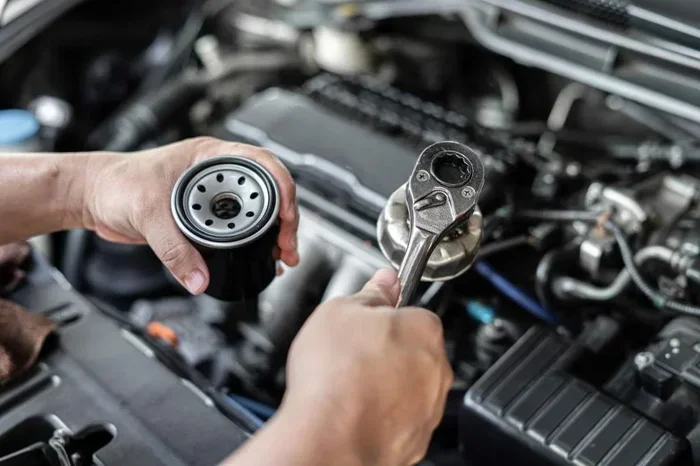
Forgetting to replace the oil filter is also a common error. The oil filter catches dirt and debris. When it gets clogged, it can no longer do its job. Always replace the filter every time you change your oil.
Finally, some people ignore warning signs. If your oil looks dark, smells bad, or your dashboard is flashing a warning light, do not wait. Address the issue immediately to prevent further damage.
Expert Insights on Oil Change Intervals
We asked several experienced mechanics about their thoughts on extended oil change intervals. Their advice reinforces what the data shows.
Mark Thompson, ASE Certified Mechanic: “I see the damage from skipped oil changes all the time. Most people think they are saving money, but they end up paying much more in repairs. I recommend sticking to the manufacturer’s interval and never going past 12 months, even with synthetic oil.”
Sarah Lin, Automotive Engineer: “Modern synthetic oils are impressive, but they still have limits. The additives that protect your engine wear off over time. After 2 years, the oil is no longer providing the protection it was designed to deliver. It is simply not worth the risk.”
James Rivera, Shop Owner: “I tell my customers to think of oil changes like dental checkups. You do not wait until something hurts. Regular maintenance prevents problems before they start. It is one of the cheapest and most important things you can do for your car.”
Final Thoughts on Going 2 Years Between Oil Changes
So, can I go 2 years between oil changes without damage? The honest answer is that it is risky for most vehicles. While modern synthetic oils and advanced engines have improved durability, 2 years is still too long for the vast majority of cars. Oil degrades over time regardless of mileage, and the risks of engine sludge, wear, and costly repairs are real.
Your best approach is to follow your manufacturer’s recommendations and use common sense. If you drive infrequently, set a calendar reminder to change your oil at least once a year. Check your oil regularly and watch for warning signs. When in doubt, err on the side of caution.
Taking care of your engine through regular oil changes is one of the simplest and most cost-effective things you can do. It keeps your car running smoothly, improves fuel efficiency, and prevents expensive repairs. Do not wait until it is too late. Your engine will thank you for it.
Frequently Asked Questions
Is it okay to go 2 years without an oil change if I drive very little?
Even if you drive very few miles, oil still degrades over time. Moisture and contaminants can build up in the engine, leading to sludge and reduced protection. Most experts recommend changing your oil at least once a year, regardless of mileage.
What type of oil lasts the longest between changes?
Full synthetic oil typically lasts the longest, with some brands rated for up to 15,000 miles or 12 months. However, even synthetic oil loses its effectiveness after 2 years. Always check your vehicle’s owner manual for the recommended oil type and interval.
Can old oil cause engine failure?
Yes, old oil can lead to engine failure if left unchanged for too long. Degraded oil loses its lubricating properties, which causes increased friction, overheating, and eventually, engine damage. Sludge buildup from old oil can clog vital passages and starve the engine of lubrication.
How can I tell if my oil needs changing right now?
Check your oil with the dipstick. If the color is dark brown or black, the texture feels gritty, or you notice a burning smell, it is time for a change. Also watch for dashboard warning lights, especially the oil pressure or check engine light.
Does the oil life monitor system tell me exactly when to change oil?
Oil life monitors are helpful tools but are not perfect. They estimate oil life based on driving conditions and habits. In harsh driving conditions, the system may overestimate oil life. It is best to use the monitor as a guide and also follow time-based intervals.
What happens if I mix old oil with new oil during a change?
It is not ideal, but it will not cause immediate damage. However, mixing old and new oil dilutes the effectiveness of the fresh oil. The old oil still contains contaminants and depleted additives. Always drain as much old oil as possible before adding new oil.
=== CONCLUSION ===
Going 2 years between oil changes is a gamble that most drivers should not take. Your engine depends on clean, fresh oil to protect it from wear, heat, and sludge. While synthetic oils can stretch further than conventional options, even the best oil breaks down after extended periods. The risks of engine damage, costly repairs, and reduced performance are simply not worth it.
The best approach is to follow your manufacturer’s guidelines, check your oil regularly, and never go longer than 12 months without a change. Staying proactive with your oil change schedule is one of the easiest ways to protect your investment and keep your car running strong for years to come. Take care of your engine today, and it will take care of you tomorrow.