Can a Car Battery Kill You Here is What You Need to Know
Can a car battery kill you? The short answer is yes, though it is rare. A standard car battery carries enough voltage and amperage to cause serious harm, especially when mishandled. Battery acid burns, electrical shock, and even explosions pose real risks. This article covers everything you need to know about car battery safety and how to protect yourself.
Most people never think twice about their car battery. It sits quietly under the hood, doing its job without drawing much attention. But here is the thing most folks overlook. Can a car battery kill you? It sounds like an extreme question, but the answer might surprise you. A standard 12-volt battery carries enough power to cause serious injury or even death under certain conditions.
We rely on our vehicles every single day. We turn the key, press the button, and expect the engine to start. That simple act depends entirely on the battery working correctly. But what happens when things go wrong? What if you accidentally touch both terminals? What if acid splashes on your skin? These are not hypothetical scenarios. They happen more often than you might think. This article breaks down the real risks and shows you exactly how to stay safe.
Whether you are a weekend DIY mechanic or someone who just wants to understand the dangers better, this guide has you covered. We will walk through the science in plain language. We will look at real-world cases. And we will give you practical tips you can use today. No fluff. No filler. Just honest, useful information about car battery safety.
Key Takeaways
- Yes, a car battery can be lethal: Under the right conditions, a 12-volt battery can deliver enough current to stop a human heart.
- Battery acid is extremely dangerous: Sulfuric acid can cause severe burns on contact with skin or eyes.
- Hydrogen gas is a hidden threat: Car batteries produce flammable gas that can ignite or explode near sparks.
- Jump starting incorrectly raises risk: Improper cable connections can cause sparks, shorts, and dangerous electrical surges.
- Simple precautions save lives: Wearing gloves and goggles, working in ventilated areas, and following proper procedures greatly reduce danger.
- Know when to replace your battery: Old or damaged batteries are more likely to leak acid or fail catastrophically.
📑 Table of Contents
Understanding How a Car Battery Works
Before we dive into the dangers, it helps to understand what is inside that box under your hood. A standard car battery is a lead-acid battery. It contains six cells, each producing about 2.1 volts. Together, they create roughly 12.6 volts when fully charged. That number might sound low. After all, household outlets run at 120 or 240 volts. So how can 12 volts be dangerous?
The Role of Voltage and Amperage
Here is where most people get confused. Voltage is the pressure that pushes electricity through a wire. Amperage is the actual amount of current flowing. A car battery has low voltage but extremely high amperage. A fully charged battery can deliver 500 to 1,000 amps or more in a short burst. That is more than enough to power your starter motor and ignite the engine. It is also more than enough to cause severe harm to a human body.
Think of it like water pressure. A small stream from a garden hose might not hurt you. But a fire hose at the same pressure? That is a completely different story. The voltage is the pressure. The amperage is the volume of flow. Even a small voltage can drive a dangerous amount of current through your body if the conditions are right.
What Is Inside the Battery?
Inside each cell, you will find lead plates submerged in sulfuric acid. This mixture creates the chemical reaction that generates electricity. The sulfuric acid is highly corrosive. It can eat through metal, burn through clothing, and cause devastating damage to living tissue. This is one of the main reasons a car battery can be dangerous, even without any electrical current involved.
The battery case itself is made of hard plastic, which provides some protection. But it is not indestructible. Cracks, leaks, and physical damage can expose the dangerous contents inside. Over time, batteries degrade, and the risk of failure increases. This is why understanding your battery’s condition matters so much.
Can a Car Battery Kill You? The Real Risks
Let us get straight to the point. Can a car battery kill you? Yes. But it does not happen the way most people imagine. It is rarely the direct electrical shock that causes the most damage. Instead, the real dangers come from several different sources working together. Let us break them down.
Electrical Shock and the Human Body
The human body is a good conductor of electricity. When current passes through the body, it can interfere with the heart’s electrical signals. Even a small amount of current passing through the chest can trigger a condition called ventricular fibrillation. This is when the heart quivers instead of pumping blood. Without immediate treatment, it can be fatal.
Now, 12 volts alone usually cannot push enough current through dry, intact skin to cause this. But here is the catch. If your skin is wet, sweaty, or damaged, the resistance drops dramatically. The same 12 volts can then push a lethal current through your body. This is why working on a battery with wet hands or bare skin is so risky. The voltage seems low, but the conditions can make it deadly.
Battery Acid Burns
Sulfuric acid is one of the most hazardous components of any car battery. When a battery leaks or cracks, this acid can come into contact with your skin, eyes, or clothing. Acid burns are painful and can cause permanent damage. Eye contact is especially dangerous and can lead to blindness if not treated immediately.
Even brief exposure to battery acid requires immediate action. Flush the affected area with plenty of water for at least 15 minutes. Seek medical attention right away. Do not try to neutralize the acid with another chemical. Water is your best first response. This is one of the most common ways people get seriously hurt around batteries.
Explosions and Gas Ignition
Here is a danger that surprises many people. When a battery charges or discharges, it produces hydrogen gas. Hydrogen is highly flammable and explosive. In a confined or poorly ventilated space, that gas can build up to dangerous levels. A single spark, a nearby flame, or even static electricity can ignite it.
Battery explosions can send plastic shrapnel flying. The force of the blast can cause blunt force injuries. The flames that follow can cause severe burns. This is not a rare occurrence either. Mechanics and DIYers get hurt by battery explosions every year. The risk increases when batteries are old, damaged, or being charged too quickly.
Common Mistakes That Increase the Danger
Most accidents involving car batteries happen because of simple mistakes. These are errors that are easy to avoid once you know about them. Let us look at the most common ones.
Jump Starting Errors
Jump starting a car is one of the most common battery-related tasks. But it is also one of the most dangerous if done incorrectly. Connecting the jumper cables in the wrong order can create a short circuit. A short circuit generates intense heat and sparks. It can melt cable insulation, damage the electrical system, and even ignite hydrogen gas.
The correct order matters. Always connect the positive cable to the dead battery first. Then connect the other end to the good battery. Next, connect the negative cable to the good battery. Finally, attach the last clamp to an unpainted metal surface on the dead car, not directly to the battery terminal. This final step reduces the risk of sparking near the battery itself.
Touching Both Terminals
Some people like to test a battery by touching a metal tool across both terminals. This creates a direct short circuit. The tool can heat up almost instantly. The battery can deliver a massive surge of current. In extreme cases, the battery can explode right in your hands. Never do this. It is an incredibly dangerous habit that offers no real benefit.
Ignoring Corrosion and Damage
White or blue-green buildup around battery terminals is a sign of corrosion. This is a mixture of lead sulfate and lead dioxide. It is mildly toxic and can irritate your skin. But more importantly, corrosion increases resistance and can cause heat buildup. A corroded battery is a warning sign that the battery is aging and may be closer to failure.
Similarly, a cracked case or bulging sides mean the battery is structurally compromised. These are clear signs that the battery needs immediate replacement. Continuing to use a damaged battery is asking for trouble. The risk of leaks, gas buildup, and sudden failure all increase significantly.
How to Stay Safe Around Car Batteries
The good news is that staying safe around car batteries is straightforward. You do not need special skills or expensive equipment. You just need awareness and a few basic precautions.
Wear the Right Protective Gear
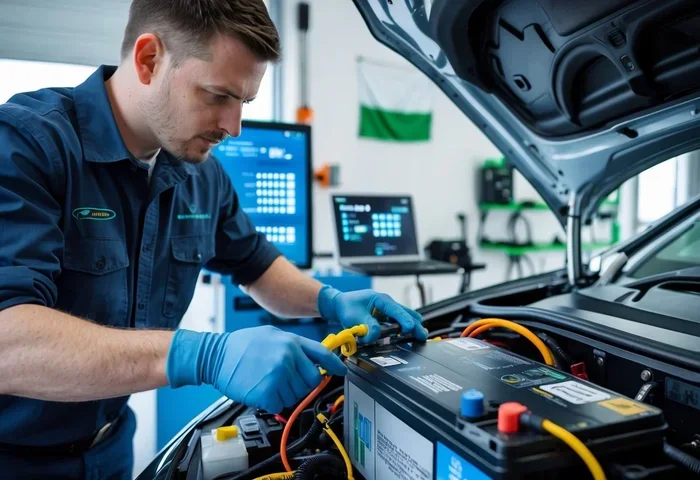
Safety glasses or goggles are essential whenever you work near a battery. Acid splashes are the leading cause of battery-related eye injuries. A pair of chemical-splash goggles costs very little but can save your eyesight. Wear rubber gloves to protect your hands from acid and electrical contact.
Avoid wearing jewelry when working on batteries. Metal rings, bracelets, and watches can conduct electricity and cause burns if they touch both terminals. Long sleeves and closed-toe shoes offer additional protection against acid splashes and sparks.
Work in a Well-Ventilated Area
Because hydrogen gas is lighter than air, it rises and can accumulate near the ceiling of an enclosed space. Always work in open or well-ventilated areas. Never charge or jump start a battery in a closed garage. The buildup of gas creates an explosion risk that can turn a simple task into a life-threatening emergency.
Keep Sparks and Flames Away
Never smoke near a car battery. Do not use matches or lighters anywhere near the battery compartment. Even something as small as a phone charging near the battery can create a spark. Keep all ignition sources far away from the battery area. This simple habit can prevent a catastrophic accident.
Turn Off the Ignition Before Working
Before you disconnect or connect anything to the battery, turn the ignition key to the off position. This prevents accidental electrical surges. It also protects the car’s sensitive electronic systems from damage. A surprising number of electrical problems start from someone forgetting this simple step.
When to Replace Your Car Battery
A healthy battery is a safe battery. Knowing when to replace yours is one of the best things you can do for your safety and your vehicle’s reliability. Most car batteries last between three and five years. But environmental conditions, driving habits, and electrical loads can shorten that lifespan significantly.
Warning Signs Your Battery Is Failing
Watch for these warning signs that your battery may be on its way out:
- Slow engine crank: The engine turns over slowly when you start it. This is one of the most common early signs of a weak battery.
- Dim headlights: If your headlights are noticeably dimmer when the engine is off, the battery is struggling.
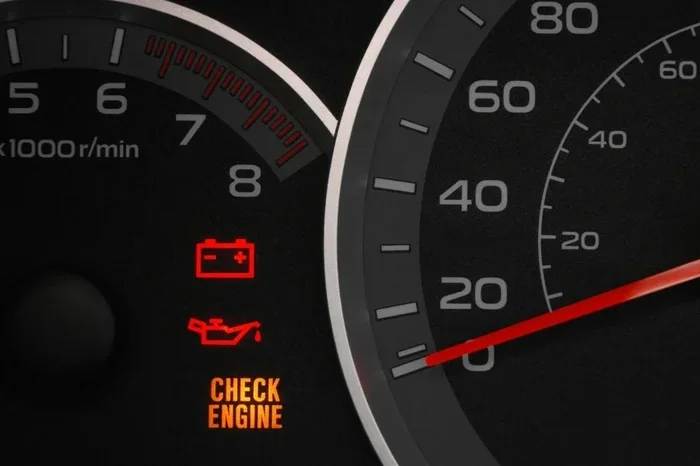
- Dashboard warning light: Many modern vehicles have a battery or charging system warning light on the dashboard. Do not ignore it.
- Swollen or bloated case: A battery that looks puffed up or has a rounded top is overheating internally. This is extremely dangerous and requires immediate replacement.
- Frequent jump starts: If you find yourself needing jumps more than twice a month, the battery is no longer holding a charge reliably.
- Corrosion buildup: Heavy or recurring corrosion around the terminals signals internal degradation.
Proper Battery Disposal
Car batteries contain lead and sulfuric acid, both of which are hazardous materials. Never throw a dead battery in the regular trash. Most auto parts stores and recycling centers accept used batteries for safe disposal. Some even offer a core refund when you buy a new one. Proper disposal protects the environment and keeps dangerous materials out of landfills.
Expert Insights on Car Battery Safety
Professional mechanics and automotive safety experts consistently emphasize one key point. Respect the battery, even though it seems small and harmless. The dangers are real, but they are entirely manageable with the right knowledge and precautions.
Most experts recommend keeping a basic safety kit in your trunk. This kit should include rubber gloves, safety goggles, a flashlight, and a set of jumper cables. In an emergency, having these items on hand can make a huge difference. It also shows that you take battery safety seriously.
Another expert tip is to inspect your battery regularly. Once a month, take a quick look under the hood. Check for cracks, leaks, or unusual buildup. Clean any corrosion with a baking soda and water mixture. A few minutes of attention each month can extend your battery’s life and keep you safe.
Automotive instructors also stress the importance of reading your vehicle’s owner manual. Every car is slightly different. The manual will tell you the exact location of the battery, the proper jump-starting procedure, and any specific warnings for your model. This free resource is often overlooked but can prevent costly mistakes.
Key Takeaways
- A car battery can kill you: Under the right conditions, 12 volts and high amperage can cause fatal electrical shock or trigger a deadly explosion.
- Battery acid is a serious hazard: Sulfuric acid causes severe burns and permanent damage on contact with skin or eyes.
- Hydrogen gas creates explosion risk: Always work in ventilated areas and keep all ignition sources away from the battery.
- Jump starting requires care: Follow the correct cable connection order every time to avoid sparks and electrical surges.
- Protective gear is non-negotiable: Wear goggles and rubber gloves whenever you handle a car battery.
- Replace aging batteries promptly: A battery older than five years or showing warning signs should be replaced before it becomes a hazard.
Conclusion
The question Can a car battery kill you? deserves a serious answer. The truth is that car batteries are more dangerous than most people realize. They contain corrosive acid, produce explosive gas, and carry enough electrical current to cause fatal injuries. But here is the good news. With the right knowledge and simple precautions, you can work around your battery safely and confidently.
Always wear protective gear. Always work in a ventilated space. Always follow proper procedures when jump starting or replacing your battery. And never ignore the warning signs of a failing battery. These habits take only a few minutes but can save your life or the lives of people around you.
Your car battery is a workhorse. It does its job quietly and reliably every single day. Treat it with respect, maintain it properly, and replace it when the time comes. That is all it takes to stay safe. Now that you know the risks, you are better equipped to handle your battery with confidence and care. Stay safe out there, and never underestimate what that small box under your hood is capable of.
Frequently Asked Questions
Can touching a car battery directly cause death?
It is unlikely but possible under certain conditions. If your skin is wet or damaged, the current from a 12-volt battery can pass through your body and disrupt your heart rhythm. This is especially dangerous if the current passes through your chest. Always handle batteries with dry, intact skin and wear protective gloves.
What should I do if battery acid touches my skin?
Flush the affected area with cool running water for at least 15 minutes. Do not try to wipe it off or apply any neutralizing agent first. Remove any contaminated clothing while rinsing. Seek medical attention immediately, even if the area seems to feel better after rinsing. Battery acid burns can worsen over time if not properly treated.
Why do car batteries produce gas that can explode?
During charging and discharging, the chemical reactions inside a lead-acid battery produce hydrogen gas. Hydrogen is extremely flammable and lighter than air, so it accumulates near the ceiling. If a spark or flame is present, the gas can ignite and cause an explosion. This is why ventilation is so important when working near batteries.
Is it safe to jump start a car battery in the rain?
Jump starting in the rain increases the risk of electrical shock because water reduces the resistance of your skin. If you must jump start in wet conditions, make sure both vehicles are parked in a covered or sheltered area. Wear rubber gloves and avoid standing in puddles or standing water while handling the cables.
How often should I inspect my car battery for safety issues?
Most automotive experts recommend inspecting your battery at least once a month. Look for cracks, leaks, bulging, or heavy corrosion around the terminals. A quick visual check takes only a few minutes but can help you catch problems before they become serious safety hazards.
Can a car battery explode while charging?
Yes, especially if the battery is old, damaged, or being charged too quickly. Overcharging causes excessive hydrogen gas buildup inside the battery. If that gas finds a spark or ignition source, it can explode. Always use a charger with the correct settings for your battery type and never charge a battery in an enclosed space.
=== SEO TITLE ===
Can a Car Battery Kill You? Here’s What You Need to Know
=== META TITLE ===
Can a Car Battery Kill You? What You Need to Know
=== URL SLUG ===
can-a-car-battery-kill-you