Can I Check Transmission Fluid Myself Without A Mechanic
You can absolutely check transmission fluid yourself without a mechanic. Learning to check transmission fluid yourself saves money and keeps your car running smoothly. This guide gives you simple steps to test your fluid level, read its color, and avoid costly repairs. We will cover everything from automatic to manual systems. By the end, you will feel confident handling this basic car maintenance task.
Knowing how to care for your car builds real confidence. Many drivers worry about their transmission. It is one of the most complex parts under the hood. But checking the fluid does not need to be scary. You can easily check transmission fluid yourself right in your driveway. This simple task takes only minutes. It helps you understand your vehicle better. More importantly, it saves you from expensive mechanic bills. When you know the transmission fluid level, you spot problems early. Early detection means cheaper fixes. Let us walk through the exact steps. You will learn how to keep your car shifting smoothly. This guide covers everything you need to know. No special skills are required. Just a little time and attention.
Regular car maintenance keeps your vehicle safe on the road. Many owners ignore the transmission until something goes wrong. Do not wait for a problem to act. A simple transmission fluid check is part of routine car maintenance. It takes less time than an oil change. You will need a clean rag and maybe a funnel. That is it. Whether you drive an automatic transmission or a manual transmission, the process is similar. We will break it down for both types. By the end, you will wonder why you ever paid someone else to do this. Let us get started on your transmission fluid change journey.
Key Takeaways
- Easy DIY Task: Checking your fluid is a simple job anyone can do at home with basic tools.
- Saves Money: Avoiding a mechanic visit for a simple fluid check keeps your wallet happy.
- Prevents Big Repairs: Catching low or dirty fluid early stops major transmission problems.
- Know Your Car: Understanding your transmission fluid level gives you better control over your vehicle’s health.
- Safety First: Always let the engine warm up and the car sit on level ground before checking.
📑 Table of Contents
- Why You Should Learn to Check Transmission Fluid Yourself
- How to Check Transmission Fluid Step-by-Step
- Reading the Signs: What Your Transmission Fluid Reveals
- Common Mistakes People Make When Checking Fluid
- When to Call a Professional Mechanic
- Keeping Your Transmission Healthy for the Long Haul
- Key Takeaways
- Frequently Asked Questions
- Conclusion
Why You Should Learn to Check Transmission Fluid Yourself
Taking charge of your transmission health is empowering. Many drivers hand their keys to a mechanic for every little thing. But you do not have to do that. Learning to check transmission fluid yourself gives you real power over your vehicle. You know exactly what is going on under the hood. This knowledge helps you make smart decisions. You can spot a fluid leak before it becomes a disaster. You can tell if the transmission fluid color is healthy. Catching these signs early prevents big breakdowns.
The High Price of Ignoring Your Transmission
Ignoring your transmission fluid level can cost a lot of money. A small low fluid issue turns into a major transmission repair cost. The transmission works hard to shift your gears. Without enough clean fluid, the gears grind. This grinding causes severe damage. Rebuilding a transmission costs thousands of dollars. But checking the fluid takes just five minutes. It is one of the best ways to protect your investment. Do not let a simple transmission fluid check turn into a huge bill. Your wallet will thank you for the simple transmission fluid change.
Quick Tips for Getting Started
Before you start, keep a few things in mind. Always check the fluid when the car is warm. The engine should be running but parked safely. Make sure the car is on level ground. This ensures an accurate reading of the transmission fluid level. Keep a clean rag handy. You will use it to wipe the dipstick. Also, know your vehicle type. The process for an automatic transmission differs slightly from a manual transmission. Having these basics ready makes the job much easier.
How to Check Transmission Fluid Step-by-Step
Now let us get into the actual process. Following these steps ensures you get an accurate reading. You will learn how to check transmission fluid yourself like a pro. The steps are simple and straightforward. Take your time, and do not rush. Safety always comes first when working under the hood.
What You Need Before You Start
Gathering your tools before you begin saves time. You do not need many items. Here is your quick shopping list for this job:
- A clean microfiber rag or paper towel
- The correct transmission fluid type for your car
- A clean funnel for topping off
- Gloves to keep your hands clean
- Your vehicle owner’s manual
Having these items ready means you can finish the job in one go. Never use a generic fluid. Always refer to your owner’s manual for the right transmission fluid type. Using the wrong fluid can damage your gears. The right fluid ensures smooth gear shifting and protects the internal parts.
The Process for Automatic Transmissions
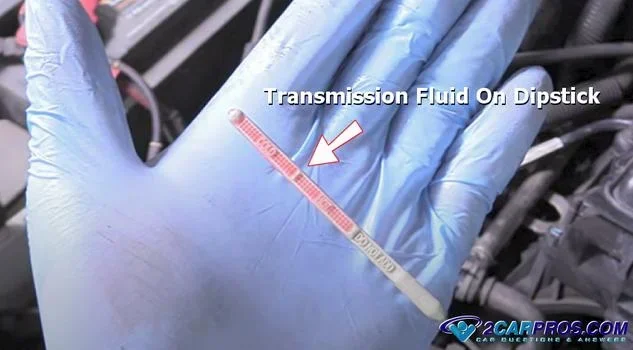
Most modern cars use an automatic transmission. Checking the fluid in these vehicles is very simple. Start by parking the car on flat pavement. Leave the engine running and the parking brake engaged. Next, locate the transmission dipstick. It usually has a bright colored handle. Pull the dipstick out and wipe it clean with your rag. Reinsert it all the way back in. Then pull it out again to read the level. The fluid should fall between the two marks on the stick. If it is low, you need to add more fluid. Use the funnel to pour it slowly. Overfilling causes just as many problems as underfilling.
The Process for Manual Transmissions
Some cars use a manual transmission. Checking fluid in these vehicles is a bit different. You often do not have a dipstick on a manual gearbox. Instead, you must look at the transmission pan from below the car. First, jack up the front of the vehicle safely. Use jack stands for support. Never work under a car supported only by a jack. Locate the fill plug on the side of the gearbox. Remove the plug and look inside. The fluid should reach the bottom of the hole. If it is low, you will need to pour fluid in through the fill hole. Have a friend help you add fluid while you look inside.
Automatic vs Manual Transmission Check
Both systems need regular attention. Here is a quick comparison of the two methods.
| Feature | Automatic Transmission | Manual Transmission |
|---|---|---|
| Dipstick Available | Yes | Usually No |
| Engine Status | Running | Off or Running |
| Check Location | Under the hood | Under the car |
| Ease of Access | Very Easy | Moderate |
| Fluid Top Off Method | Through the dipstick tube | Through the fill plug |
Reading the Signs: What Your Transmission Fluid Reveals
Finding the transmission fluid level is only half the job. You also need to inspect the fluid itself. The fluid tells you a lot about your transmission health. Fresh fluid is usually clear and red. Old fluid turns dark brown or black. If you see a milky appearance, water has mixed in. This is a serious problem. Always pay attention to what you see on your rag. A quick look can save you from a major breakdown.
Understanding Fluid Color and Clarity
The transmission fluid color is a great indicator of health. Bright red fluid means it is new and fresh. This is what you want to see. Brown fluid means the fluid is aging. You should plan a transmission fluid change soon. Black or dark brown fluid is burnt burnt transmission fluid. It means your transmission is overheating. Burnt fluid loses its ability to lubricate. Replacing it quickly can save your gears. Do not ignore dark fluid when you check transmission fluid yourself. A simple transmission flush might be all you need to restore the bright red color.
Smelling for Trouble
Your nose is a great tool for car repair. Fresh fluid has a slightly sweet smell. If you smell something burning, stop and investigate. A burnt smell means the fluid is breaking down. It can no longer cool the gears properly. This often happens when the transmission is overheating. Overheating destroys internal components fast. If you smell burning, check the fluid level immediately. You might need a full transmission fluid change to fix the issue. Do not drive far if you smell burning fluid.
Checking the Fluid Level
Once you wipe the dipstick, look at the fluid on the stick. The fluid should coat the end evenly. It should not look gritty or have metal shavings. If you see debris, the internal gears might be wearing out. Low fluid usually means a fluid leak. Look under your car for red puddles. A leak needs immediate attention. Driving with low fluid destroys the transmission. Always top off the fluid using the correct transmission fluid type. Use the dipstick to guide you on how much to add.
Transmission Warning Signs to Watch For
Even with good fluid, problems can happen. Watch for these transmission warning signs. Hesitation when shifting gears is a bad sign. Sliding gears or sudden jumps in RPMs mean trouble. If the car revs high but does not accelerate fast, check the fluid. A burning smell while driving is also a red flag. Sometimes the check engine light will turn on. Do not ignore this light. It often signals transmission issues. Early action keeps you safe and saves money on transmission repair cost.
Common Mistakes People Make When Checking Fluid
Even simple tasks have pitfalls. Many people make mistakes when they check transmission fluid yourself. Avoiding these errors ensures you get accurate results. Protect your car by following these guidelines carefully.
Checking the Car on the Wrong Surface
Never check fluid on a slope. The car must be perfectly level. An uneven surface gives a false transmission fluid level reading. Park on flat concrete or pavement. If you are on a hill, the fluid pools to one side. This makes the reading inaccurate. Always take the extra time to find a flat spot. This one step prevents many misdiagnoses.
Using the Wrong Type of Fluid
Not all fluids are the same. Using the wrong transmission fluid type ruins your gears. Automatic and manual systems need different fluids. Even among automatics, there are many specific formulas. Always check your owner’s manual before adding fluid. Using the wrong fluid causes slipping and overheating. This leads to expensive repairs. Stick to the manufacturer’s recommendation. The transmission filter also depends on the correct fluid to work properly.
Overfilling or Underfilling
Both too much and too little fluid cause problems. Overfilling causes the fluid to foam. Foamed fluid loses its lubricating power. It can also cause the transmission to overheat. Underfilling starves the gears of oil. This leads to grinding and wear. Always add fluid in small amounts. Check the level frequently with the dipstick. Patience is key when topping off. A little fluid goes a long way.
When to Call a Professional Mechanic
DIY maintenance is great, but some jobs need a pro. You can easily check transmission fluid yourself, but you cannot fix everything. Knowing when to call for help saves you from bigger disasters. Do not hesitate to seek professional advice if you are unsure.
Major Fluid Leaks
If you see a large puddle under your car, do not drive far. A major fluid leak means the system is losing pressure. Driving on low fluid causes catastrophic damage. A mechanic can find the source of the leak safely. They have the tools to repair seals and gaskets. Let a professional handle the repair if the leak is big. They can also inspect the transmission pan for cracks.
Unusual Noises and Grinding Gears
If you hear grinding or clunking, stop driving. These sounds mean metal is grinding on metal. The transmission filter might be clogged. Internal gears could be damaged. You cannot fix mechanical damage with fluid alone. A mechanic needs to inspect the internal parts. Trust their expertise for serious mechanical issues. Trying to fix a grinding manual transmission at home can make it worse.
The Check Engine Light Is On
A check engine light can mean many things. Sometimes it points directly to transmission problems. Other times, it is a sensor error. A mechanic has diagnostic tools to read the codes. They can tell exactly what is wrong. If the light is flashing, pull over immediately. Flashing lights indicate severe issues. Do not try to drive it to the shop. Call a tow truck and let the experts handle it.
Keeping Your Transmission Healthy for the Long Haul
Once you know how to check transmission fluid yourself, you must maintain the habit. Regular checks are the best defense against failure. A little prevention goes a long way. Follow these tips to keep your gears shifting smoothly for years.
Regular Maintenance Schedules
Set a reminder to check your fluid every month. Make it part of your routine car maintenance. Check it before long road trips too. Regular checks catch small issues before they grow. A quick transmission fluid check takes only five minutes. Write it on your calendar or set a phone alarm. Consistency is the secret to a long-lasting transmission.
The Role of the Transmission Filter
The fluid needs to stay clean to work well. The transmission filter catches dirt and metal shavings. Over time, this filter gets clogged. A clogged filter restricts fluid flow. This starves the gears and causes slipping. Replace the filter when you do a full transmission fluid change. Clean fluid and a clean filter work hand in hand. Together, they keep your automatic transmission running strong. A clean filter also improves gear shifting smoothness.
Driving Habits That Protect Your Gears
How you drive affects your transmission health. Avoid sudden acceleration and hard braking. These habits put extra stress on the gears. If you tow heavy loads, check the fluid more often. Towing makes the transmission overheat. Give your car time to warm up in cold weather. This lets the fluid circulate properly. Gentle driving extends the life of your manual transmission and automatic alike. Treat your car well, and it will treat you well.
Key Takeaways
- Easy DIY Task: You can easily check transmission fluid yourself without any special tools or skills.
- Saves Money: Avoiding a mechanic visit for a simple fluid check keeps your wallet happy and prevents transmission repair cost surprises.
- Prevents Big Repairs: Catching low or dirty fluid early stops major transmission problems and protects your transmission health.
- Know Your Car: Understanding your transmission fluid level and transmission fluid color gives you better control over your vehicle’s condition.
- Safety First: Always let the engine warm up and the car sit on level ground before you check transmission fluid yourself.
- Know Your Limits: While you can check fluid, call a professional for major leaks, grinding noises, or flashing check engine light issues.
Frequently Asked Questions
How often should I check my transmission fluid?
You should check your fluid at least once a month. It is also a good idea to check it before any long road trips. Regular checks help you maintain the right transmission fluid level. Catching a low level early prevents transmission overheating. Make it a simple part of your car maintenance routine.
Can I check the transmission fluid with the engine off?
It depends on your vehicle. Many automatic transmission cars require the engine to be running to get an accurate transmission fluid level. However, some manufacturers recommend checking with the engine off after the fluid has warmed up. Always read your owner’s manual to find the exact method for your specific car model.
What does burnt transmission fluid smell like?
Burnt fluid has a sharp, acrid smell similar to burning toast. It is a clear sign that the fluid has broken down. This usually happens when the transmission is overheating. Old fluid loses its ability to cool and lubricate the gears. If you smell this, you need to perform a transmission fluid change immediately.
Does checking transmission fluid myself void the warranty?
Generally, no. Simply checking the transmission fluid level with a dipstick will not void your warranty. However, you must use the correct transmission fluid type recommended by the manufacturer. If you accidentally spill fluid on the engine or cause damage, that could be an issue. Always be careful and follow the guidelines in your owner’s manual.
What is the difference between a transmission fluid change and a flush?
A fluid change drains the old fluid and replaces it with new fluid. A flush uses a machine to remove all old fluid, including what is stuck in the transmission pan and cooler lines. A change is usually sufficient for regular car maintenance. A flush is often recommended for vehicles with high mileage or neglected fluid. Always consult a mechanic if you are unsure which method your vehicle needs.
Why is my transmission fluid low even without a leak?
It is normal for a small amount of fluid to be lost over time through the transmission filter and ventilation system. However, a significant drop usually means there is a fluid leak. Leaks often happen at the transmission pan gasket or the drain plug. If you notice a low level but no visible puddles, have a mechanic inspect the seals closely.
Conclusion
Learning to check transmission fluid yourself is one of the best things you can do for your car. It is simple, fast, and incredibly rewarding. You now know exactly how to handle both automatic transmission and manual transmission systems. You understand the transmission fluid color and what it means. You can spot the transmission warning signs before they become expensive problems. This simple skill puts you in control of your vehicle’s health. It saves you money on transmission repair cost and keeps you safe on the road. Keep up with your regular car maintenance habits. Check your transmission fluid level often, and never ignore strange smells or sounds. Your transmission works hard for you every day. Give it the care it deserves by checking the fluid yourself. You have got this, and your car will thank you for it.