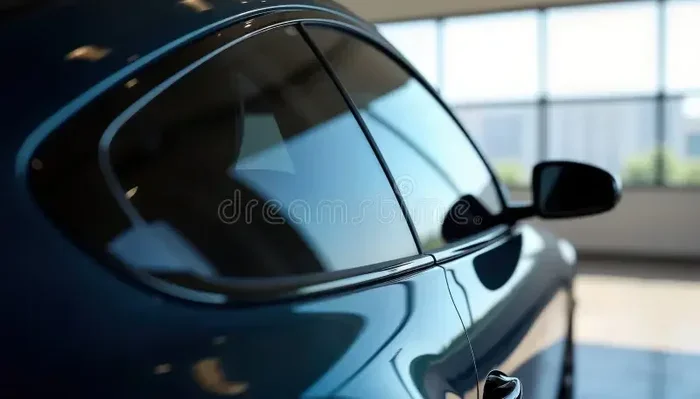
100 Percent Window Tint Explained All You Need to Know
100 percent window tint refers to a film that blocks nearly all light from passing through your car windows. It offers maximum privacy, heat rejection, and UV protection for both drivers and passengers. Many car owners choose this option for a sleek, dark look that also protects the interior. However, laws vary by state and country, so understanding the rules is essential before installation. This guide covers everything you need to know about 100 percent window tint for your vehicle.
Car owners love a clean, dark look. It gives any vehicle a sleek and polished appearance. But beyond aesthetics, 100 percent window tint serves real purposes. It blocks light, heat, and harmful rays from entering your car. If you are thinking about tinting your windows, understanding what this level means is the first step.
Not all tint is the same. Some films let in a lot of light. Others block most of it. 100 percent window tint sits at the extreme end of the spectrum. It offers near-total darkness and maximum protection. In this guide, we will break down everything you need to know. From the science behind it to the legal side, we have you covered.
Whether you want better privacy, cooler interiors, or that premium look, this article will help you make the right choice. Let us dive in.
Key Takeaways
- Maximum Light Blockage: 100 percent window tint blocks almost all visible light, giving you the darkest possible shade.
- Superior UV Protection: This level of tint shields your skin and car interior from harmful ultraviolet rays.
- Heat Rejection: A 100 percent tint film significantly reduces solar heat, keeping your car cooler.
- Legal Restrictions Apply: Many states and countries limit how dark your tint can be, especially on front windows.
- Multiple Film Types Available: Ceramic, carbon, and dyed films each offer different performance levels at 100 percent darkness.
- Professional Installation Matters: Proper application ensures bubble-free results and long-lasting durability.
- Privacy and Safety Benefits: Dark tint adds privacy and can hold shattered glass in place during accidents.
📑 Table of Contents
- What Is 100 Percent Window Tint?
- How Does 100 Percent Window Tint Work?
- Benefits of 100 Percent Window Tint
- Is 100 Percent Window Tint Legal?
- 100 Percent Tint vs Other Tint Levels
- Types of Films for 100 Percent Window Tint
- Common Mistakes to Avoid with 100 Percent Window Tint
- How to Maintain Your 100 Percent Window Tint
- How Much Does 100 Percent Window Tint Cost?
- Conclusion
What Is 100 Percent Window Tint?
When people talk about 100 percent window tint, they refer to a film that blocks nearly all visible light. The term “100 percent” can be a bit misleading though. No tint film blocks 100 percent of light completely. Instead, it blocks a very high percentage, usually above 95 percent. This creates an extremely dark shade on your car windows.
The darkness of window tint is measured by something called Visible Light Transmission, or VLT. VLT tells you how much light passes through the film. A lower VLT number means less light comes in. A 100 percent tint has a very low VLT, often around 5 percent or less. This means only about 5 percent of visible light gets through your windows.
Different tint materials achieve this level of darkness in different ways. Dyed films use color layers to absorb light. Carbon films use carbon particles to block rays. Ceramic films use nano-ceramic particles for superior performance. Each type has its own strengths. We will look at these differences later in the article.
Common Tint Shade Names
You may hear different names for very dark tint shades. Here are some common terms used in the industry:
- Limo Tint: Often refers to a 5 percent VLT shade used in luxury limousines.
- Blackout Tint: A very dark film that nearly eliminates all light transmission.
- Stealth Tint: A marketing term for ultra-dark window films.
- Nightshade Tint: Another name for extremely dark tint levels.
All of these terms describe films with very low VLT percentages. They all fall under the broad category of 100 percent window tint in everyday conversation.
How Does 100 Percent Window Tint Work?
Understanding how dark window tint works helps you appreciate its benefits. The film is a thin layer of material applied to the inside of your car windows. It works by absorbing and reflecting sunlight before it enters your vehicle. This process involves several layers of specialized materials.
Most high-quality tint films have multiple layers. There is an adhesive layer that sticks to the glass. Then there are layers that handle heat and light rejection. Finally, there is a protective scratch-resistant coating on top. Together, these layers create the dark, protective barrier you see on tinted windows.
The Science Behind Light Rejection
When sunlight hits your car windows, it carries three types of energy. These are visible light, infrared heat, and ultraviolet rays. A good 100 percent window tint film targets all three. It blocks visible light to reduce glare and darkness. It rejects infrared heat to keep your car cool. It filters out UV rays to protect your skin and interior.
Ceramic tint films are especially effective at this. They use tiny ceramic particles that do not interfere with electronic signals. This means your GPS, radio, and phone signals stay strong. Carbon films also perform well but may slightly affect signal strength. Dyed films are the most affordable option but offer less heat rejection.
What About the Windshield?
Most cars have a strip at the top of the windshield. This is called the sun strip or shade band. Some car owners apply 100 percent window tint to this strip. It gives a stylish look while keeping the rest of the windshield clear for safe driving. Full windshield tinting is usually illegal in most places because it blocks too much visibility.
Benefits of 100 Percent Window Tint
Choosing a full darkness tint comes with many advantages. Let us look at the biggest benefits that car owners love.
Maximum UV Protection
Ultraviolet rays are harmful to your skin. They can cause sunburn, premature aging, and even skin cancer. Your car windows let in a surprising amount of UV radiation. A 100 percent window tint film blocks up to 99 percent of UV rays. This protects you and your passengers during every drive. It also protects your dashboard, seats, and steering wheel from fading and cracking.
Superior Heat Rejection
Have you ever sat in a hot car and felt like you were sitting on an oven? A dark tint film changes that. It rejects a large portion of solar heat before it enters your car. This keeps the interior temperature much cooler. You spend less time blasting the air conditioning. That means better fuel efficiency over time. In hot climates, this benefit alone makes tinting worth it.
Enhanced Privacy and Security
Dark windows make it hard for people outside to see into your car. This gives you and your passengers more privacy. It also adds a layer of security. Thieves are less likely to target a car they cannot see into. Valuables left on the seats stay hidden from view. Many families appreciate this extra sense of safety.
Glare Reduction
Driving with too much glare is dangerous. Sunlight and headlights from other cars can blind you temporarily. A 100 percent tint dramatically reduces glare. This makes driving more comfortable and safer, especially on long road trips. You experience less eye strain and fatigue too.
Interior Protection
Sun damage fades your car’s interior over time. The dashboard cracks, the seats bleach out, and the steering wheel feels rough. Tinting your windows slows this process significantly. With dark window film, your car’s interior stays newer for longer. This also helps maintain the resale value of your vehicle.
Is 100 Percent Window Tint Legal?
This is the question most people ask first. The short answer is: it depends on where you live. Tint laws vary widely from state to state and country to country. What is legal in one place may be illegal in another. Understanding these rules before you tint is very important.
Understanding VLT Laws
Most tint laws are based on VLT percentages. They tell you how much light must pass through your windows. For example, a state might require front side windows to have a VLT of 70 percent or higher. This means the tint can only block up to 30 percent of light. Rear windows often have looser restrictions. Some states allow very dark tint on back windows and the rear windshield.
Here is a general look at common legal limits in the United States:
| Window | Typical Legal VLT Limit | Notes |
|---|---|---|
| Front Windshield | 70%+ (sun strip only) | Full tint usually illegal |
| Front Side Windows | 50%-70% | Varies by state |
| Rear Side Windows | 5%-any % | Many states allow dark tint |
| Rear Windshield | 5%-any % | Often no restriction |
Medical Exemptions
Some states offer medical exemptions for darker tint. People with certain skin conditions or light sensitivity may qualify. If you have a medical need, you can apply for a special permit. This allows you to use 100 percent window tint even on front windows. Check with your local Department of Motor Vehicles for specific rules.
Penalties for Illegal Tint
Driving with tint that is too dark can result in fines. In some states, you may be ordered to remove the tint. Repeated violations can lead to higher fines or even points on your license. Always check your local laws before getting your windows tinted. A reputable tint shop will also know the regulations and guide you accordingly.
Quick Tips for Staying Legal
- Always check your state’s specific tint laws before choosing a film.
- Ask your tint installer about the VLT of the film they use.
- Keep your tint receipt and certification paperwork in the car.
- Consider lighter tint on front windows and darker on rear windows.
100 Percent Tint vs Other Tint Levels
Not sure if 100 percent window tint is right for you? Comparing it to other tint levels helps you decide. Let us look at the main options available.
Comparison Table
| Tint Level | VLT Range | Darkness | Best For | Legal on Front Windows? |
|---|---|---|---|---|
| Light Tint | 50%-70% | Subtle | Glare reduction, UV protection | Yes, almost everywhere |
| Medium Tint | 35%-50% | Moderate | Balanced look and function | Depends on state |
| Dark Tint | 20%-35% | Very dark | Privacy, heat rejection | Usually rear windows only |
| 100 Percent Tint | 5% or less | Extremely dark | Maximum privacy, full blackout | Rarely, only rear windows |
Which Tint Level Should You Choose?
The right choice depends on your priorities. If you want the best heat rejection and privacy, 100 percent window tint on rear windows is hard to beat. If you also want tint on your front side windows, a medium shade might be a better legal option. Many car owners choose a mix. They use a lighter tint on the front and a dark tint on the back.
Think about where you drive too. If you spend a lot of time in sunny areas, darker tint gives you more comfort. If you drive mostly at night or in cloudy areas, a lighter tint might be more practical. Safety and visibility should always come first.
Types of Films for 100 Percent Window Tint
Not all tint films are created equal. The material you choose affects performance, durability, and price. Here is a closer look at the most common types.
Ceramic Tint Film
Ceramic film is the premium choice for 100 percent window tint. It uses nano-ceramic particles to block heat and light. It offers the best performance without interfering with electronics. Ceramic films are scratch-resistant and fade-resistant. They cost more than other options, but they last longer and perform better. Many experts consider ceramic the best overall tint material.
Carbon Tint Film
Carbon film is a popular mid-range option. It blocks heat effectively and gives a matte black finish. Carbon tint does not fade as quickly as dyed films. It may slightly affect cell phone and GPS signals, but not as much as older metal films. For those looking for a balance of price and performance, carbon is a solid choice.
Dyed Tint Film
Dyed film is the most affordable type of dark window tint. It uses dye layers to absorb light and heat. However, dyed films tend to fade over time. They may turn purple or bubbly after a few years. They also offer less heat rejection compared to ceramic or carbon films. If you are on a tight budget, dyed film gets the job done for a lower price.
Hybrid Tint Film
Hybrid films combine two or more materials. They often mix dyed and metallic layers. This gives you better performance than dyed film alone at a lower price than ceramic. Hybrid films are a good middle-ground option for car owners who want quality without the premium price tag.
Common Mistakes to Avoid with 100 Percent Window Tint
Tinting your windows is not as simple as just buying a film and sticking it on. Many people make mistakes that lead to poor results. Here are some common pitfalls to avoid.
Choosing the Wrong VLT for Your Needs
Not every car needs the darkest possible tint. Some people choose 100 percent window tint without thinking about their daily driving needs. If you drive a lot at night, extremely dark tint can reduce visibility. Always consider your driving conditions and choose a tint level that suits your lifestyle.
Skipping Professional Installation
DIY tint kits are tempting because they save money. But professional installation makes a huge difference. A trained technician ensures the film goes on smoothly without bubbles or wrinkles. They also know how to handle the glass and film properly. Poorly installed tint peels, bubbles, and looks terrible within months.
Ignoring Local Laws
This cannot be stressed enough. Ignoring tint laws can lead to fines and forced removal. Always research your local regulations first. A good tint shop will inform you about the legal limits in your area. Do not let anyone tell you they can “work around” the law. It is not worth the risk.
Buying Cheap, Low-Quality Film
Price matters when it comes to window tint. Very cheap films often use low-quality dyes and adhesives. They fade quickly, bubble, and offer poor heat rejection. Investing in a higher-quality film pays off in the long run. Look for reputable brands and read reviews before making a decision.
Expert Insight
Professional installers recommend ceramic film for anyone wanting 100 percent window tint on their rear windows. It provides the best combination of heat rejection, durability, and clarity. While it costs more upfront, it saves money over time by lasting longer and performing better than cheaper alternatives.
How to Maintain Your 100 Percent Window Tint
Proper care keeps your tint looking great for years. Follow these simple maintenance tips to get the most out of your investment.
Wait Before Rolling Down Windows
After installation, wait at least 3 to 5 days before rolling down your windows. This allows the adhesive to fully cure. Rolling them down too early can cause the film to peel or shift. Be patient and let the film set properly.
Clean with the Right Products
Use a soft, non-abrasive cloth to clean your tinted windows. Avoid ammonia-based cleaners, as they can damage the film over time. A mild soap and water solution works perfectly. Microfiber cloths are the best choice for streak-free cleaning.
Avoid Sharp Objects
Be careful with seat belts, pet claws, and sharp objects near your tinted windows. These can scratch or tear the film. Using a seat belt cover can help protect the film from metal buckles. Keep pets’ nails trimmed to avoid accidental scratches.
Park in the Shade When Possible
While quality tint films are designed to resist fading, prolonged sun exposure can still cause wear over time. Parking in shaded areas or using a sunshade helps extend the life of your dark window tint. This simple habit keeps your tint looking fresh for many years.
How Much Does 100 Percent Window Tint Cost?
The cost of 100 percent window tint varies based on several factors. The type of film, the size of your vehicle, and the quality of installation all play a role. On average, you can expect to pay between $100 and $400 for a full vehicle tint job. Premium ceramic films cost more, sometimes $500 or higher for larger vehicles.
Here is a rough breakdown of costs by film type:
- Dyed Film: $100 – $200 for full vehicle
- Carbon Film: $200 – $350 for full vehicle
- Ceramic Film: $300 – $500+ for full vehicle
Keep in mind that these are general estimates. Prices vary by region and installer. Always get quotes from multiple shops before deciding. Remember, the cheapest option is not always the best value. Quality film and proper installation save you money in the long run.
Conclusion
100 percent window tint offers maximum darkness, privacy, and protection for your car. It blocks harmful UV rays, rejects solar heat, and gives your vehicle a sleek, premium look. However, it is important to understand the legal restrictions in your area before choosing this option. Not every window can handle the darkest shade, and for good reason.
Choosing the right film type and a skilled installer makes all the difference. Ceramic and carbon films offer the best performance for those who want the darkest possible tint. Proper maintenance keeps your tint looking great for years. Whether you are tinting for style, comfort, or protection, understanding your options empowers you to make the best decision.
Now that you know what 100 percent window tint is all about, you can move forward with confidence. Consider your needs, check your local laws, and invest in quality film and installation. Your car and your driving experience will thank you.
Frequently Asked Questions
Can you see through 100 percent window tint at night?
It is very difficult to see through 100 percent window tint at night, especially from the outside. The film blocks nearly all visible light, which makes the windows appear almost black. This is why most laws restrict dark tint on front side windows where driver visibility matters most. If you need clear night visibility, consider a lighter tint shade on your front windows.
Does 100 percent window tint block phone signals?
It depends on the type of film you choose. Ceramic tint films do not block phone signals or GPS. They are designed to be signal-friendly. Carbon films may cause slight interference with some signals. Older metal-based films are the most likely to disrupt cell phone and radio reception. Always ask your installer about signal compatibility before choosing a film.
How long does 100 percent window tint last?
High-quality tint films can last between 5 and 10 years with proper care. Ceramic films tend to last the longest, often closer to the 10-year mark. Carbon films typically last 7 to 8 years. Dyed films have the shortest lifespan, usually around 3 to 5 years before fading or bubbling occurs. Professional installation and proper maintenance significantly extend the life of any tint.
Is 100 percent window tint worth the extra cost?
For many car owners, yes. The added heat rejection, UV protection, and privacy make it well worth the investment. If you live in a hot, sunny climate, the benefits are even more noticeable. The interior of your car stays cooler, your skin is better protected, and your valuables stay hidden. However, if you drive mostly at night or in cloudy areas, a lighter tint may offer better value.
Can I apply 100 percent window tint myself?
You can, but professional installation is strongly recommended. DIY tint kits are available at auto parts stores and online. However, applying dark tint yourself is challenging. Bubbles, wrinkles, and uneven edges are common problems. A professional installer has the tools, experience, and clean environment needed for a flawless result. The extra cost is worth the quality and longevity you get.
What is the difference between 100 percent tint and limousine tint?
There is essentially no difference. “Limo tint” is a common term for very dark window film, usually around 5 percent VLT. This is the same as what people call 100 percent window tint. Both terms describe the darkest level of tint available. The name “limo tint” comes from the fact that limousines often use this shade for maximum privacy.