0 Percent Window Tint: Is It Legal and Really Practical
0 percent window tint blocks nearly all light from entering your vehicle, creating a very dark and private cabin. While it offers great heat rejection and UV protection, it is also one of the most regulated window tint darkness levels on the road. Whether you want privacy tint for your car or are exploring automotive tinting options, this guide covers the legal rules, practical uses, and real-world pros and cons of going with the darkest shade possible.
If you have ever driven behind a car with windows so dark you cannot see the people inside, you have probably seen 0 percent window tint in action. This is the darkest level of tint you can put on your car windows. It blocks almost all light from passing through the glass. Some people love the look and privacy it gives. Others worry about safety and whether it is even allowed by law. In this guide, we will walk you through everything you need to know about 0 percent window tint. We will cover the legal rules, the pros and cons, and how it compares to other tint darkness levels. By the end, you will know exactly whether this type of tint is right for you and your vehicle.
Window tinting is one of the most popular upgrades you can make to your car. It does more than just change the look. Good tint can block harmful UV rays, reduce heat inside your cabin, and add a layer of privacy. But not all tint is the same. The darkness level matters a lot. And 0 percent tint sits at the extreme end of the spectrum. Before you commit to this option, it is important to understand what you are getting into. Let us start with the basics.
Key Takeaways
- 0 Percent Window Tint blocks almost all visible light, giving your car a very dark and sleek look.
- Legal rules for this tint level vary widely by state, and many places restrict or ban it entirely for front side windows.
- Medical exemptions may allow you to use 0 percent tint even in areas where it is otherwise illegal.
- The main benefits include excellent heat rejection, strong UV protection, and maximum privacy.
- Common downsides are reduced night visibility, potential safety concerns, and the risk of getting pulled over.
- Always check your local window tint regulations before installing any aftermarket tint.
- Professional installation and high-quality tint film make a big difference in durability and performance.
📑 Table of Contents
- What Is 0 Percent Window Tint?
- Is 0 Percent Window Tint Legal?
- Pros and Cons of 0 Percent Window Tint
- How Does 0 Percent Tint Compare to Other Darkness Levels?
- Common Uses for 0 Percent Window Tint
- How to Choose the Right Tint for Your Car
- Expert Tips for Tinting Your Windows
- Final Thoughts on 0 Percent Window Tint
What Is 0 Percent Window Tint?
0 percent window tint means that the tint film allows virtually no visible light to pass through the glass. In the world of window tint darkness, this is the darkest option available. It is sometimes called “limo tint” because limousines often use this level of darkness to give passengers full privacy. When you hold your hand up to a window with 0 percent tint, you will barely see any light coming through. The inside of the car becomes very dark, even during the day.
The darkness of any tint is measured using something called Visible Light Transmission, or VLT. VLT is a percentage that tells you how much light the tint lets through. A higher VLT means more light passes through. A lower VLT means less light gets in. 0 percent window tint has a VLT of zero, which means it blocks nearly all visible light. This is different from factory tint, which comes on new cars from the manufacturer. Factory tint usually has a VLT of around 15 to 20 percent, which is much lighter than 0 percent tint.
How Tint Darkness Is Measured
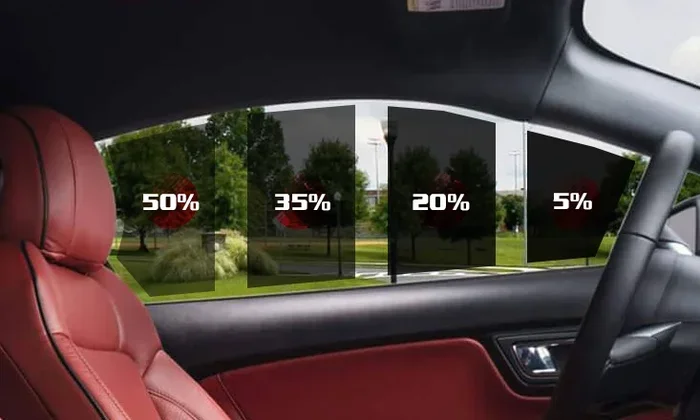
Understanding VLT is key when you are shopping for tint film. Here is a simple breakdown of common tint darkness levels:
- 50% VLT: Lets in half the light. Good for reducing glare and heat while still seeing clearly.
- 35% VLT: A medium tint. Popular for a sporty look without going too dark.
- 20% VLT: A dark tint. Hard to see through from the outside but still legal in many areas.
- 5% VLT: Very dark. Often called “limo tint.” Hard to see through even during the day.
- 0% VLT: Blocks almost all light. The darkest tint possible.
When people talk about 0 percent window tint, they are referring to the 0% VLT level. This is the most extreme option in automotive tinting. It gives the strongest privacy and the best heat rejection. But it also comes with the biggest trade-offs, which we will cover soon.
Is 0 Percent Window Tint Legal?
The short answer is: it depends on where you live. Window tint laws vary a lot from state to state and country to country. In many places, 0 percent window tint is completely legal for rear windows but restricted or banned for front side windows and the windshield. The reason for these rules is safety. Law enforcement officers need to see into vehicles during traffic stops. Very dark tint can make this difficult and potentially dangerous.
Federal and State Tint Laws
In the United States, there is no single federal law that governs car window tinting. Instead, each state sets its own legal tint limits. Most states allow some level of tint on the front side windows, but they usually require a minimum VLT. For example, many states require at least 70% VLT on the front side windows. That means you cannot use 0 percent tint on those windows in most cases.
Here are some general guidelines about tint laws by state:
- Front Side Windows: Many states require a minimum VLT of 70% or higher. 0 percent tint is almost never legal here.
- Rear Side Windows: Some states allow very dark tint on rear side windows, including 0 percent, as long as the car has side mirrors.
- Rear Window: Darker tint is often allowed on the rear window, but you may need dual side mirrors.
- Windshield: Most states only allow a non-reflective tint strip at the top of the windshield. 0 percent tint on the windshield is almost always illegal.
It is very important to check your specific state and local laws before installing 0 percent window tint. Rules can change, and some cities or counties have their own additional regulations. If you are caught driving with illegal tint, you could face a fine, a ticket, or even be told to remove the tint.
Medical Exemptions and Special Cases
Some states offer medical tint exemptions that allow people with certain health conditions to use darker tint than the standard legal limit. Conditions like lupus, melanoma, or severe light sensitivity may qualify you for a medical exemption. If you have a qualifying condition, you may be able to use 0 percent window tint legally, even on front windows. You will usually need a doctor’s note and a special permit from your state’s DMV or equivalent agency.
These exemptions are not available everywhere, and the rules vary a lot. If you think you might qualify, contact your local Department of Motor Vehicles or check your state’s window tint regulations online. Always keep your medical exemption paperwork in your car in case you get pulled over.
Pros and Cons of 0 Percent Window Tint
Like any car upgrade, 0 percent window tint comes with both advantages and disadvantages. Before you make a decision, it helps to weigh both sides carefully. Let us look at what you gain and what you give up when you choose the darkest tint available.
The Benefits You Can Expect
0 percent window tint offers several strong benefits that make it appealing to many car owners:
- Maximum Privacy: With 0 percent tint, no one outside your car can see in. This is great for keeping your belongings safe and your personal space private.
- Excellent Heat Rejection: Dark tint blocks a lot of solar energy. Your car stays much cooler in hot weather, which can reduce your need for air conditioning.
- Strong UV Protection: Quality tint film blocks harmful ultraviolet rays. This protects your skin and helps prevent your interior from fading.
- Glare Reduction: 0 percent tint cuts down on glare from the sun and headlights at night. This can make driving more comfortable.
- Sleek Look: Many people simply love the dark, polished appearance of the darkest tint. It gives a car a premium and customized look.
The Downsides You Should Know
There are also some real drawbacks to consider with 0 percent window tint:
- Poor Night Visibility: The darker the tint, the harder it is to see through your windows at night. With 0 percent tint, rear visibility can be very poor in low-light conditions.
- Safety Concerns: In an emergency, you need to be able to see out of all your windows. Very dark tint can slow you down in a crisis.
- Legal Risks: Driving with illegal tint can result in fines, citations, and the hassle of having to remove or replace the tint.
- Difficulty Selling Your Car: Some buyers do not want cars with very dark tint. It can limit your resale market.
- Potential for Overheating: While tint blocks heat from the sun, very dark tint on all windows can trap heat inside the car when it is parked, making the interior unbearably hot.
How Does 0 Percent Tint Compare to Other Darkness Levels?
To really understand 0 percent window tint, it helps to compare it with other popular tint darkness levels. The table below shows a side-by-side comparison of common tint options and their key features:
| Tint Level | VLT Percentage | Privacy Level | Heat Rejection | Legal for Front Windows? |
|---|---|---|---|---|
| 50% Tint | 50% | Low | Moderate | Yes, almost everywhere |
| 35% Tint | 35% | Medium | Good | Yes, in most states |
| 20% Tint | 20% | High | Very Good | Sometimes |
| 5% Tint | 5% | Very High | Excellent | Rarely |
| 0% Tint | 0% | Maximum | Best | Almost never (front windows) |
As you can see, 0 percent window tint sits at the top for privacy and heat rejection. But it is also the most restricted when it comes to legality. Most car owners find that a 20% or 35% tint strikes a better balance between looks, function, and staying within legal tint limits. If you just want to reduce glare and heat, a lighter tint might be a smarter choice than 0 percent tint.
Common Uses for 0 Percent Window Tint
Even though 0 percent window tint is highly restricted for everyday drivers, it does have some practical and common uses. Understanding these can help you decide if this level of tint makes sense for your situation.
One of the most common uses for 0 percent tint is on the rear windows of private vehicles. In many states, you can apply the darkest tint to your back side windows and rear window without any issues, as long as your car has working side mirrors. This gives you excellent privacy for passengers and cargo without breaking any laws.
Another common use is in commercial and luxury vehicles. High-end cars, VIP transport vehicles, and private security vehicles often use 0 percent window tint on all windows. These vehicles typically operate under different rules or are driven in areas where the laws are more lenient. Some car enthusiasts also use 0 percent tint for car shows and events where the vehicle is not driven on public roads.
Some people also choose 0 percent tint for parking their cars in public spaces. If you park your car on a busy street or in a parking lot for long periods, very dark tint can deter thieves by making it hard for them to see what is inside your vehicle. This is a practical benefit that goes beyond just looks.
When 0 Percent Tint Makes Sense
Here are some situations where 0 percent window tint might be a good fit:
- You live in a state or area where very dark tint on rear windows is fully legal.
- You need maximum privacy for passengers or valuable cargo in the back seat.
- You have a medical condition that requires you to limit sun exposure.
- You use your car primarily for nighttime or indoor events where visibility is less of a concern.
- You are tinting a vehicle that is not registered for regular road use, such as a show car or display vehicle.
How to Choose the Right Tint for Your Car
Choosing the right tint film for your car is not just about picking the darkest option. There are several factors you should consider to make sure you get the best results. The right choice depends on your goals, your local laws, and how you use your vehicle every day.
First, check your local window tint regulations. This is the most important step. You do not want to invest in 0 percent window tint only to find out it is illegal for your front windows. Call your local DMV or check their website for the latest rules. Some states also require a tint certificate or sticker on the vehicle to prove the tint is legal.
Next, think about what you want from your tint. Are you mainly looking for heat rejection? Or is privacy your top priority? Maybe you want a mix of both. If heat is your main concern, you might want to look at infrared-rejecting tint films that offer great heat blocking even at lighter darkness levels. This way, you can stay legal while still getting excellent performance.
You should also consider the quality of the tint film you choose. Not all tint is created equal. Cheap tint can bubble, peel, or fade within a year or two. High-quality aftermarket tint from a reputable brand will last much longer and perform better. Look for films that come with a warranty, and always have your tint installed by a professional. A bad installation job can ruin even the best tint film.
Quick Tips for Choosing Your Tint
- Always verify your state’s legal tint limits before buying.
- Choose a reputable brand with a good warranty.
- Ask the installer about heat rejection ratings and UV protection levels.
- Consider your climate. Hotter climates benefit more from high-performance tint.
- If you want a dark look but need to stay legal, consider 20% or 35% tint on front windows and 0 percent tint on rear windows.
- Get a written contract that specifies the tint VLT and the warranty terms.
Expert Tips for Tinting Your Windows
Installing 0 percent window tint is not like putting on a light shade. The darkest tint requires more care and precision. Here are some expert tips to help you get the best results.
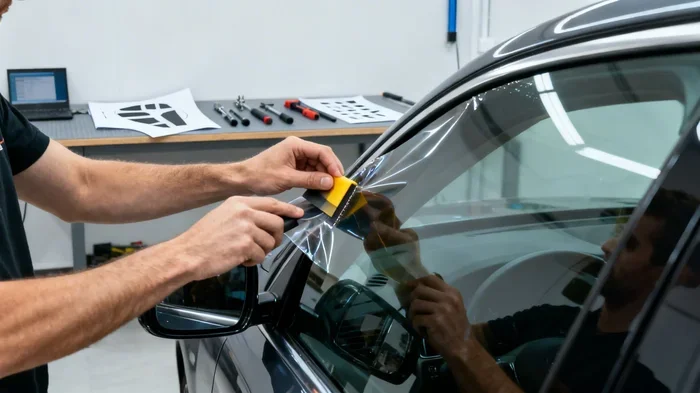
First, choose a professional installer with experience in dark tint applications. 0 percent tint is harder to install because the installer cannot see through the film easily. A skilled professional will know how to handle this and avoid common problems like bubbles, creases, or misalignment. Ask to see their portfolio or read reviews before you commit.
Second, be patient during the curing process. Dark tint takes longer to cure than lighter tint. You should avoid rolling down your windows for at least three to five days after installation. This gives the film time to bond properly with the glass. If you rush this step, you risk damaging the tint and reducing its lifespan.
Third, invest in a good quality cleaner for your tinted windows. Some cleaning products can damage tint film over time. Use a ammonia-free cleaner and a soft microfiber cloth. This will keep your 0 percent window tint looking great for years.
Finally, keep your tint paperwork handy. In many states, you need to carry proof that your tint is legal. This might include a tint certificate, a doctor’s note for medical exemptions, or a receipt from your installer. If you get pulled over, having this paperwork ready can save you from a ticket.
Final Thoughts on 0 Percent Window Tint
0 percent window tint is the most extreme option in the world of automotive tinting. It offers unmatched privacy, excellent heat rejection, and strong UV protection. But it also comes with real challenges. Legal restrictions, reduced night visibility, and potential safety concerns are all important factors to consider. Before you install 0 percent tint on your car, make sure you understand the rules in your area and think carefully about whether the benefits outweigh the downsides.
If you decide that 0 percent window tint is right for you, go with a high-quality film and a professional installer. This will give you the best results and the longest-lasting performance. And if you are not sure whether the darkest tint is for you, remember that there are many other tint darkness levels to choose from. You can always start with a lighter tint and go darker later. The most important thing is to make an informed choice that fits your needs, your budget, and the law.
Take the time to research your local window tint regulations, talk to a trusted installer, and weigh all the pros and cons. When you do, you will be confident in your decision. And that is what car window tinting is all about: making your car work better for you while staying safe and legal on the road.
Frequently Asked Questions
Can I drive with 0 percent window tint on my front windows?
In most states, 0 percent window tint is not legal on front side windows or the windshield. The rules vary by location, so you should always check your local window tint laws before applying the darkest tint to any window you use while driving.
What is the difference between 0 percent tint and 5 percent tint?
The difference is small but meaningful. 0 percent tint blocks nearly all light, while 5% tint lets in a tiny amount. In practice, both look extremely dark, but 5% tint is slightly easier to see through and may be legal in a few more situations than 0 percent tint.
Does 0 percent window tint block UV rays effectively?
Yes, high-quality 0 percent window tint blocks a very high percentage of harmful UV rays. This is one of the biggest benefits of using the darkest tint. It protects your skin and helps keep your car interior from fading or cracking due to sun exposure.
Can I get a medical exemption for 0 percent tint?
Some states allow medical tint exemptions for people with conditions that make them sensitive to sunlight. If you qualify, you may be able to use 0 percent window tint legally on front windows. You will need a doctor’s recommendation and a permit from your state’s DMV or equivalent agency.
How long does 0 percent window tint last?
With professional installation and high-quality tint film, 0 percent window tint can last five to ten years or even longer. The lifespan depends on the brand of film, the quality of installation, and how well you maintain the tinted windows. Avoid harsh cleaners and give the film time to cure properly.
Is 0 percent window tint worth the cost?
It depends on your priorities. If you value maximum privacy, heat rejection, and a bold look, 0 percent window tint is worth the investment. However, if you drive a lot at night or live in an area with strict tint laws, you may want to consider a lighter tint darkness level that offers great benefits without the downsides.