Why Does My Key Fob Have a Trunk Button on Your Car
Your key fob trunk button is a convenience feature designed to let you open your car trunk without using your hands. It uses a remote keyless entry system to send a signal to your vehicle’s trunk release mechanism. Whether you carry groceries, luggage, or sports gear, this key fob function saves time and effort every single day.
Have you ever stood at your car with arms full of grocery bags and wished you could just open the trunk without putting everything down? That is exactly what the trunk button on your key fob is designed to do. It is one of those small features that makes a huge difference in your daily routine. Once you understand how it works and why it is there, you will never take it for granted again.
The key fob trunk button is more than just a tiny plastic nub on your remote. It is part of a smart vehicle convenience system that connects wirelessly to your car. In this article, we will explore everything about this handy feature. You will learn how it works, which cars have it, why it matters, and how to keep it functioning smoothly for years to come.
Key Takeaways
- Hands-Free Convenience: The trunk button lets you open your trunk without fumbling for keys or putting anything down.
- Universal Feature: Most modern vehicles include a trunk button, though its placement and function vary by manufacturer.
- Simple Technology: The button works through a remote keyless entry signal that communicates with your car’s computer.
- Safety Matters: Always use the trunk button carefully, especially around children and pets.
- Easy Maintenance: Keeping your key fob clean and the battery fresh ensures the trunk button works reliably.
- Customizable Settings: Many cars let you adjust how the trunk button behaves through your vehicle’s settings menu.
📑 Table of Contents
- What Is a Trunk Button on a Key Fob?
- How Does the Trunk Release Button Work?
- Which Cars Have a Trunk Button on the Key Fob?
- Benefits of Having a Trunk Button on Your Key Fob
- Common Issues with the Trunk Button on Your Key Fob
- Tips for Maintaining Your Key Fob Trunk Button
- Expert Insights on the Key Fob Trunk Button
- Key Takeaways
- Conclusion
What Is a Trunk Button on a Key Fob?
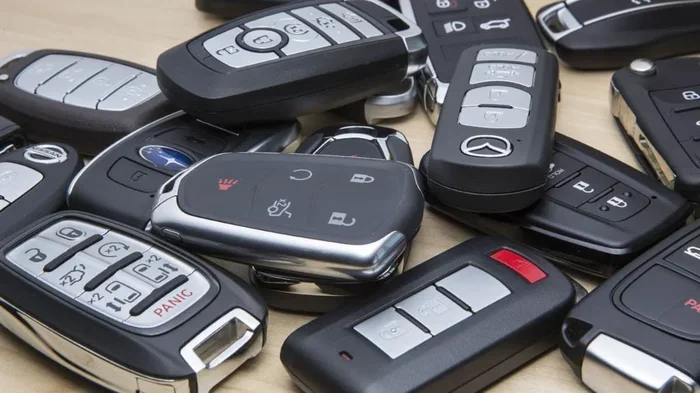
A trunk button is a dedicated key on your car remote that sends a signal to open the trunk. It is usually located near the top of the key fob, often marked with a small trunk icon. When you press it, your car receives the signal and unlocks the trunk latch. This process happens in seconds and requires no physical contact with your vehicle.
Not all key fobs look the same. Some have a raised button, while others are flush with the surface. The design depends on the car manufacturer and the model year. But the purpose remains the same across all vehicles. It gives you remote trunk access without needing to insert the key or press multiple buttons.
The trunk release button is part of the broader keyless entry system that most modern cars use today. This system includes locking, unlocking, and trunk release functions all managed by a single remote device. The technology behind it is surprisingly simple, even though the results feel magical when you are carrying heavy bags.
How Is It Different from the Unlock Button?
The trunk button and the unlock button serve different purposes. The unlock button opens all the doors and sometimes the windows. The trunk button only opens the trunk or tailgate. Some cars also have a hands-free trunk feature that opens when you wave your foot under the bumper. The key fob trunk button is a backup for that, and it works even when you are far from the car.
Here are some key differences between the two buttons:
- Unlock Button: Opens doors and may trigger the alarm disarm sequence.
- Trunk Button: Opens only the trunk or liftgate, leaving the doors locked.
- Lock Button: Secures all doors and the trunk simultaneously.
- Panic Button: Activates the car alarm to alert nearby people.
Understanding these differences helps you use each button correctly. It also prevents accidental trunk openings when you only meant to lock or unlock the doors.
How Does the Trunk Release Button Work?
The technology behind the key fob trunk button is straightforward. When you press the button, the key fob sends a coded radio signal to your car. The car’s onboard computer receives the signal, verifies the code, and then triggers the trunk release mechanism. The entire process takes less than a second.
Each car manufacturer uses a unique rolling code system for security. This means the signal changes every time you press the button. It prevents thieves from copying your signal and gaining unauthorized access to your trunk. This vehicle security feature has been standard in most cars since the early 2000s.
The Signal Path: From Key Fob to Trunk
Let us walk through the process step by step. First, you press the trunk button on your key fob. The fob’s battery powers a small transmitter that sends a radio frequency signal. Your car has an antenna that picks up this signal. The car’s computer checks the code against a stored list of valid codes. If the code matches, the computer sends an electrical signal to the trunk latch. The latch releases, and the trunk opens.
Here is a simple breakdown of the steps:
- You press the trunk button on the key fob.
- The fob transmits a coded radio signal.
- The car antenna receives the signal.
- The onboard computer verifies the code.
- The trunk release motor activates.
- The trunk lid pops open.
This entire sequence happens so fast that you barely notice it. But each step is critical. If any part of the chain fails, the trunk will not open. That is why a weak fob battery or a faulty antenna can cause problems with the trunk button.
Why Does the Signal Need to Be Coded?
Security is the main reason. In the early days of remote keyless entry, signals were not encrypted. Thieves could easily intercept and replicate them. Modern cars use encrypted rolling codes that change with every press. This makes it nearly impossible for someone to clone your signal and open your trunk.
The electronic lock system in your car works hand in hand with the key fob. When the trunk button is pressed, the system ensures that the car is in the correct state to receive the command. If the car is already unlocked, it will still open the trunk. If the car is locked, it may unlock the trunk but keep the doors locked, depending on your vehicle’s settings.
Which Cars Have a Trunk Button on the Key Fob?
Most modern vehicles come equipped with a trunk release button on the key fob. This includes cars from nearly every major manufacturer. Whether you drive a sedan, SUV, truck, or minivan, there is a good chance your remote has a trunk button.
Here are some popular brands that include the trunk button on their key fobs:
- Toyota: Nearly all Toyota models feature a trunk button on the key fob, including the Camry, RAV4, and Highlander.
- Honda: Honda vehicles like the Accord, CR-V, and Civic include a dedicated trunk release key.
- Ford: Ford trucks and SUVs such as the F-150, Explorer, and Escape all have trunk buttons on their remotes.
- Chevrolet: Chevy models including the Silverado, Equinox, and Tahoe offer trunk buttons on the key fob.
- BMW: BMW remotes include a trunk button, and some models offer a hands-free power liftgate as well.
- Ford: Ford trucks and SUVs such as the F-150, Explorer, and Escape all have trunk buttons on their remotes.
However, not every car has one. Some older models or budget vehicles may not include a trunk button on the remote. In those cases, you may need to use the key directly or unlock the doors first before accessing the trunk release inside the car.
Luxury vs. Economy Vehicles
Luxury vehicles often include advanced power liftgate features alongside the trunk button. These allow you to adjust the trunk height and set it to open fully or partially. Economy vehicles may have a simpler setup. The trunk button still works, but it may only trigger a basic release without any height adjustment.
Here is a quick comparison of trunk button features across vehicle types:
- Economy Cars: Basic trunk release, usually opens the trunk fully.
- Mid-Range Cars: Trunk release with possible power liftgate support.
- Luxury Cars: Advanced hands-free trunk access, height adjustment, and memory settings.
No matter what type of car you drive, the trunk button serves the same core purpose. It provides quick and easy access to your trunk without extra effort.
Benefits of Having a Trunk Button on Your Key Fob
The trunk button on key fob is not just a luxury. It is a practical feature that adds real value to your daily life. Here are the main benefits you get from having this convenience feature built into your remote.
Hands-Free Convenience
The biggest advantage is convenience. When your hands are full, you do not need to put anything down just to open the trunk. You can keep holding your bags, suitcases, or groceries and press the button from a few feet away. This hands-free trunk access saves time and reduces frustration, especially during busy mornings or after a long shopping trip.
Think about how often you carry multiple items to your car. Without the trunk button, you would need to set everything down, fumble for the key, unlock the car, and then open the trunk. With the button, you can open the trunk while still holding everything in your hands.
Improved Vehicle Security
The trunk button is also a vehicle security feature. Since the trunk opens separately from the doors, you can load items into the trunk without unlocking the passenger cabin. This is especially useful when you are loading valuables or equipment. The doors stay locked, and only the trunk is accessible.
Some car owners worry that a trunk button could be a security risk. But modern smart key systems use encrypted signals that are very difficult to hack. As long as you keep your key fob safe and replace the battery on time, your trunk remains secure.
Quick Access for Emergency Situations
In an emergency, the trunk button can be a lifesaver. If you need to quickly access emergency supplies stored in the trunk, you do not have to unlock the entire car. Just press the trunk button and go. This is especially helpful during roadside emergencies or severe weather situations.
Time Savings in Daily Routines
Small time savings add up over weeks and months. Every time you load or unload your car, the trunk button saves you at least a few seconds. Over a year, those seconds turn into minutes. For busy parents, delivery workers, or anyone who uses their car frequently, this adds up to meaningful convenience.
Common Issues with the Trunk Button on Your Key Fob
Like any electronic feature, the key fob trunk button can develop problems over time. Most issues are minor and easy to fix. Here are the most common problems car owners face and what you can do about them.
Trunk Button Not Working
The most common reason a trunk button stops working is a weak battery in the key fob. The fob battery typically lasts two to three years. When it gets low, the signal strength decreases, and the trunk button may stop responding. Replacing the battery is usually a simple fix that costs just a few dollars.
Other reasons the trunk button might fail include:
- Faulty key fob circuitry: Internal damage from drops or water exposure.
- Car antenna issues: The antenna that receives the signal may be damaged.
- Trunk latch malfunction: The mechanical release mechanism may be jammed.
- Software glitch: The car’s computer may need a reset.
Accidental Trunk Openings
Sometimes the trunk button gets pressed accidentally when the key fob is in your pocket or bag. This can lead to an open trunk and lost items. To prevent this, some cars offer a trunk button lockout feature. Check your vehicle’s manual to see if this option is available for your model.
Interference from Other Remotes
If you have multiple key fobs for the same car, pressing the trunk button on one fob might not work if another fob is nearby. This is rare but can happen. To fix it, simply move closer to the car and try again. Keeping your fobs in separate locations can also help reduce interference.
Tips for Maintaining Your Key Fob Trunk Button
Taking care of your key fob ensures the trunk button works reliably for years. Here are some simple maintenance tips every car owner should follow.
Replace the Battery Regularly
The key fob battery is the lifeblood of the remote trunk release system. Most fobs use a CR2032 coin battery, which is widely available and inexpensive. Replace the battery every two to three years, or sooner if you notice the range decreasing. Signs of a weak battery include pressing the button multiple times before it works or needing to be very close to the car.
Keep the Key Fob Clean
Dirt and grime can build up around the trunk button over time. Use a soft, damp cloth to wipe the key fob regularly. Avoid using harsh chemicals or soaking the fob in water. A clean fob ensures the buttons respond properly and the signal transmits clearly.
Store the Key Fob Properly
Avoid dropping your key fob or exposing it to extreme heat or moisture. Keep it in a designated pocket or pouch. If the fob gets wet, dry it immediately and let it air out. Water damage can affect the circuitry and cause the trunk button to malfunction.
Update Your Car Software
Many modern vehicles receive software updates that improve key fob performance. Check with your dealer or consult your owner’s manual to see if software updates are available for your car. These updates can fix bugs and improve the reliability of the trunk button and other remote functions.
Expert Insights on the Key Fob Trunk Button
Automotive experts agree that the trunk button is one of the most underappreciated features on a modern key fob. According to car technology specialists, the remote trunk open function has evolved significantly over the past two decades. Early versions were simple mechanical releases. Today, they are integrated into sophisticated smart key systems that offer programmable settings and enhanced security.
Experts also recommend that car owners familiarize themselves with all the functions of their key fob. Many drivers only use the lock and unlock buttons and ignore the trunk button entirely. Taking a few minutes to test and understand every button can help you troubleshoot issues quickly and use your car more efficiently.
One tip from seasoned mechanics is to always carry a spare key fob. If your primary fob’s trunk button fails, a backup fob can save you from being stranded. Most dealerships can program a spare fob for a reasonable cost, and it is well worth the peace of mind.
Key Takeaways
- Hands-Free Convenience: The trunk button lets you open your trunk without fumbling for keys or putting anything down.
- Universal Feature: Most modern vehicles include a trunk button, though its placement and function vary by manufacturer.
- Simple Technology: The button works through a remote keyless entry signal that communicates with your car’s computer.
- Safety Matters: Always use the trunk button carefully, especially around children and pets.
- Easy Maintenance: Keeping your key fob clean and the battery fresh ensures the trunk button works reliably.
- Customizable Settings: Many cars let you adjust how the trunk button behaves through your vehicle’s settings menu.
Conclusion
The trunk button on your key fob is a small but mighty feature that makes everyday life easier. It provides quick, secure, and convenient access to your trunk without requiring you to put anything down or fumble with keys. Whether you are loading groceries, luggage, or sports equipment, this button saves you time and effort every single day.
Understanding how the key fob trunk button works helps you appreciate the technology behind it. It also empowers you to troubleshoot issues when they arise and maintain your fob properly for long-lasting performance. From the rolling code security system to the simple convenience of hands-free trunk access, this feature is a great example of how thoughtful design improves the driving experience.
Take a moment to test your trunk button today. Make sure it works smoothly and that you know how to use all the features it offers. A little attention to this small detail can make a big difference in how you interact with your vehicle every day.
If you ever experience issues with the trunk button, start with the simplest fix: check the battery. In most cases, a fresh battery solves the problem immediately. And if the issue persists, consult your owner’s manual or visit a trusted mechanic. Your key fob is a powerful tool, and the trunk button is one of its most useful functions.
Frequently Asked Questions
Can I add a trunk button to my key fob if my car does not have one?
In most cases, yes. Aftermarket key fobs are available that include a trunk button. You can purchase one and have it programmed to your vehicle by a dealer or a locksmith. Check compatibility with your car model before buying.
Why does my trunk button only work when I am close to the car?
This usually means the key fob battery is low. A weak battery reduces the signal range, so you need to be closer for the fob to communicate with the car. Replacing the battery should restore full range.
Is it safe to leave the trunk open using the button?
It is safe, but always make sure the trunk is fully closed and latched when you leave the vehicle. An open trunk can trigger the car alarm and may allow rain or debris to enter the trunk. Always double-check before walking away.
Can the trunk button be programmed to work differently on different cars?
Yes, many newer vehicles allow you to customize the trunk button behavior through the infotainment system. You can set it to open the trunk fully, partially, or not at all. Refer to your vehicle’s manual for programming instructions.
What should I do if the trunk button gets stuck or feels unresponsive?
First, try replacing the key fob battery. If that does not work, clean around the button to remove any debris. If the button still feels stuck, the fob may need professional repair or replacement. Contact your dealer for assistance.
Does the trunk button work when the car is locked?
In most vehicles, yes. The trunk button can open the trunk even when the car is locked. This is by design, so you can access the trunk without unlocking the passenger doors. However, some newer models require the car to be unlocked first.