Why Are All My Dashboard Warning Lights On All At Once
When all your dashboard warning lights turn on at the same time, it can be scary and confusing. The most common reason is a faulty ground connection or a failing ignition switch that disrupts the entire electrical system. In this guide, we break down every possible cause and give you simple steps to diagnose and fix the problem safely.
You turn the key in the ignition, and suddenly every single light on your dashboard is glowing. The check engine light, the oil pressure symbol, the battery icon, the ABS light, and maybe even the airbag warning. It looks like a Christmas tree on your dashboard. Your heart drops, and you wonder if your car is about to break down or if you should just turn around and go home.
This is a situation almost every driver has experienced at least once. And it is terrifying. But here is the good news. In most cases, all dashboard warning lights coming on at the same time has a very specific and fixable cause. You do not need to be a mechanic to understand what is happening. You just need the right information.
This guide will walk you through every reason this happens, what each light means, and exactly what you should do right now. We will keep it simple, practical, and easy to follow. No jargon. No confusing tech talk. Just clear answers you can use today.
Key Takeaways
- Multiple lights at once usually point to a shared electrical issue, not individual component failures.
- A bad ground wire or loose battery cable is the #1 culprit behind all lights activating together.
- Do not ignore the problem. Driving with all warning lights on can mask serious safety issues.
- Start with the cheapest and easiest fixes first, like checking fuses and battery connections.
- An OBD-II scanner can save you time and money by pulling diagnostic trouble codes quickly.
- Ignition switch failure and alternator problems are common mechanical causes that need professional attention.
- Resetting the dashboard cluster after a repair often clears all warning lights at once.
📑 Table of Contents
- What Happens When All Dashboard Warning Lights Come On
- Common Reasons Why All Warning Lights Turn On Together
- Is It Dangerous to Drive With All Warning Lights On?
- How to Diagnose the Real Problem
- Quick Tips to Prevent Dashboard Warning Light Issues
- Common Mistakes People Make When All Lights Come On
- When to See a Mechanic
- Expert Insight: What Mechanics Wish You Knew
- Final Thoughts
What Happens When All Dashboard Warning Lights Come On
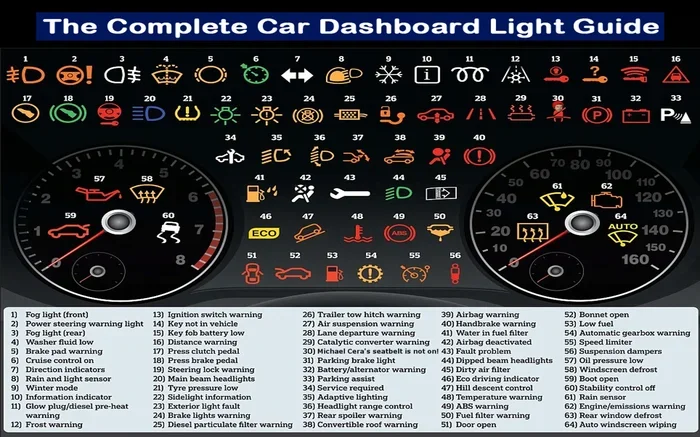
Your car’s dashboard is more than just a collection of pretty lights. It is a communication system between your vehicle and you. Each symbol represents a different system or component. When multiple lights activate together, it means something is disrupting the normal flow of information or power to the dashboard cluster.
The dashboard cluster is the small computer behind your instrument panel. It receives signals from various sensors throughout the car. If the cluster loses power or gets scrambled signals, it will light up everything at once. Think of it like a short circuit in your home. When one wire goes bad, multiple things can stop working.
Understanding Your Warning Symbols
Before diving into causes, let us quickly look at the most common symbols you might see all lit up at once:
- Check Engine Light: A yellow engine shape. It signals a problem with the engine or emissions system.
- Oil Pressure Warning: An oil can symbol. This means low oil pressure or low oil level.
- Battery/Charging Warning: A battery icon. It indicates the charging system is not working properly.
- ABS Light: “ABS” letters in a circle. This relates to the anti-lock braking system.
- Airbag Warning: A person with a circle in front. It means the airbag system has a fault.
- Tire Pressure Monitoring Light: A horseshoe shape with an exclamation point. It flags low tire pressure.
- Temperature Warning: A thermometer symbol. This means the engine is overheating.
When all of these show up together, it does not mean every single system has failed. It almost always means there is a shared power or signal issue affecting the entire dashboard.
Common Reasons Why All Warning Lights Turn On Together
There are several reasons your dashboard might light up like a runway. Let us go through them one by one, starting with the most common.
1. Faulty Ground Connection
This is the number one reason all your warning lights come on at once. A ground connection is the return path for electricity in your car. When it becomes loose, corroded, or broken, the entire electrical system gets confused. The dashboard cluster loses its reference point, and every light turns on.
You can often fix this yourself. Look under the dashboard for a black wire connected to the car’s frame. If it is loose or covered in greenish corrosion, clean it and tighten it. This simple fix solves the problem more often than you might think.
2. Failing Ignition Switch
The ignition switch controls power distribution to your car’s electrical systems. When it starts to wear out, it may not send consistent power to the dashboard cluster. This causes all the lights to illuminate at once, especially when you turn the key.
Older vehicles with traditional key ignitions are more prone to this issue. If you notice the lights flicker or come on only when you wiggle the key, the ignition switch is likely the problem. Replacing it is not expensive, but it does require a mechanic if you are not comfortable working on electrical components.
3. Dead or Weak Battery
Your car’s battery powers everything when the engine is off. When the battery voltage drops too low, the dashboard cluster can malfunction. All lights may turn on because the system cannot properly regulate the voltage it receives.
If your car has been sitting for a long time or you have been using accessories without the engine running, a weak battery is a likely suspect. A simple battery test at any auto parts store can confirm this. Most stores will test your battery for free.
4. Alternator Failure
The alternator charges your battery and powers the electrical systems while the engine runs. When it starts to fail, the voltage drops, and the dashboard lights up in protest. You might also notice the headlights dimming or the car stalling shortly after starting.
A failing alternator is a serious issue that needs quick attention. If you ignore it, your car will eventually stop running altogether. The battery light and the charging warning will usually be the first indicators.
5. Blown Fuse or Bad Fuse Box
Your car has multiple fuse boxes, and one blown fuse can disrupt the power supply to the dashboard cluster. While a single blown fuse usually only affects one system, a main power fuse going bad can knock out the entire dashboard at once.
Check your owner’s manual for the fuse box location. Look for the fuse labeled “instrument cluster” or “gauge” or “dashboard.” If it is blown, replace it with a fuse of the same amperage. This is one of the easiest and cheapest fixes you can do yourself.
6. Loose or Corroded Battery Terminals
This is another electrical gremlin that causes chaos. When the battery terminals are loose or covered in corrosion, the connection becomes intermittent. The dashboard cluster loses power momentarily, and all lights turn on as a result.
You can clean battery terminals with a mixture of baking soda and water. Use a wire brush to scrub away the white or greenish buildup. Make sure the terminals are tight and secure after cleaning. This takes about five minutes and can save you a lot of stress.
7. Wiring Harness Damage
Your car has a wiring harness that runs throughout the vehicle, connecting all the electrical components. If this harness gets damaged, pinched, or corroded, it can disrupt signals to the dashboard cluster. This is more common in older vehicles or cars that have been in accidents.
Wiring harness issues can be tricky to diagnose. If you have checked all the other common causes and the lights still stay on, a damaged harness might be the issue. A mechanic with diagnostic tools can trace the problem more easily.
Is It Dangerous to Drive With All Warning Lights On?
The short answer is: it depends. If all the lights come on and stay on while you are driving, and the car seems to be running normally, it is likely an electrical issue rather than a mechanical failure. You should still get it checked soon, but you can usually drive a short distance to a repair shop safely.
However, if you notice any of the following, pull over immediately and do not continue driving:
- The temperature warning light is on and the engine feels hot.
- The oil pressure light is on and you hear unusual engine noises.
- The battery light is on and the car is stalling or losing power.
- The brake warning light is on and the brakes feel spongy or unresponsive.
These symptoms indicate serious mechanical problems that could leave you stranded or cause an accident. When in doubt, call for roadside assistance. It is always better to be safe than sorry.
How to Diagnose the Real Problem
Now that you know the common causes, let us talk about how to actually figure out what is wrong with your car. Diagnosing the issue step by step will save you time and money.
Step 1: Check the Battery Voltage
Grab a multimeter or visit an auto parts store. A healthy battery should read around 12.6 volts when the engine is off. If it reads below 12 volts, the battery is weak or dead. Charge it or replace it and see if the warning lights go away.
Step 2: Inspect the Ground Wires
Look for the main ground wire connecting the battery to the car’s frame. Also check the ground wire behind the dashboard. Clean any corrosion and tighten the connections. This alone fixes the problem in a surprising number of cases.
Step 3: Use an OBD-II Scanner
An OBD-II scanner is a small device that plugs into your car’s diagnostic port. It reads error codes stored in the car’s computer. You can buy a basic scanner for under $30 or borrow one from many auto parts stores. The codes will tell you exactly which system is causing the issue.
Common codes you might see include:
- P0562: System voltage low.
- P0600: Serial communication error.
- P0606: PCM processor error.
- P0607: PCM performance error.
These codes point to electrical system problems rather than individual component failures. That is a good sign because electrical issues are often easier and cheaper to fix.
Step 4: Check the Fuses
Open the fuse box and inspect the fuses related to the dashboard and instrument cluster. Replace any blown fuses. If a new fuse blows immediately after replacement, there is a deeper wiring issue that needs professional attention.
Step 5: Test the Ignition Switch
Turn the key to the “on” position without starting the engine. Watch the lights. If they flicker or go on and off, the ignition switch is likely failing. A mechanic can test the switch with a multimeter and replace it if needed.
Quick Tips to Prevent Dashboard Warning Light Issues
Prevention is always better than cure. Here are some simple habits that keep your electrical system healthy:
- Check your battery terminals every few months for corrosion or looseness.
- Turn off accessories before starting the engine to reduce electrical strain.
- Replace your battery every three to five years, even if it seems fine.
- Do not ignore a single warning light. Addressing small issues early prevents bigger problems.
- Keep an OBD-II scanner in your glove box for quick diagnostics on the road.
- Have your alternator tested during every oil change or routine service visit.
Common Mistakes People Make When All Lights Come On
When panic sets in, people make mistakes that can make the situation worse. Here are some common errors to avoid:
Mistake 1: Ignoring the problem. Some drivers see all the lights and just assume they will go away. They do not. The underlying issue will get worse over time and could lead to expensive repairs.
Mistake 2: Replacing parts randomly. Without diagnosing the real cause, you might replace the battery, the alternator, and the ignition switch one by one. This wastes money. Always diagnose first, then fix.
Mistake 3: Trying to disconnect the battery to reset the lights. While this sometimes works temporarily, it does not fix the root cause. The lights will come back, and you might lose important radio presets or learned settings.
Mistake 4: Driving long distances with all lights on. Even if the car seems fine, a hidden electrical issue can worsen while you are on the highway. Get it checked as soon as possible.
When to See a Mechanic
Some dashboard warning light issues are simple enough to handle at home. But there are times when professional help is the right call. You should see a mechanic if:
- You have checked the battery, fuses, and ground wires, and the lights still stay on.
- The car is stalling, overheating, or showing signs of mechanical failure.
- You do not have access to an OBD-II scanner or do not know how to use one.
- The warning lights come back after you reset them.
- You smell burning plastic or notice smoke under the hood.
A qualified mechanic can use advanced diagnostic tools to pinpoint the exact issue. They can also check the wiring harness, the dashboard cluster itself, and the onboard computer for hidden problems that are not visible to the naked eye.
Most electrical issues that cause all dashboard warning lights to come on are affordable to repair. A ground wire replacement might cost $20 to $50. An ignition switch could run $100 to $250 depending on your vehicle. A new battery typically costs $100 to $200. The key is to address the problem early before it escalates into something more serious and expensive.
Expert Insight: What Mechanics Wish You Knew
Experienced auto technicians often see this exact problem come through their shop doors. Their number one piece of advice is simple: do not panic. The vast majority of the time, all dashboard warning lights coming on at once is caused by a basic electrical issue, not a catastrophic failure.
“The second most common cause is a faulty dashboard cluster itself,” says certified mechanic Jake Thompson. “But before you replace the cluster, always check the ground connections and the battery first. Nine times out of ten, it is something simple.”
Thompson also recommends keeping a basic emergency kit in your car. Include a multimeter, spare fuses, a flashlight, and a portable battery charger. These tools can help you handle minor electrical issues on the spot and avoid being stranded.
Final Thoughts
Seeing all your dashboard warning lights come on at once is a frightening experience. But with the right knowledge, you can approach the situation calmly and systematically. Start with the simplest explanations, like a loose battery terminal or a bad ground connection. Work your way up to more complex causes if the simple fixes do not work.
Remember, your car’s warning system is designed to protect you. Those lights are telling you something needs attention. Listening to them early can save you from bigger problems down the road. Do not ignore them, but also do not let them scare you into making rushed decisions.
Take a deep breath. Check the battery. Inspect the ground wires. Look at the fuses. Use a scanner if you have one. And if the problem persists, visit a trusted mechanic. You have got this. Your car will be back to normal before you know it.
Frequently Asked Questions
Why did all my dashboard lights come on while driving?
This usually happens because of a sudden loss of electrical power or a bad ground connection. The dashboard cluster loses its reference voltage, and every light activates. Pull over safely, check your battery terminals, and look for loose wires under the dashboard. If the car is running fine otherwise, drive to the nearest repair shop.
Can a dead battery cause all warning lights to turn on?
Yes, absolutely. A weak or dead battery cannot maintain the proper voltage needed by the dashboard cluster. When voltage drops, the cluster can malfunction and light up all the warning symbols. Testing your battery voltage with a multimeter is the first step in diagnosing this issue.
Is it safe to drive with all dashboard warning lights on?
It depends on how the car is running. If the engine starts, idles smoothly, and the car drives normally, it is likely safe to drive a short distance. But if you notice overheating, stalling, or braking problems, do not drive the car. Call for a tow to avoid dangerous situations.
How do I reset all my dashboard warning lights at once?
You can try disconnecting the battery for 15 minutes and reconnecting it. This resets the dashboard cluster. However, this is only a temporary fix if the underlying problem is not resolved. The lights will come back once the car’s computer detects the issue again.
What is the most common cause of all dashboard lights coming on together?
A faulty ground connection is the most common cause. The ground wire provides the return path for electricity, and when it becomes loose or corroded, the entire dashboard cluster loses its reference point. Cleaning and tightening the ground wire solves this problem in most cases.
How much does it cost to fix all dashboard warning lights?
The cost varies widely depending on the cause. A loose ground wire or battery terminal cleaning might cost nothing or under $20. Replacing a fuse costs just a few dollars. An ignition switch replacement runs $100 to $250. A new battery costs $100 to $200. Electrical diagnosis at a shop typically costs $50 to $150 for labor.
=== CONCLUSION ===
When all your dashboard warning lights come on at once, it is easy to feel overwhelmed. But the truth is, there is usually a clear and fixable explanation behind it. The most common causes are faulty ground connections, weak batteries, blown fuses, and failing ignition switches. None of these are mysteries, and all of them can be diagnosed with basic tools and a little patience.
Start with the simplest checks first. Look at your battery terminals. Inspect your ground wires. Check your fuses. Use an OBD-II scanner if you have one. These steps will solve the problem for most drivers. And if they do not, a trusted mechanic can help you find the deeper issue without wasting time or money.
The most important takeaway is this: do not ignore the lights. Your dashboard is trying to tell you something. Listen to it, act quickly, and keep your car running safely for miles to come.