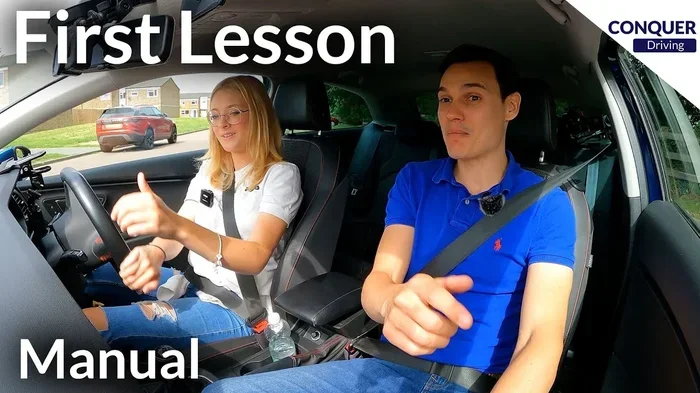
How to Drive a Car for Beginners Everything You Need
Learning how to drive a car for beginners does not have to be scary or overwhelming. This complete guide walks you through every step, from adjusting your seat to mastering parallel parking. You will learn car controls, road rules, and practical tips that build real confidence behind the wheel.
Driving a car for the first time can feel exciting and terrifying at the same time. The steering wheel, pedals, mirrors, and gears can all seem like a lot to handle. But here is the good news. Anyone can learn to drive with the right approach and a little patience.
This guide is designed for complete beginners who want to understand how to drive a car from scratch. We will cover everything from basic car controls to real-world driving tips. By the end, you will have a clear roadmap to build your skills and drive with confidence.
Learning how to drive a car for beginners is not about being perfect on day one. It is about understanding the fundamentals, practicing regularly, and staying safe on the road. Whether you drive a manual or automatic car, this guide has you covered.
Key Takeaways
- Start with the basics: Understanding your car’s controls is the first step to becoming a safe driver.
- Practice in safe spaces: Empty parking lots and quiet roads are perfect for building your skills.
- Master the clutch and gears: Smooth gear shifting makes driving a manual car much easier.
- Follow traffic rules: Knowing road signs and speed limits keeps you and others safe.
- Parking takes practice: Parallel parking, reverse parking, and angle parking all improve with repetition.
- Stay calm and patient: Driving anxiety is normal, and it fades with experience.
- Get professional lessons: A certified instructor can fast-track your learning and correct bad habits early.
📑 Table of Contents
Get to Know Your Car Before You Start Driving
Before you turn the key, you need to feel comfortable inside the car. Sitting in a driver seat for the first time can be overwhelming. But once you know where everything is, it all starts to make sense.
Adjust Your Seat and Mirrors
Start by adjusting your seat so your feet can reach the pedals comfortably. Your knees should have a slight bend when the pedals are fully pressed. Your hands should rest naturally on the steering wheel with your arms slightly bent.
Next, adjust your mirrors. The rearview mirror gives you a view straight out the back window. Your side mirrors should show a small part of the car door and most of the lane beside you. Proper mirror placement reduces blind spots, which are areas you cannot see while driving.
Quick Tip: Spend a few minutes just sitting in the car before you start the engine. Get familiar with the dashboard lights, the turn signal lever, and the windshield wipers. This small step makes a big difference.
Learn the Pedals
In a manual car, you have three pedals: the clutch, the brake, and the accelerator. From left to right, they are the clutch, brake, and gas. The clutch connects the engine to the wheels. You use it to change gears smoothly.
In an automatic car, there are only two pedals: the brake and the accelerator. The left foot stays on the floor at all times. This setup is simpler and great for beginners who want less to worry about.
Quick Tip: Press the pedals gently. Slamming on the brake or accelerator is a common mistake for new drivers. Smooth movements make for a smoother ride.
Understand the Steering Wheel
The steering wheel controls your direction. Hold it with both hands at the 9 and 3 o’clock positions. This grip gives you the best control. When you turn, pull the wheel down with one hand while the other hand guides it smoothly.
Do not cross your hands over the center of the wheel. It feels natural at first, but it reduces your control. Keep your hands on the wheel at all times when the car is moving.
Start the Engine and Move the Car
Now that you know the basics, it is time to actually start driving. This is where many beginners feel nervous, but it really is simpler than it looks.
Starting a Manual Car
To start a manual car, press the clutch pedal all the way down. Make sure the gear shift is in neutral. Then turn the key or press the start button. The engine will hum to life.
To move forward, press the clutch down and shift into first gear. Slowly release the clutch while gently pressing the accelerator. This is called the “bite point.” It is the sweet spot where the car starts to move. Practice finding the bite point in a quiet, empty parking lot.
Starting an Automatic Car
Starting an automatic car is much easier. Press the brake pedal, shift the gear to “P” for park, and start the engine. Then shift to “D” for drive, release the brake, and the car will start to move slowly. You only need to control the accelerator and brake.
Quick Tip: Always press the brake before starting the engine. This is a safety rule that prevents the car from lurching forward unexpectedly.
Master the Gear Shifting Process
If you are driving a manual car, gear shifting is one of the most important skills you will learn. It takes practice, but once you get the hang of it, it becomes second nature.
The Gear Pattern
Most manual cars have five or six forward gears and one reverse gear. The gear pattern is usually printed on the gear shift knob. First gear is typically in the upper left. Second gear is directly below it. Third gear is to the right and up, fourth gear is directly below third, and fifth gear is up and to the right.
Take your time learning the pattern. Looking down at the gear shift for the first few weeks is perfectly fine. Do not worry about looking polished. Focus on driving safely.
When to Shift Gears
You shift up to a higher gear as your speed increases. A general rule is:
- First gear: For starting and moving at very low speeds (0 to 10 mph).
- Second gear: For slow city driving (10 to 20 mph).
- Third gear: For moderate speeds (20 to 30 mph).
- Fourth gear: For faster roads (30 to 45 mph).
- Fifth gear: For highway driving (45 mph and above).
Shift down when you slow down or need more engine power going uphill. Always match your gear to your speed. Shifting too early can stall the engine. Shifting too late can strain the motor.
Stalling the Car
Stalling happens when the engine shuts off because you released the clutch too quickly or forgot to press it. It is very common for beginners. If the car stalls, do not panic. Press the clutch and brake down, shift to neutral, and restart the engine.
Expert Insight: Stalling in traffic can feel embarrassing, but every experienced driver has done it. The key is to stay calm and handle it smoothly. Over time, you will learn to feel the clutch and avoid stalling altogether.
Follow Road Rules and Stay Safe
Knowing how to control the car is only half the battle. You also need to understand road rules and drive safely around other people on the road.
Learn the Basic Traffic Rules
Before you drive on real roads, study the traffic rules in your area. These rules cover speed limits, right-of-way, lane markings, and traffic signals. Knowing them helps you make smart decisions while driving.
Some key rules to remember include:
- Always obey speed limits. They are there to protect everyone on the road.
- Stop completely at red lights and stop signs.
- Use your turn signals when changing lanes or turning.
- Yield to pedestrians at crosswalks.
- Keep a safe distance from the car ahead of you.
Quick Tip: Practice reading road signs during your study time. Knowing what common signs mean before you see them on the road builds confidence and keeps you safe.
Defensive Driving Techniques
Defensive driving means always expecting the unexpected. Watch the cars around you. Check your mirrors frequently. Be ready to brake if someone suddenly stops or pulls out in front of you.
Keep a safe following distance of at least two to three seconds behind the car in front of you. This gives you enough time to react if they brake suddenly. In rain or fog, increase this distance even more.
Expert Insight: New drivers often focus only on the road directly in front of them. But good drivers scan the road ahead, check their mirrors every few seconds, and stay aware of what is happening around the entire car. This habit takes time to build, but it is one of the most valuable skills you can develop.
Handling Driving Anxiety
Feeling nervous when you first start driving is completely normal. Driving anxiety is very common among beginners. The key is to not let fear stop you from practicing.
Start with easy drives in low-traffic areas. Gradually work your way up to busier roads and highways. Having a trusted friend or family member ride with you can also help you feel more at ease.
Quick Tip: If you feel overwhelmed while driving, pull over safely and take a few deep breaths. There is no shame in slowing down. Safety always comes first.
Parking Made Simple
Parking is one of the trickiest parts of learning to drive. But with practice, it becomes much easier. There are three main types of parking you should learn.
Parallel Parking
Parallel parking means parking the car alongside the curb between two other cars. It can feel intimidating at first, but here is a simple method:
- Signal right and pull up alongside the car in front of the empty spot.
- When your rear bumper lines up with the other car’s rear bumper, turn the steering wheel sharply to the right.
- Slowly reverse into the spot, checking your mirrors and over your shoulder.
- When the car is at a 45-degree angle, turn the wheel sharply to the left.
- Continue reversing until the car is straight and parallel to the curb.
- Adjust forward or backward to center yourself in the spot.
Quick Tip: Use cones or plastic bottles to practice parallel parking in an empty lot. This lets you build muscle memory without the pressure of real traffic.
Reverse Parking and Angle Parking
Reverse parking involves backing into a parking space, usually in a lot or garage. You drive past the space, signal, and back in slowly while checking all around you.
Angle parking is when you turn into a space at an angle, usually found in shopping malls and parking lots. You slow down, signal, and steer smoothly into the open space.
Expert Insight: Always check your blind spots before parking. Walk around the car after parking to make sure you are not too close to the curb or other cars. This habit protects your car and shows respect for other drivers.
Practice, Practice, Practice
The single most important thing you can do to become a great driver is to practice regularly. No guide or video can replace real behind-the-wheel experience.
Create a Practice Plan
Set aside regular time to practice driving. Start with short sessions in quiet areas and gradually increase the length and difficulty of your drives. Here is a simple practice plan for beginners:
- Week 1: Practice starting, stopping, and steering in an empty parking lot.
- Week 2: Drive on quiet residential streets during off-peak hours.
- Week 3: Practice on busier roads and learn to navigate intersections.
- Week 4: Try highway driving and longer distances with a supervisor.
- Week 5 and beyond: Practice night driving, parking in real-world situations, and driving in different weather conditions.
Quick Tip: Keep a driving journal. Write down what you practiced, what went well, and what felt challenging. This helps you track your progress and focus on areas that need more work.
Consider Professional Driving Lessons
While practicing with a friend or family member is helpful, professional driving lessons offer structured learning and expert feedback. A certified driving instructor knows exactly what to teach and can correct bad habits before they become permanent.
Many driving schools offer packages for beginners that include both classroom instruction and behind-the-wheel training. Investing in a few lessons early on can save you from developing unsafe driving habits later.
Build Confidence Through Consistency
Confidence comes from repetition. The more you drive, the more natural everything feels. Do not compare your progress to others. Some people pick it up faster, and some need more time. Both are completely fine.
Remember that every expert driver was once a beginner. The fact that you are learning means you are already on the right path. Stay patient, stay curious, and keep showing up.
Common Mistakes Beginners Make and How to Avoid Them
Every new driver makes mistakes. The goal is to learn from them and avoid repeating them. Here are some common errors and how to fix them.
- Not checking mirrors often enough: Make it a habit to check your mirrors every 5 to 8 seconds. This keeps you aware of your surroundings at all times.
- Riding the clutch: In a manual car, keeping your foot on the clutch while driving wears it out. Only press the clutch when you are shifting gears.
- Braking too hard: Slamming the brake can cause skidding. Apply steady, firm pressure instead.
- Ignoring blind spots: Always do a quick shoulder check before changing lanes or turning. Mirrors do not show everything.
- Speeding up too fast: Accelerate gradually. Sudden acceleration wastes fuel and can be dangerous.
- Distracted driving: Put your phone away while driving. Even a quick glance at a text can cause an accident.
Quick Tip: If you make a mistake while driving, do not beat yourself up. Acknowledge it, learn from it, and move on. The best drivers are the ones who stay humble and keep improving.
Conclusion
Learning how to drive a car for beginners is a journey, not a destination. It takes time, patience, and plenty of practice. From understanding your car controls to mastering the road, every step you take brings you closer to becoming a confident and safe driver.
Start with the basics. Get comfortable with the pedals, the steering wheel, and the mirrors. Learn the gear shifting process if you drive a manual car. Study the road rules and practice defensive driving techniques. Take your time with parking. And above all, keep practicing regularly.
Driving is a skill that stays with you for life. The effort you put in now will pay off every time you get behind the wheel. So take a deep breath, adjust your seat, and enjoy the ride. You have got this.
Frequently Asked Questions
What is the best way to learn how to drive a car for beginners?
Start by learning the basic car controls in a safe, empty space like a parking lot. Practice starting, stopping, and steering until you feel comfortable. Then gradually move to quiet streets and busier roads. Taking professional driving lessons is also one of the best ways to build strong foundational skills.
How long does it take to learn driving as a beginner?
The timeline varies for everyone. Some people feel comfortable driving after a few weeks of practice, while others may need a few months. The key is to practice consistently and not rush the process. Most driving schools recommend 20 to 40 hours of practice before driving independently.
Should I learn to drive a manual or automatic car first?
Automatic cars are generally easier for beginners because they have fewer pedals and no gear shifting. However, learning to drive a manual car gives you more flexibility. If you only need to drive an automatic, start there. If you want to learn a manual, take it slow and focus on the clutch and gear timing.
What should I do if I get nervous while driving?
Nervousness is completely normal for new drivers. Pull over safely if you feel overwhelmed. Take deep breaths and remind yourself that you are learning. Start with short, simple drives in low-traffic areas and slowly build up to more challenging routes as your confidence grows.
How can I reduce driving anxiety as a beginner?
Practice in familiar areas first, always drive with a calm and supportive passenger, and avoid rush hour traffic until you feel ready. Listening to calming music can also help. Over time, as your skills improve, the anxiety will naturally decrease.
What are the most common mistakes new drivers should avoid?
The most common mistakes include not checking mirrors regularly, riding the clutch in a manual car, braking too hard, ignoring blind spots, speeding up too quickly, and getting distracted by phones. Being aware of these mistakes helps you avoid them and develop safer driving habits from the start.
=== SEO TITLE ===
How to Drive a Car for Beginners Everything You Need
=== META TITLE ===
How to Drive a Car for Beginners: Complete Guide
=== URL SLUG ===
how-to-drive-a-car-for-beginners
=== LSI KEYWORDS ===
driving lessons, car controls, steering wheel, clutch pedal, brake pedal, acceleration, driving license, traffic rules, rearview mirror, side mirrors, parking techniques, defensive driving, gear shifting, road signs, seat adjustment, blind spots, driving anxiety, parallel parking, three-point turn, driving practice