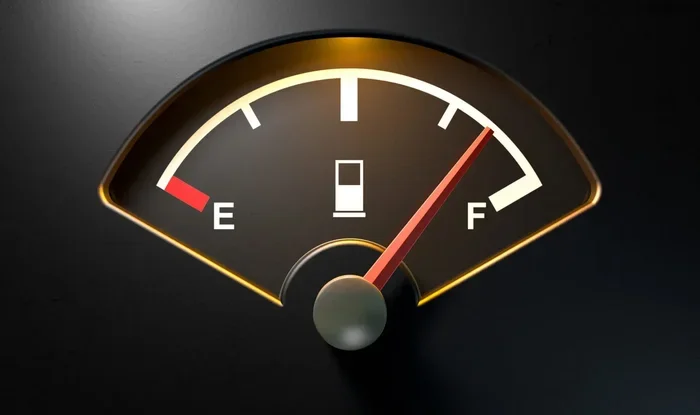
How Many Miles Can My Car Go on a Full Tank of Fuel
Knowing how many miles your car can go on a full tank helps you plan trips and avoid running out of fuel. Your driving range depends on fuel tank size, MPG rating, and driving conditions. This guide breaks down everything you need to calculate and maximize your vehicle’s fuel range.
Have you ever looked at your fuel gauge and wondered exactly how many miles you still have? Maybe you are heading out on a road trip and want to know if you can make it to the next gas station. Or perhaps you just bought a new car and are curious about its true driving range. Either way, understanding your car’s fuel capacity is one of the simplest yet most useful things every driver should know.
The answer to how many miles can my car go on a full tank depends on several factors. Your vehicle’s fuel tank capacity, its miles per gallon rating, your driving style, and even road conditions all play a role. In this guide, we will walk you through everything you need to know. You will learn how to calculate your range, compare different vehicle types, and discover practical tips to get the most out of every tank of gas.
Whether you drive a compact sedan, a full-size SUV, or a hybrid vehicle, this article has something for you. We will break down the math, share real-world examples, and answer the most common questions drivers have about fuel range. By the end, you will feel confident about planning your trips and never getting caught off guard by an empty tank.
Key Takeaways
- Fuel tank size and MPG rating are the two main factors that determine your car’s total driving range on a full tank.
- Highway driving generally gives you more miles per gallon than city driving due to steady speeds and less idling.
- You can calculate your range by multiplying your tank capacity by your vehicle’s average MPG.
- Driving habits matter a lot — smooth acceleration, steady speeds, and proper tire pressure all improve fuel economy.
- Hybrid and electric vehicles offer significantly different range calculations compared to traditional gasoline cars.
- Running on empty is risky — most cars have a reserve range of 30 to 50 miles after the fuel light comes on.
- Regular maintenance keeps your engine running efficiently and helps you get the most miles out of every tank.
📑 Table of Contents
- What Determines How Many Miles Your Car Can Go on a Full Tank
- How to Calculate Your Car’s Driving Range
- Highway vs City Driving: Which Gives You More Miles?
- How Different Vehicle Types Compare
- Tips to Maximize Your Miles on a Full Tank
- When to Refuel and Avoid Running on Empty
- Key Takeaways
- Conclusion
What Determines How Many Miles Your Car Can Go on a Full Tank
The driving range of your vehicle is not a single fixed number. It changes based on several key factors. Understanding these factors helps you estimate your range more accurately and plan your trips better. Let us look at the three biggest influences.
Fuel Tank Size Matters
The size of your fuel tank capacity is the most basic factor. A larger tank holds more gas, which means more miles. A small car might have a tank that holds 12 gallons. A large SUV could hold 25 gallons or more. Even if two cars have the same fuel economy, the one with the bigger tank will go further on a full tank.
Here are some typical fuel tank sizes across popular vehicle types:
- Compact cars: 10 to 14 gallons
- Mid-size sedans: 14 to 18 gallons
- Full-size SUVs: 18 to 26 gallons
- Pickup trucks: 20 to 30 gallons
- Hybrid vehicles: 10 to 15 gallons (often less, since they use fuel more efficiently)
Knowing your tank size gives you a starting point. You can find this information in your owner’s manual or by searching online for your specific vehicle model.
MPG Rating and Fuel Economy
Your car’s MPG rating tells you how many miles it can travel on one gallon of fuel. This number varies widely depending on the vehicle. A fuel-efficient sedan might get 35 MPG on the highway. A powerful truck might get 18 MPG. The fuel economy of your car directly affects how far you can go on a single tank.
The EPA provides estimated MPG ratings for all new vehicles. You can also track your own fuel economy over time. Simply record your odometer reading each time you fill up and divide the miles driven by the gallons used. This gives you a personalized miles per gallon figure based on your actual driving habits.
Driving Habits and Conditions
Even with the same car and the same tank size, your driving style changes your range. Aggressive driving — fast acceleration, hard braking, and speeding — burns fuel faster. Smooth, steady driving is much more efficient. Weather conditions also matter. Cold weather reduces fuel economy because engines take longer to warm up. Running the air conditioner on hot days uses extra fuel as well.
Other factors include:
- Road type: Flat highways are more efficient than hilly terrain.
- Traffic conditions: Stop-and-go city traffic uses more fuel than open roads.
- Payload weight: Carrying heavy loads or towing a trailer reduces your range.
- Tire pressure: Underinflated tires create more rolling resistance and waste fuel.
How to Calculate Your Car’s Driving Range
Calculating your range is simpler than you might think. Once you know your tank capacity and average MPG, you can estimate your total miles with a basic formula. Let us walk through it step by step.
The Simple Formula
Here is the formula you need:
Driving Range = Fuel Tank Capacity (gallons) x Miles Per Gallon (MPG)
For example, if your car has a 15-gallon tank and gets 28 MPG, your range is 15 x 28 = 420 miles. That is a solid estimate for planning purposes. Keep in mind this is an average. Your actual range will vary based on the conditions we discussed earlier.
Using Your Odometer to Track Real-World Range
The formula above gives you a theoretical number. But your real-world range might be different. The best way to find your actual range is to track it yourself. Here is how:
- Fill your tank completely and reset your trip odometer.
- Drive normally until you need to refuel.
- Record the number of miles on the trip odometer and the gallons it took to fill up again.
- Divide the miles by the gallons to get your real MPG.
- Multiply your MPG by your tank capacity for your true driving range.
Doing this a few times gives you a reliable average. It also helps you notice changes in fuel economy that might signal a maintenance issue.
Range Calculator Tools and Apps
If math is not your strong suit, several tools can do the work for you. Many fuel tracking apps let you enter your vehicle details and automatically calculate your range. Some GPS devices and infotainment systems also show your estimated remaining range based on current fuel levels and recent driving patterns. These tools are helpful for trip planning and daily commuting.
Highway vs City Driving: Which Gives You More Miles?
One of the biggest factors that affects your fuel range is where you drive. Highway driving and city driving produce very different results. Understanding why helps you plan fuel stops more effectively.
Why Highway Driving Goes Further
On the highway, your car maintains a steady speed. The engine works at a consistent level, which is efficient. There is less idling, less stopping, and less acceleration. Most vehicles achieve their best MPG rating on the highway. A car that gets 25 MPG in the city might get 35 MPG on the highway.
This means the same car with the same tank size can travel significantly more miles on a highway trip. If you have a 16-gallon tank and your highway MPG is 35, you could go 560 miles. That is a long range and great for road trips.
City Driving and Stop-and-Go Traffic
City driving is the opposite. You constantly stop and go. You idle at traffic lights. You accelerate from red lights and brake for cars ahead. All of this uses more fuel. Your fuel consumption goes up, and your range goes down.
In heavy city traffic, your MPG can drop by 20 to 40 percent compared to highway driving. If your car gets 25 MPG in the city with a 16-gallon tank, your range drops to about 400 miles. That is still a decent range, but you will need to refuel more often.
How Different Vehicle Types Compare
Not all cars are created equal when it comes to fuel range. Vehicle type plays a huge role. Let us compare some common categories so you can see where your car fits in.
Compact Cars and Sedans
Compact cars and sedans are among the most fuel-efficient vehicles on the road. They have smaller tanks but make up for it with excellent fuel economy. A typical compact sedan might have a 12-gallon tank and get 32 MPG. That gives a range of about 384 miles. This makes them great for daily commuting and long road trips alike.
Popular examples include the Toyota Corolla, Honda Civic, and Hyundai Elantra. These cars consistently rank high in fuel efficiency comparisons and are popular choices for budget-conscious drivers.
SUVs and Trucks
SUVs and trucks are bigger and heavier, which means they use more fuel. However, they also have larger tanks that compensate to some degree. A mid-size SUV with a 20-gallon tank getting 22 MPG has a range of about 440 miles. A full-size truck with a 26-gallon tank at 18 MPG can go roughly 468 miles.
The trade-off is clear: SUVs and trucks offer more range in absolute miles but consume fuel at a faster rate. If you drive one of these vehicles, planning fuel stops on long trips is especially important.
Hybrid and Electric Vehicles
Hybrid vehicles combine a gasoline engine with an electric motor. This gives them exceptional fuel economy. A hybrid with a 12-gallon tank and 50 MPG can travel 600 miles on a single tank. That is impressive range for a car that is also environmentally friendly.
Electric vehicles work differently. They do not use gasoline at all. Instead, they run on battery power. Range is measured in miles per charge rather than miles per gallon. Most modern EVs offer 250 to 350 miles of range on a full charge. Some long-range models exceed 400 miles. Charging infrastructure has improved significantly, making electric vehicles practical for most driving needs.
Comparison Table: Vehicle Types and Typical Range
| Vehicle Type | Avg. Tank Size | Avg. MPG | Estimated Range |
|---|---|---|---|
| Compact Car | 12 gallons | 32 | ~384 miles |
| Mid-Size Sedan | 16 gallons | 30 | ~480 miles |
| Mid-Size SUV | 20 gallons | 22 | ~440 miles |
| Full-Size Truck | 26 gallons | 18 | ~468 miles |
| Hybrid Car | 12 gallons | 50 | ~600 miles |
| Electric Vehicle | N/A (battery) | N/A | 250-400+ miles |
Keep in mind these are averages. Your actual range will depend on the specific model, driving conditions, and your personal driving habits.
Tips to Maximize Your Miles on a Full Tank
Want to get more miles out of every tank? Several proven strategies can help you improve your fuel efficiency and extend your driving range. Here are practical tips you can start using today.
Driving Habits That Save Fuel
How you drive has a massive impact on your fuel economy. Small changes in your driving habits can add up to significant savings over time.
- Accelerate smoothly: Avoid flooring the gas pedal. Gentle acceleration uses less fuel.
- Maintain steady speeds: Use cruise control on highways to keep your speed consistent.
- Avoid idling: Turn off your engine if you are parked for more than a minute.
- Drive at moderate speeds: Fuel economy drops significantly above 60 mph.
- Use cruise control wisely: On flat highways, cruise control helps maintain steady speed and saves fuel.
Vehicle Maintenance Tips
A well-maintained car runs more efficiently and uses less fuel. Regular maintenance is one of the easiest ways to improve your range.
- Keep tires properly inflated: Underinflated tires reduce fuel economy by up to 3 percent.
- Change your air filter regularly: A clogged air filter restricts airflow and hurts engine performance.
- Use the recommended oil: Synthetic oils can improve engine efficiency slightly.
- Get regular tune-ups: A poorly tuned engine can reduce fuel economy by up to 4 percent.
- Remove excess weight: Extra weight in your trunk or cargo area forces the engine to work harder.
Smart Fueling Strategies
When and how you refuel also affects your overall range and fuel costs.
- Fill up early in the morning or late at night: Gas is denser when it is cool, so you get slightly more fuel per gallon.
- Avoid filling up when a tanker is refilling the station: Stirred-up sediment can end up in your tank.
- Do not run on empty: Driving with a low tank can damage your fuel pump over time.
- Use the right octane: Most cars run fine on regular gasoline. Premium fuel is only necessary for engines that require it.
When to Refuel and Avoid Running on Empty
Running out of fuel is more than just an inconvenience. It can leave you stranded, damage your vehicle, and even be dangerous in certain situations. Understanding your fuel gauge and the reserve range of your car helps you stay safe and prepared.
Understanding the Low Fuel Warning
When your fuel light comes on, it means your tank is nearly empty. Most cars have a reserve tank that holds 2 to 4 gallons beyond what the gauge shows. This reserve gives you a limited range, typically between 30 and 50 miles. However, this is not a guarantee. Your actual reserve range depends on your driving conditions and habits.
Never ignore the low fuel warning. It is there to tell you it is time to refuel soon. Treating it as a suggestion can lead to getting stranded, especially in remote areas or bad weather.
How Far Can You Go on Empty?
Many drivers wonder how far they can push it after the fuel light turns on. The answer varies by vehicle. Some cars can go 40 miles on empty. Others might only go 25 miles. Factors include your remaining fuel, driving speed, and road conditions.
Here are some quick tips for when you are running low:
- Reduce speed: Slower driving uses less fuel and extends your range.
- Avoid sudden acceleration: Smooth driving is key when fuel is low.
- Turn off accessories: The air conditioner, heated seats, and other electrical loads use engine power.
- Plan your route: Know where the next gas station is and head there directly.
The best strategy is simple: do not let your fuel level get that low in the first place. Make it a habit to refuel when your tank hits a quarter full. This protects your fuel pump and gives you peace of mind.
Key Takeaways
- Your driving range depends on three main factors: fuel tank capacity, MPG rating, and driving conditions.
- The formula is simple: multiply your tank size in gallons by your average MPG to estimate your range.
- Highway driving gives more miles than city driving because of steady speeds and less idling.
- Hybrid vehicles offer the longest gas range, while electric vehicles use a completely different measurement system.
- Smart driving habits and regular maintenance can significantly improve your fuel economy and extend your range.
- The low fuel warning is not a suggestion — refuel promptly to avoid getting stranded or damaging your vehicle.
- Track your own fuel economy using your trip odometer for the most accurate range estimates.
Conclusion
Understanding how many miles your car can go on a full tank is a valuable skill for every driver. It helps you plan trips, avoid getting stranded, and make the most of your fuel budget. The range depends on your tank size, your vehicle’s MPG rating, and how you drive. By calculating your range and following the tips in this guide, you can drive with confidence and never worry about running out of fuel unexpectedly.
Take a few minutes to look up your vehicle’s fuel tank capacity and MPG rating. Track your real-world fuel economy over a few fill-ups. Apply the driving and maintenance tips we shared. You will notice the difference in your range and your fuel costs. Safe travels and happy driving.
Frequently Asked Questions
How many miles can a car go on a full tank of gas?
The answer depends on your vehicle’s fuel tank size and fuel economy. A compact car with a 12-gallon tank getting 32 MPG can travel about 384 miles. A large SUV with a 22-gallon tank getting 20 MPG can go around 440 miles. Use the formula tank size multiplied by MPG to calculate your specific range.
How far can you drive after the fuel light comes on?
Most vehicles have a reserve range of 30 to 50 miles after the fuel light turns on. However, this varies by car model and driving conditions. It is best to refuel as soon as possible rather than relying on the reserve range. Driving on empty can damage your fuel pump over time.
Does highway driving give you more miles per tank than city driving?
Yes, highway driving typically gives you more miles per tank. Steady speeds and less stopping mean your engine uses fuel more efficiently. City driving with frequent stops and starts burns more fuel and reduces your overall range. Most vehicles get their best MPG on open highways.
How can I improve my car’s fuel range?
You can improve your range by driving smoothly, maintaining steady speeds, and keeping your tires properly inflated. Regular maintenance like oil changes and air filter replacements also helps. Avoid carrying excess weight, and try to refuel when your tank is at a quarter full to protect your fuel system.
Do hybrid cars go farther on a full tank than regular cars?
Yes, hybrid cars generally go farther on a full tank because they combine a gasoline engine with an electric motor. This improves their overall fuel economy significantly. A hybrid might achieve 45 to 55 MPG compared to 25 to 35 MPG for a similar-sized conventional car, nearly doubling the driving range.
Is it bad to drive with a very low fuel level?
Yes, driving frequently on a low fuel level can be harmful. It can cause sediment from the bottom of the tank to enter your fuel system. It can also overheat and damage the fuel pump, which relies on fuel for cooling. Make it a habit to refuel before your tank gets too low.