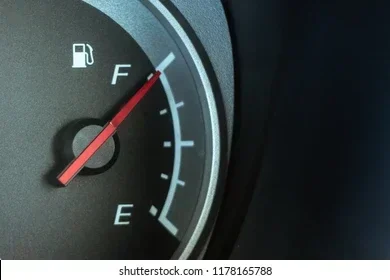
How Many Gallons Is a Full Tank of Gas for Most Cars
A full tank of gas typically holds between 12 and 16 gallons for most passenger cars, though SUVs and trucks can hold 20 gallons or more. Your actual fuel tank capacity depends on your vehicle type, model year, and manufacturer design. Understanding your gas tank size helps you plan trips, estimate costs, and avoid getting stranded with an empty tank.
Have you ever stood at the gas pump and wondered exactly how much fuel your car can hold? Maybe you just bought a used vehicle and the previous owner never mentioned the gas tank capacity. Or perhaps you are planning a road trip and need to know how far you can go before your next fill up gas tank stop.
The answer to “how many gallons is a full tank of gas” is not as simple as one number. Different vehicles hold different amounts. A small compact car fuel tank might hold 12 gallons, while a large SUV gas tank could carry 26 gallons or more. In this guide, we will break down everything you need to know about fuel tank size, driving range, and how to get the most out of every gallon.
Whether you drive a sedan, a truck, or something in between, understanding your vehicle fuel capacity is one of the smartest things you can do as a car owner. It saves you money, reduces anxiety on long drives, and helps you make better decisions at the pump. Let us dive in.
Key Takeaways
- Average car tank size: Most sedans and compact cars hold 12 to 15 gallons when you fill up gas tank completely.
- SUVs and trucks carry more: Larger vehicles like SUVs and trucks often have fuel tank sizes of 18 to 26 gallons.
- Tank range varies widely: Your driving range on a full tank depends on your miles per gallon rating and fuel efficiency.
- Check your owner manual: The most accurate gas tank capacity is always listed in your vehicle’s owner manual or on the door jamb sticker.
- Don’t wait for the fuel gauge light: Running your tank to empty can damage your fuel pump and leave you stranded.
- Fuel costs add up: Knowing your tank capacity helps you budget for fill ups and plan long road trips more effectively.
📑 Table of Contents
What Is a Full Tank of Gas and Why Does It Matter?
When we talk about a full tank of gas, we mean the maximum amount of fuel your vehicle’s tank can hold when completely empty and then filled to the top. This number is measured in gallons and is determined by the physical size of the fuel tank built into your car.
You might think this is a simple detail that does not matter much. But knowing your gas tank capacity has real practical value. It helps you estimate fuel costs before a trip. It tells you how far you can drive before needing to stop for gas. And it gives you a baseline for comparing fuel efficiency across different vehicles.
Most drivers never think about their tank range until the fuel gauge hits empty. That is a mistake. Taking a few minutes to understand your car fuel capacity can save you time, money, and a lot of stress. You will never have to guess how many miles you have left or scramble for a gas station in an unfamiliar area.
How Manufacturers Determine Tank Size
Automakers design fuel tank size based on several factors. Vehicle weight, engine type, and intended use all play a role. A lightweight compact car fuel tank does not need to be as large as the tank range estimate for a heavy-duty truck. Engineers also consider interior space, safety regulations, and emission standards when deciding how big the tank should be.
The result is that every vehicle has a specific gallon of gasoline capacity printed in its specifications. You can find this information in the owner manual, on the manufacturer website, or sometimes on a sticker inside the driver door frame. This number is your gas tank capacity when the tank is completely full.
Average Fuel Tank Size by Car Type
Not all cars are created equal when it comes to fuel tank capacity. A small hatchback and a full-size pickup truck have very different needs. Here is a closer look at what you can expect from different vehicle categories.
Compact and Sedan Tanks
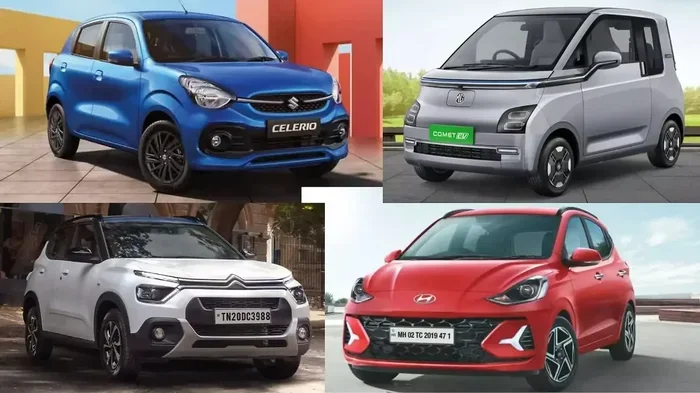
Most compact cars and sedans have a full tank of gas capacity between 12 and 15 gallons. Models like the Honda Civic, Toyota Corolla, and Mazda3 typically fall in this range. These vehicles are designed for efficiency, and their smaller fuel tank size keeps the car lightweight.
With an average mpg rating of 30 to 35 miles per gallon, a compact sedan with a 14-gallon tank can travel roughly 420 to 490 miles on a full tank. That is a solid range for daily commuting and moderate road trips.
Mid-Size and Full-Size Sedan Tanks
Larger sedans like the Toyota Camry or Honda Accord usually carry 15 to 18 gallons. These vehicles offer more comfort and features, which adds weight. A bigger gas tank helps compensate for the reduced fuel economy that comes with extra size.
At around 28 to 32 miles per gallon, a mid-size sedan with a 17-gallon tank gives you a driving range of approximately 475 to 545 miles. That is plenty for most driving needs, including longer highway trips.
SUV Fuel Tank Capacity
SUVs are bigger, heavier, and less aerodynamic than sedans. Their SUV gas tank sizes reflect this. Most mid-size SUVs hold between 16 and 20 gallons. Full-size SUVs and large models like the Chevrolet Tahoe or Ford Expedition can carry 22 to 26 gallons.
Because SUVs generally have lower miles per gallon ratings, ranging from 18 to 25 mpg, the larger tank size becomes important. A full-size SUV with a 24-gallon tank and 20 mpg can travel about 480 miles. Without that extra capacity, you would be stopping for gas much more often.
Truck and Heavy-Duty Tank Sizes
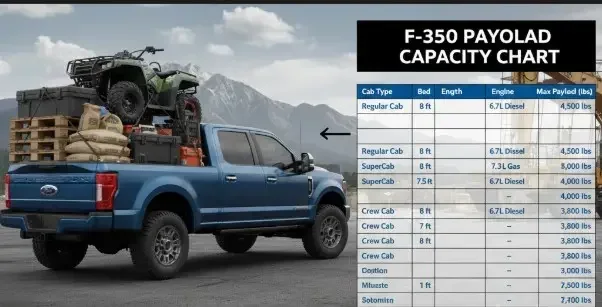
Pickup trucks and heavy-duty vehicles often have the largest fuel tank capacity of any passenger vehicle. Standard trucks like the Ford F-150 typically hold 22 to 26 gallons. Heavy-duty models can go even higher, with some tanks exceeding 30 gallons.
These large tanks are essential for towing and hauling, which dramatically reduce fuel efficiency. A truck with a 26-gallon tank getting 18 miles per gallon can still cover about 468 miles on a single fill up gas tank. That range makes long-haul hauling and camping trips much more practical.
Comparison Table: Average Tank Sizes by Vehicle Type
| Vehicle Type | Typical Tank Size (Gallons) | Average MPG | Estimated Range (Miles) |
|---|---|---|---|
| Compact Car | 12 – 15 | 30 – 35 | 360 – 525 |
| Mid-Size Sedan | 15 – 18 | 28 – 32 | 420 – 576 |
| Mid-Size SUV | 16 – 20 | 18 – 25 | 288 – 500 |
| Full-Size SUV | 22 – 26 | 16 – 22 | 352 – 572 |
| Pickup Truck | 22 – 30 | 15 – 22 | 330 – 660 |
| Hybrid Vehicle | 10 – 14 | 40 – 55 | 400 – 770 |
As you can see from the table above, fuel tank capacity and fuel efficiency work together to determine your total tank range estimate. A smaller tank with excellent gas mileage can sometimes outperform a larger tank with poor efficiency.
Factors That Determine Your Full Tank of Gas Capacity
Why do some cars hold 12 gallons and others hold 26? Several factors influence your vehicle’s gas tank capacity. Understanding these helps you make informed decisions when buying a car or planning trips.
Vehicle Size and Weight
Larger vehicles need larger fuel tank size to achieve acceptable driving range. A heavy truck simply cannot go as far on one gallon as a lightweight sedan. Automakers compensate by installing bigger tanks in heavier vehicles. This is why SUV gas tank sizes and truck tank sizes tend to be significantly larger than those in compact cars.
Engine Type and Fuel Consumption
Engine design plays a major role in how much fuel you burn. A turbocharged V6 engine uses more gasoline than a four-cylinder engine. Diesel engines are generally more efficient but may still require larger tanks for long-range driving. Your mpg rating directly affects how useful a given fuel tank capacity really is.
Vehicle Purpose and Design
Cars designed for efficiency, like hybrids and compact car fuel tank models, prioritize lightweight design. This often means smaller tanks paired with excellent fuel economy. On the other hand, vehicles built for towing, off-roading, or long-distance travel get larger gas tank capacity to reduce the number of stops needed.
Safety and Design Constraints
Automakers must follow strict safety rules when placing fuel tanks inside vehicles. Crumple zones, side-impact protection, and emission controls all limit where and how large a tank can be. Sometimes the available space in the vehicle’s underbody determines the maximum tank range more than the engineers would prefer.
Expert Insight
According to automotive engineers at major manufacturers, the trend in recent years has been toward smaller, more efficient fuel tanks paired with advanced engine technology. Hybrid and electric vehicles take this even further, with some plug-in hybrids carrying as little as 8 to 10 gallons of gasoline to extend their total driving range. The key takeaway is that bigger is not always better when it comes to gas tank capacity if the vehicle is designed for efficiency.
How Far Can You Go on a Full Tank of Gas?
This is the question most drivers really want answered. Knowing your tank range estimate helps you plan trips, avoid unexpected stops, and budget for fuel costs. The calculation is straightforward once you know two numbers.
First, you need your fuel tank capacity in gallons. Second, you need your vehicle’s average miles per gallon rating. Multiply those two numbers, and you get your estimated driving range on a full tank.
For example, if your car holds 15 gallons and gets 30 miles per gallon, your tank range is 450 miles. If you drive a truck with a 24-gallon tank at 20 miles per gallon, your range is 480 miles. The math is simple, but the real-world results can vary.
Real-World Factors That Affect Your Range
Your actual tank range estimate will rarely match the theoretical number exactly. Several real-world factors change how far you can go on a full tank of gas:
- Driving habits: Aggressive acceleration and high speeds reduce fuel efficiency significantly. Smooth, steady driving helps you get more miles per gallon.
- Terrain: Hilly and mountainous roads use more fuel than flat highways. City driving with lots of stops also reduces your gas mileage.
- Weather conditions: Cold weather lowers fuel economy because engines take longer to warm up. Air conditioning in summer also adds fuel consumption.
- Payload and towing: Carrying heavy cargo or towing a trailer dramatically increases fuel use and shortens your tank range.
- Tire pressure: Under-inflated tires create more rolling resistance, which means your engine works harder and uses more gasoline.
Quick Tips for Maximizing Your Tank Range
- Keep your tires inflated to the pressure listed on the driver door jamb.
- Avoid rapid acceleration and hard braking whenever possible.
- Use cruise control on highways to maintain a steady speed.
- Remove roof racks and cargo carriers when not in use to reduce wind drag.
- Fill up early in the morning when gasoline is densest and you get slightly more fuel per gallon.
Common Mistakes People Make with Their Gas Tank
Even experienced drivers make mistakes when it comes to managing their fuel tank capacity. Avoiding these common errors can save you money and protect your vehicle.
Running the Tank to Empty
Many drivers wait until the fuel gauge light comes on before they look for gas. This is risky. When your gas tank empty level gets very low, sediment and debris at the bottom of the tank can get pulled into the fuel system. More importantly, running the tank dry can damage the fuel pump, which is an expensive repair.
A good rule of thumb is to fill up gas tank when you hit a quarter tank. This gives you plenty of buffer and keeps the fuel pump cool and lubricated. It also prevents the stress of searching for a gas station when your tank is nearly empty.
Overfilling the Tank
Some people try to squeeze every last drop into their fuel tank by topping it off after the pump automatically shuts off. This is a bad idea. Overfilling can cause fuel to enter the charcoal canister, which is part of your vehicle’s emission control system. This can trigger check engine lights and lead to costly repairs.
When the pump clicks off, that is your signal that the tank is full. Walk away. Do not try to add more fuel to your full tank of gas.
Ignoring the Fuel Gauge
Your fuel gauge is one of the most underused tools in your car. Many drivers pay no attention to it until they are nearly out of fuel. Checking your gauge regularly helps you stay aware of your tank range and plan fill up gas tank stops before you get stranded.
Not Tracking Your Actual MPG
The mpg rating on the window sticker is a laboratory estimate. Your real-world gas mileage may be different. Tracking your actual fuel consumption over time gives you a more accurate tank range estimate and helps you spot potential mechanical issues early. If your fuel efficiency drops significantly, it could signal a problem worth investigating.
How to Find Your Vehicle’s Exact Tank Capacity
If you want to know the precise gas tank capacity for your specific vehicle, you have several options. The most reliable source is your owner manual. Every car comes with one, and it contains detailed specifications including fuel tank size, recommended fuel type, and vehicle fuel capacity.
You can also check the manufacturer website by entering your vehicle’s year, make, and model. Many automotive websites and apps let you look up fuel tank capacity by VIN number. This is especially helpful if you bought a used car and do not have the manual.
Another option is to simply measure it yourself. Fill your tank completely from empty and record how many gallons it takes. This gives you your true tank range estimate for your specific vehicle. Just be careful not to overfill, and always do this in a well-ventilated area away from open flames.
Knowing your exact car fuel capacity is empowering. It lets you calculate fuel costs accurately, plan road trips with confidence, and understand exactly what you are getting every time you fill up gas tank at the pump.
Conclusion
Understanding how many gallons is a full tank of gas is one of the simplest yet most valuable pieces of knowledge you can have as a driver. From compact cars with 12-gallon tanks to heavy-duty trucks holding over 30 gallons, every vehicle has a specific fuel tank capacity that shapes your daily driving and long-distance travel experience.
Your gas tank size works hand in hand with your mpg rating and fuel efficiency to determine how far you can go before your next stop. By knowing your vehicle’s numbers, avoiding common tank mistakes, and following the practical tips in this guide, you can save money, reduce stress, and make every gallon count.
Take a moment today to check your owner manual or look up your vehicle’s specifications online. Find out exactly how much your full tank of gas holds, and use that knowledge to drive smarter, plan better, and enjoy the road ahead with confidence.
Frequently Asked Questions
How many gallons does an average car hold in a full tank of gas?
Most average passenger cars hold between 12 and 16 gallons when the tank is completely full. The exact fuel tank capacity depends on your vehicle type, model, and year. Compact cars tend to have smaller tanks around 12 gallons, while larger sedans and SUVs can hold 18 gallons or more. Check your owner manual for the precise gas tank capacity of your specific vehicle.
How far can you drive on a full tank of gas?
Your driving range depends on your fuel tank capacity and your vehicle’s miles per gallon rating. A compact car with a 14-gallon tank getting 32 mpg can travel about 448 miles. A full-size SUV with a 24-gallon tank getting 20 mpg can go approximately 480 miles. Real-world factors like driving habits, terrain, and weather will affect your actual tank range estimate.
Is it bad to drive with a half tank of gas?
Driving with a half tank of gas is generally fine and will not harm your vehicle. However, consistently letting your tank get very low can cause problems. When fuel levels drop significantly, the fuel pump can overheat because it relies on fuel for cooling. Keeping at least a quarter tank at all times is a smart habit that protects your fuel system and gives you a reliable tank range estimate at all times.
Does a bigger fuel tank mean better fuel efficiency?
No, a bigger fuel tank capacity does not mean better fuel efficiency. Tank size only determines how much fuel you can carry, not how efficiently your engine uses it. A small car with a 12-gallon tank that gets 40 mpg will travel farther on less fuel than a large truck with a 26-gallon tank that gets 15 mpg. Fuel economy depends on engine design, vehicle weight, aerodynamics, and driving habits.
How often should you fill up your full tank of gas?
There is no set schedule for how often to fill up gas tank. It depends on your daily driving distance, your vehicle’s mpg rating, and your fuel tank size. Most drivers with average commutes will need to refuel every 3 to 7 days. The best practice is to monitor your fuel gauge and refuel when you reach a quarter tank. This keeps your fuel pump healthy and prevents you from running low unexpectedly.
Can cold weather reduce how many gallons your tank actually holds?
Cold weather does not reduce your fuel tank capacity in gallons, but it can reduce your effective range. Gasoline contracts in cold temperatures, which can slightly affect fuel density and gas mileage. More importantly, cold weather causes engines to warm up slowly, increasing fuel consumption during short trips. Winter driving also involves more idling and use of heaters, both of which reduce your tank range estimate compared to warm-weather driving conditions.