How Many Catalytic Converters Does a Dodge Ram 1500 Have
Most Dodge Ram 1500 trucks come equipped with 2 catalytic converters, one for each exhaust bank, but the exact number can vary based on engine size, model year, and exhaust configuration. Understanding your truck’s catalytic converter setup helps with maintenance, replacement planning, and avoiding costly fines related to emissions compliance.
If you own a Dodge Ram 1500 or are thinking about buying one, you might wonder about the catalytic converter setup. This small but mighty component plays a huge role in keeping your truck running clean and legal on the road. The question “how many catalytic converters does a Dodge Ram 1500 have” comes up a lot, and the answer isn’t always straightforward.
The number of converters depends on several factors. Your engine type, model year, and exhaust configuration all play a role. In this guide, we will walk you through everything you need to know. You will learn the exact count for different Ram 1500 setups, why it matters, and what to do if something goes wrong.
Let us dive right in and break it all down in simple terms. No jargon. No fluff. Just the facts you need to keep your truck running its best.
Key Takeaways
- Standard Setup: Most Dodge Ram 1500 models use 2 catalytic converters as part of the factory exhaust system.
- Engine Matters: The number of converters can differ between the V6 and V8 engine options found in the Ram 1500 lineup.
- Model Year Differences: Newer Ram 1500 models from 2019 onward may include additional catalytic converters for stricter EPA compliance.
- Dual Exhaust Systems: Trucks with a dual exhaust configuration typically have more catalytic converters than single exhaust setups.
- Replacement Cost: Knowing how many converters your truck has helps estimate replacement costs, which can range from $1,000 to $3,000 or more.
- Theft Risk: Dodge Ram 1500 catalytic converters are targeted by thieves due to the valuable precious metals inside.
- Aftermarket Options: High-flow catalytic converters are available for owners looking to improve truck performance while staying emissions legal.
📑 Table of Contents
- What Is a Catalytic Converter and Why Does It Matter?
- How Many Catalytic Converters Does a Dodge Ram 1500 Have?
- Model Year Breakdown: How the Count Changes Over Time
- Catalytic Converter Location on the Dodge Ram 1500
- Signs Your Catalytic Converter Is Failing
- Catalytic Converter Replacement Cost for the Ram 1500
- Catalytic Converter Theft and How to Protect Your Ram 1500
- Can You Remove or Replace Catalytic Converters on a Ram 1500?
- Maintenance Tips for Long-Lasting Converters
- Conclusion
What Is a Catalytic Converter and Why Does It Matter?
The Basic Function of a Catalytic Converter
A catalytic converter is part of your truck’s exhaust system. Its main job is to reduce harmful emissions. When exhaust gases leave your engine, they contain dangerous pollutants like carbon monoxide, nitrogen oxides, and hydrocarbons. The converter uses a chemical reaction to turn these pollutants into less harmful substances like carbon dioxide and water vapor.
Think of it as a filter for your truck’s breath. Without it, your Ram 1500 would release much dirtier exhaust into the air. This is why the emissions control system is so important for both the environment and your truck’s performance.
Why the Number of Converters Varies
Not all trucks are built the same way. The exhaust system design changes based on the engine, the model year, and the trim level. A V6 engine has a different exhaust layout than a V8 engine. Some Ram 1500 models use a single exhaust pipe, while others have a dual exhaust system. Each setup affects how many catalytic converters your truck needs.
The EPA regulations also play a big role. Over the years, emissions standards have gotten stricter. This means newer Ram 1500 models may include extra converters to meet those rules. We will look at specific model years in a moment.
How Many Catalytic Converters Does a Dodge Ram 1500 Have?
This is the big question, and the answer depends on your specific truck. Let us break it down by the most common setups.
Standard Setup: Two Catalytic Converters
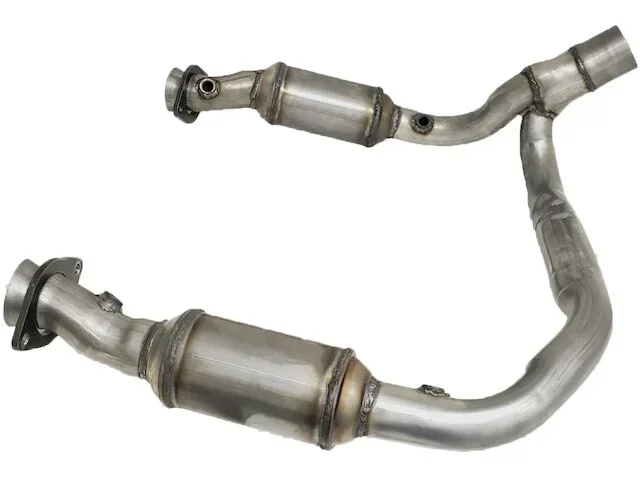
For most Dodge Ram 1500 models, the answer is two catalytic converters. The truck has a V-shaped engine with two exhaust banks. Each bank gets its own converter. This is the standard configuration across many model years, including popular years like the 2019 Ram 1500 and 2020 Ram 1500.
Here is how it works:
- Bank 1: The left exhaust bank gets one converter.
- Bank 2: The right exhaust bank gets the second converter.
Both converters work together to clean the exhaust gases before they leave the truck. This setup is efficient and meets federal emissions standards for most driving conditions.
V6 Engine Configurations
The Ram 1500 with the 3.6-liter V6 Pentastar engine is one of the most popular options. This engine uses a twin exhaust layout with two exhaust banks. As a result, it typically has two catalytic converters as part of the factory exhaust system.
Some owners upgrade to a dual exhaust system for better performance. In those cases, the truck may have additional piping but still rely on two main converters for emissions control. The oxygen sensor placement is also important here, as these sensors help the converter work efficiently.
V8 Engine Configurations
The 5.7-liter HEMI V8 is a favorite among Ram 1500 fans. This powerful engine also uses a V-shaped design, so it follows the same two-converter pattern. Each exhaust bank gets its own converter to handle the larger volume of exhaust gases.
However, the 5.7 HEMI has a more complex exhaust system overall. The exhaust manifold feeds into the converters, and the pipes are larger to accommodate the bigger engine. If you own a V8 Ram 1500, you should pay extra attention to converter maintenance because of the increased exhaust flow.
Models with Additional Converters
Here is where things get interesting. Some newer Ram 1500 models, especially those from 2019 onward, may include additional catalytic converters. These extra converters help the truck meet tighter EPA emissions standards and CARB regulations in states like California.
In some cases, you might find:
- A secondary catalytic converter further down the exhaust system.
- Additional converters in the exhaust manifold area for faster warm-up.
- Three or more converters in trucks with a quad exhaust setup.
The exact count depends on the specific model year and trim level. Always check your owner’s manual or consult a trusted mechanic to know for sure.
Model Year Breakdown: How the Count Changes Over Time
The number of catalytic converters in a Ram 1500 can change from one model year to the next. Automakers tweak the exhaust system design to meet updated emissions rules. Let us look at how things have evolved.
2010 to 2018 Ram 1500 Models
Older Ram 1500 models from this era generally use two catalytic converters. The exhaust system is simpler compared to newer trucks. The 4.7-liter V8 and 5.7-liter HEMI V8 both follow the two-converter layout. The 3.6-liter V6 also uses this standard setup.
During this period, the catalytic converter location is typically near the exhaust manifold. The converters are easy to access for inspection and replacement. This made maintenance straightforward for most owners.
2019 and Newer Ram 1500 Models
Starting in 2019, Ram made significant changes to the 1500 lineup. The new platform brought updated emissions control technology. Some models now include additional converters to meet stricter standards.
For example:
- The 2019 Ram 1500 Classic still uses the traditional two-converter setup.
- The 2020 Ram 1500 and newer models may include a third converter in certain trims.
- Models sold in California often have extra converters to comply with CARB emissions standards.
If you are unsure about your specific model year, look up the VIN or check with a Dodge dealership. They can tell you the exact factory exhaust configuration for your truck.
Catalytic Converter Location on the Dodge Ram 1500
Knowing where the converters are located helps with maintenance and troubleshooting. The catalytic converter location varies slightly depending on your engine and exhaust setup.
Primary Converter Location
The primary catalytic converter sits close to the engine, right after the exhaust manifold. On the Ram 1500, you will find it along the underside of the truck, near the front. This converter works hardest because it handles the hottest exhaust gases right from the engine.
For V6 and V8 engines, there is one primary converter on each side of the truck. These converters connect to the oxygen sensors that monitor exhaust gas levels. The sensors send data to the truck’s computer, which adjusts the fuel mix for optimal performance.
Secondary Converter Location
Some Ram 1500 models have a secondary converter further back in the exhaust system. This one is closer to the rear of the truck, near the muffler area. The secondary converter catches any remaining pollutants that the primary converter did not fully process.
Trucks with a dual exhaust system may have converters on both sides of the rear axle. This setup provides better exhaust flow and more thorough emissions cleaning.
Signs Your Catalytic Converter Is Failing
Whether your Ram 1500 has two converters or more, they can wear out over time. Recognizing the warning signs early can save you from expensive repairs. Here are the most common symptoms of a failing catalytic converter.
Check Engine Light
The most obvious sign is the check engine light on your dashboard. When a converter is not working properly, the oxygen sensors detect the problem and trigger the light. Use an OBD-II scanner to read the error codes. Common codes related to converter issues include P0420 and P0430.
Reduced Fuel Efficiency
A bad converter can hurt your truck’s fuel efficiency. If the converter is clogged, exhaust gases cannot flow freely. This creates back pressure that makes the engine work harder. You may notice your Ram 1500 getting fewer miles per gallon than usual.
Rotten Egg Smell
A healthy converter turns sulfur compounds into odorless sulfur dioxide. When the converter fails, you will often smell a strong rotten egg odor coming from the exhaust. This is a clear sign that the converter is not doing its job.
Sluggish Performance
A clogged converter restricts exhaust flow. This can make your truck feel slow or unresponsive. You might struggle to accelerate or notice a lack of power when towing. If your Ram 1500 feels sluggish, a failing converter could be the culprit.
Rattling Noise
Inside the converter, there is a honeycomb structure made of ceramic or metal. Over time, this structure can break apart. When it does, you will hear a rattling sound, especially when starting the truck or idling. This is a sign of internal damage that usually means replacement is needed.
Catalytic Converter Replacement Cost for the Ram 1500
Replacing a catalytic converter is one of the more expensive repairs on a Ram 1500. The cost depends on how many converters your truck has and whether you choose original equipment or aftermarket parts.
Average Replacement Costs
For a standard two-converter setup, the total cost typically ranges from $1,000 to $3,000. This includes parts and labor. If your truck has three or more converters, the cost can go even higher.
Here is a rough breakdown:
- Single converter replacement: $500 to $1,500
- Two converters (full replacement): $1,000 to $3,000
- Three or more converters: $1,500 to $4,500 or more
The catalytic converter cost varies based on the brand, the model year, and where you live. Labor rates differ from shop to shop, so getting multiple quotes is always a good idea.
OEM vs Aftermarket Converters
You have two main options when replacing converters. OEM (original equipment manufacturer) parts are made by the same company that supplied the factory converters. They fit perfectly and meet all emissions standards. Aftermarket converters are made by third-party manufacturers and are usually less expensive.
However, not all aftermarket converters are equal. Some cheap options may not last as long or may not meet emissions compliance standards. Always choose a reputable brand and check local laws before installing aftermarket parts.
Catalytic Converter Theft and How to Protect Your Ram 1500
Unfortunately, catalytic converter theft has become a serious problem across the country. Thieves target trucks like the Ram 1500 because the converters contain valuable precious metals like platinum, palladium, and rhodium. The high ground clearance of the 1500 makes it easy for thieves to slide underneath and cut the converters off.
How to Prevent Theft
Here are some practical steps to protect your truck:
- Install a converter shield: A metal cage or plate over the converter makes it harder to cut.
- Engrave your VIN: Etching your vehicle identification number on the converter helps police track stolen parts.
- Park in well-lit areas: Thieves prefer dark, isolated spots. Parking in a garage or well-lit driveway reduces risk.
- Use anti-theft devices: Specialized bolts and clamps make it much harder to remove the converter quickly.
- Install a security camera: Even a basic camera pointed at your truck can deter thieves.
Taking these precautions can save you from the headache and expense of a stolen converter. It is a small investment for big peace of mind.
Can You Remove or Replace Catalytic Converters on a Ram 1500?
Some truck owners wonder about removing or replacing their converters for performance gains. Let us address this honestly.
Why You Should Not Remove Them
Removing a catalytic converter is illegal in most states. It violates EPA regulations and can result in hefty fines. A truck without converters will also fail emissions testing. Plus, removing the converter can damage your engine over time by allowing unfiltered exhaust gases to recirculate.
High-Flow Converter Upgrades
If you want better performance, consider a high-flow catalytic converter. These aftermarket converters are designed to reduce exhaust restriction while still meeting emissions standards. They allow gases to flow more freely, which can improve truck performance and slightly boost fuel efficiency.
Just make sure any upgrade you choose is CARB compliant if you live in a state with strict emissions rules. This keeps you legal and protects your truck’s warranty.
Maintenance Tips for Long-Lasting Converters
Your catalytic converters can last a long time with proper care. Here are some simple tips to keep them in great shape.
- Use quality fuel: Cheap fuel contains more impurities that can clog the converter over time.
- Fix engine misfires promptly: Unburned fuel from a misfire can damage the converter’s internals.
- Keep the engine tuned: A properly tuned engine produces fewer harmful emissions that stress the converter.
- Check for exhaust leaks: Leaks near the converter can cause overheating and premature failure.
- Avoid short trips: Frequent short trips prevent the converter from reaching optimal operating temperature, which can cause buildup.
Following these simple steps can extend the life of your converters and keep your Ram 1500 running smoothly for years to come.
Conclusion
So, how many catalytic converters does a Dodge Ram 1500 have? The most common answer is two catalytic converters, one for each exhaust bank. However, the exact number can vary based on your engine type, model year, and exhaust configuration. Newer models may include additional converters to meet stricter emissions standards.
Understanding your truck’s converter setup helps you stay on top of maintenance, plan for replacement costs, and protect your investment. Whether you drive a 3.6-liter V6 or a 5.7-liter HEMI V8, taking care of your converters pays off in better performance, improved fuel efficiency, and compliance with EPA regulations.
Keep an eye out for warning signs of converter failure, protect your truck from theft, and consider high-flow upgrades if you want to squeeze out more performance. Your Dodge Ram 1500 is a hardworking truck, and its exhaust system deserves the same care and attention you give the rest of your vehicle.
Stay informed, stay proactive, and your Ram 1500 will keep running strong mile after mile.
Frequently Asked Questions
Can a Dodge Ram 1500 run without a catalytic converter?
Technically, yes, but it is illegal to drive without a functioning converter in most states. Removing it violates EPA regulations and can result in fines. It also causes your truck to fail emissions testing and can damage the engine over time.
How long do catalytic converters last on a Ram 1500?
A factory catalytic converter typically lasts between 100,000 and 150,000 miles. However, driving habits, fuel quality, and engine health all affect the lifespan. Regular maintenance and quality fuel can help your converters last even longer.
Why are Ram 1500 catalytic converters targeted by thieves?
Converters contain precious metals like platinum, palladium, and rhodium. These metals are valuable on the black market. The Ram 1500’s high ground clearance makes it easy for thieves to access the converters underneath the truck without needing a jack.
What is the difference between a standard and high-flow catalytic converter?
A standard converter focuses on emissions reduction. A high-flow converter is designed to reduce exhaust restriction while still cleaning emissions. High-flow units allow gases to exit more freely, which can improve engine performance and throttle response.
Do I need special tools to replace a Ram 1500 catalytic converter?
You will need basic tools like a jack, jack stands, wrenches, and a ratchet set. However, converters are often rusted in place, so penetrating oil and a torch may be needed. If you are not comfortable with undercarriage work, it is best to leave the job to a professional mechanic.
Will replacing the catalytic converter improve my Ram 1500’s performance?
Replacing a clogged or damaged converter can restore lost performance and fuel efficiency. However, a new standard converter will not boost performance beyond factory levels. For genuine gains, consider a high-flow aftermarket converter that reduces exhaust back pressure.