Do You Have to Program TPMS Sensors Before Installing
Do You Have to Program TPMS Sensors Before Installing? Not always, but it’s often necessary for modern vehicles. TPMS sensor programming ensures your tire pressure monitoring system communicates correctly with the car’s computer. You may need a reset or relearn procedure after sensor replacement or tire rotation.
Do You Have to Program TPMS Sensors Before Installing? The short answer is: it depends on your vehicle and sensor type. Programming TPMS sensors is often necessary for newer cars, but many older models don’t require it. You’ll need to reset or reprogram the system after tire changes or sensor replacement. This guide explains when programming is required, how to do it, and common mistakes to avoid.
If you’ve just bought new tires or replaced a damaged tire pressure sensor, you might wonder about the setup process. The tire pressure monitoring system, or TPMS, keeps you safe by alerting you to low tire pressure. But does every sensor need programming before you bolt it on? Let’s break it down.
Key Takeaways
- Programming is not always required: Older vehicles or some aftermarket sensors may not need programming before installation.
- Direct TPMS sensors often need programming: Newer cars with direct sensors usually require a programming tool or OBD-II scanner.
- Reset after installation is common: Even if sensors don’t need programming, you’ll likely need to perform a TPMS reset or relearn procedure.
- Use the right tool: A compatible TPMS programming tool or scan tool ensures proper sensor activation and pairing.
- Check sensor compatibility first: Always verify OEM vs. aftermarket sensor compatibility and programming requirements.
- Battery life matters: A dead sensor battery can cause programming failures, so test before installing.
- DIY is possible: With the right guide and tool, you can program and reset TPMS sensors at home.
📑 Table of Contents
Do You Have to Program TPMS Sensors Before Installing?
The Short Answer: It Depends on Your Vehicle
Some cars need a programming step. Others don’t. It all comes down to the type of system your vehicle uses. Direct TPMS sensors have a small battery and transmitter inside each wheel. They send real-time pressure data to your car’s computer. Indirect TPMS doesn’t use individual sensors. Instead, it relies on the anti-lock brake system’s wheel-speed sensors to detect a rolling radius difference.
If you have a direct system, you’ll almost always need to program or relearn the sensors. For indirect systems, a simple reset often works. Here’s a quick checklist of when programming is needed:
- Your car has a direct TPMS.
- You replaced a sensor with an aftermarket unit.
- You swapped wheels between vehicles.
- You performed a sensor battery replacement.
When Programming Is Absolutely Necessary
You can’t skip programming when your car’s computer won’t recognize a new sensor. Modern vehicles from the last 10–15 years almost always use direct TPMS. These sensors must be programmed to match the vehicle’s frequency and ID. If you install a new OEM sensor, the dealer or tire shop will program it with a scan tool. Aftermarket sensors often come pre-programmed or require a universal programming tool.
You’ll also need programming after a battery change in a sensor. The sensor ID might change, so the car needs to relearn it. Skipping this step triggers a dashboard warning light. The light stays on until the system relearns the sensor. Here’s a simple numbered process for programming with a scan tool:
- Turn the ignition to the ON position.
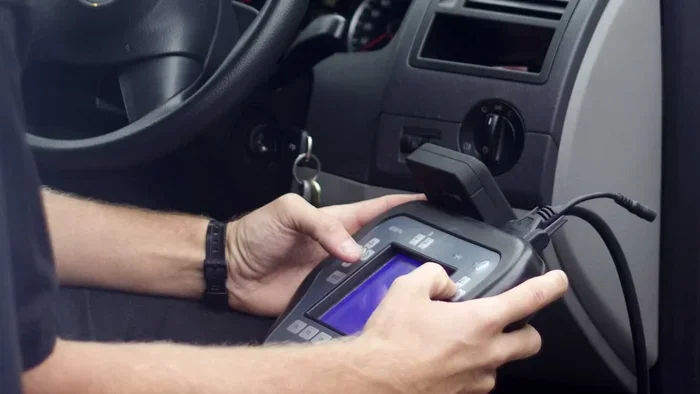
- Connect the OBD-II scanner to the diagnostic port.
- Select TPMS programming mode.
- Follow the on-screen prompts to activate each sensor.
- Drive the vehicle to complete the relearn procedure.
Expert Insight: Always check the sensor’s frequency before buying. Some vehicles use 315 MHz, others use 433 MHz. A mismatch will cause programming failures even with the right tool.
How to Program TPMS Sensors
Programming TPMS sensors isn’t as hard as it sounds. You can do it yourself with the right tool. Here’s how it works in three common ways.
Using an OBD-II Scanner for Sensor Programming
An OBD-II scanner is the most reliable method. You plug it into the diagnostic port under your dashboard. The scanner talks to the car’s ECU and can program new sensors. Many scan tools support multi-vehicle TPMS programming. You’ll need the sensor’s part number or a universal sensor profile. The tool sends a signal to wake up the sensor and pair it with the vehicle.
- Make sure the scanner supports your vehicle make and model.
- Update the scanner software regularly for new sensor coverage.
- Some tools can copy data from an old sensor to a new one.
Expert Insight: Some scan tools can also copy sensor data from an old sensor to a new one. This is handy if you’re replacing a sensor with the same type. It saves time and avoids relearning the entire system.
The Auto Relearn Procedure
Many modern cars have an auto relearn feature. This method doesn’t always need a scanner. You simply put the car in a learning mode and drive. The system picks up each sensor one by one. Start by inflating all tires to the recommended pressure. Then, turn the ignition to ON. Press and hold the TPMS reset button until the light blinks. Drive at a steady speed for about 20 minutes. The system will learn each sensor’s unique ID.
Use the reset button location in your owner’s manual. This method is great for tire service after rotation or pressure adjustment. It’s a simple TPMS reset that many drivers can do at home.
Manual Reset Steps for DIYers
If your car doesn’t have auto relearn, you might need a manual reset. This is common on older models. First, find the TPMS reset button. It’s usually under the steering column or on the center console. Turn the key to ON without starting the engine. Press and hold the reset button until the TPMS light blinks three times. Release the button. Start the engine and let it idle for 20 minutes. The system will initialize.
Note: This method resets the system but doesn’t program new sensors. You’ll still need a scanner for new sensor IDs. Always refer to your vehicle-specific owner’s manual for exact steps.
Direct vs. Indirect TPMS: Programming Comparison
Understanding the difference helps you know what to expect. Direct systems have individual sensors in each wheel. Indirect systems use existing ABS sensors. The table below shows how they compare.
| Feature | Direct TPMS | Indirect TPMS |
|---|---|---|
| Sensor Type | Individual sensors in each wheel | No individual sensors, uses ABS wheel-speed sensors |
| Programming Needed? | Yes, often required | No programming, only reset |
| Tool Required | OBD-II scanner or programming tool | None or simple button reset |
| Reset Frequency | After sensor replacement or battery change | After tire rotation or pressure change |
| Common On | Newer vehicles (2008+) | Older vehicles or some budget models |
The table shows why direct systems need more work. But both systems need a reset after tire service. Always check your owner’s manual for the exact procedure. The tire pressure monitoring system is designed to keep you safe, so treat it with care.
Common Mistakes That Cause TPMS Programming Failures
Even with the right tool, mistakes happen. Here are the most common errors to avoid.
Skipping the Relearn Process
The biggest mistake is installing a sensor and driving off without relearning. The car won’t know the new sensor is there. The warning light stays on. You might think the sensor is faulty, but it’s just not paired. Always complete the relearn procedure after any sensor work. This applies whether you’re doing a tire rotation or a full sensor replacement.
Using Incompatible Tools
Not all scanners can program all sensors. Some aftermarket sensors use a different protocol. If your tool doesn’t support the sensor, programming will fail. Check the tool’s compatibility list before buying. Many scan tools now cover most sensor types, but older models might not. Update your programming tool software regularly.
Ignoring Sensor Battery Life
TPMS sensors run on small batteries. They last 5–10 years. A dead battery means the sensor can’t transmit. Programming a dead sensor is impossible. Test battery voltage before installation. Most programmers can check battery status. Replace the battery if it’s low. Or just replace the whole sensor. A dead sensor battery is the number one cause of programming headaches.
Quick Tips for Successful TPMS Sensor Programming
Follow these tips to make programming painless.
Check the Sensor Battery First
A fresh battery ensures a smooth programming session. Use a TPMS tool to read the battery voltage before you install. If it’s below 2.2 volts, replace the battery or the sensor. A new battery costs a few dollars and saves hours of frustration. This is especially important for aftermarket sensors that may have been sitting on a shelf.
Keep a Programming Tool in Your Garage
If you do your own tire service, a programming tool is a smart investment. It lets you program sensors on the spot. You won’t need to visit a shop every time. Basic OBD-II scanners start around $30. More advanced models cost $200–$500. They pay for themselves after a few tire changes. Having your own tool means you can handle low tire pressure alerts and sensor swaps with confidence.
Conclusion
Do You Have to Program TPMS Sensors Before Installing? The answer is clear: it depends on your vehicle’s system, but most modern cars need some form of programming or reset. Whether you use an OBD-II scanner, an auto relearn, or a manual reset, the goal is the same: to make your tire pressure monitoring system work correctly. Skipping this step can leave a warning light on and compromise your safety.
Take a few extra minutes to program or reset your sensors. It’s a small effort that pays off in peace of mind. Next time you replace a tire or sensor, don’t forget the programming step. Your car—and your safety—will thank you. A properly functioning tire pressure monitoring system is one of the easiest ways to stay safe on the road.
Frequently Asked Questions
Can I program TPMS sensors myself?
Yes, you can program many TPMS sensors yourself with an OBD-II scanner or a dedicated programming tool. The process varies by vehicle, but most modern scan tools guide you step by step. Always check your owner’s manual for specific instructions.
What happens if I don’t program a new TPMS sensor?
If you don’t program a new sensor, the car’s computer won’t recognize it. The TPMS warning light will stay on. The system won’t monitor pressure correctly, which can affect safety. Always complete the programming or relearn step after installing a new sensor.
How much does it cost to program a TPMS sensor?
Cost depends on the tool. A basic OBD-II scanner costs $30–$100. Professional programming tools run $200–$500. Many tire shops charge $20–$50 per sensor for programming. Doing it yourself with your own tool saves money over time.
Do aftermarket TPMS sensors need programming?
Most aftermarket sensors need programming or at least a relearn procedure. Some come pre-programmed with a universal ID, but many vehicles still require a scan tool to pair them. Always check compatibility before buying aftermarket sensors.
Can a dead TPMS sensor battery be replaced without programming?
In most cases, replacing the battery requires a programming step because the sensor ID may change. Some tools can read the sensor ID and transfer it to a new battery unit. Without programming, the dashboard light will likely remain on.
How often do TPMS sensors need to be reprogrammed?
You typically reprogram after sensor replacement, battery change, or wheel rotation. Some vehicles require a reset only after tire pressure changes. Direct TPMS systems need programming more often than indirect systems. Always follow the relearn procedure specified in your owner’s manual.