How Do You Disengage a Hood Latch Without Getting Hurt
Knowing how to disengage a hood latch safely is a must-have skill for every car owner. Whether your hood is stuck, you need to check the engine, or the release mechanism isn’t working right, this guide walks you through every step with confidence. You will learn the simple mechanics behind your hood latch, the right tools to use, and the most common reasons hood latches get stuck in the first place. We also share expert tips to keep you safe and prevent injuries while working under the hood. By the end, you will feel fully prepared to handle any hood latch situation on your own.
Have you ever stood in front of your car, pulled the hood release, and nothing happened? It is a frustrating moment that almost every driver has experienced at some point. Whether the hood latch is stuck due to cold weather, rust, or a broken cable, knowing how to disengage a hood latch safely can save you time, money, and a lot of stress. This guide is designed to walk you through the entire process in simple, easy-to-follow steps.
More importantly, we will focus on keeping you safe while you do it. Working with a hood latch might seem minor, but it involves springs, metal edges, and heavy components that can cause real injury if handled carelessly. By the time you finish reading this article, you will understand exactly how your hood latch works, what to do when it gets stuck, and how to prevent problems before they start. Let us get right into it.
Key Takeaways
- Know your release mechanism: Most cars use a hood release handle, cable, or lever inside the cabin to disengage the latch.
- Safety comes first: Always turn off the engine and let the car cool before attempting to disengage the hood latch.
- Use the right tools: A flathead screwdriver, lubricant, and a hood prop rod can make the process much easier and safer.
- Don’t force it: Forcing a stuck hood latch can cause damage to the latch assembly or personal injury.
- Regular maintenance helps: Lubricating and inspecting your hood latch regularly prevents most common problems.
- Call a pro when needed: Some hood latch issues require professional repair, especially if the cable or spring is broken.
📑 Table of Contents
Understanding How a Hood Latch Works
Before you try to disengage anything, it helps to understand what you are working with. The hood latch system is not as complicated as it might look. Once you see the basic parts, the whole process makes a lot more sense.
The Main Parts of a Hood Latch System
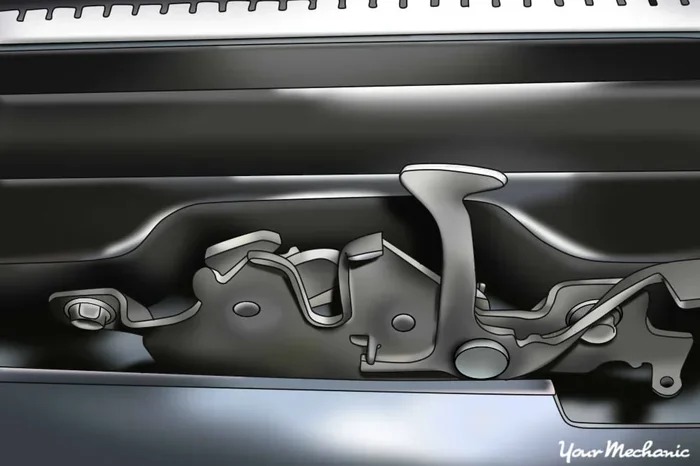
Most cars have a few key components that work together to keep the hood securely closed. The hood release handle is the lever or button you pull inside the car, usually near the driver’s side floorboard. When you pull it, it sends a signal through the hood release cable to the latch underneath the hood. The latch itself is a hook-like mechanism that grips the hood and keeps it shut. A hood latch spring provides tension to hold everything in place, and a hood safety catch adds an extra layer of security so the hood does not fly open while driving.
Some vehicles also use a hood prop rod or a hydraulic strut to hold the hood up when it is open. Understanding these parts makes troubleshooting much easier. If one component fails, you will know exactly where to look.
Why the Hood Latch Matters
The hood latch does more than just keep the hood closed. It protects the engine compartment from road debris, moisture, and dirt. A properly functioning latch also ensures that the hood stays secure at highway speeds. When the latch fails, it can lead to dangerous situations on the road or costly damage to the engine bay. This is why learning how to disengage and re-engage the latch correctly is so important for every car owner.
Step-by-Step Guide to Disengaging a Hood Latch Safely
Now that you understand the basics, let us walk through the actual process of disengaging the hood latch. Follow these steps carefully and you will do it without a scratch.
Step 1: Park on a Flat Surface and Turn Off the Engine
Always start by parking your car on a flat, stable surface. Turn off the engine and let the car cool down completely. A hot engine can cause burns, and a running engine creates vibrations that make the latch harder to work with. Put the car in park and engage the parking brake. These small precautions make a big difference in your safety.
Step 2: Locate the Hood Release Handle Inside the Car
Sit in the driver’s seat and look down near the floorboard on the left side. The hood release handle is usually a lever with a hood icon on it. Some cars have a button instead. Pull the handle firmly. You should hear a click or feel a slight movement under the hood. This means the hood latch cable has released the primary latch.
Step 3: Go to the Front of the Car and Find the Secondary Latch
Walk to the front of the car and look underneath the hood edge. There is usually a small hook or lever near the center of the hood. This is the secondary hood latch, also called the safety catch. You need to release this latch manually. Some cars have a lever you push to the side, while others require you to lift a small tab.
If you cannot find it, check your owner’s manual. It will show you exactly where the hood safety catch is located for your specific vehicle model.
Step 4: Lift the Hood Gently
Once both latches are released, lift the hood slowly. Do not yank it open. Use both hands and lift from the center. The hood should rise easily. If it feels stuck, stop and check for any remaining tension in the hood latch spring. Sometimes the spring holds the hood in place even after the latch is released.
Step 5: Secure the Hood with the Prop Rod or Strut
Never leave the hood unsupported. Use the hood prop rod to hold it in place, or if your car has a hydraulic strut, make sure it is fully engaged. An unsupported hood can fall and cause serious injury or damage to the engine.
Step 6: Re-engage the Latch When You Are Done
When you are finished working on the engine, lower the hood from about two feet above the latch. Let it drop naturally so the latch engages fully. Then tug the hood gently to make sure it is secure. A properly re-engaged latch should feel firm and tight.
Common Reasons a Hood Latch Gets Stuck
A stuck hood latch is more common than you might think. Understanding why it happens can help you prevent it from happening again. Here are the most frequent culprits.
Rust and Corrosion
Over time, moisture and road salt can cause rust to build up on the latch mechanism. This is especially common in colder climates where winter road salt is used regularly. Rust can freeze the latch in place, making it nearly impossible to release. Regular hood latch lubrication is the best way to prevent this problem.
Broken or Frayed Hood Release Cable
The hood release cable connects the handle inside the car to the latch underneath. Over time, this cable can stretch, fray, or even snap. When this happens, pulling the handle inside the car does nothing. You will need to inspect the cable and likely replace it to restore proper function.
Faulty Hood Latch Spring
The spring inside the latch assembly provides the tension needed to keep the hood closed and to release it smoothly. When the spring weakens or breaks, the latch can get stuck in either the open or closed position. Replacing a hood latch spring is usually a simple and inexpensive fix.
Misaligned Hood or Latch
If your car has been in an accident or if the hood has been removed and reinstalled incorrectly, the latch and hood may not align properly. This misalignment can prevent the latch from releasing or engaging correctly. In these cases, you may need to adjust the latch position or seek professional help.
Frozen Latch in Cold Weather
In freezing temperatures, moisture inside the latch mechanism can freeze, locking the latch in place. This is a common problem in winter. Applying a de-icer or a silicone-based lubricant can help thaw and free the mechanism quickly.
Tools You Need for Hood Latch Disengagement
You do not need a full toolbox to disengage a hood latch, but having the right tools on hand makes the job much easier and safer. Here is what we recommend keeping in your garage.
Essential Tools
- Flathead screwdriver: Useful for manually releasing the secondary latch if the cable is broken.
- Needle-nose pliers: Great for gripping and adjusting small latch components.
- Silicone-based lubricant or white lithium grease: Keeps the latch mechanism moving smoothly and prevents rust.
- Hood prop rod: Ensures the hood stays safely open while you work.
- Flashlight: Helps you see the latch mechanism clearly, especially in dim lighting.
- Owner’s manual: Your best resource for finding the exact location of latches and release mechanisms for your specific car.
Nice-to-Have Tools
If you want to go the extra mile, keep a pair of gloves to protect your hands from sharp edges and a wire brush for cleaning rust off the latch before lubricating. These small additions can make a big difference in the quality of your work.
Preventing Hood Latch Problems Before They Start
The best way to deal with a stuck hood latch is to never have one in the first place. Regular maintenance of your hood release system takes just a few minutes and can save you from a lot of headaches down the road.
Lubricate the Latch Regularly
Every few months, spray a small amount of silicone lubricant or white lithium grease onto the latch mechanism. This keeps the moving parts smooth and prevents rust from forming. It is a quick job that pays off big time.
Inspect the Hood Release Cable
Check the hood release cable at least once a year. Look for signs of fraying, kinking, or stretching. If you notice any of these issues, replace the cable before it breaks completely. A cable replacement is much cheaper than dealing with a stuck hood on the side of the road.
Keep the Hood Edges Clean
Debris, dirt, and leaves can build up around the latch area and interfere with the mechanism. Wipe down the hood edges and the latch area regularly to keep things clear and functioning properly.
Address Small Problems Early
If you notice the hood latch feeling stiff or making unusual noises, do not ignore it. These are early warning signs that something is going wrong. Addressing small issues early prevents them from turning into big, expensive repairs later on.
When to Call a Professional for Hood Latch Help
There is no shame in calling a mechanic. Some hood latch problems are beyond a DIY fix, and trying to force the issue can lead to costly damage or injury. Here are the situations where professional help is the smart choice.
Broken Cable That Cannot Be Replaced Easily
If the hood release cable is snapped and you do not feel comfortable replacing it yourself, a mechanic can handle the job quickly and safely. They have the right tools and experience to get it done right.
Severe Rust or Corrosion
When rust has deeply corroded the latch assembly, simple lubrication will not fix the problem. A mechanic can assess the damage and recommend whether the latch needs to be repaired or replaced entirely.
Hydraulic Strut Failure
If your car uses hydraulic struts to hold the hood up and they fail, the hood can drop suddenly and with a lot of force. This is a dangerous situation that should be handled by a professional. Replacing hydraulic struts involves specific procedures that require expertise.
Repeated Latch Failure
If you find yourself dealing with a stuck hood latch over and over again, there may be an underlying issue with the hood latch assembly that needs professional diagnosis. A mechanic can inspect the entire system and identify the root cause.
Key Takeaways
- Know your release mechanism: Most cars use a hood release handle, cable, or lever inside the cabin to disengage the latch.
- Safety comes first: Always turn off the engine and let the car cool before attempting to disengage the hood latch.
- Use the right tools: A flathead screwdriver, lubricant, and a hood prop rod can make the process much easier and safer.
- Don’t force it: Forcing a stuck hood latch can cause damage to the latch assembly or personal injury.
- Regular maintenance helps: Lubricating and inspecting your hood latch regularly prevents most common problems.
- Call a pro when needed: Some hood latch issues require professional repair, especially if the cable or spring is broken.
Conclusion
Learning how to disengage a hood latch without getting hurt is a practical skill that every car owner should have. It is not as difficult as it might seem, and with the right knowledge and tools, you can handle most hood latch issues on your own. The key is to go slow, follow the steps carefully, and never force anything that feels stuck.
Regular maintenance of your hood release system goes a long way in preventing problems before they start. A little lubrication, a quick inspection, and addressing small issues early can keep your hood latch working smoothly for years. And when the problem is beyond your comfort level, there is always a trusted mechanic ready to help.
Remember, your safety always comes first. If at any point during the process you feel unsure or uncomfortable, stop and seek professional assistance. A hood latch is a small part of your car, but handling it correctly makes a big difference in keeping both you and your vehicle safe.
FAQs
Can I disengage a hood latch from the outside of the car?
Yes, in most vehicles you can release the secondary latch from the outside by reaching under the front edge of the hood. Look for a small lever or hook near the center of the hood. Some cars also have an emergency release cable accessible from the front grille area. Check your owner’s manual for the exact location on your vehicle.
What should I do if the hood release cable is broken?
If the cable is broken, you can still access the engine bay by manually releasing the secondary latch from outside the car. Use a flathead screwdriver or needle-nose pliers to push or lift the safety catch. Once the hood is open, have the cable replaced as soon as possible to restore full functionality of your hood release system.
Is it safe to drive with a hood that is not fully latched?
No, driving with an improperly latched hood is extremely dangerous. The hood can fly open at highway speeds, blocking your view and causing a serious accident. Always make sure the hood latch clicks into place firmly before driving, and give it a gentle tug to confirm it is secure.
How often should I lubricate my hood latch?
It is a good practice to lubricate your hood latch every three to six months. If you live in an area with harsh winters or near the coast where salt air is common, you may want to lubricate more frequently. Regular lubrication prevents rust and keeps the release mechanism working smoothly.
What causes a hood latch to freeze in winter?
Moisture that gets into the latch mechanism can freeze in cold temperatures, locking the latch in place. Road salt and ice can also contribute to this problem. Applying a silicone-based lubricant before winter and using a de-icer on a frozen latch can help prevent and resolve this issue.
Can a stuck hood latch damage the hood release cable?
Yes, forcing a stuck hood latch can put extra strain on the hood release cable and cause it to stretch, fray, or snap. It can also damage the latch spring and the safety catch. Always troubleshoot gently and avoid using excessive force when trying to release a stuck latch.