Does the GMC Yukon Require Premium Gas to Run Well
Does the GMC Yukon require premium gas? The short answer is no — most GMC Yukon models can run on regular gasoline, though premium fuel offers better performance. The fuel recommendation depends on your engine type, year, and driving habits. Using the right fuel grade for your GMC Yukon helps protect the engine and keeps your fuel economy in check.
So you just bought a GMC Yukon or maybe you are thinking about it. Either way, one question keeps popping up — does the GMC Yukon require premium gas? You are not alone. This is one of the most common questions Yukon owners and shoppers ask. And the answer might surprise you.
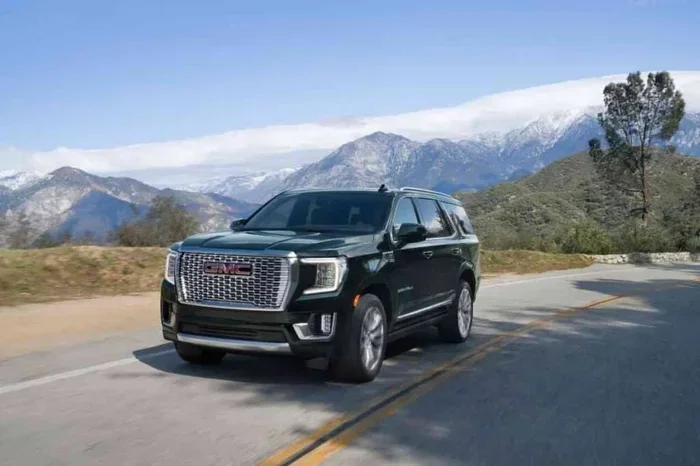
Here is the deal. The GMC Yukon is a full-size SUV built for power, comfort, and towing. It comes with some seriously strong engines. But whether you need to fill up with premium fuel or if regular gas will do the job depends on a few things. Let us break it all down so you can make the best choice for your wallet and your ride.
Key Takeaways
- The GMC Yukon does not strictly require premium gas — most models can run on regular 87 octane fuel without engine damage.
- Premium fuel can improve performance and responsiveness, especially in the 6.2L V8 engine options.
- Using regular gas may reduce fuel economy slightly, but it saves money at the pump.
- The manufacturer recommends premium gas for the best balance of power and efficiency in certain Yukon trims.
- Engine knocking or pinging is a sign you may need higher octane fuel.
- Your driving style and towing needs play a big role in deciding which fuel grade is best.
- Checking your owner’s manual is the easiest way to confirm the right fuel type for your specific Yukon model.
📑 Table of Contents
- What Type of Gas Does the GMC Yukon Use?
- Why Does the GMC Yukon Recommend Premium Gas?
- Does Using Regular Gas Hurt the GMC Yukon?
- How Much Does Premium Gas Cost More?
- What the Owner’s Manual Says About Fuel
- Common Mistakes Yukon Owners Make with Fuel
- Expert Tips for Getting the Best Fuel Economy in Your GMC Yukon
- Conclusion
What Type of Gas Does the GMC Yukon Use?
The GMC Yukon comes in several engine options. Each engine has its own fuel recommendation. The two most common engines in the Yukon are the 5.3L V8 and the 6.2L V8. Both are powerful. But they have different fuel needs.
For the 5.3L V8 engine, General Motors recommends regular unleaded gasoline with an octane rating of 87. This is the standard pump gas you find at almost every station. You do not need to spend extra on premium fuel for this engine.
The 6.2L V8 engine, which you will find in higher trims like the Denali, is a different story. This engine is designed to run best on premium gasoline with an octane rating of 91 or higher. The manufacturer recommends it, but it does not strictly require it. You can still use regular gas if needed.
Understanding Octane Ratings
Octane rating measures how well fuel resists engine knocking. Engine knocking happens when the air-fuel mixture ignites too early in the combustion chamber. It can sound like a rattling or pinging noise. Over time, it can hurt your engine.
Here is a quick look at the three common octane levels:
- Regular unleaded — 87 octane. This is the cheapest option at the pump.
- Mid-grade — 89 octane. Sits between regular and premium.
- Premium unleaded — 91 octane or higher. The highest quality fuel at most stations.
Most GMC Yukon models run fine on 87 octane. The 6.2L V8 engine just performs better with premium. So when people ask, “does the GMC Yukon require premium gas,” the real answer is it depends on which engine you have.
Why Does the GMC Yukon Recommend Premium Gas?
General Motors recommends premium fuel for the 6.2L V8 engine for a reason. This engine is tuned for high performance. It produces a lot of horsepower and torque. Premium gas helps the engine reach its full potential.
Here is what premium fuel does for the Yukon:
- Better combustion efficiency — Premium fuel burns more evenly. This means smoother power delivery.
- More horsepower — The engine can squeeze out extra power when it gets the fuel it was designed for.
- Reduced engine knock — Higher octane fuel resists premature ignition. This protects the engine over time.
- Improved towing performance — When you are hauling a heavy trailer, premium fuel helps the engine work less hard.
The 5.3L V8 engine is built differently. It uses a feature called Active Fuel Management. This means some cylinders shut off when you do not need full power. This system works great with regular gas. It helps save fuel during everyday driving.
Premium vs Regular: What Happens Inside the Engine?
When you put regular gas in a premium-recommended engine, the engine control module adjusts the timing. It retards the spark slightly to prevent knocking. This keeps the engine safe. But it also means you lose some of that extra power and efficiency.
Think of it like this. Premium gas is like premium food for your engine. It helps the engine run at its best. Regular gas works fine too. But you are not getting the full experience. The engine still runs. It just does not perform as well as it could.
Does Using Regular Gas Hurt the GMC Yukon?
Many Yukon owners worry that using regular gas will damage their engine. The good news is it will not. Modern GMC engines are designed to handle regular unleaded fuel safely. The engine sensors and computer adjust automatically to prevent any damage.
That said, there are a few things to keep in mind when you use regular gas in a Yukon that recommends premium:
- Slightly reduced acceleration — You may notice the Yukon feels a bit slower, especially when passing on the highway.
- Lower fuel economy — Some owners report a small drop in miles per gallon when using regular gas in a premium-recommended engine.
- Less towing power — If you regularly tow heavy loads, premium fuel helps the engine pull harder.
- Engine knock under heavy load — In rare cases, you might hear a slight pinging sound when the engine is working hard on regular gas.
None of these issues mean your engine is in danger. They just mean the engine is not running at its best. If you mostly drive your Yukon around town and do not tow, regular gas is a perfectly fine choice.
When Should You Switch to Premium Gas?
There are a few situations where premium gas makes sense even if your Yukon does not strictly require it:
- Heavy towing — If you pull a boat, trailer, or camper regularly, premium fuel helps the engine handle the extra weight.
- Hauling cargo — A fully loaded Yukon puts more stress on the engine. Premium fuel supports that extra demand.
- Hot weather driving — High temperatures can increase the chance of engine knock. Premium fuel helps prevent this.
- Mountain driving — Driving uphill for long stretches demands more from the engine. Premium fuel keeps things running smoothly.
- You want the full Denali experience — If you invested in a Denali trim, premium fuel helps you get the most out of the premium engine.
How Much Does Premium Gas Cost More?
Let us talk about money, because that is what matters to most people. Premium gas costs more than regular gas. The difference varies by location. But on average, premium costs about 30 to 50 cents more per gallon than regular.
Here is a simple comparison:
- Regular gas (87 octane) — Around $3.00 to $3.50 per gallon on average.
- Premium gas (91 octane) — Around $3.50 to $4.00 per gallon on average.
The GMC Yukon has a large fuel tank. The 5.3L V8 models hold about 24 gallons. The 6.2L V8 models also hold around 24 gallons. Filling up with premium gas means spending roughly $12 to $20 more per tank compared to regular gas.
Over a year, if you fill up once a week, that adds up. Using regular gas instead of premium could save you $600 to $1,000 per year. That is real money. For many Yukon owners, the savings are worth it.
Fuel Cost Comparison Table
Here is a quick look at how fuel costs compare for the GMC Yukon over one year of driving:
- Regular gas (87 octane) — 15,000 miles per year, 16 mpg average = 938 gallons per year. At $3.25 per gallon, that is about $3,044 per year.
- Premium gas (91 octane) — Same mileage, 15 mpg average = 1,000 gallons per year. At $3.75 per gallon, that is about $3,750 per year.
- Annual difference — About $706 more per year when using premium fuel instead of regular.
These numbers are estimates. Your actual mileage and fuel prices will vary. But the point is clear. Using regular gas can save you a significant amount of money over time.
What the Owner’s Manual Says About Fuel
Your GMC Yukon owner’s manual is the best place to find the exact fuel recommendation for your specific model. Every Yukon is different. The year, trim level, and engine type all matter.
Here is what you should look for in the manual:
- Fuel type recommendation — The manual will clearly state whether premium or regular fuel is recommended.
- Minimum octane rating — This tells you the lowest octane the engine can safely use.
- Engine specifications — You will find details about horsepower, torque, and fuel system design.
- Towing guidelines — The manual often includes fuel recommendations for towing situations.
If you do not have the manual anymore, you can find a digital copy on the GMC website. Just enter your Yukon’s year and model. The fuel recommendation will be listed clearly.
Quick Tip: Check the Fuel Door
Another easy way to find the fuel recommendation is to look inside the fuel door. Most GMC Yukons have a sticker or printing that says the recommended fuel type. It is right there when you open the tank. No need to dig through the manual.
Common Mistakes Yukon Owners Make with Fuel
There are a few mistakes that Yukon owners make when it comes to fuel. Avoiding these can save you money and keep your engine running strong.
Mistake 1: Always Using Premium Gas
If you have the 5.3L V8 engine, there is no need to use premium gas. You are paying extra for something your engine does not need. Save your money and use regular unleaded.
Mistake 2: Never Using Premium Gas
On the flip side, if you have the 6.2L V8 engine and you only use regular gas, you are leaving performance on the table. The engine works harder and may not last as long without the proper fuel.
Mistake 3: Mixing Fuel Grades
Some people alternate between regular and premium gas. This is fine in a pinch. But making a habit of it can confuse the engine’s computer. Stick to one fuel grade for best results.
Mistake 4: Ignoring Engine Knock
If you hear a knocking or pinging sound from the engine, do not ignore it. This is a sign that the fuel is not right for your engine. Switch to a higher octane fuel and see if the noise goes away.
Mistake 5: Buying Gas from Unknown Stations
Not all gas stations are the same. Some sell lower quality fuel that may contain more contaminants. Stick to well-known stations with a good reputation. Your engine will thank you.
Expert Tips for Getting the Best Fuel Economy in Your GMC Yukon
Whether you use regular or premium gas, there are ways to get the most out of every gallon. Here are some expert tips that actually work:
- Keep your tires properly inflated — Underinflated tires create drag and reduce fuel economy.
- Remove excess weight — Extra cargo in the back makes the engine work harder.
- Use cruise control on the highway — Steady speeds improve fuel efficiency.
- Avoid aggressive driving — Fast acceleration and hard braking burn more fuel.
- Keep up with oil changes — Clean oil reduces engine friction and improves performance.
- Use the recommended fuel grade — This is the simplest way to ensure your engine runs efficiently.
These small habits add up over time. They can improve your fuel economy by a few miles per gallon. That means fewer trips to the gas station and more money in your pocket.
Conclusion
So, does the GMC Yukon require premium gas? The answer is no, not for all models. The 5.3L V8 engine runs well on regular 87 octane fuel. The 6.2L V8 engine recommends premium fuel for the best performance, but it is not a strict requirement.
Using regular gas will not damage your GMC Yukon. It will not void your warranty. It is a safe and affordable option for most driving situations. But if you want the full power and efficiency of your Yukon, especially the Denali models, premium gas is the way to go.
At the end of the day, the right fuel choice comes down to your driving habits, your budget, and your engine type. Check your owner’s manual. Know your engine. And make the choice that works best for you. Your GMC Yukon is a powerful machine. Give it the fuel it needs, and it will take care of you for years to come.
Frequently Asked Questions
Can I put regular gas in a GMC Yukon that recommends premium?
Yes, you can. Modern GMC Yukon engines have sensors that adjust the ignition timing to prevent damage when you use regular gas. The engine will still run fine. You may notice a slight drop in performance and fuel economy, but there is no risk of engine damage.
What happens if I accidentally put regular gas in a GMC Yukon Denali?
Nothing bad will happen. The engine control module will automatically adjust to prevent knocking. You might notice a small decrease in power and acceleration. Next time you fill up, switch back to premium gas and the engine will return to its normal performance level.
Does using premium gas improve the GMC Yukon’s towing capacity?
Premium gas helps the engine perform at its best, which can make a noticeable difference when towing heavy loads. The higher octane fuel allows for more efficient combustion. This can improve towing power and reduce strain on the engine during long hauls.
How often should I use premium gas in my GMC Yukon?
If you have the 6.2L V8 engine, using premium gas most of the time is ideal. You can switch to regular gas occasionally without any issues. For the 5.3L V8 engine, regular gas is perfectly fine for everyday use. Save premium gas for heavy towing or high-performance driving.
Is premium gas worth the extra cost for a GMC Yukon?
It depends on how you use your Yukon. If you tow frequently, haul heavy loads, or drive in demanding conditions, premium gas is worth the extra cost. If you mainly use your Yukon for commuting and light driving, regular gas will save you money without any real downside.
Can using the wrong fuel type void my GMC Yukon warranty?
Using regular gas in a Yukon that recommends premium will not void your warranty. General Motors designs these engines to safely run on regular fuel. However, consistently using the wrong fuel under heavy load conditions could potentially cause engine issues that might not be covered under warranty.