Do You Have to Reset After an Oil Change Explained
Do you have to reset after an oil change? The short answer is yes. Resetting your oil change indicator after a fresh oil change keeps your maintenance reminder accurate and helps you track your next service interval. Whether you drive a sedan, truck, or SUV, this simple step ensures your car stays on top of its preventive maintenance schedule and protects your engine long-term.
So you just got your oil changed. Great job taking care of your car! But now you notice something. That little oil can symbol on your dashboard is still staring back at you. It begs the question. Do you have to reset after an oil change? The answer is yes, and it is more important than you might think.
Many car owners skip this step and never think twice about it. But here is the thing. That blinking or steady warning light is your vehicle’s way of keeping track of its health. When you ignore it after an oil change, you throw off your entire maintenance schedule. This guide will walk you through everything you need to know. We will cover why resetting matters, how to do it, and what happens when you forget.
Whether you are a DIY car person or someone who prefers letting a mechanic handle things, understanding the oil change reset process is a must. Let us dive in and make sure your car stays in top shape.
Key Takeaways
- Resetting is essential: Skipping the reset means your car may not remind you when the next oil change is due.
- Every vehicle is different: The reset process varies by make, model, and year, so always check your owner’s manual.
- It takes just minutes: Most reset procedures are quick and can be done at home with no tools.
- Forgetting to reset can cause problems: An inaccurate maintenance light leads to missed or late oil changes.
- Professional help is available: If you cannot reset it yourself, any mechanic or dealership can handle it quickly.
- Oil life monitoring systems differ: Some cars use algorithms while others rely on simple mileage counters.
- Resetting is not the same as clearing a check engine light: These are two separate systems with different purposes.
📑 Table of Contents
- What Is an Oil Change Reset?
- Why Do You Need to Reset After an Oil Change?
- How to Reset Your Oil Change Light Step by Step
- Common Mistakes People Make When Resetting
- What Happens If You Don’t Reset?
- When to Seek Professional Help
- Oil Change Reset by Vehicle Brand
- Oil Change Reset and Preventive Maintenance
- Key Takeaways
What Is an Oil Change Reset?
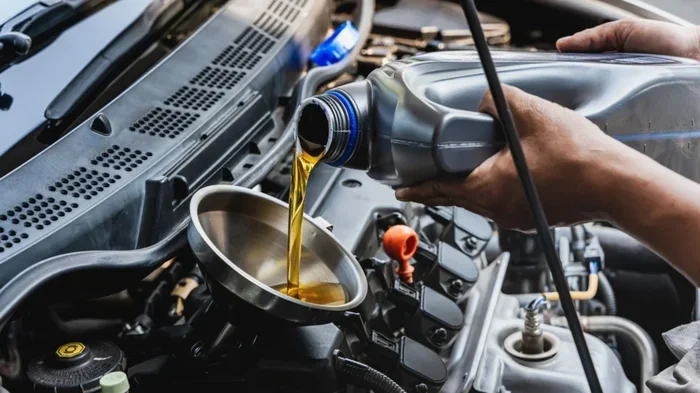
An oil change reset is a simple procedure that clears the maintenance reminder on your dashboard. After your mechanic or you yourself drains the old oil and drops in fresh oil, the system needs to know. The reset tells your car that a new oil change has been completed. This way, the oil life monitoring system can start tracking the next service interval from zero.
How Oil Life Monitoring Systems Work
Most modern vehicles come equipped with an oil life monitoring system. This smart feature does not just count miles. It actually tracks your driving habits. Things like short trips, extreme temperatures, and heavy towing all factor in. The system uses an algorithm to estimate when your oil is degrading. When it decides the oil needs changing, it triggers the dashboard warning light.
Older vehicles use a simpler approach. They rely on a fixed mileage interval, usually around 3,000 to 5,000 miles. The reset on these older models is straightforward. You simply clear the counter and set it to the new interval. But newer cars with advanced systems need a specific reset procedure. This varies by manufacturer.
The oil change indicator is part of your car’s broader vehicle maintenance schedule. It works hand in hand with other reminders like tire rotation alerts and brake inspection warnings. Together, these systems keep you on top of routine car maintenance tips without having to guess.
Why the Reset Button Matters
The reset button or reset procedure exists for one main reason. Accuracy. Without resetting, your car thinks the oil change never happened. The light stays on or comes back on too soon. This can be confusing and annoying. Worse, it can make you ignore a real warning later on. That is called warning fatigue, and it is dangerous.
Why Do You Need to Reset After an Oil Change?
Let us be honest. Some people think skipping the reset is no big deal. But there are real consequences. Understanding why this step matters can save you time, money, and headaches down the road.
Keeping Your Maintenance Schedule on Track
Your car’s service interval is the distance or time between oil changes. Most manufacturers recommend changing oil every 5,000 to 7,500 miles for modern vehicles. Some cars with synthetic oil change intervals can go even longer, up to 10,000 or 15,000 miles. If you do not reset the system after each change, the oil change tracker becomes unreliable.
Imagine driving 6,000 miles past your next due date because the system still thinks you are 4,000 miles away from the last change. That is a lot of dirty oil running through your engine. Clean oil lubricates engine parts, reduces friction, and removes debris. Old oil loses its effectiveness. It breaks down and stops protecting your engine properly.
Protecting Your Engine Long-Term
Engine oil is the lifeblood of your vehicle. It keeps everything running smoothly. When oil gets old, it turns into sludge. Sludge clogs passages and reduces lubrication. Over time, this leads to increased wear and tear. In worst cases, it can cause engine failure. Resetting your oil change light after every service ensures you never run the risk of driving on overdue oil.
Think of the reset as a small commitment that pays big dividends. It takes less than five minutes in most cases. And it keeps your engine protected for thousands of miles to come.
Avoiding Confusion and False Warnings
A stuck-on oil change light can cause real confusion. Is there an actual problem with the engine? Did something go wrong during the oil change? These thoughts can stress you out unnecessarily. A simple reset clears the doubt and gives you peace of mind.
Additionally, if you ever sell or trade in your vehicle, an accurate maintenance history matters. Buyers and dealerships look at service records and dashboard indicators. A properly reset system shows that the vehicle has been well cared for.
How to Reset Your Oil Change Light Step by Step
The reset process is different for every vehicle. But the general idea is the same across most makes and models. Below are the most common methods. Always refer to your owner’s manual for the exact steps for your specific car.
Method 1: Using the Steering Wheel Controls
Many newer vehicles allow you to reset the oil change light through the steering wheel buttons. Here is a general approach that works for many brands like Toyota, Honda, and Ford.
- Turn the ignition to the “ON” position without starting the engine.
- Use the steering wheel arrows to navigate to the maintenance menu.
- Find the option labeled “Oil Life” or “Reset Maintenance.”
- Press and hold the OK or Reset button for several seconds.
- The display should show “Reset Successful” or similar wording.
- Turn the ignition off and then start the car to confirm the light is gone.
Method 2: Using the Trip Meter
Some vehicles use the trip meter as part of the reset process. This method is common on older models and certain brands like Chevrolet and Nissan.
- Turn the ignition to the “ON” position.
- Set the trip meter to show total mileage.
- Locate the reset button on the instrument cluster or trip stalk.
- Press and hold the reset button while turning the ignition to the “ON” position.
- Hold it for about 10 seconds until the light flashes or resets.
- Release the button and turn the ignition off.
Method 3: Using the Infotainment System
Modern vehicles with touchscreen infotainment systems often have a digital reset option. This is common in cars from brands like BMW, Mercedes-Benz, and Subaru.
- Go to the vehicle settings menu on the screen.
- Look for “Vehicle Maintenance” or “Service Records.”
- Select the oil life reset option.
- Follow the on-screen prompts to complete the reset.
Method 4: Using a Diagnostic Tool or App
If you are tech-savvy, you can use an OBD2 scanner or a manufacturer-specific app to reset the oil life system. These tools connect to the diagnostic port under your dashboard. They read and clear maintenance codes electronically. This method works for almost any vehicle and gives you detailed information about your car’s health.
Some popular options include apps like FORNAX or tools like Autel and Innova scanners. These are great investments if you like doing your own car maintenance tips and tracking your service history.
Quick Tips for a Successful Reset
- Always reset after every oil change. Do not wait or forget.
- Check your owner’s manual first. The exact steps vary widely between models.
- Make sure the ignition is in the right position. “ON” but not “START” is usually the correct setting.
- Hold buttons long enough. A quick tap usually will not work. Hold for 5 to 10 seconds.
- Confirm the reset worked. Start the engine and check that the light is off.
Common Mistakes People Make When Resetting
Resetting the oil change light sounds simple, but mistakes happen. Here are the most common ones and how to avoid them.
Resetting Without Actually Changing the Oil
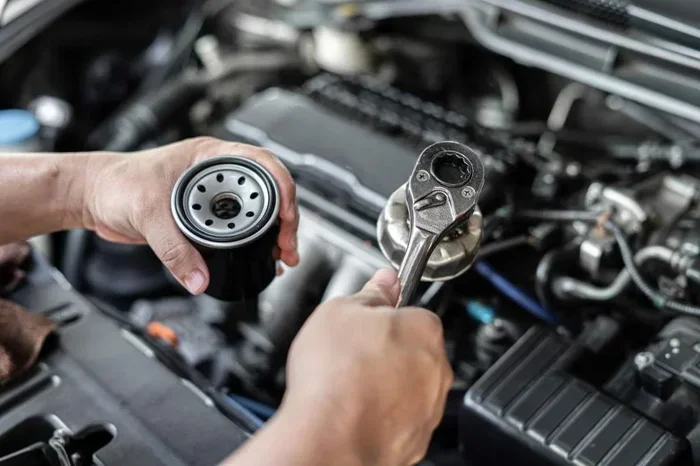
This is the biggest mistake people make. They reset the light because the reminder is annoying, but they have not actually changed the oil yet. This defeats the entire purpose of the maintenance system. Never reset the light unless fresh oil and a new oil filter have been installed.
Using the Wrong Reset Procedure
Every vehicle has its own reset sequence. Using the wrong method can lead to confusion or even error messages. If you are unsure, search online for your specific make and model. Most forums and YouTube videos walk you through the exact steps.
Ignoring Other Dashboard Warnings
A common mix-up is confusing the oil change light with the check engine light or the oil pressure warning. These are different indicators. The oil change light is a maintenance reminder. The oil pressure warning signals a serious, immediate problem. If you see a red oil pressure light, stop driving and check your oil level right away.
Forgetting to Reset After DIY Oil Changes
If you change your own oil at home, it is easy to forget the reset step. You are focused on draining the old oil, putting in the new oil, and disposing of the waste. The reset slips your mind. Make it a habit. Add it to your checklist right after you finish the oil change.
What Happens If You Don’t Reset?
So what is the worst that could happen if you skip the reset? Let us break it down.
Inaccurate Service Intervals
The most immediate effect is inaccurate tracking. Your car will not know when the next oil change is due. It may remind you too early or too late. Both scenarios are problematic. Too early means unnecessary trips to the shop. Too late means running on degraded oil, which risks engine damage.
Diminished Warning Reliability
If your oil life monitoring system is constantly out of sync, you may start ignoring it altogether. When a real issue arises, you might not take the warning seriously. This is a dangerous habit that can lead to costly repairs.
Reduced Resale Value
Buyers and dealers check maintenance records. A car with an inconsistent service history raises red flags. Properly resetting your maintenance light after each oil change contributes to a clean and trustworthy service record.
Potential Voiding of Warranty
Some vehicle warranties require proof of regular maintenance. If your manufacturer recommended maintenance schedule shows gaps due to missed resets, it could complicate a warranty claim. Keeping accurate records protects your investment.
When to Seek Professional Help
Most oil change resets are easy to do at home. But there are times when professional help is the right call.
Your Reset Procedure Is Not Working
If you have followed the steps in your owner’s manual and the light will not go off, do not panic. Sometimes the system needs a professional reset tool. A mechanic or dealership has access to advanced diagnostic equipment that can clear stubborn maintenance lights.
You Are Unsure About the Process
There is no shame in asking for help. Many quick-lube shops like Jiffy Lube or Valvoline will reset the light for free as part of their oil change service. Just ask them to do it before you leave.
The Light Comes Back After Resetting
If the oil change light returns shortly after a reset, there may be a deeper issue. It could indicate a problem with the oil quality sensor or the oil life monitoring system itself. A professional mechanic can diagnose the root cause and fix it properly.
You Drive a Luxury or European Vehicle
European brands like BMW, Audi, and Mercedes-Benz often have more complex reset procedures. Their systems may require specific tools or software. If you own one of these vehicles, it is perfectly fine to let a specialist handle the reset.
Oil Change Reset by Vehicle Brand
Here is a quick comparison of how reset procedures differ across popular brands. This table gives you a general idea. Always double-check with your owner’s manual for the latest information.
| Brand | Reset Method | Difficulty Level |
|---|---|---|
| Toyota | Steering wheel controls or trip meter | Easy |
| Honda | Steering wheel controls or infotainment | Easy |
| Ford | Steering wheel controls or infotainment | Easy to Moderate |
| Chevrolet | Trip meter method or infotainment | Easy to Moderate |
| BMW | Infotainment system or iDrive menu | Moderate |
| Jeep | Steering wheel controls or trip meter | Easy |
| Nissan | Trip meter method | Easy |
| Subaru | Infotainment system | Moderate |
As you can see, most vehicles make the process fairly simple. A few minutes and a quick search online for your specific model is all you need. The key is to just do it after every single oil change.
Oil Change Reset and Preventive Maintenance
Resetting your oil change light is one piece of a larger puzzle. It fits into a broader approach called preventive maintenance. This means staying ahead of potential problems before they become expensive repairs.
Regular oil changes are at the top of the preventive maintenance list. But they are not the only thing. Tire rotations, brake inspections, coolant flushes, and transmission services all play a role. Your vehicle’s maintenance schedule outlines these intervals. Keeping your dashboard indicators accurate through regular resets helps you stay on track with all of them.
Using the right engine oil type also matters. Whether you use conventional oil, synthetic blend, or full synthetic, make sure it matches your manufacturer’s recommendation. The wrong oil type can degrade faster and trigger the maintenance light sooner than expected.
Finally, keep a log of every oil change. Note the date, mileage, oil type, and filter used. This log becomes a valuable reference. It helps you track patterns and catch potential issues early. Many car owners keep this log in a simple notebook or use a phone app designed for oil change tracker purposes.
Key Takeaways
- Resetting is essential: Skipping the reset means your car may not remind you when the next oil change is due.
- Every vehicle is different: The reset process varies by make, model, and year, so always check your owner’s manual.
- It takes just minutes: Most reset procedures are quick and can be done at home with no tools.
- Forgetting to reset can cause problems: An inaccurate maintenance light leads to missed or late oil changes.
- Professional help is available: If you cannot reset it yourself, any mechanic or dealership can handle it quickly.
- Oil life monitoring systems differ: Some cars use algorithms while others rely on simple mileage counters.
- Resetting is not the same as clearing a check engine light: These are two separate systems with different purposes.
Frequently Asked Questions
Do I have to reset the oil change light every time I get an oil change?
Yes, you should reset the light every single time you get an oil change. The reset tells your car’s oil life monitoring system that fresh oil has been installed. Without it, the system will not accurately track your next service interval. It only takes a few minutes and keeps your maintenance schedule on point.
Can I drive with the oil change light on after getting an oil change?
Technically yes, but you should not. The light is a reminder that the system has not been updated. While driving a short distance with it on will not damage your engine, ignoring it long-term can lead to missed oil changes. Always reset the light right after an oil change for the best results.
What is the difference between an oil change light and a check engine light?
The oil change light is a maintenance reminder that tells you when it is time for an oil change. The check engine light signals a potential problem with your engine or emissions system. They are completely separate systems. Resetting the oil change light does not affect the check engine light and vice versa.
How often should I reset my oil change light?
You should reset it after every oil change. Most vehicles need an oil change every 5,000 to 7,500 miles, depending on the engine oil type and driving conditions. Each time you get fresh oil, take a moment to reset the indicator. This keeps your oil change tracker accurate and your engine protected.
Will resetting the oil change light clear other dashboard warnings?
No. The oil change reset only affects the maintenance reminder for oil changes. It will not clear other warnings like a low tire pressure light or a check engine light. Each warning has its own reset procedure. If other lights are on, address those issues separately.
What if my oil change light will not go off after resetting?
If the light stays on after a proper reset, there could be a few reasons. The oil life system may need a professional reset with diagnostic tools. There could also be a sensor issue or a problem with the oil quality sensor. In this case, visit a mechanic or dealership to have them inspect the system and resolve the issue.
=== CONCLUSION ===
So, do you have to reset after an oil change? The answer is a clear and definitive yes. It is a small step that makes a big difference. Resetting your oil change indicator after every service keeps your maintenance schedule accurate, your engine protected, and your dashboard honest. It takes just a few minutes and can be done at home with no special tools.
Whether your car uses a simple mileage counter or a sophisticated oil life monitoring system, the reset process is straightforward. Follow the steps in your owner’s manual, or refer to the methods we covered in this guide. The key is consistency. Make it a habit every time you get an oil change.
Do not let a simple oversight lead to bigger problems down the road. A properly reset system gives you confidence that your vehicle is being maintained correctly. It protects your engine, preserves your resale value, and gives you peace of mind every time you hit the road.
Take the extra two minutes after your next oil change. Reset that light. Your car will thank you for it. And remember, preventive maintenance is always easier and cheaper than major repairs. Stay on top of your service schedule and enjoy a smoother, healthier ride for miles to come.