Can You Go a Year Between Oil Changes Without Damage
You can sometimes go a year between oil changes, but it depends on your oil type, driving habits, and vehicle model. Modern synthetic oils last much longer than conventional options, which makes extended intervals possible for many drivers. However, severe driving conditions can shorten oil life significantly, so you need to know your risk factors. This guide breaks down everything you need to make the right call for your engine.
Let’s talk about something every car owner faces at some point. You look at your calendar. Six months have passed since your last oil change. Or maybe a full year. And you think, “Can I really go a year between oil changes without causing damage?” It is a fair question. Modern cars and modern oils have changed the rules. But the answer isn’t a simple yes or no. It depends on several factors that we will walk through together.
The truth is that going a full year without an oil change can be safe for some vehicles and risky for others. Your driving style, the type of oil you use, your vehicle age, and even where you live all play a role. This article will give you a clear picture so you can make the best decision for your engine. We will cover what happens inside your engine when oil sits too long, how different oil types compare, and what the experts actually recommend.
By the end, you will know exactly whether a year-long oil change interval works for your car. You will also learn the warning signs that mean your oil needs attention right away. No fluff. No guesswork. Just practical advice backed by real-world knowledge.
Key Takeaways
- Synthetic oil can last up to a year or more: Full synthetic formulations resist breakdown better than conventional oil.
- Driving conditions matter more than you think: Short trips, extreme heat, and towing count as severe driving.
- Check your owner’s manual first: Manufacturer recommendations are your best starting point for oil change intervals.
- Oil life monitors help but aren’t perfect: They track driving patterns but can sometimes give inaccurate readings.
- Skipping oil changes risks engine sludge: Old oil loses its ability to lubricate, which leads to costly repairs.
- When in doubt, change it sooner: Prevention is always cheaper than engine replacement.
📑 Table of Contents
- What Happens When You Go Too Long Between Oil Changes
- How Long Can Oil Actually Last in Your Engine
- Synthetic Oil vs Conventional Oil: Does It Matter?
- Severe Driving Conditions: The Hidden Risk Factors
- Manufacturer Recommendations vs Real-World Reality
- The Bottom Line: Should You Go a Year Between Oil Changes?
- Conclusion
What Happens When You Go Too Long Between Oil Changes
The Science Behind Oil Breakdown
Engine oil does more than just lubricate. It cools moving parts, fights corrosion, and traps contaminants. Over time, all of that hard work takes a toll. Heat and pressure break down the oil’s chemical structure. This process is called oil degradation. When oil degrades, it loses its viscosity, which means it gets thinner or thicker than it should be.
Degraded oil cannot protect your engine the way fresh oil does. The additives that keep your engine clean start to wear out. Detergents neutralize. Anti-wear agents deplete. The result is increased friction between metal parts. That friction leads to heat, wear, and eventually, engine damage.
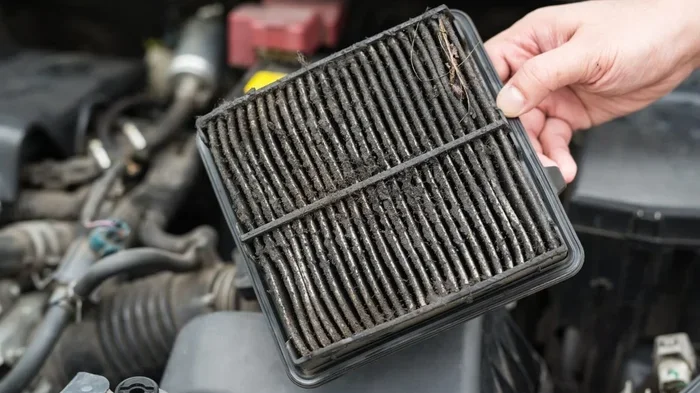
Another problem is contamination. Tiny metal particles, dust, and combustion byproducts build up in the oil. The oil filter catches a lot of these particles. But over time, the filter gets saturated. Once that happens, contaminants circulate freely through your engine. That is a recipe for trouble.
Engine Sludge: The Silent Killer
One of the most serious risks of going too long without an oil change is engine sludge. Sludge forms when old oil oxidizes and mixes with dirt and moisture. It is a thick, dark substance that clogs oil passages. When oil cannot flow properly, parts of your engine starve for lubrication.
Sludge buildup can block oil flow to critical areas like the camshaft and crankshaft. These are high-speed components that rely on a constant flow of clean oil. Without it, they overheat and fail. Repairing sludge damage is expensive. In many cases, it means a full engine rebuild or replacement.
Sludge forms faster in certain conditions. If you frequently take short trips under five miles, your engine never fully warms up. Moisture collects in the oil and does not evaporate. Over months, this moisture accelerates sludge formation. Short-trip driving is one of the biggest hidden enemies of engine oil.
How Long Can Oil Actually Last in Your Engine
Time-Based vs Mileage-Based Intervals
There are two ways to think about oil change intervals. The first is time-based, which means changing oil after a certain number of months. The second is mileage-based, which means changing oil after a certain number of miles. Most vehicle manufacturers recommend both. For example, they might say “change your oil every 7,500 miles or every six months, whichever comes first.”
Time matters because oil sits in the engine even when you do not drive. Over months, moisture accumulates. Acids form. Additives slowly lose their potency. This is why many experts still recommend changing oil at least twice a year, even if you drive fewer than the mileage limit.
However, modern oils have improved dramatically. Full synthetic oil can last significantly longer than conventional oil. Some synthetic formulations are rated for 10,000 to 15,000-mile intervals. That opens the door to a once-a-year oil change for low-mileage drivers.
What Your Oil Life Monitor Actually Tells You
Many newer vehicles come equipped with an oil life monitor. This system tracks your driving patterns and estimates when your oil needs changing. It considers factors like engine temperature, driving time, and number of starts.
Here is the catch. Oil life monitors are not always perfectly accurate. They are designed to give a general estimate. Some systems are more conservative than others. A few may push the interval too far, especially if your driving habits fall into the severe category.
The best approach is to use the oil life monitor as a guide, not a gospel. If your monitor says it is time for a change, do not ignore it. And if you drive in harsh conditions, consider changing your oil sooner than the monitor suggests.
Quick Tips for Tracking Oil Life
- Reset your oil life monitor after every oil change.
- Keep a log of oil change dates and mileage in your phone or glovebox.
- Do not rely only on the monitor. Use the calendar too.
- Check your oil level monthly between changes to catch any leaks early.
Synthetic Oil vs Conventional Oil: Does It Matter?
This is one of the most important questions in the entire oil change debate. The short answer is yes, it matters a lot. The type of oil you use directly affects how long it can last between changes.
Conventional Oil: The Standard Choice
Conventional oil is refined directly from crude petroleum. It has been the standard for decades. It works well for normal driving conditions and provides adequate engine protection. However, conventional oil breaks down faster than synthetic. Its additive package wears out more quickly too.
With conventional oil, most experts recommend changing every 3,000 to 5,000 miles. That translates to roughly three to four times per year for the average driver. Going a full year on conventional oil is generally not recommended. The risk of oil breakdown and contamination is simply too high.
Synthetic Oil: The Long-Lasting Alternative
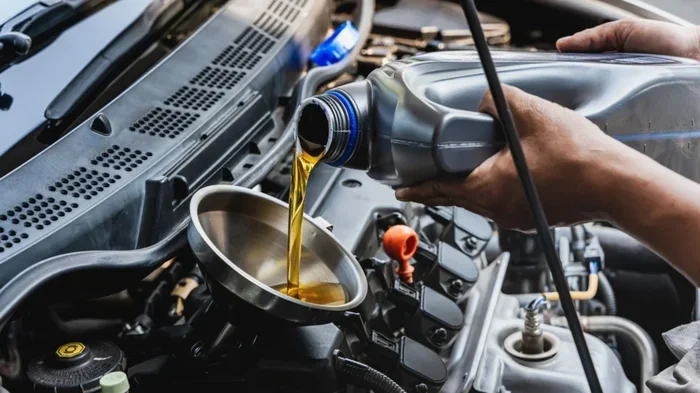
Full synthetic oil is artificially engineered in a lab. It starts with a cleaner base stock and includes advanced additive packages. The result is oil that resists heat, oxidation, and sludge formation far better than conventional oil.
Synthetic oil maintains its viscosity longer, meaning it flows properly at both cold startup and high operating temperatures. It also contains superior detergents that keep engine internals cleaner. Many vehicle manufacturers now approve 7,500 to 15,000-mile intervals for synthetic oil.
For drivers who cover fewer than 5,000 miles per year, synthetic oil makes a once-a-year oil change very practical. The oil retains its protective properties for the full 12 months. Just make sure you are using a high-quality synthetic product that meets your vehicle’s specifications.
Comparison: Conventional vs Synthetic Oil
| Factor | Conventional Oil | Synthetic Oil |
|---|---|---|
| Recommended Interval | 3,000 – 5,000 miles | 7,500 – 15,000 miles |
| Heat Resistance | Moderate | Excellent |
| Sludge Protection | Fair | Strong |
| Cost Per Change | $30 – $50 | $50 – $80 |
| Yearly Cost (avg. driver) | $120 – $200 | $100 – $160 |
| Best For | Older vehicles, normal driving | Modern engines, severe conditions |
Common Mistakes with Oil Type Selection
One common mistake is using whatever oil is cheapest at the auto parts store. Not all oils are created equal. Always check your owner’s manual for the recommended oil viscosity and specification. Using the wrong grade can reduce engine protection and potentially void your warranty.
Another mistake is assuming synthetic blend is the same as full synthetic. A synthetic blend mixes conventional and synthetic oils. It offers some benefits but does not last as long as full synthetic. If you want to go a year between changes, full synthetic is the way to go.
Severe Driving Conditions: The Hidden Risk Factors
Here is something many car owners do not realize. Even if you follow the recommended mileage interval, certain driving conditions can make your oil age faster. Manufacturers define what they call “severe service” conditions. These are situations that put extra stress on your engine and your oil.
What Counts as Severe Driving?
Severe driving includes any of the following scenarios:
- Frequent short trips under five miles, especially in cold weather.
- Stop-and-go traffic for extended periods.
- Towing or hauling heavy loads.
- Driving in extreme heat or extreme cold.
- Dusty or gravel roads that expose the engine to more particles.
- Idling for long periods, such as waiting in long drive-through lines.
If any of these describe your driving habits, you should shorten your oil change interval. Going a full year between changes is risky under severe conditions. Most experts recommend cutting the interval in half. So instead of once a year, aim for every six months.
Expert Insight: Why Short Trips Are Especially Harmful
Short trips are deceptive because they look harmless. You drive to the grocery store, come home, and your odometer barely moved. But your engine never reached full operating temperature. Fuel condensation mixes with the oil. Acids form. Moisture stays trapped. Over weeks and months, this creates a perfect storm for sludge and corrosion.
Expert mechanics often advise drivers who mostly take short trips to change their oil every 3,000 to 5,000 miles regardless of the oil type. The extra cost is worth protecting your engine from premature wear.
Manufacturer Recommendations vs Real-World Reality
What Your Owner’s Manual Says
Your vehicle’s owner manual is the best place to start. It contains the manufacturer’s recommended oil change interval for your specific engine. Modern vehicles often list two intervals: one for normal driving and one for severe driving. The severe interval is usually shorter and more conservative.
For example, many newer cars with synthetic oil recommend 7,500-mile or even 10,000-mile intervals under normal conditions. That easily fits within a yearly timeline for the average driver who covers about 7,000 to 10,000 miles per year.
But here is where real life gets complicated. The average American drives about 13,500 miles per year. If you fall into that range, a 7,500-mile interval means you need two oil changes per year. Going a full year without a change would mean you have exceeded the recommended mileage.
When Manufacturer Intervals Are Too Long
Some independent mechanics and oil change chains have noticed something interesting. They see vehicles that follow extended manufacturer intervals and still show signs of premature engine wear. Oil analysis tests on these vehicles reveal contamination levels that exceed safe limits.
This does not mean every manufacturer’s interval is wrong. But it does suggest that real-world driving conditions are often harsher than the test conditions used to develop those intervals. If you want peace of mind, consider changing your oil slightly more often than the maximum recommended interval.
Quick Tips for Following Manufacturer Guidelines
- Check your owner’s manual for both normal and severe service intervals.
- Be honest about your driving habits. If most of your trips are short, use the severe interval.
- Use the recommended oil weight and specification listed in your manual.
- Change your oil filter every time you change the oil, regardless of the interval.
The Bottom Line: Should You Go a Year Between Oil Changes?
So, can you go a year between oil changes without damage? The honest answer is: it depends. For modern vehicles using full synthetic oil, driving under normal conditions, and covering fewer than 7,500 miles per year, a yearly oil change is generally safe. The oil will still have adequate protective properties at the 12-month mark.
However, if you drive more than 7,500 miles per year, go a year between changes, and exceed the recommended mileage. That is where problems start. Old oil loses its ability to protect your engine. Additives deplete. Contaminants build up. The risk of engine wear and sludge increases with every mile past the recommended interval.
For drivers who take frequent short trips, tow trailers, or drive in extreme temperatures, once a year is too long. These conditions accelerate oil degradation. You should change your oil every 5,000 to 7,500 miles or every six months, whichever comes first.
The safest approach is simple. Know your driving habits. Use quality synthetic oil. Follow your manufacturer’s guidelines. And when you are unsure, change your oil a little earlier rather than later. A few dollars spent on an extra oil change is nothing compared to the cost of repairing engine damage caused by old, degraded oil.
Your engine is the most expensive component in your vehicle. Treating it well with timely oil changes is one of the simplest and most cost-effective things you can do. A year between oil changes can work. But only if you understand the conditions and stay proactive about your vehicle maintenance schedule.
Conclusion
Going a year between oil changes is possible for some drivers but not for everyone. The key factors are your oil type, driving conditions, mileage, and vehicle age. Synthetic oil gives you the most flexibility for extended intervals. But even synthetic oil has its limits. If you drive in severe conditions or cover high mileage, stick to a six-month or shorter interval.
Do not let the convenience of extended intervals trick you into neglecting your engine. Regular oil changes are the single most important thing you can do for your vehicle’s longevity. Set a reminder on your phone. Mark your calendar. Keep track of your mileage. Small habits like these add up to a healthier engine and fewer unexpected repairs down the road.
Take control of your engine oil life today. Your future self and your wallet will thank you.
Frequently Asked Questions
Is it okay to go 12 months without an oil change?
For many modern vehicles using full synthetic oil and driven under normal conditions, 12 months is acceptable. However, if you drive more than 5,000 to 7,500 miles in that year, you should change the oil based on mileage instead of time. Always check your owner’s manual for guidance.
What happens if you wait too long between oil changes?
Waiting too long allows oil to degrade and lose its lubricating properties. Contaminants build up, sludge forms, and engine components experience increased friction and wear. Over time, this can lead to expensive engine repairs or even complete engine failure.
Does synthetic oil really last a year?
Yes, full synthetic oil can last up to a year or longer under ideal conditions. It resists oxidation and breakdown better than conventional oil. But severe driving, extreme temperatures, and high mileage can shorten its effective life regardless of the oil type.
How often should I change my oil if I drive less than 3,000 miles a year?
Even with low mileage, oil degrades over time due to moisture accumulation and additive depletion. Most experts recommend changing oil at least once a year for low-mileage drivers. This keeps the engine protected from sludge and corrosion.
Can an oil life monitor tell me when my oil is bad?
An oil life monitor estimates oil life based on driving patterns, but it is not a direct measure of oil quality. It can be inaccurate, especially under severe driving conditions. Use the monitor as a guide, but also follow time-based and mileage-based intervals from your owner’s manual.
Are oil change intervals longer for newer cars?
Yes, newer vehicles with modern engines and synthetic oil often have longer intervals, sometimes up to 10,000 or 15,000 miles. However, these intervals assume normal driving conditions. If your driving habits fall into the severe category, you should shorten the interval accordingly.