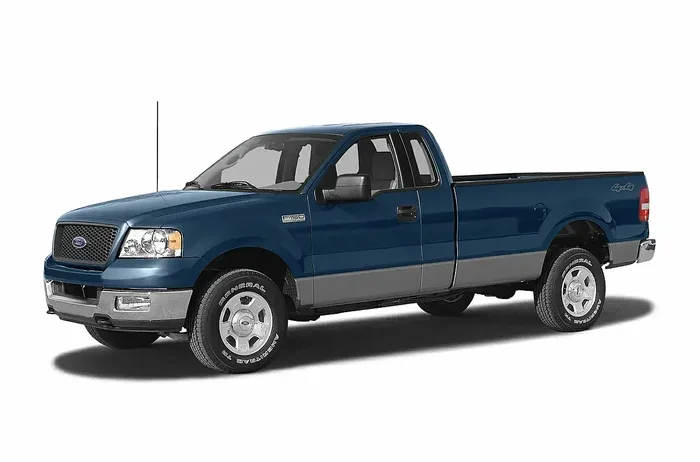
Are 2007 Ford F-150 Trucks Reliable Heres the Truth
The 2007 Ford F-150 reliability is a mixed bag. While the truck offers strong towing capacity and a durable frame, it faces known issues like engine oil consumption, transmission slip, and frame rust. Regular maintenance can overcome these flaws, making it a solid used pickup.
The 2007 Ford F-150 is a popular full-size pickup. Many truck lovers ask, “Are 2007 Ford F-150 Trucks Reliable?” The short answer is yes and no. The 2007 F-150 offers strong towing and a tough frame. But it also has known issues that can cause headaches. 2007 Ford F-150 reliability depends heavily on maintenance and the specific engine you choose.
This truck was a turning point for Ford. It introduced the much-maligned Triton V8 engines. It also kept the reliable 4.6L V8. Owners have reported both great longevity and costly repairs. In this guide, we will dig into the real-world data. We will look at common problems, engine options, and maintenance tips. You will learn exactly what to expect from a 2007 F-150.
Whether you are buying one or already own one, this article will help. We will cover the good, the bad, and the ugly. You will walk away with a clear picture of 2007 Ford F-150 reliability. Let us get started.
Key Takeaways
- Mixed reliability: The 2007 F-150 has strong points but also well-documented issues.
- Engine matters: The 5.4L Triton is more powerful but thirstier; the 4.6L V8 is smoother but can consume oil.
- Transmission concerns: The 4-speed automatic can hesitate or slip under heavy loads.
- Rust is a real threat: Check the frame and rocker panels carefully.
- Maintenance is key: Staying on top of oil changes and cooling system service prevents major problems.
- Good value: With proper care, a 2007 F-150 can easily reach 200,000 miles.
📑 Table of Contents
Understanding the 2007 Ford F-150’s Reputation
The 2007 model year sits in a tricky spot. It was the last year of the 10th generation F-150. Ford made some changes that improved the truck. But they also introduced engines that had a mixed track record. The 2007 F-150 is known for its strong V8 engines. It also has a reputation for frame rust in certain regions.
Many owners praise the truck’s towing capacity. The 2007 F-150 could tow up to 9,200 pounds with the right setup. That is impressive for its time. However, the common problems with 2007 F-150 often involve the engine and transmission. The 4-speed automatic transmission can be sluggish. It may also hesitate under heavy acceleration. These issues are not deal-breakers for everyone. But they are important to know before you buy.
The Engine Options: 4.6L V8 vs. 5.4L Triton
The 2007 F-150 came with two main gasoline engines. The base engine was the 4.6L V8. The optional engine was the 5.4L 3-valve Triton V8. Both are pushrod V8s. They are known for durability. But they have different strengths and weaknesses.
The 4.6L V8 is the more common engine. It produces 231 horsepower and 293 lb-ft of torque. It is smooth and relatively fuel-efficient. The main complaint is oil consumption. Some 4.6L engines burn oil at a high rate. This can lead to engine wear if not monitored.
The 5.4L Triton is the power enthusiast’s choice. It makes 310 horsepower and 365 lb-ft of torque. It pulls heavy loads with ease. But it has its own issues. The 5.4L 3-valve engine is notorious for intake manifold problems. The plastic intake manifold can crack. This causes a rough idle and misfires. The 5.4L also has issues with the exhaust manifold bolts. They can break and cause exhaust leaks.
| Engine | Horsepower | Torque | Common Issues | Best For |
|---|---|---|---|---|
| 4.6L V8 | 231 hp | 293 lb-ft | Oil consumption, spark plug blowout | Daily driving, light towing |
| 5.4L Triton V8 | 310 hp | 365 lb-ft | Intake manifold cracks, exhaust bolt failure | Heavy towing, hauling |
Transmission and Drivetrain
The 2007 F-150 used a 4-speed automatic transmission. It was the 4R70W or 4R75W model. This transmission is robust. It can handle a lot of power. But it has a weakness. It can hesitate when you mash the throttle. This is called a “torque converter slip.” It feels like a delay before the truck lunges forward.
The transmission also has a tendency to slip under heavy towing. This happens when the clutch packs wear out. Regular fluid changes help a lot. Ford recommends changing the transmission fluid every 60,000 miles. Many owners skip this. That leads to premature failure. The 4-speed automatic transmission is not the most modern. But it is simple to repair. A rebuild is often cheaper than fixing a complex newer transmission.
Common Reliability Issues and What to Watch For
Every truck has its quirks. The 2007 F-150 is no different. Knowing the common problems with 2007 F-150 saves you money. You can catch issues early. Here are the main areas to inspect.
Engine and Internal Components
The biggest engine concern is oil consumption. The 4.6L V8 is especially prone. The valves seals can leak. The piston rings can wear. This causes blue smoke from the exhaust. If you see blue smoke, get a compression test.
The 5.4L Triton has a different problem. The intake manifold gasket can fail. Coolant can leak into the engine. This causes overheating. It can also damage the EGR valve. The EGR valve gets clogged with carbon. This triggers the check engine light. A clogged EGR valve reduces fuel economy. It can also cause rough idling.
Another issue is the timing chain. The 5.4L engine has a timing chain that can stretch. A stretched chain causes a rattling noise on startup. If ignored, it can jump time. This leads to catastrophic engine damage. Replace the timing chain early if you hear a rattle.
The spark plugs are also a known issue. The 5.4L Triton has a design flaw. The spark plugs can blow out of the head. This is a costly repair. The head gasket must come off. Many owners switch to aftermarket spark plugs. They use a different metal that grips better. This is a cheap fix that prevents a big problem.
Suspension and Steering Wear
The F-150 is a workhorse. It takes a beating on the road. The suspension components wear out over time. The ball joints are a common failure point. Worn ball joints cause a clunking noise over bumps. They can also affect alignment. Driving on worn ball joints is dangerous.
The tie rods also wear out. Tie rod ends connect the steering rack to the wheels. When they fail, you lose steering precision. A loose tie rod can make the truck wander. This is especially scary at highway speeds. Inspect the tie rods regularly. Replace them before they completely fail.
The shock absorbers and struts wear out too. Old shocks cause poor ride quality. The truck bounces excessively. This also increases stopping distance. Replace shocks in pairs. A good set of shocks transforms the ride.
Electrical and Cooling System Problems
Electrical gremlins are common on older trucks. The 2007 F-150 has a known issue with the fuel pump. The fuel pump can fail without warning. You might be driving and then the engine stalls. A dead fuel pump leaves you stranded. Replacing the fuel pump is not cheap. But it is a straightforward job.
The cooling system also needs attention. The 2007 F-150 can develop coolant leaks. The water pump is a common leak point. The thermostat housing can crack. These leaks cause overheating. Overheating can warp the cylinder head. That leads to expensive repairs. Check your coolant level monthly. Top it off with the correct type.
The check engine light is another common visitor. The 2007 F-150 has many sensors. The oxygen sensors fail. The catalytic converter can clog. A clogged catalytic converter reduces power. It also triggers the check engine light. A clogged cat can cost over $1,000 to replace. Use a quality fuel additive. It helps keep the exhaust system clean.
Quick Tips: Keep the 2007 F-150 Healthy
- Check oil every two weeks. The 4.6L V8 drinks oil. Top it off to prevent damage.
- Flush the coolant every 30,000 miles. Old coolant becomes acidic. It corrodes the water pump and radiator.
- Listen for rattles on startup. A timing chain rattle means get it checked soon.
- Inspect ball joints and tie rods. Do this every oil change. Catch wear early.
- Use a fuel system cleaner. It prevents carbon buildup in the EGR valve and intake.
Common Mistakes Owners Make
One common mistake is ignoring oil consumption. Many owners think burning a little oil is normal. It is not. If your 2007 F-150 uses more than one quart per 1,000 miles, it needs attention. Another mistake is skipping transmission fluid changes. The 4-speed automatic needs fresh fluid. Old fluid causes slip and hesitation. A third mistake is neglecting the cooling system. Overheating is the enemy of any engine. Finally, some owners ignore rust. Frame rust can compromise structural integrity. Treat rust spots immediately with a rust converter.
Expert Insights: What Mechanics Say
Veteran Ford mechanics agree on one thing. The 2007 F-150 is a workhorse. But it needs respect. “The 4.6L V8 is a simple engine. It will last 300,000 miles if you keep up with oil changes,” says one master technician. “The 5.4L Triton is more powerful, but it is a headache. The intake manifold and spark plug issues are costly if you ignore them.”
Mechanics also stress the importance of the cooling system. “The 2007 F-150 overheats more than other years. The water pump and thermostat fail often. A $200 water pump replacement prevents a $4,000 engine repair.”
Maintenance Tips to Keep Your 2007 F-150 Running Strong
Regular maintenance is the secret to 2007 Ford F-150 reliability. A well-maintained truck will outlast one that is neglected. Here is a simple maintenance schedule.
Regular Service Intervals
Ford recommends an oil change every 5,000 miles. I suggest doing it every 3,000 miles if you tow or drive in stop-and-go traffic. Use 5W-20 synthetic oil. It flows better in cold weather. It also reduces consumption.
The transmission fluid should be changed every 60,000 miles. Use Mercon V fluid. Do not use generic ATF. The wrong fluid can cause shift harshness. The engine coolant should be flushed every 30,000 miles. Use Ford’s premium coolant. It has anti-corrosion additives that protect the aluminum components.
Replace the spark plugs every 30,000 miles. The 5.4L Triton is especially sensitive. Old spark plugs cause misfires. Misfires can damage the catalytic converter. Inspect the air filter every 15,000 miles. A clogged air filter reduces fuel economy.
Quick Tips for Longevity
- Warm up the truck gently. Do not rev the engine in cold weather. Let the oil circulate for 30 seconds before driving.
- Avoid short trips. Short trips cause moisture buildup in the oil. This leads to sludge.
- Keep the truck clean. Wash the undercarriage in winter. Road salt causes frame rust.
- Store the truck properly. If not driven often, use a battery maintainer. It keeps the electrical system healthy.
Key Takeaways for Maintenance
- Oil changes every 3,000-5,000 miles are non-negotiable.
- Transmission fluid flushes prevent slipping.
- Coolant flushes prevent overheating and warping.
- Spark plugs should be replaced every 30,000 miles.
- Undercarriage washing prevents frame rust.
Real-World Ownership: Pros and Cons
Owning a 2007 Ford F-150 has its ups and downs. Let us look at the real-world experience.
The Good: Why People Love the 2007 F-150
- Towing capacity: Up to 9,200 pounds with the 5.4L engine. That is enough for a boat or a large trailer.
- Payload capacity: The 2007 F-150 can haul over 1,500 pounds in the bed. It is a true workhorse.
- Simple design: The 4.6L V8 is easy to work on. You can do many repairs yourself with basic tools.
- Comfortable ride: The 2007 model improved the suspension. It rides smoother than the 2004-2006 models.
- Strong resale value: The F-150 holds its value well. A well-maintained 2007 model still commands a good price.
The Bad: Common Complaints
- Frame rust: This is the number one complaint. Many 2007 F-150s show rust on the frame. The rocker panels and cab corners are also affected.
- Engine oil consumption: The 4.6L V8 burns oil. Some owners have to add a quart between oil changes.
- Transmission hesitation: The 4-speed auto can be slow to respond. This is annoying in traffic.
- Electrical gremlins: The fuel pump, ignition coil, and various sensors fail. These are expensive fixes.
- Interior quality: The 2007 interior feels dated. The materials are hard plastic. They crack over time.
Is a 2007 Ford F-150 Worth Buying Today?
The 2007 F-150 is now 17 years old. It is a used truck. The price is low. You can find one for $4,000 to $8,000. But is it worth the risk? That depends on what you need.
Buying Guide and What to Inspect
If you are buying a 2007 F-150, inspect it carefully. Start with the frame. Look for rust on the frame rails. Use a magnet to check for body filler. Rust under the truck is a deal-breaker. Next, check the engine. Start it cold. Listen for a rattling noise. That could be a stretched timing chain. Check the oil. If it is black and gritty, the oil was not changed. Look under the truck for oil spots. Then test the transmission. Drive it on the highway. Does it shift smoothly? Does it hesitate? Finally, check the suspension. Bounce each corner. Worn shocks bottom out quickly. Inspect the ball joints and tie rods. A loose ball joint is dangerous.
Ask for the maintenance records. A well-documented service history is gold. It tells you the truck was cared for. If the records are missing, assume the worst. Budget for immediate repairs.
Final Verdict on Reliability
So, are 2007 Ford F-150 trucks reliable? The answer is nuanced. A well-maintained 2007 F-150 with the 4.6L V8 can be a dependable truck. It will serve you for many years. The 5.4L Triton is more powerful but needs more attention. The frame rust is a serious concern in snowy regions. But if you find a clean, rust-free example, it is a great value. The 2007 Ford F-150 reliability is good enough for many owners. Just be prepared for the common issues.
Conclusion
The 2007 Ford F-150 is a capable and popular pickup. It offers strong towing and a durable frame. But it also comes with known issues. Engine oil consumption, transmission hesitation, and frame rust are the main concerns. 2007 Ford F-150 reliability hinges on maintenance. If you stay on top of oil changes, coolant flushes, and suspension inspections, the truck will reward you. It is a solid choice for a budget-conscious buyer. Just know what you are getting into. A little diligence goes a long way. With proper care, your 2007 F-150 can easily reach 200,000 miles. Enjoy the ride.
Frequently Asked Questions
How long does a 2007 Ford F-150 last?
With proper maintenance, a 2007 Ford F-150 can easily last 200,000 to 300,000 miles. The 4.6L V8 engine is known for its longevity. Regular oil changes and avoiding overheating are the keys to a long life.
What are the most common problems with the 2007 Ford F-150?
The most common issues are engine oil consumption in the 4.6L V8, intake manifold cracks in the 5.4L Triton, transmission hesitation, frame rust, and fuel pump failure. Regular inspections can catch these problems early.
Is the 2007 Ford F-150 good for towing?
Yes, the 2007 F-150 has a towing capacity of up to 9,200 pounds when equipped with the 5.4L Triton V8 and the proper towing package. It is a strong tow vehicle for its size.
How much does it cost to maintain a 2007 Ford F-150?
Annual maintenance costs average around $500 to $800. This includes oil changes, transmission fluid, and general upkeep. Major repairs like a transmission rebuild or engine work can cost $1,500 to $3,000.
Should I buy a 2007 Ford F-150 with a 4.6L or 5.4L engine?
The 4.6L V8 is more reliable and fuel-efficient. It is the better choice for daily driving. The 5.4L Triton offers more power and towing ability but has more known issues like intake manifold cracks. Choose based on your needs.
How do I prevent frame rust on a 2007 Ford F-150?
Wash the undercarriage regularly, especially in winter. Apply a rust inhibitor or undercoating. Inspect the frame and rocker panels for any signs of surface rust and treat it immediately with a rust converter.