Can You Drive With Check Engine Light on Catalytic Converter
Yes, you can technically drive with a check engine light on your catalytic converter, but it is risky and not recommended. The light usually signals a serious problem like a failing converter, oxygen sensor issue, or engine misfire. Ignoring it can lead to expensive repairs, poor fuel economy, and even engine damage. This guide explains what the light means, how to respond, and when to see a mechanic.
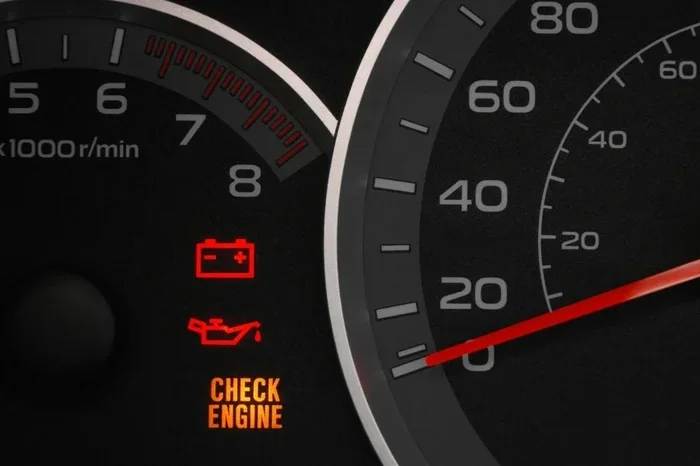
You are driving down the road when you notice that little orange glow on your dashboard. The check engine light is on. And you wonder, can you still drive? If you have ever seen that light come on, you know the sinking feeling it brings. Your mind starts racing with questions. Is it something serious? Will my car break down? What about the catalytic converter? The good news is that you can often drive a short distance with a check engine light on. But the bad news is that you should not ignore it. The catalytic converter is one of the most important parts of your exhaust system. It reduces harmful emissions and keeps your car running clean. When the check engine light points to a catalytic converter problem, it is your car telling you something needs attention.
This article will walk you through everything you need to know. We will cover what the light means, whether it is safe to keep driving, and what causes the problem in the first place. You will learn about common symptoms, repair costs, and how to prevent expensive damage down the road. Let us dive in and take the mystery out of that scary little light.
Key Takeaways
- You can drive short distances: but only if the vehicle runs normally and the light is steady, not flashing.
- A flashing check engine light is urgent: it usually means a severe misfire that can destroy your catalytic converter fast.
- Common causes include oxygen sensor failure, engine misfires, and exhaust leaks: all of which affect converter performance.
- Ignoring the light can lead to catalytic converter replacement costs: which can range from $500 to $2,500 or more.
- Use an OBD-II scanner to read the codes: this helps you understand the real problem before driving further.
- Regular maintenance prevents most issues: including timely oil changes, fuel system cleaning, and engine tune-ups.
- Emission testing may fail: if your catalytic converter is not working properly, you could fail state inspections.
📑 Table of Contents
- What Does the Check Engine Light Mean for Your Catalytic Converter?
- Can You Actually Drive With the Light On?
- Common Causes of Check Engine Light Related to Catalytic Converter
- What Happens If You Ignore the Check Engine Light?
- How to Diagnose the Real Problem
- Prevention and Maintenance Tips
- When to Replace the Catalytic Converter
- Conclusion
What Does the Check Engine Light Mean for Your Catalytic Converter?
The check engine light is part of your car’s onboard diagnostics system. It is also called the OBD-II system. When something in the engine or exhaust system is not working right, the light turns on. Your car’s computer stores a specific code for the problem. These codes help mechanics find the root cause fast.
When the light is related to the catalytic converter, it often means the converter is not working efficiently. The catalytic converter sits between your engine and the muffler. It converts harmful exhaust gases into less harmful ones before they exit the tailpipe. If the converter is failing, your car produces more pollution. It may also run poorly or lose power.
Here are the most common codes linked to catalytic converter issues:
- P0420: Catalyst system efficiency below threshold (Bank 1).
- P0430: Catalyst system efficiency below threshold (Bank 2).
- P0420 and P0430 are the most common codes: they tell you the converter is not doing its job properly.
- P0300-P0308: Random or specific cylinder misfires that can damage the converter over time.
- P0171 or P0174: Fuel mixture too lean, which can cause converter overheating.
Keep in mind that the check engine light can come on for many reasons. A loose gas cap, a bad oxygen sensor, or an engine misfire can all trigger it. The catalytic converter issue is just one possibility. That is why reading the actual code matters so much.
How the Catalytic Converter Works
Your catalytic converter uses precious metals like platinum, palladium, and rhodium. These metals create a chemical reaction that breaks down harmful gases. Carbon monoxide becomes carbon dioxide. Nitrogen oxides become nitrogen and oxygen. Unburned hydrocarbons also get cleaned up. When the converter works well, your car passes emission tests and runs cleaner. When it fails, all of that changes.
The converter has a lifespan of about 10 years or 100,000 miles. But it can fail much earlier if something else goes wrong in the engine. For example, a misfiring cylinder sends unburned fuel into the exhaust. That fuel ignites inside the converter and melts the internal honeycomb structure. Once that structure is damaged, the converter cannot work properly.
Can You Actually Drive With the Light On?
The short answer is yes, in most cases you can drive a little further. But the longer answer depends on several factors. Is the light steady or flashing? How does the car feel? Are there other symptoms like shaking or loss of power? These details matter a lot.
If the light is steady and the car runs normally, you have some room. You can drive to a nearby mechanic or auto parts store to get the codes read. Many stores like AutoZone or O’Reilly offer free code reading. This is a smart first step. It tells you exactly what is going on without guessing.
However, if the light is flashing, you need to stop driving right away. A flashing check engine light usually means a severe engine misfire. When raw fuel enters the exhaust system, it overheats the catalytic converter very quickly. This can cause permanent damage within minutes. Driving with a flashing light can turn a small repair into a very expensive one.
Here are some simple rules to follow:
- Steady light, no other symptoms: You can drive carefully to get it checked.
- Steady light with rough running: Drive only as far as the nearest safe location.
- Flashing light: Stop driving immediately. Call for a tow truck if needed.
- Light with power loss or strange noises: Do not push it. Get the car inspected.
The key is to use your judgment. If something feels wrong, trust your instincts. It is always better to be safe than to cause more damage to the catalytic converter or other engine parts.
Is It Legal to Drive With a Check Engine Light On?
In most states, a check engine light does not make it illegal to drive. However, if the light is on because of an emission problem, you may fail your annual vehicle inspection. Many states require cars to pass emission tests. A failing catalytic converter will almost certainly cause a failed inspection. This can keep you from registering your vehicle until the problem is fixed.
Common Causes of Check Engine Light Related to Catalytic Converter
Understanding what causes the light to come on helps you make better decisions. Some causes are simple and cheap to fix. Others are more serious and costly. Let us look at the most common reasons.
Oxygen Sensor Failure
The oxygen sensor measures how much oxygen is in your exhaust gases. It tells the engine computer how to adjust the fuel mixture. When the sensor fails, the engine runs too rich or too lean. A rich mixture sends extra fuel into the exhaust. This unburned fuel can damage the catalytic converter over time. Oxygen sensor failure is one of the most common reasons the check engine light comes on. The good news is that replacing a sensor is usually affordable, often between $100 and $300.
Engine Misfires
An engine misfire happens when one or more cylinders do not fire properly. This sends unburned fuel into the exhaust system. The raw fuel ignites inside the catalytic converter and can melt the internal components. Misfires can be caused by spark plugs, ignition coils, or fuel injectors. If you notice rough idling or a shaking feeling, get it checked right away. A small misfire repair today can prevent a catalytic converter replacement tomorrow.
Exhaust Leaks
A leak in the exhaust system before the catalytic converter can cause false readings. The oxygen sensor may detect too much oxygen and trigger the check engine light. Exhaust leaks can happen at the manifold, gaskets, or pipes. They are often caused by corrosion or age. Even a small leak can affect how your car runs and how the converter performs.
Bad Fuel Quality
Using low-quality or contaminated fuel can cause all kinds of problems. It can lead to carbon buildup inside the converter. It can also cause the engine to run poorly. If you have ever filled up at a questionable gas station and then seen the light come on, the fuel might be the culprit. Always try to use reputable fuel stations and the recommended octane level for your vehicle.
Catalytic Converter Age and Wear
Like any car part, the catalytic converter does not last forever. Over time, the internal honeycomb structure can break down. Oil consumption, coolant leaks, and engine oil burning can all coat the converter with contaminants. When the substrate inside gets clogged or damaged, efficiency drops and the light comes on. This type of failure is more common in older vehicles with higher mileage.
Coolant or Oil Leaks Into the Exhaust
If your engine is burning oil or leaking coolant into the combustion chamber, it can reach the catalytic converter. These fluids coat the catalyst materials and block the exhaust flow. This is a serious issue that usually points to deeper engine problems. Head gasket failure, worn piston rings, or valve seal leaks can all cause this. Fixing the root cause is essential, not just replacing the converter.
What Happens If You Ignore the Check Engine Light?
Ignoring the check engine light is never a good idea. But when the light is related to the catalytic converter, the consequences can be severe. Here is what can happen if you keep driving without addressing the problem.
First, your fuel economy will drop. A failing converter creates back pressure in the exhaust system. This makes the engine work harder and use more fuel. You will notice it at the pump, and nobody likes that. Second, your car will produce more harmful emissions. The whole point of the catalytic converter is to clean up exhaust gases. When it fails, those gases go straight into the air.
Third, you risk complete converter failure. A small problem today can become a total breakdown tomorrow. A clogged converter can cause the engine to overheat or stall while driving. This is dangerous, especially at highway speeds. Fourth, you will face a much bigger repair bill. What might have been a $50 oxygen sensor fix can turn into a $2,000 catalytic converter replacement if you wait too long.
Here is a simple comparison of what can happen:
| Scenario | Immediate Risk | Long-Term Risk | Estimated Cost |
|---|---|---|---|
| Steady light, minor issue | Low | Moderate damage if ignored | $100 – $300 |
| Steady light, converter failing | Moderate | Complete converter failure | $500 – $2,500 |
| Flashing light, misfire | High | Converter meltdown, engine damage | $1,000 – $3,000+ |
| Ignored for weeks | Very High | Catalytic converter replacement + other damage | $1,500 – $4,000+ |
The table shows why early action saves money and headaches. The longer you wait, the worse it gets.
How to Diagnose the Real Problem
When the check engine light comes on, the best first step is to read the codes. You can buy an OBD-II scanner for under $50. These tools plug into a port under your dashboard. They read the error codes stored in your car’s computer. You can then look up what each code means.
If you do not want to buy a scanner, many auto parts stores will read the codes for free. Once you know the code, you can decide how serious the problem is. Some codes are minor. Others point directly to catalytic converter failure.
Here are the steps to take when diagnosing the issue:
- Read the codes with an OBD-II scanner. Write them down or take a photo.
- Look up the codes online or ask a mechanic. Understand what each code means for your specific vehicle.
- Check for obvious issues. Look for loose gas caps, exhaust leaks, or damaged wires.
- Pay attention to how the car drives. Note any rough idle, shaking, power loss, or strange smells.
- Get a professional inspection if needed. A mechanic can test the catalytic converter efficiency and oxygen sensor readings directly.
One important tip is to check your gas cap first. It sounds silly, but a loose or cracked gas cap can trigger the check engine light. The evaporative emissions system needs a proper seal. If the cap is not tight, it can cause a small leak that sets off the light. Simply tightening it or replacing it might solve the problem entirely.
Can You Clean a Catalytic Converter Instead of Replacing It?
Some people wonder if a clogged converter can be cleaned instead of replaced. There are catalytic converter cleaner products available. You add them to your fuel tank, and they claim to dissolve carbon buildup. These products can help in mild cases. But they are not a cure-all. If the converter is physically damaged or the catalyst materials are worn out, no cleaner will fix it. Cleaning works best as a preventive measure or for minor buildup. It is not a replacement for a failed converter.
Prevention and Maintenance Tips
The best way to avoid catalytic converter problems is through regular maintenance. A well-maintained engine puts less stress on the converter. Here are some practical tips to keep your exhaust system healthy.
- Keep up with oil changes: Dirty oil can cause engine deposits that end up in the exhaust.
- Fix engine misfires quickly: Even a small misfire can damage the converter over time.
- Use quality fuel: Good fuel reduces carbon buildup and keeps the engine running clean.
- Check for exhaust leaks regularly: Early detection prevents bigger problems.
- Do not ignore warning signs: Rough running, reduced power, or strange smells should never be ignored.
- Get regular tune-ups: Spark plugs, ignition coils, and fuel injectors all affect converter health.
- Monitor your fuel economy: A sudden drop in MPG can signal an exhaust or engine problem.
Taking care of your car also means paying attention to how it drives day to day. If you notice any changes in performance, do not wait. The earlier you catch a problem, the cheaper and easier the fix will be. Your catalytic converter will thank you for it.
How Long Can a Catalytic Converter Last?
On average, a catalytic converter lasts between 10 and 15 years or about 100,000 miles. But this depends heavily on how well you maintain your vehicle. Cars that are driven in stop-and-go city traffic may experience more wear. Vehicles with regular engine problems like misfires or oil burning will wear out the converter faster. Proper care and timely repairs can help your converter reach or even exceed its expected lifespan.
When to Replace the Catalytic Converter
Sometimes replacement is the only option. If the converter is physically damaged, melted, or clogged beyond cleaning, you need a new one. Signs that replacement is needed include a rotten egg smell from the exhaust, a rattling noise under the car, or a complete loss of power. Your car may also fail an emission test.
The cost of catalytic converter replacement varies widely. It depends on the make and model of your vehicle. Some cars have expensive converters because they use more precious metals. On average, you can expect to pay between $500 and $2,500 for parts and labor. In some cases, especially with luxury or hybrid vehicles, the cost can exceed $3,000.
If your car is older and has high mileage, you might face a tough decision. Is it worth replacing the converter? Sometimes the repair cost is close to the value of the car. In those situations, you may need to weigh your options carefully. A trusted mechanic can help you decide what makes the most sense for your specific situation.
Can You Bypass or Remove the Catalytic Converter?
Some people consider removing the catalytic converter to save money or gain performance. This is illegal in most places. Removing or tampering with the converter violates the Clean Air Act in the United States. It can result in heavy fines. It also increases harmful emissions significantly. Beyond the legal issues, driving without a converter can damage your engine over time. The exhaust gases are not properly filtered, which can cause other problems. Always keep the converter in place and replace it if it fails.
Conclusion
So, can you drive with a check engine light on your catalytic converter? The answer is yes, but with caution. A steady light means you can get to a mechanic safely. A flashing light means you need to stop and seek help immediately. The catalytic converter is a vital part of your vehicle’s exhaust and emission system. When it is not working right, your car runs worse, pollutes more, and can suffer serious engine damage if you ignore it.
Take the time to read the error codes and understand what your car is telling you. Address small problems before they become big expensive repairs. Regular maintenance is your best defense against catalytic converter failure. Keep up with oil changes, engine tune-ups, and fuel system cleaning. Your car will run better, last longer, and save you money in the long run.
Do not let that little orange light scare you into panic. But do not ignore it either. Be proactive, stay informed, and take care of your vehicle. That is the best way to keep your catalytic converter healthy and your car running strong for years to come.
Frequently Asked Questions
Can I drive 50 miles with a check engine light on for the catalytic converter?
Yes, in most cases you can drive a short distance if the light is steady and the car runs normally. However, if you notice any rough running, shaking, or loss of power, pull over safely and get the car inspected. The catalytic converter issue could worsen with continued driving.
What does a flashing check engine light mean for the catalytic converter?
A flashing check engine light usually indicates a severe engine misfire. Unburned fuel is entering the exhaust system and overheating the catalytic converter. This can cause permanent damage within minutes. You should stop driving immediately and call for a tow.
How much does it cost to replace a catalytic converter?
The cost typically ranges from $500 to $2,500 depending on the vehicle make and model. Luxury and hybrid vehicles often have more expensive converters. The price includes both parts and labor. Always get a quote from a trusted mechanic before proceeding.
Can a bad oxygen sensor cause the check engine light to come on?
Yes, a failing oxygen sensor is one of the most common reasons the check engine light activates. The sensor helps regulate the fuel mixture. When it malfunctions, the engine runs too rich or too lean, which can eventually damage the catalytic converter over time.
Will a catalytic converter problem cause my car to fail an emission test?
Absolutely. A failing catalytic converter means your car is not properly cleaning exhaust gases. This will almost certainly cause you to fail a state emission inspection. Fixing the underlying issue is necessary before you can pass the test.
Can I clean my catalytic converter instead of replacing it?
Catalytic converter cleaner products may help with minor carbon buildup. However, they cannot fix physical damage or worn-out catalyst materials. If the converter is severely clogged or melted, replacement is the only real solution. Cleaning works best as a preventive measure.
=== CONCLUSION ===
Dealing with a check engine light is never fun. But understanding what it means for your catalytic converter can take a lot of stress out of the situation. You now know that you can drive short distances with a steady light, but a flashing light demands immediate action. You know the common causes, from oxygen sensor failure to engine misfires. You understand the risks of ignoring the problem and the importance of early diagnosis. The key is to stay proactive. Read the codes, address small issues quickly, and keep up with regular maintenance. Your catalytic converter, your wallet, and your car will all benefit from the attention. Take care of your vehicle today, and it will take care of you tomorrow.