Can Safelite Calibrate Subaru EyeSight for Safe Driving
Yes, Safelite can calibrate Subaru EyeSight systems after windshield replacement or sensor work. This guide covers everything you need to know about the calibration process, costs, and why proper calibration keeps your Subaru safety features working correctly. We break down static and dynamic calibration methods, compare Safelite to dealers, and share practical tips to keep your EyeSight system running at its best.
Driving a Subaru means trusting the technology built into your vehicle. The Subaru EyeSight system is one of the most respected advanced driver assistance systems on the road today. It helps you stay safe by monitoring traffic, applying brakes automatically, and keeping your car centered in your lane.
But what happens when that system gets disrupted? A cracked windshield, a minor fender bender, or even a routine glass replacement can throw off the EyeSight cameras. That is where calibration comes in. And the big question most Subaru owners ask is: can Safelite calibrate Subaru EyeSight? The short answer is yes. But there is a lot more to understand about how this process works and why it matters so much for your safety.
In this article, we will walk you through everything you need to know about Subaru EyeSight calibration at Safelite. We will cover the calibration process, costs, timing, and how it compares to going to a dealer. Whether you just had a windshield replaced or are planning ahead, this guide will give you the confidence to make the right call for your vehicle.
Key Takeaways
- Safelite offers Subaru EyeSight calibration services: Both static and dynamic calibration methods are available at select Safelite locations.
- Calibration is essential after windshield replacement: Even a new windshield can shift camera sensors, making EyeSight inaccurate.
- Two types of calibration exist: Static calibration uses specialized targets in a shop, while dynamic calibration requires driving with a device connected.
- Costs vary but typically range from $200 to $600: The price depends on your Subaru model and the calibration method needed.
- Skipping calibration is dangerous: An uncalibrated EyeSight system may fail to detect obstacles, brake automatically, or maintain safe following distances.
- Dealers are not your only option: Safelite provides a convenient, often more affordable alternative for EyeSight calibration.
- Regular maintenance matters: Keeping your windshield and sensors clean helps your EyeSight system perform reliably over time.
📑 Table of Contents
- Understanding Subaru EyeSight and Why Calibration Matters
- Can Safelite Calibrate Subaru EyeSight? The Short Answer
- The Subaru EyeSight Calibration Process Explained
- When Do You Need EyeSight Calibration?
- Safelite vs Dealer: Which Is Better for EyeSight Calibration?
- Tips to Keep Your Subaru EyeSight System in Top Shape
- Final Thoughts on Safelite and Subaru EyeSight Calibration
Understanding Subaru EyeSight and Why Calibration Matters
What Is the Subaru EyeSight System?
The Subaru EyeSight system is a pair of stereo cameras mounted behind your windshield, near the rearview mirror. These cameras work together to create a 3D view of the road ahead. They monitor vehicles, pedestrians, cyclists, and even lane markings to help keep you safe.
EyeSight includes several key features that many drivers rely on every day:
- Pre-Collision Braking: Detects potential crashes and applies the brakes automatically.
- Adaptive Cruise Control: Maintains a safe following distance from the car ahead.
- Lane Keep Assist: Gently steers the car back if it drifts out of its lane.
- Throttle Management: Reduces engine power when a collision is imminent.
- Sway Warning: Alerts you if the car detects excessive body sway during driving.
These features depend entirely on precise camera alignment. Even a slight shift in the camera angle can cause the system to misread distances, miss obstacles, or fail to engage when needed. That is why calibration is not just a nice-to-have. It is a critical safety procedure.
How EyeSight Keeps You Safe on the Road
Most people do not think about their driver assistance systems until something goes wrong. But EyeSight works silently in the background every time you drive. It processes visual data faster than any human could, making split-second decisions that can prevent accidents.
When the cameras are out of alignment, the entire system becomes unreliable. You might notice false warnings, delayed braking responses, or complete system shutdowns. In some cases, the dashboard will display a warning light telling you the EyeSight system needs attention. Ignoring that light is not an option if you want to keep your Subaru safe on the road.
Can Safelite Calibrate Subaru EyeSight? The Short Answer
The direct answer to this question is yes. Safelite, one of the largest auto glass repair and replacement companies in the United States, offers ADAS calibration services for Subaru vehicles, including the EyeSight system. However, not every Safelite location provides this service, so it is important to confirm availability before you book an appointment.
Safelite has invested in the training, equipment, and software needed to perform both static and dynamic calibration for Subaru EyeSight. Their technicians understand the specific requirements of Subaru vehicles and follow manufacturer guidelines to ensure the calibration is done correctly.
Here is what you should know about Safelite’s EyeSight calibration capabilities:
- Certified technicians: Safelite employs trained professionals who understand Subaru EyeSight systems.
- Proper equipment: They use the specialized tools and targets needed for accurate calibration.
- Both calibration methods: Static and dynamic calibration are available at qualifying locations.
- Warranty on work: Safelite typically stands behind their calibration services with a satisfaction guarantee.
What Safelite Offers for EyeSight Calibration
When you take your Subaru to Safelite for EyeSight calibration, you can expect a thorough process. The technician will first assess your vehicle to determine which type of calibration is needed. This depends on the work performed, your Subaru model, and the current condition of the cameras and sensors.
Safelite also offers mobile calibration services in some areas. This means a technician can come to your location to perform the calibration, saving you time and hassle. Not all services are available everywhere, so checking with your local Safelite is always a good first step.
The Subaru EyeSight Calibration Process Explained
Calibrating the Subaru EyeSight system is not a simple button press. It is a precise procedure that requires patience, the right tools, and a deep understanding of how the system works. Let us break down the two main calibration methods so you know exactly what to expect.
Static Calibration vs Dynamic Calibration
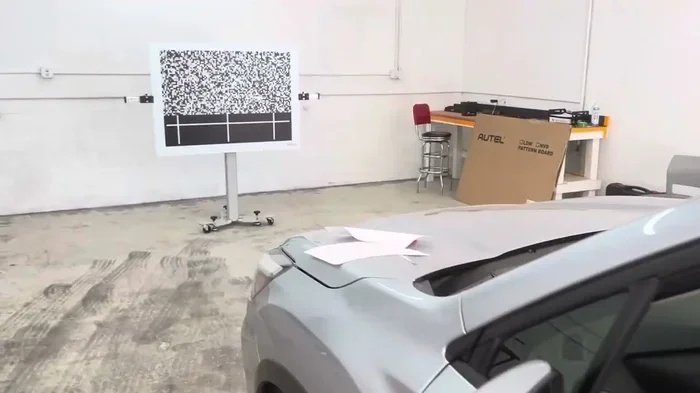
Static calibration is performed while the vehicle is stationary. The technician places special calibration targets at specific distances and angles around the car. The cameras read these targets, and the system adjusts the camera alignment accordingly. Static calibration typically takes place in a controlled indoor environment with proper lighting and space.
Dynamic calibration, on the other hand, requires the vehicle to be in motion. The technician connects a diagnostic tool to the car and drives a predetermined route under specific conditions. The system learns from the driving data and adjusts the camera settings in real time. Dynamic calibration usually takes longer because it involves actual road driving.
Which method you need depends on several factors:
- Type of work done: A full windshield replacement usually requires static calibration first, followed by dynamic calibration.
- Camera condition: If the cameras were removed or replaced, static calibration is almost always needed.
- Subaru model and year: Newer models may require both static and dynamic calibration for full accuracy.
What Happens During the Calibration
When you arrive at Safelite for EyeSight calibration, the process typically follows these steps:
- Initial inspection: The technician checks your Subaru’s windshield, cameras, and sensors for any visible damage or issues.
- Vehicle preparation: The car is positioned on a level surface with the correct tire pressure and fuel level. Some models require a specific fuel level for calibration.
- Static calibration: Targets are placed around the vehicle, and the cameras are adjusted to read them correctly.
- Dynamic calibration (if needed): The technician drives the vehicle while connected to diagnostic equipment, allowing the system to fine-tune its settings.
- Final verification: The system is tested to confirm all EyeSight features are working correctly.
The entire process can take anywhere from one to three hours, depending on your vehicle and the calibration method required. It is not a quick service, but it is absolutely essential for your safety.
When Do You Need EyeSight Calibration?
Many Subaru owners do not realize they need calibration until a problem appears. But being proactive about calibration can prevent issues before they become dangerous. Here are the most common situations where EyeSight calibration is necessary.
After Windshield Replacement
This is the number one reason Subaru owners need EyeSight calibration. The EyeSight cameras are mounted behind the windshield, and removing the old glass and installing new glass can shift their position. Even the tiniest misalignment can affect how the system reads the road.
If you have had a windshield replaced by any shop, including Safelite, you should always request calibration. Some glass shops include calibration in their service, while others do not. It is your responsibility to make sure it gets done. Skipping this step puts your safety at risk and can also cause your EyeSight warning lights to stay on.
After a Collision or Sensor Damage
Even a minor accident can knock the EyeSight cameras out of alignment. If your Subaru has been in a collision, no matter how small, you should have the EyeSight system inspected and calibrated if needed. The same applies if the cameras or sensors have been physically damaged or repaired.
Other situations that may require calibration include:
- Roof repair or replacement: Work near the windshield can affect camera alignment.
- Suspension work: Changes to the vehicle’s height or alignment can impact EyeSight readings.
- Camera cover replacement: If the camera housing has been removed or replaced.
- Battery replacement: Some Subaru models require recalibration after a battery disconnect.
Safelite vs Dealer: Which Is Better for EyeSight Calibration?
This is one of the most common questions Subaru owners ask. Should you go to a Safelite location or to your Subaru dealer for EyeSight calibration? Both options have their pros and cons, and the right choice depends on your priorities.
Cost Comparison
Calibration at a dealer typically costs more. Dealers charge premium rates for their labor and use factory-specific equipment. On average, dealer calibration for Subaru EyeSight can range from $300 to $700 or more, depending on your model and location.
Safelite often provides calibration services at a lower cost. Many customers report paying between $200 and $500 for EyeSight calibration at Safelite. The exact price depends on your Subaru model, the calibration method needed, and your local market rates.
| Factor | Safelite | Subaru Dealer |
|---|---|---|
| Average Cost | $200 – $500 | $300 – $700+ |
| Calibration Methods | Static and dynamic | Static and dynamic |
| Convenience | Many locations, some mobile | |
| Wait Time | Often shorter | Can be longer |
| Warranty Support | Yes | Yes |
| Specialized Subaru Training | Trained technicians | Factory-trained technicians |
Convenience and Availability
Safelite has hundreds of locations across the country, making it easy to find a shop near you. Many locations offer same-day or next-day service. Some even provide mobile calibration, where a technician comes to your home or office.
Dealers, on the other hand, may require longer wait times. Scheduling can be difficult, and you might need to leave your car overnight. For many Subaru owners, the convenience of Safelite is a major advantage.
Quality and Expertise
Dealers have factory-trained technicians and access to Subaru-specific tools and software. This gives them an edge in terms of specialized knowledge. Safelite has invested heavily in training and equipment as well, and their technicians are experienced with ADAS calibration across many vehicle brands.
For most Subaru owners, Safelite provides an excellent balance of quality, convenience, and affordability. However, if you have a newer or more complex Subaru model, or if your vehicle is still under warranty, you may prefer to go through the dealer.
Tips to Keep Your Subaru EyeSight System in Top Shape
Calibration is not something you only need after a service event. Regular maintenance and good driving habits can help keep your EyeSight system working reliably for years to come.
Regular Maintenance Checks
Make it a habit to check your EyeSight system regularly. Look at your dashboard for any warning lights. If you see the EyeSight warning indicator, do not ignore it. Have the system inspected as soon as possible.
Other maintenance tips include:
- Keep the windshield clean: Dirt and debris on the inside of your windshield can interfere with the camera’s view. Clean the area near the rearview mirror regularly.
- Check camera covers: Make sure the camera housings are free from cracks, fog, or damage.
- Maintain proper tire pressure: Incorrect tire pressure can affect the vehicle’s sensors and calibration accuracy.
- Avoid aftermarket windshield tinting: Tinting near the top of the windshield can block the cameras and interfere with EyeSight performance.
Warning Signs Your System Needs Attention
Your Subaru will usually tell you when something is wrong with the EyeSight system. Watch for these warning signs:
- A yellow or red warning light on the dashboard
- Beeping sounds while driving
- Adaptive cruise control not engaging
- Lane keep assist not working
- Pre-collision braking failing to activate
- Messages on the display saying EyeSight is disabled
If you notice any of these signs, stop driving safely and have your vehicle inspected. An uncalibrated or malfunctioning EyeSight system is not just an inconvenience. It is a serious safety risk.
Final Thoughts on Safelite and Subaru EyeSight Calibration
So, can Safelite calibrate Subaru EyeSight? Yes, they absolutely can. Safelite offers professional calibration services that meet the standards needed to keep your Subaru’s advanced safety features working correctly. Whether you need static calibration, dynamic calibration, or both, Safelite provides a convenient and often more affordable option compared to the dealer.
The Subaru EyeSight system is a remarkable piece of technology. It genuinely helps prevent accidents and keeps you and your passengers safer on the road. But that safety depends on proper calibration. A camera that is even slightly out of alignment can mean the difference between a system that works perfectly and one that fails when you need it most.
If you have recently had a windshield replaced, been in an accident, or noticed any EyeSight warning lights, do not delay. Get your Subaru EyeSight system calibrated as soon as possible. Contact your local Safelite, confirm they offer EyeSight calibration for your Subaru model, and schedule the service. Your safety on the road is worth every minute and every dollar you invest in keeping this system working at its best.
Take the time to understand your vehicle’s safety features. Stay proactive about maintenance. And remember that calibration is not just a service task. It is a commitment to driving safely and confidently every time you get behind the wheel.
Frequently Asked Questions
How long does Subaru EyeSight calibration take at Safelite?
The calibration process typically takes between one and three hours. Static calibration alone may take about an hour, while dynamic calibration adds additional time. The exact duration depends on your Subaru model and the type of calibration required. It is a good idea to call ahead and ask for an estimated time frame.
How much does it cost to calibrate Subaru EyeSight at Safelite?
Costs generally range from $200 to $500, depending on your Subaru model and the calibration method needed. Static calibration is usually less expensive than dynamic calibration. Some insurance policies cover ADAS calibration as part of a windshield claim, so it is worth checking with your provider.
Can I drive my Subaru without EyeSight calibration after a windshield replacement?
Technically, yes, but it is not recommended. Without proper calibration, the EyeSight system may not function correctly. Features like pre-collision braking and adaptive cruise control could be unreliable. Driving with an uncalibrated system means you are missing out on critical safety protections.
Does Safelite offer mobile EyeSight calibration?
Safelite offers mobile services in select areas, including mobile calibration for ADAS systems. Availability depends on your location and the specific service required. Contact your local Safelite to confirm whether mobile EyeSight calibration is available near you.
What happens if I skip EyeSight calibration after a windshield replacement?
Skipping calibration can lead to inaccurate camera readings, false warnings, and in some cases, a complete system shutdown. The EyeSight features may not engage properly when you need them most. This significantly reduces the safety benefits of the system and can increase your risk on the road.
How often does Subaru EyeSight need recalibration?
EyeSight calibration is typically needed after any work that affects the cameras or windshield. This includes windshield replacement, camera repair, or collision damage. There is no regular schedule for recalibration under normal driving conditions. However, if you notice any EyeSight warning lights, have the system checked immediately.
=== CONCLUSION ===
Safelite can calibrate Subaru EyeSight systems effectively, giving Subaru owners a reliable and convenient alternative to the dealer. Whether you need static calibration, dynamic calibration, or both, Safelite provides professional services that keep your advanced safety features working as they should. The process is thorough, the technicians are trained, and the cost is often more affordable than going through a dealership.
Your Subaru EyeSight system is one of the most important safety features in your vehicle. Keeping it properly calibrated is not optional. It is a necessity. If you have any doubts about the status of your EyeSight system, reach out to Safelite today and get the peace of mind that comes with knowing your safety features are working correctly.