Can You Extend a Car Lease Everything You Should Know
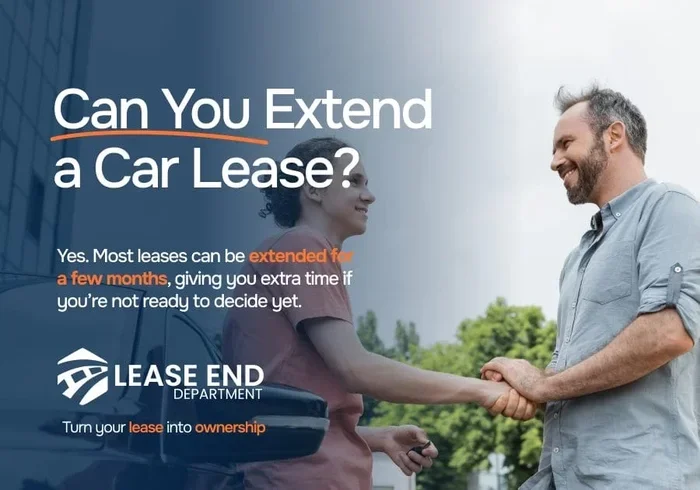
Yes, you can extend a car lease, and it is a smart move if you need more time with your current vehicle. A car lease extension lets you keep driving the same car without the hassle of returning it or buying a new one. In this guide, we will walk you through how lease extensions work, what they cost, and the pros and cons you should consider before making a decision.
So you are loving your car. It drives great. It fits your lifestyle perfectly. And now your lease is about to end, and you are wondering what to do next. The good news is that you have options. One of the most popular choices is a lease extension.
Can you extend a car lease? The short answer is yes. Most leasing companies offer this option. But the full story is a bit more involved. There are costs, rules, and deadlines you need to know about. This guide breaks it all down in simple terms.
Whether you are a first-time lessee or someone who has leased cars for years, understanding lease extension basics can save you money and stress. Let us dive in.
Key Takeaways
- Lease extensions are possible: Most leasing companies allow you to extend your lease, often month-to-month or for several months at a time.
- Costs vary widely: You may pay the same monthly rate, a reduced rate, or a slightly higher fee depending on your lease terms.
- Timing matters: Start the extension process early, ideally 30 to 60 days before your lease end date, to avoid penalties.
- Mileage limits still apply: Your extension will likely keep the same mileage cap, so watch your driving habits closely.
- Compare your options: A lease extension is not your only choice. Consider a lease buyout, returning the car, or switching to a new lease.
- Read the fine print: Understand all fees, conditions, and changes to your contract before signing anything.
- Talk to your lessor: Your leasing company is your best resource for specific extension details and availability.
📑 Table of Contents
- What Does It Mean to Extend a Car Lease?
- Why Would You Want to Extend a Lease?
- How Much Does It Cost to Extend a Car Lease?
- How to Extend Your Car Lease: Step by Step
- Common Mistakes People Make When Extending a Lease
- Expert Insights on Lease Extensions
- When Should You NOT Extend a Lease?
- Tips for a Smooth Lease Extension Experience
- Final Thoughts: Should You Extend Your Car Lease?
What Does It Mean to Extend a Car Lease?
A car lease extension is when you continue driving your current vehicle beyond the original lease end date. Instead of returning the car or buying it out, you keep it on a temporary or rolling basis. Think of it as hitting pause on the lease return process.
Most extensions work on a month-to-month basis. Your leasing company charges you a monthly fee, and you keep driving. Some extensions may last for several months. Others might only be offered for a short period. It all depends on your lease agreement terms and the lessor’s policies.
Here are some key things to understand about how extensions work:
- Your original lease terms stay in place. The same mileage cap and wear-and-tear guidelines usually apply.
- Your monthly payment may change. It could go up, go down, or stay the same depending on the deal.
- You are still responsible for maintenance. Any repairs or services remain your obligation.
- The extension is temporary. It is not a new long-term commitment. It simply buys you more time.
How Long Can You Extend a Lease?
There is no single answer to this question. Some leasing companies allow extensions of just a few weeks. Others let you roll over for six months or even longer. The most common extension period ranges from one to three months, with the option to renew.
Your best move is to contact your lessor early and ask about their specific extension policy. Do not wait until the last day of your lease. Giving yourself plenty of time helps you avoid extra fees and gives you room to negotiate.
Why Would You Want to Extend a Lease?
People extend car leases for all kinds of reasons. Sometimes life just does not line up with the lease end date. Other times, it makes solid financial sense. Let us look at the most common reasons drivers choose to extend their lease.
You Need More Time with the Vehicle
This is the number one reason. Maybe you just bought a house and cannot afford a new car payment yet. Or perhaps your current car is reliable and you are not ready to part with it. An extension lets you keep driving a car you already know and love.
You Want to Avoid the Hassle of Returning the Car
Returning a leased car involves scheduling an inspection, dealing with mileage overages, and potentially paying for excess wear and tear. An extension gives you breathing room. You can keep driving while you sort out your next move without the pressure of a hard deadline.
You Are Waiting for a Better Financial Situation
Maybe you are expecting a raise, a bonus, or a tax refund. Extending your lease for a few extra months can bridge the gap. This way, you do not have to rush into a new lease or car loan before you are financially ready.
You Want to Test the Waters Before Committing
Not sure if you want to buy the car or lease a new one? An extension gives you a low-risk way to keep driving while you figure it out. You can explore lease buyout options or shop for a new lease without feeling rushed.
How Much Does It Cost to Extend a Car Lease?
Cost is one of the biggest questions people have about extending a car lease. The truth is, there is no one-size-fits-all answer. Costs depend on several factors, including your lessor, your current lease terms, and how long you want to extend.
Typical Extension Costs
Most leasing companies charge a monthly extension fee. This fee is often similar to your original monthly payment. In some cases, it may be slightly higher or lower. Here are a few common scenarios:
- Same monthly rate: You continue paying what you have been paying. This is the most common and often the most favorable option.
- Reduced monthly rate: Some lessors lower the payment during an extension period to keep you in the car.
- Slightly higher rate: You may pay a small premium, usually just a few dollars more per month.
- Flat extension fee: Some companies charge a one-time fee to extend the lease, regardless of the length.
Hidden Costs to Watch For
Beyond the monthly extension fee, there are other costs you should be aware of:
- Mileage overage charges. If you go over your mileage cap during the extension, you will pay extra per mile.
- Wear-and-tear fees. The same rules from your original lease still apply. Any damage beyond normal use will cost you.
- Early termination penalties. If you decide to end the extension early and return the car, check for any penalties.
- Insurance costs. Your insurance premiums may change slightly depending on the extension terms.
Comparison: Lease Extension vs. Other Options
Not sure if an extension is the right move? Let us compare it to some common alternatives.
| Option | Pros | Cons |
|---|---|---|
| Lease Extension | Keep your current car, no new contract, minimal hassle | May cost slightly more per month, mileage limits remain |
| Lease Buyout | Own the car outright, no more monthly payments | Upfront cost, depreciation risk, maintenance responsibility |
| Return and Lease New | Drive a new car, fresh warranty, updated features | New monthly payments, possible fees, adjustment period |
| Early Termination | Freedom from the lease, option for a new vehicle | Often expensive penalties, credit score impact |
As you can see, a lease extension is often the simplest and most affordable option if you are happy with your current car. But it is not always the best choice. Consider your situation carefully.
How to Extend Your Car Lease: Step by Step
Ready to extend your lease? The process is usually straightforward, but you need to follow the right steps. Here is a simple guide to help you through it.
Step 1: Check Your Lease Agreement
Before you do anything, pull out your original lease contract. Look for any clauses about lease extensions. Some leases include extension terms right in the agreement. Others leave it up to the lessor’s discretion. Knowing what your contract says gives you a head start.
Step 2: Contact Your Lessor Early
Reach out to your leasing company at least 30 to 60 days before your lease end date. The earlier you ask, the better. This gives you time to negotiate terms and avoid any last-minute stress. Many lessors appreciate the advance notice and are more willing to work with you.
Step 3: Discuss Your Extension Options
Ask your lessor about the available extension options. Find out the following:
- How long can you extend the lease?
- What will the monthly payment be?
- Are there any additional fees?
- Do the mileage limits change?
- What happens if you decide to buy the car later?
Step 4: Review and Sign the Extension Agreement
Once you have the details, review everything carefully. Make sure you understand all the terms. If something seems unclear, ask questions. Do not sign anything until you are fully comfortable. The extension agreement is a legally binding document, so read every line.
Step 5: Keep Driving and Enjoy
Once the extension is in place, you are all set. Keep making your payments on time, stay within the mileage cap, and take good care of the car. When the extension period ends, you can decide whether to extend again, buy the car, or return it.
Common Mistakes People Make When Extending a Lease
Extending a lease is not complicated, but people do make mistakes. Avoid these common pitfalls to keep your experience smooth and stress-free.
Waiting Too Long to Start the Process
This is the biggest mistake. If you wait until the last week of your lease to ask about an extension, you may miss the window. Your lessor needs time to process the request. Start the conversation early.
Ignoring Mileage Limits
Your extension keeps the same mileage cap from your original lease. If you have been close to that limit already, an extension could push you over. The overage fees add up fast. Keep track of your miles and adjust your driving if needed.
Not Reading the Extension Agreement
It is tempting to just sign and move on. But extension agreements can include new terms and conditions. You might agree to a higher monthly payment or different rules without realizing it. Always read the fine print.
Assuming the Extension Is Free
Some people think extending a lease costs nothing extra. That is rarely true. There is almost always some cost involved, whether it is a higher monthly rate or a flat fee. Know the price before you commit.
Forgetting to Consider Other Options
An extension is just one path. You might be better off with a lease buyout or a brand-new lease. Do not default to an extension just because it is the easiest option. Compare all your choices first.
Expert Insights on Lease Extensions
We spoke with several automotive finance experts to get their take on lease extensions. Here is what they had to say.
Mark T., a lease advisor with 12 years of experience: “A lease extension is one of the most underrated tools in car financing. Many people do not realize they can simply keep driving their current car for a few extra months. It saves them from the hassle of starting a new lease and gives them breathing room.”
Sarah L., a consumer finance analyst: “The key to a successful lease extension is timing and communication. Talk to your lessor early, understand all the costs, and make sure the extension terms work for your budget. Do not let the process catch you off guard.”
David R., a car dealership manager: “From a dealer perspective, we love it when customers ask about extensions early. It shows they are engaged and informed. We can often find creative solutions that benefit both the customer and the lessor.”
These expert voices reinforce a simple truth: a lease extension is a practical, flexible option that works well when approached with knowledge and preparation.
When Should You NOT Extend a Lease?
While lease extensions are great for many people, they are not always the right choice. Here are some situations where you might want to consider a different path:
- Your car needs expensive repairs. If the vehicle is aging and repair costs are climbing, an extension will only add to those expenses.
- You need a newer model. If you want the latest safety features or technology, it may be better to lease a new car.
- Your financial situation has changed. If you can no longer afford the monthly payments, an extension will not solve that problem.
- You have exceeded your mileage cap. Continuing to drive an over-mileage car will result in steep penalties at the end of the extension.
- Your lease does not allow extensions. Some lease agreements have strict no-extension policies. Know your contract before you assume you can extend.
In these cases, a lease buyout, returning the car, or starting a new lease may make more sense. Always choose the option that fits your current situation best.
Tips for a Smooth Lease Extension Experience
Want to make your lease extension as easy as possible? Follow these practical tips:
- Start the conversation early. Contact your lessor at least 45 days before your lease ends.
- Get everything in writing. Verbal agreements can be forgotten. A written extension contract protects you.
- Monitor your mileage weekly. Keep a close eye on your odometer to avoid overage charges.
- Keep the car in good condition. Regular maintenance and careful driving reduce the risk of wear-and-tear fees.
- Set a reminder for the extension end date. Do not let the extension period sneak up on you without a plan.
- Compare costs with other options. Before you sign, look at what a new lease or a buyout would cost.
- Ask about loyalty discounts. Some lessors offer reduced extension fees for customers who have had a good payment history.
These simple steps can save you time, money, and headaches. A little preparation goes a long way.
Final Thoughts: Should You Extend Your Car Lease?
Can you extend a car lease? Yes, absolutely. And for many drivers, it is the smartest choice they can make. A lease extension gives you flexibility, keeps you in a car you already trust, and avoids the rush of starting something new.
But it is not a one-size-fits-all solution. You need to understand the costs, read the terms, and compare your options. Take the time to talk to your lessor, review your budget, and think about what you really want from your next car move.
Whether you extend for a few months or decide to take a different path entirely, the most important thing is that you make an informed choice. Knowledge is your best tool when it comes to car lease decisions. Use it wisely, and you will always end up in the best position.
So the next time your lease end date approaches, do not panic. You have options. And now you know exactly what they are.
Frequently Asked Questions
Can you extend any car lease?
Most car leases can be extended, but it depends on your specific lease agreement and lessor’s policies. Some leases include extension clauses, while others may require special approval. Contact your leasing company to confirm what is available for your situation.
How much does it cost to extend a car lease?
The cost varies by lessor and lease terms. You may pay the same monthly rate, a slightly higher fee, or a flat extension charge. Some lessors also charge additional fees for processing the extension. Always ask for a breakdown of all costs before signing.
Can you extend a car lease indefinitely?
Most lessors do not allow indefinite extensions. They typically cap extension periods at a few months. However, you may be able to renew the extension multiple times. Check with your leasing company for their specific rules on maximum extension length.
Does extending a lease affect your credit score?
Generally, extending a lease does not hurt your credit score. As long as you make your payments on time, it has a neutral or positive effect. However, missing payments during the extension period can damage your credit, just like any other loan or lease obligation.
Can you buy the car at the end of a lease extension?
Yes, in most cases you can purchase the car after the extension period ends. Many lease agreements include a lease buyout option that applies to extensions as well. The buyout price is usually based on the car’s residual value at that time.
What happens if you return the car early from a lease extension?
If you return the car before the extension period is over, you may face early termination fees. These vary by lessor but can be significant. Always review the extension agreement for early return terms and penalties before signing.
=== CONCLUSION ===
Extending a car lease is a practical, flexible, and often affordable option for drivers who need more time with their current vehicle. Whether you want to avoid the hassle of returning the car, wait for a better financial moment, or simply keep driving a car you love, a lease extension can work well for you.
The key is to act early, understand the costs, and compare all your choices. By following the steps in this guide, you will be well-prepared to make the best decision for your situation. Take control of your lease end date today, and you will thank yourself tomorrow.