Can I Do My Own Car Diagnostics And Save Money Today
Yes, you can do your own car diagnostics and save real money on repairs. With the right tools and basic knowledge, you can read your car’s error codes, troubleshoot problems, and avoid expensive trips to the mechanic. This guide walks you through everything you need to know about car diagnostics at home.
Have you ever seen that little yellow light on your dashboard and felt a knot form in your stomach? The check engine light can make anyone nervous. But here is the good news. You do not need to rush to the mechanic the second it pops on. You can learn how to do car diagnostics yourself and save a lot of money in the process.
Car diagnostics might sound like something only professionals can handle. But modern vehicles are designed to tell you exactly what is wrong. All you need is the right tool and a little confidence. This article breaks down everything you need to know about DIY car diagnostics. From understanding how your car’s computer works to picking the best OBD2 scanner, we have you covered.
Whether you are a complete beginner or someone who has always trusted the mechanic with every little issue, this guide will help you take charge of your vehicle’s health. Let us dive in.
Key Takeaways
- DIY car diagnostics is possible: Basic tools like an OBD2 scanner let you read your vehicle’s fault codes without a mechanic.
- You can save hundreds of dollars: Avoiding shop labor fees for simple diagnostics is one of the biggest money-saving wins.
- Check engine light does not always mean disaster: Many engine codes are minor fixes you can handle yourself.
- Know your limits: Some problems need professional equipment and expertise, and that is perfectly okay.
- Start with a code reader: It is the easiest and most affordable way to begin your DIY diagnostic journey.
- Regular vehicle health checks keep your car running: Catching small issues early prevents costly repairs later.
📑 Table of Contents
- What Is Car Diagnostics And Why Does It Matter
- How Car Diagnostic Systems Work
- Tools You Need To Do Your Own Car Diagnostics
- Step-By-Step Guide To Diagnosing Your Car
- Common Car Problems You Can Diagnose Yourself
- When You Should Still Visit A Mechanic
- How DIY Diagnostics Help You Save Money
- Expert Insights On DIY Car Diagnostics
- Key Takeaways
- Conclusion
What Is Car Diagnostics And Why Does It Matter
Every modern car built after 1996 has a built-in computer system. This system is called onboard diagnostics. It monitors all the major parts of your vehicle. When something goes wrong, the computer stores a diagnostic trouble code, also known as a DTC. These codes help you understand what is happening under the hood.
Car diagnostics is the process of reading these codes and figuring out what they mean. Think of it like a health checkup for your vehicle. Instead of guessing what is wrong, you get a clear message from your car’s computer. This makes car troubleshooting much easier and faster.
Why Diagnostics Matter For Your Wallet
Here is a hard truth. Many people pay mechanics just to tell them what is wrong with their car. A simple diagnostic scan at a shop can cost anywhere from $75 to $150. And sometimes, the fix turns out to be something small and cheap. By learning DIY car diagnostics, you skip that unnecessary cost entirely.
Over time, the savings add up quickly. You also gain confidence. When you understand your vehicle better, you make smarter decisions about repairs. You know when to act and when to wait. That knowledge is powerful.
How Car Diagnostic Systems Work
Your car’s onboard diagnostics system works like a network of sensors. These sensors watch things like engine temperature, oxygen levels, fuel mixture, and exhaust emissions. When a sensor detects something outside the normal range, it sends a signal to the car’s computer. The computer then logs a fault code and may trigger the check engine light.
Understanding Engine Codes
Engine codes are the language your car uses to communicate problems. Each code starts with a letter followed by four numbers. For example, P0301 means a misfire in cylinder one. Here is a quick breakdown of what the first letter means:
- P stands for powertrain issues. This includes the engine and transmission.
- B stands for body problems. Think of things like air conditioning or airbags.
- C stands for chassis. This covers the suspension and braking systems.
- U stands for network and communication errors between computer modules.
Once you know how to read these codes, you can look up what they mean. Many websites and apps will explain the code in plain language. This makes vehicle health checks simple and straightforward.
Tools You Need To Do Your Own Car Diagnostics
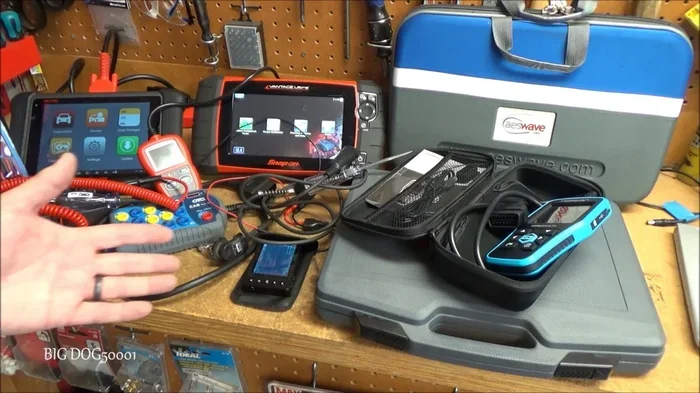
The best part about DIY car diagnostics is that you do not need a garage full of expensive equipment. A few basic tools are all you need to get started. Let us look at what you should have in your toolkit.
OBD2 Scanner Or Code Reader
The OBD2 scanner is the most important tool for any DIY car repair enthusiast. This small device plugs into your car’s diagnostic port. The port is usually located under the steering column. Once plugged in, the scanner reads all the error codes stored in your car’s computer.
There are two main types of scanners:
- Basic code readers: These are affordable and easy to use. They display the code and a short description. You can find them for under $30.
- Advanced scan tools: These cost more but offer live data, freeze frame data, and the ability to clear codes. Prices range from $50 to $300 or more.
For most people starting out, a basic code reader is all you need. You can always upgrade later as you get more comfortable.
Other Helpful Diagnostic Tools
While an OBD2 scanner is the star of the show, a few other tools can help with automotive diagnostic work:
- Multimeter: This measures voltage, current, and resistance. It helps you test sensors and electrical connections.
- Vacuum gauge: This checks engine vacuum levels and can reveal issues with the intake manifold or gaskets.
- Digital thermometer: Useful for checking coolant temperatures and exhaust gas temperatures.
- Phone or tablet with diagnostic apps: Many modern scanners connect to your phone via Bluetooth. Apps can display live sensor data and help you interpret codes.
Step-By-Step Guide To Diagnosing Your Car
Doing your own car diagnostics is easier than most people think. Follow these simple steps and you will be reading your car’s codes in no time.
Step 1: Find The Diagnostic Port
Locate your car’s OBD2 port. In most vehicles, it is under the dashboard on the driver’s side. You may need to look near the steering column or under the lower dash panel. Your owner’s manual will show you the exact location.
Step 2: Plug In Your Scanner
Once you find the port, simply plug in your OBD2 scanner. Turn the ignition to the on position. Do not start the engine yet. The scanner should power on automatically.
Step 3: Read The Codes
Follow the scanner’s instructions to read the stored codes. Write them down or take a photo with your phone. Each code will give you a clue about what is going on with your vehicle.
Step 4: Look Up The Codes
Now it is time to research. Use a reliable website or app to look up each code. Understand what it means and what might be causing it. Some codes are very common and easy to fix. Others may point to a more serious issue.
Step 5: Decide On Your Next Move
Based on your research, decide whether you can fix the problem yourself or if you need professional help. If the code points to a loose gas cap, tighten it and clear the code. If it points to a failing catalytic converter, you may need to visit a shop.
Quick Tip: Always clear the codes after fixing the problem. Then take your car for a short test drive. If the light does not come back on, your fix worked. If it does, there may be a deeper issue to address.
Common Car Problems You Can Diagnose Yourself
Many car issues show up as common engine codes that are easy to diagnose and fix. Here are some of the most frequent problems you can handle with DIY car diagnostics.
Loose Or Faulty Gas Cap
This is the most common reason for a check engine light. A loose gas cap lets fuel vapors escape, which triggers a code. Simply tighten the cap and the light may go away on its own after a few driving cycles.
Oxygen Sensor Issues
The oxygen sensor measures unburned oxygen in your exhaust. When it fails, your fuel economy drops and emissions increase. Replacing an oxygen sensor is usually straightforward and affordable.
Spark Plug Problems
Worn or fouled spark plugs can cause engine misfires. You may notice rough idling or poor acceleration. Checking and replacing spark plugs is one of the easiest car maintenance tasks you can do at home.
Catalytic Converter Concerns
A failing catalytic converter triggers specific fault codes. This repair can be expensive, so catching it early through regular diagnostics saves you from a bigger bill later.
Mass Airflow Sensor Failures
The mass airflow sensor tells your car’s computer how much air is entering the engine. When it goes bad, your car may stall or hesitate. Cleaning or replacing this sensor is usually simple and inexpensive.
When You Should Still Visit A Mechanic
While DIY car diagnostics is incredibly useful, it is not a replacement for professional help in every situation. Knowing when to call in the experts is just as important as knowing how to do it yourself.
Complex Electrical Issues
If your diagnostic trouble codes point to wiring problems or electrical faults, it is best to see a professional. Electrical work can be tricky and dangerous if you do not have experience.
Safety-Critical Systems
Problems with your brakes, steering, or airbags should always be handled by a trained mechanic. These systems directly affect your safety on the road.
Intermittent Problems
Some issues come and go. If your check engine light flickers on and off, it can be hard to pin down the cause. A professional with advanced scan tools can monitor the problem in real time and find the root cause.
Major Engine Or Transmission Problems
While diagnostics can tell you something is wrong, major repairs like engine rebuilds or transmission overhauls need specialized knowledge and equipment. Do not hesitate to seek professional help for these big jobs.
How DIY Diagnostics Help You Save Money
Repair costs can add up fast. The average diagnostic fee at a shop is around $100. Multiply that by a few visits a year, and you are spending hundreds of dollars just to find out what is wrong. With a basic OBD2 scanner that costs less than $50, you can do those same scans at home for free.
Beyond the diagnostic fee, knowing your car’s condition helps you avoid unnecessary repairs. Some shops may recommend expensive services that are not actually needed. When you understand your vehicle’s engine performance data, you can make informed decisions and say no to upsells.
Regular vehicle health checks also help you catch small problems before they become big ones. A $20 sensor replacement today can prevent a $1,000 repair tomorrow. That is the real power of DIY car diagnostics.
Expert Insights On DIY Car Diagnostics
Experienced auto technicians agree that DIY car diagnostics is one of the best things a car owner can do. Here are some insights from the field.
Start Simple
Many experts recommend starting with a basic code reader before investing in expensive equipment. Learn what the common codes mean for your vehicle make and model. Build your knowledge gradually.
Keep A Maintenance Log
Record every code you read, every fix you make, and every vehicle health check you perform. This log becomes a valuable resource. It helps you spot patterns and avoid repeat problems.
Use Multiple Resources
Do not rely on just one source for code interpretations. Use your scanner’s manual, online forums, repair databases, and YouTube tutorials. The more information you have, the better equipped you are to handle car troubleshooting on your own.
Key Takeaways
- DIY car diagnostics saves real money: A basic OBD2 scanner pays for itself after just one or two uses.
- Your car’s computer gives you clear answers: Fault codes tell you exactly what is wrong so you can act fast.
- Many common problems are easy to fix: Loose gas caps, spark plugs, and sensors are simple DIY repairs.
- Know when to call a professional: Safety-critical and complex issues should always be handled by a trained mechanic.
- Regular diagnostics prevent costly repairs: Catching small problems early keeps your car healthy and your wallet happy.
- Start with a code reader and build from there: You do not need expensive equipment to begin your DIY journey.
Conclusion
Can I do my own car diagnostics? Absolutely. With a basic OBD2 scanner and a willingness to learn, you can take control of your vehicle’s health. Car diagnostics at home saves you money, builds your confidence, and helps you make smarter repair decisions.
You do not need to be a mechanic to understand what your car is telling you. The tools are affordable, the information is accessible, and the savings are real. Start small. Read a code. Look it up. Fix what you can. Over time, you will become more comfortable and capable with every vehicle maintenance task you tackle.
The road to becoming a savvy car owner starts with a single step. Plug in that scanner, read your codes, and discover the power of DIY car diagnostics today. Your car and your wallet will thank you.
Frequently Asked Questions
What is an OBD2 scanner and do I need one for car diagnostics?
An OBD2 scanner is a device that plugs into your car’s diagnostic port and reads fault codes from the onboard computer. You do not strictly need one, but it is the easiest and most affordable way to start DIY car diagnostics. Basic models cost under $30 and work on most vehicles made after 1996.
Can I fix my car after reading the diagnostic codes myself?
Yes, many common issues like a loose gas cap, faulty oxygen sensor, or worn spark plugs are easy to fix at home. However, more complex problems involving safety systems or major components should be handled by a professional. Always research the code thoroughly before attempting any repair.
Is it cheaper to do car diagnostics at home than at a mechanic?
It is significantly cheaper. A mechanic may charge $75 to $150 just for a diagnostic scan. With a one-time purchase of an OBD2 scanner, you can perform unlimited scans at no extra cost. Over time, the savings on repair costs can be substantial.
What does the check engine light mean?
The check engine light means your car’s computer has detected a problem and stored a diagnostic trouble code. It could be something minor like a loose gas cap or something more serious like an engine misfire. Using a scanner to read the code is the first step to understanding the issue.
Are free diagnostic scans at auto parts stores accurate?
Free scans at stores like AutoZone or O’Reilly can give you a general idea of what is wrong. However, they may not read all codes or provide detailed information. A personal OBD2 scanner gives you more control and more complete data for accurate car troubleshooting.
How often should I do a vehicle health check at home?
It is a good idea to scan your car’s codes every few months or anytime the check engine light comes on. Regular vehicle health checks help you catch small problems early and keep your car running smoothly. Make it part of your routine car maintenance schedule.