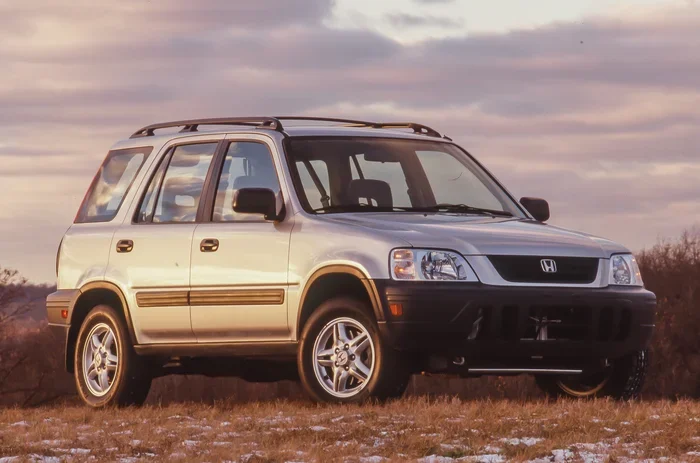
Can a Honda CR-V Last 20 Years – Is It Really Possible
Yes, a Honda CR-V can absolutely last 20 years with proper care, regular maintenance, and smart driving habits. The CR-V is one of the most reliable SUVs on the road, and thousands of owners report crossing the 200,000-mile mark without major issues. This guide breaks down everything you need to know about Honda CR-V longevity, from engine durability to common problems and cost-effective upkeep.
So you are wondering whether a Honda CR-V can last 20 years. It is a fair question. The CR-V has been one of the best-selling compact SUVs for decades, and for good reason. People buy them, love them, and keep them for a very long time.
But does the Honda CR-V really last 20 years? The short answer is yes. The longer answer is that it depends on several factors. Maintenance habits, driving conditions, model year, and even climate all play a role. In this article, we will dig deep into Honda CR-V reliability. We will look at what can go wrong, how to prevent problems, and what real owners say about keeping their CR-Vs for two full decades.
Whether you already own a CR-V and plan to keep it forever, or you are shopping for a used one with longevity in mind, this guide has you covered. Let us get into it.
Key Takeaways
- Honda CR-V longevity is proven: Many CR-V models easily reach 20 years or more with routine care.
- Regular maintenance is the #1 factor: Staying on top of oil changes, fluid flushes, and timing belt replacements dramatically extends lifespan.
- Common problems are manageable: Issues like rust, transmission wear, and suspension components are fixable and affordable when caught early.
- Engine and transmission reliability are outstanding: The Honda K-series engines and traditional automatic transmissions are built to endure high mileage.
- Resale value stays strong: Even older CR-V models hold their value well due to the brand’s reputation for durability.
- Owner habits matter: Gentle driving, garage storage, and prompt repairs all contribute to a 20-year lifespan.
- Cost of ownership remains low: Compared to competitors, the Honda CR-V offers excellent long-term value with affordable parts and service.
📑 Table of Contents
Understanding Honda CR-V Longevity
The Honda CR-V first arrived in 1995 as a compact crossover SUV. It quickly earned a reputation for being dependable, practical, and easy to live with. Over the years, Honda refined the design, improved the engines, and addressed early complaints. The result is a vehicle that has earned a special place in the hearts of millions of drivers worldwide.
When we talk about Honda CR-V longevity, we are really talking about two things. The first is mechanical durability. Can the engine, transmission, and drivetrain handle two decades of use? The second is structural integrity. Do the body panels, suspension, and interior components hold up over time?
The Honda CR-V Engine and Transmission
Honda has a long history of building engines that go the distance. The K-series engines found in most CR-V models are no exception. These engines are known for their robust construction, efficient design, and resistance to major mechanical failure.
Most CR-V models from the early 2000s onward use the K20 or K24 engine family. These engines are naturally aspirated, which means they do not rely on turbochargers or superchargers that can fail over time. The simplicity of these engines is a big reason they last so long.
The transmissions in the CR-V have also been reliable. Older models used a traditional five-speed or four-speed automatic. Newer models feature a continuously variable transmission, or CVT. Honda has made significant improvements to CVT reliability over the years, and most CR-V CVTs easily surpass 200,000 miles.
Real-World Mileage Records
There are countless stories of Honda CR-V owners pushing well past 200,000 miles. Some reports even show CR-Vs reaching 300,000 miles or more. These are not anomalies. They are the result of consistent care and attention.
According to data from various owner forums and automotive surveys, the average Honda CR-V owner reports few major issues before the 150,000-mile mark. After that, minor repairs become more frequent, but nothing catastrophic is common. This is a strong indicator that the Honda CR-V is built to last.
Common Issues That Affect Honda CR-V Lifespan
No vehicle is perfect, and the Honda CR-V is no exception. Understanding potential problems early can help you address them before they become serious. Here are the most common issues that can affect how long your CR-V lasts.
Rust and Corrosion
Rust is one of the biggest enemies of any vehicle, and the Honda CR-V is no different. Older models, especially those from the late 1990s and early 2000s, are more susceptible to rust on the wheel wells, rocker panels, and undercarriage.
If you live in a cold climate where roads are salted in winter, rust can become a real concern. Regular washing, especially under the vehicle, can help prevent corrosion from taking hold. Applying rust-proofing or undercoating is also a smart preventive step.
Transmission Problems
While Honda CR-V transmissions are generally reliable, some model years have had issues. The 2002 to 2006 CR-V models with the automatic transmission occasionally experienced premature wear. Symptoms include slipping, rough shifting, or delayed engagement.
CVT transmissions in newer models are more refined, but they still require proper maintenance. Changing the CVT fluid at the recommended intervals is essential. Neglecting this simple service can lead to expensive transmission repairs down the road.
Suspension Wear
The CR-V suspension system includes shocks, struts, control arms, and bushings. Over 20 years, these components naturally wear out. Common signs of suspension wear include a bumpy ride, pulling to one side, or unusual noises when going over bumps.
Replacing suspension parts is a normal part of long-term ownership. The good news is that these repairs are generally affordable and straightforward. A well-maintained suspension system keeps your CR-V safe and comfortable for the long haul.
Check Engine Light and Sensor Issues
Older Honda CR-V models are prone to triggering the check engine light for various sensor-related issues. Oxygen sensors, mass airflow sensors, and catalytic converters are common culprits. Most of these problems are not catastrophic, but they should be diagnosed and repaired promptly.
Ignoring a check engine light can lead to reduced fuel economy and potential damage to other components. A simple OBD-II scanner can help you identify the issue early and save money on repairs.
Maintenance Schedule for a 20-Year-Old Honda CR-V
Proper maintenance is the single most important factor in determining whether your Honda CR-V will last 20 years. Here is a practical maintenance guide to keep your CR-V running strong for decades.
Oil Changes and Fluid Maintenance
Regular oil changes are the foundation of Honda CR-V maintenance. You should change the engine oil every 5,000 to 7,500 miles, or more frequently if you drive in severe conditions. Using high-quality synthetic oil can provide extra protection for the engine internals.
Beyond oil, several other fluids need attention:
- Transmission fluid: Change every 60,000 to 90,000 miles for automatic models. For CVT models, follow Honda’s specific recommendations.
- Coolant: Flush and replace every 50,000 to 60,000 miles to prevent overheating and corrosion.
- Brake fluid: Replace every 30,000 miles or every two years, whichever comes first.
- Power steering fluid: Check regularly and top off as needed.
Timing Belt Replacement
This is one of the most critical maintenance items for a Honda CR-V. The timing belt should be replaced every 90,000 to 100,000 miles, or according to your specific model year’s service manual. A broken timing belt can cause catastrophic engine damage.
Some CR-V models use a timing chain instead of a belt. Timing chains are generally more durable and do not require scheduled replacement. Check your specific model to know which system your vehicle uses.
Brake System Upkeep
Brake pads, rotors, and calipers all wear over time. Most CR-V owners will need to replace brake pads every 40,000 to 60,000 miles. Rotors may need resurfacing or replacement at similar intervals.
Do not ignore brake warning signs. Squealing, grinding, or a soft brake pedal all indicate it is time for service. Proper brake maintenance keeps you safe and prevents more expensive repairs to the suspension and steering components.
What Owners Say About Honda CR-V Reliability Over Time
One of the best ways to understand Honda CR-V reliability is to listen to the people who own them. Owner forums, survey data, and long-term reviews paint a consistent picture of a vehicle that stands the test of time.
Many CR-V owners report that their vehicles become more dependable after the 100,000-mile mark. The early break-in period is usually the most eventful. Once the engine and transmission settle in, they tend to run smoothly for many more years.
Common feedback from long-term CR-V owners includes:
- Low repair costs: Most repairs are minor and affordable, even as the vehicle ages.
- Fuel economy remains solid: Even older CR-V models deliver respectable miles per gallon.
- Comfort and practicality: The CR-V continues to be a pleasant and functional daily driver, even after 15 or 20 years.
- Parts availability: Honda CR-V parts are widely available and reasonably priced, which keeps long-term ownership costs low.
Owner satisfaction surveys consistently rank the Honda CR-V among the top vehicles for long-term ownership. This is a strong endorsement of the model’s durability and value proposition.
Owner Testimonials and Long-Term Reviews
Online forums are filled with stories of Honda CR-V owners reaching 200,000, 250,000, and even 300,000 miles. These owners often credit simple maintenance, gentle driving, and prompt attention to small issues for their vehicles’ longevity.
One common theme among long-term CR-V owners is that they treat the vehicle well and do not ignore warning signs. Catching a small problem early, like a minor oil leak or a worn belt, prevents it from escalating into a major repair. This proactive approach is the hallmark of a CR-V owner who keeps their vehicle for 20 years or more.
How to Make Your Honda CR-V Last 20 Years
If you want your Honda CR-V to reach the 20-year mark, there are specific steps you can take. These are not complicated or expensive, but they make a significant difference over the life of the vehicle.
Drive Gently and Consistently
Hard driving accelerates wear on every component of the vehicle. Aggressive acceleration, hard braking, and high-speed driving all put extra stress on the engine, transmission, and brakes.
Gentle, steady driving is the best thing you can do for long-term CR-V health. Keep your speeds reasonable, accelerate smoothly, and allow the engine to warm up fully before pushing it hard. These habits may seem small, but they add up to significant longevity benefits over 20 years.
Store Your CR-V Properly
If you live in a harsh climate, how you store your CR-V matters. Garaging the vehicle protects it from UV damage, extreme temperatures, and road salt. If garage storage is not an option, consider using a quality car cover.
For vehicles that sit for extended periods, use a battery tender to keep the battery healthy. Start the engine and take a short drive at least once a week to keep all systems lubricated and functioning properly.
Address Problems Immediately
This cannot be overstated. The fastest way to shorten a Honda CR-V’s lifespan is to ignore warning signs. A small coolant leak today can become a blown engine tomorrow. A squeaking brake today can lead to rotor damage and a much more expensive repair next week.
Stay on top of your maintenance schedule. Address unusual noises, smells, or handling changes right away. A quick trip to the mechanic can save you thousands of dollars in the long run.
Use Quality Parts and Fluids
It can be tempting to use the cheapest available parts and fluids to save money. This approach often backfires. Low-quality oil, cheap brake pads, and inferior coolant can all lead to premature wear and expensive repairs.
Stick with OEM Honda parts or reputable aftermarket alternatives. Use manufacturer-recommended fluids and follow the service schedule to the letter. Your Honda CR-V was engineered with specific materials and tolerances in mind. Using the right parts ensures everything works together as intended.
Is the Honda CR-V Worth Keeping for Two Decades?
The final question many owners ask is whether keeping a Honda CR-V for 20 years makes financial sense. The answer depends on several factors, but the overall picture is quite positive.
Cost of Ownership Over 20 Years
When you compare the Honda CR-V to competitors in the compact SUV segment, the long-term cost of ownership is quite competitive. Honda parts are affordable and widely available. Service costs are reasonable, and the vehicle’s reliability means fewer unexpected repair bills.
Here is a rough comparison of long-term ownership costs:
- Honda CR-V: Average annual repair cost of around $500 to $700 for vehicles over 10 years old. Parts are affordable and labor costs are reasonable.
- Toyota RAV4: Similar to the CR-V, with comparable repair costs and reliability.
- Ford Escape: Slightly higher repair costs and more frequent issues reported by owners.
- Chevrolet Equinox: Moderate repair costs, with some model years experiencing more frequent issues.
Of course, these are general estimates. Your actual costs will depend on your specific model year, driving habits, and local labor rates. But the Honda CR-V consistently ranks among the more affordable vehicles to own over the long term.
Resale Value and Depreciation
One of the hidden benefits of Honda CR-V ownership is strong resale value. Even older CR-V models retain a surprising amount of their value. This is because there is always a demand for reliable used compact SUVs.
If you plan to sell your CR-V after 10 or 15 years, you can expect a decent return on your investment. The CR-V’s reputation for reliability means used buyers are willing to pay a premium for well-maintained examples.
Emotional and Practical Value
Beyond the financial considerations, there is a practical and emotional value to keeping a Honda CR-V for 20 years. You know your vehicle inside and out. Every sound, every quirk, every preference is familiar. This familiarity creates a sense of comfort and confidence that a new vehicle simply cannot replicate.
A well-kept CR-V also provides reliable transportation for your family, your daily commute, and your weekend adventures. It becomes more than just a vehicle. It becomes a trusted companion on life’s journey.
Conclusion
So, can a Honda CR-V last 20 years? The evidence strongly supports yes. The Honda CR-V is one of the most reliable and durable compact SUVs ever built. With proper maintenance, gentle driving, and prompt attention to issues, your CR-V can easily reach the 20-year mark and beyond.
The key to Honda CR-V longevity is simple. Stay on top of maintenance, use quality parts, and never ignore warning signs. These principles apply to any vehicle, but they are especially effective for the CR-V, which is already built to last.
If you are considering keeping your CR-V for two decades, go for it. If you are shopping for a used one, look for well-maintained examples with clean service records. Either way, the Honda CR-V is a vehicle that rewards long-term ownership with reliability, comfort, and value.
Take care of your Honda CR-V, and it will take care of you for 20 years or more. That is a promise Honda has kept for millions of owners around the world, and there is every reason to believe it will continue to do so for many more.
Frequently Asked Questions
What is the average lifespan of a Honda CR-V?
With proper maintenance, a Honda CR-V can easily last 200,000 to 300,000 miles or more. This translates to roughly 15 to 20 years of regular use. Many owners report their CR-Vs lasting well beyond 20 years when they stay on top of routine service and address issues promptly.
What are the most common problems with older Honda CR-V models?
The most common issues include rust on older models, transmission wear in certain model years, suspension component degradation, and check engine light triggers from sensor failures. Most of these problems are manageable and affordable to fix when caught early through regular maintenance.
How often should I change the oil in my Honda CR-V to maximize its lifespan?
You should change the oil every 5,000 to 7,500 miles for optimal engine health. Using synthetic oil can provide additional protection, especially for higher-mileage vehicles. Consistent oil changes are one of the simplest and most effective ways to ensure your CR-V lasts 20 years or more.
Is it expensive to maintain a Honda CR-V over 20 years?
No, the Honda CR-V is known for affordable long-term maintenance costs. Parts are widely available and reasonably priced. Routine services like oil changes, brake pad replacements, and fluid flushes are straightforward and budget-friendly compared to many competing SUVs.
Does the Honda CR-V hold its value over time?
Yes, the Honda CR-V has excellent resale value. Even after 10 or 15 years of ownership, a well-maintained CR-V retains a solid portion of its original value. This is due to the model’s strong reputation for reliability and its enduring popularity in the used SUV market.
Can I drive my Honda CR-V safely after 15 or 20 years?
Absolutely. As long as the vehicle has been properly maintained, a 15- or 20-year-old Honda CR-V is safe to drive. Regular inspections of brakes, suspension, steering, and safety systems are important at any age, and they become even more critical as the vehicle accumulates miles over the years.