Can You Put Chains on a Subaru Crosstrek for Winter
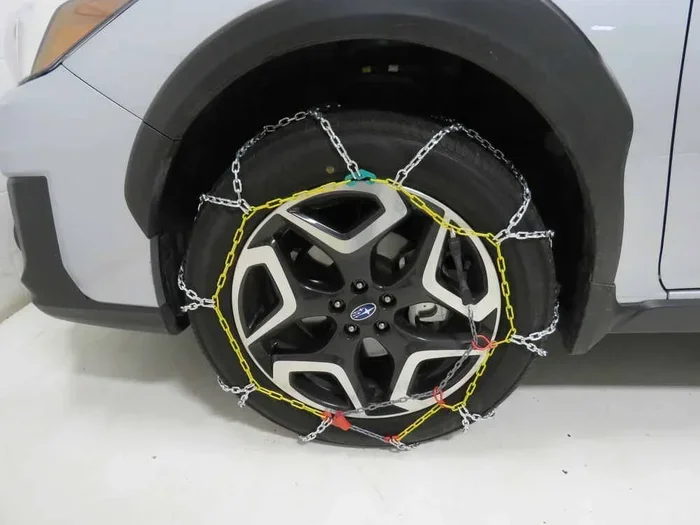
Yes, you can put chains on a Subaru Crosstrek. The Crosstrek has enough ground clearance and compatible wheel well space to fit most standard snow chains and traction devices. Whether you drive through heavy snow or icy mountain passes, adding tire chains to your Subaru Crosstrek can significantly boost safety. This guide covers chain types, installation steps, legal rules, and better alternatives to keep you confident all winter long.
Winter driving can feel stressful. Roads get slippery. Visibility drops. And if you live in a snowy area, you worry about your car getting stuck. The Subaru Crosstrek is a great vehicle for winter. It comes with all-wheel drive and symmetrical AWD that handles snow really well. But many drivers still ask one important question: can you put chains on a Subaru Crosstrek?
The short answer is yes. You absolutely can put chains on a Subaru Crosstrek. But the details matter. Not every chain fits every vehicle. The right chain type, proper installation, and knowing the rules all play a role in staying safe. This article breaks down everything you need to know about using tire chains on your Subaru Crosstrek during winter.
Whether you commute through icy neighborhoods or take weekend trips up mountain passes, understanding your options helps you drive with confidence. We will cover chain types, installation steps, legal requirements, and alternatives. By the end, you will know exactly what works best for your vehicle and your winter driving needs.
Key Takeaways
- Yes, chains fit: The Subaru Crosstrek has enough ground clearance and wheel well space for most standard snow chains and traction devices.
- Cable chains work best: Lightweight cable chains are the top choice for the Crosstrek because they are easy to install and gentle on wheels.
- Check your tire size first: Always confirm your specific tire size and wheel well clearance before buying any chain model.
- Know the laws: Chain laws vary by state and road, so check local regulations before heading into mountain passes or snowy highways.
- Alternatives exist: Winter tires and studded tires can often replace chains and offer better everyday driving comfort.
- Install on front wheels: For the Crosstrek, chains go on the front wheels since it is a front-wheel-drive-based AWD system.
- Practice makes perfect: Install your chains at home first so you are ready when bad weather hits.
📑 Table of Contents
- Understanding the Subaru Crosstrek and Winter Driving
- Types of Chains That Work with the Subaru Crosstrek
- How to Install Chains on a Subaru Crosstrek
- Legal Requirements for Chains on the Subaru Crosstrek
- Alternatives to Chains for the Subaru Crosstrek
- Expert Insights for Winter Driving with a Subaru Crosstrek
- Maintenance and Storage Tips for Your Chains
- Conclusion
Understanding the Subaru Crosstrek and Winter Driving
The Subaru Crosstrek is one of the most popular compact SUVs for winter driving. Its raised ground clearance and standard all-wheel drive make it a strong performer in snow. But how does it actually handle icy and snowy roads? And why do some drivers still feel the need to add traction devices like chains?
Ground Clearance and Wheel Well Space
The Subaru Crosstrek offers about 8.7 inches of ground clearance. That is above average for a compact SUV. This extra clearance gives you room for tire chains and cable chains without rubbing against the wheel wells or suspension components.
However, clearance is not unlimited. You need to check your specific model year and tire size. Some aftermarket wheels or larger tires can reduce the space between the chain and the fender. Always measure before you buy. A chain that rubs can damage your vehicle and create unsafe driving conditions.
Why the Crosstrek Handles Snow So Well
The Subaru symmetrical AWD system sends power to all four wheels evenly. This gives the Crosstrek excellent traction on snow and ice. Combined with traction control and vehicle dynamics control, the Crosstrek handles most winter driving situations very well.
But AWD is not the same as chains. AWD helps you accelerate. Chains help you brake and turn. On steep icy hills or compacted snow roads, chains provide something AWD alone cannot. They give you biting edges that grip the road surface directly.
When You Really Need Chains
There are situations where even the best AWD system needs help. Steep mountain passes often require chains by law. Deep snow on unpaved roads can overwhelm any traction control system. And black ice on bridges or overpasses can catch even experienced drivers off guard.
If you regularly drive in these conditions, adding winter traction devices to your Crosstrek is a smart move. It gives you a safety backup that no electronic system can replace.
Types of Chains That Work with the Subaru Crosstrek
Not all chains are the same. Different types offer different levels of grip, ease of use, and durability. Let us look at the best options for the Subaru Crosstrek.
Cable Chains
Cable chains are the most popular choice for the Crosstrek. They use steel cables instead of heavy chain links. This makes them lighter and easier to install. They also cause less damage to your wheels and suspension.
Cable chains work great for moderate snow and ice. They are perfect for drivers who need occasional traction without the hassle of heavy-duty chains. Most cable chain brands make models specifically for compact SUVs like the Crosstrek.
Diamond Pattern Chains
Diamond pattern chains feature a crosshatch design that wraps around the tire. This pattern provides excellent grip in deep snow. They are slightly heavier than cable chains but offer superior traction on severe ice.
For the Crosstrek, diamond pattern chains work well if you drive through heavy snowfall regularly. Just make sure the model you choose fits your tire size and has enough clearance inside the wheel well.
Self-Tensioning Chains
Self-tensioning chains use a built-in tensioner that keeps the chain tight while you drive. You do not need to stop and adjust them. This is a huge convenience factor, especially in cold or dangerous conditions.
These chains cost more than basic models, but the ease of use is worth it for many drivers. They also reduce the risk of the chain coming loose while driving, which can be very dangerous.
Snow Socks
Snow socks are fabric-based traction devices. They are lighter than chains and easier to install. Snow socks work well for light to moderate snow but are not as durable as metal chains.
For the Crosstrek, snow socks are a good temporary option. They are great for getting unstuck or driving through light snowfall. But for severe winter conditions, traditional chains or cable chains remain the better choice.
Comparison Table: Chain Types for the Subaru Crosstrek
| Chain Type | Weight | Ease of Install | Best For | Durability |
|---|---|---|---|---|
| Cable Chains | Light | Easy | Moderate snow, daily use | Good |
| Diamond Pattern Chains | Medium | Moderate | Heavy snow, steep hills | Very Good |
| Self-Tensioning Chains | Medium | Very Easy | Frequent use, convenience | Excellent |
| Snow Socks | Very Light | Very Easy | Light snow, temporary use | Fair |
How to Install Chains on a Subaru Crosstrek
Installing chains on your Subaru Crosstrek is straightforward once you know the steps. Practice at home first. This way, you will not be fumbling in the cold on a snowy roadside.
Step-by-Step Installation Guide
Follow these steps for a safe and proper chain installation:
- Park on a flat, hard surface. Avoid soft ground or slopes. Turn off the engine and engage the parking brake.
- Check your tire size. Look at the driver side door jamb or owner manual for the correct tire dimensions. Buy chains that match.
- Lay the chain out flat. Unfold it fully and check for any knots or tangles before you start.
- Drape the chain over the tire. Center the chain so the hooks face outward. The connector pieces should sit on the outer edge of the tire.
- Drive forward slowly. Move the car a few feet so the chain settles under the tire. This helps position it correctly.
- Connect the inner links. Hook the inner connectors around the tire. Make sure they are tight and secure.
- Tighten the tensioner. Use the built-in tensioner or ratchet strap to snug the chain against the tire. A loose chain can slap against the wheel well and cause damage.
- Drive a short distance and recheck. Stop after 50 to 100 feet. Check the tension again and adjust if needed.
Quick Tips for Chain Installation
- Wear gloves. Cold metal can cut your hands. Heavy-duty work gloves protect your fingers.
- Use a flashlight. If it is dark and snowy, visibility is low. A headlamp or flashlight makes the job much easier.
- Keep chains clean. Store them in a dry place. Rusty chains break easily and do not grip as well.
- Drive slowly. Never drive faster than 30 mph with chains on. They can damage your tires and suspension if you go too fast.
- Avoid bare pavement. Driving on clear roads with chains wears them out quickly and can damage your tires.
Common Mistakes During Installation
Many drivers make avoidable mistakes when installing tire chains. Here are the most common ones:
- Buying the wrong size. Chains that are too big will come loose. Chains that are too small will not fit over the tire.
- Skipping the tension step. A loose chain can fly off while driving, causing serious damage to your vehicle and other cars.
- Installing on a slope. Always park on level ground. Chains can roll and injure you if the car shifts.
- Forgetting to check after driving. Chains settle as you drive. Always recheck tension after the first short trip.
Legal Requirements for Chains on the Subaru Crosstrek
Chain laws are not the same everywhere. Some states require chains on certain roads during winter. Others have no chain laws at all. Understanding these rules keeps you legal and safe.
State-by-State Chain Laws
States like California, Colorado, and Washington have strict chain requirements on mountain passes. They often require chains during specific months or road conditions. Other states like Texas and Florida rarely have chain laws because snow is uncommon.
Before you drive with chains on your Subaru Crosstrek, check the laws for your state and any states you will pass through. Many state highway patrol websites list current chain requirements. You can also call local visitor centers in mountain areas for real-time updates.
Road-Specific Chain Requirements
Some roads require chains regardless of state law. National parks, forest roads, and mountain passes often post chain requirements at entry points. These signs are not suggestions. They are enforceable rules with fines for non-compliance.
The Subaru Crosstrek fits most standard chain requirements because of its raised ground clearance. But always double-check the specific chain size allowed on a given road. Some areas restrict certain chain types or require specific traction devices.
Penalties for Not Carrying Chains
Fines for not carrying required chains can range from $100 to $500 or more depending on the location. In severe conditions, authorities may require you to turn around if your vehicle does not have proper traction devices. This can delay your trip significantly.
Carrying chains in your trunk is a small investment for peace of mind. It also shows that you are a responsible winter driver who takes safety seriously.
Alternatives to Chains for the Subaru Crosstrek
Chains are not your only option for winter traction. Several alternatives work well with the Subaru Crosstrek and may better suit your driving habits.
Winter Tires
Winter tires are the best alternative to chains for most drivers. They use a special rubber compound that stays soft in cold temperatures. The tread pattern is designed to bite into snow and channel away slush and water.
For the Crosstrek, winter tires provide excellent traction in most winter conditions. They outperform chains for everyday driving because they are always on the car. You do not need to install or remove them. Many winter tire brands offer models that fit the Crosstrek’s standard tire sizes.
Studded Tires
Studded tires have small metal studs embedded in the tread. These studs provide incredible grip on ice. They work similarly to chains but are always attached to the tire.
Studded tires are legal in some states but not others. Check your local laws before purchasing them. For the Crosstrek, studded tires are an excellent option if you drive on icy roads regularly.
Traction Mats and Emergency Kits
Traction mats are lightweight tools you place under a stuck tire to help it grip. They are not a replacement for chains but are useful for emergency situations. Pair them with a winter emergency kit that includes a shovel, blankets, and sand or kitty litter for extra grip.
When to Choose What
Here is a simple guide to help you decide:
- Daily commuting in light snow: Winter tires are your best bet.
- Mountain driving or steep hills: Carry chains or cable chains as backup.
- Occasional snow driving: Snow socks or traction mats work for light needs.
- Severe winter conditions: Use chains or studded tires for maximum safety.
Expert Insights for Winter Driving with a Subaru Crosstrek
Winter driving experts agree on a few key principles. These tips help you get the most out of your Subaru Crosstrek and any traction devices you use.
First, always check your tire pressure. Cold temperatures reduce tire pressure, which affects traction. Keep your tires at the recommended PSI for optimal grip. Underinflated tires are more dangerous in snow even with chains.
Second, drive smoothly. Avoid sudden acceleration, hard braking, and sharp turns on icy roads. Smooth inputs keep the tires engaged and reduce the chance of sliding. This is true whether you have chains on or not.
Third, increase your following distance. Chains improve traction but do not make your car invincible. Stopping distances are still longer on ice and snow. Leave plenty of room between you and the vehicle ahead.
Fourth, keep your chains accessible. Store them in your trunk or cargo area where you can reach them quickly. In an emergency, you do not want to dig through boxes and bags to find your traction devices.
Fifth, consider a practice run. If you have never installed chains before, practice at home in your driveway. This builds confidence and helps you identify any issues before you need chains in real winter conditions.
These expert tips apply to all winter drivers, but they are especially important for Crosstrek owners who may not be used to severe snow conditions. The Crosstrek is capable, but smart driving habits make it even safer.
Maintenance and Storage Tips for Your Chains
Taking care of your tire chains extends their life and keeps them ready when you need them most.
After each use, wipe down the chains with a dry cloth to remove moisture and road salt. Store them in a cool, dry place away from direct sunlight. A canvas bag or original packaging works well for storage.
Check your chains before every winter season. Look for worn links, rust, or damaged tensioners. Replace any chain that shows significant wear. A chain that breaks while driving can cause serious damage to your wheels and suspension.
Also, check if your Subaru Crosstrek has any recall notices or service bulletins related to winter accessories. Staying informed keeps you safe and ensures your vehicle performs at its best all season long.
Conclusion
Can you put chains on a Subaru Crosstrek? Absolutely. The Crosstrek is well-suited for chains thanks to its generous ground clearance, compatible wheel well design, and standard all-wheel drive. Whether you choose cable chains, diamond pattern chains, or self-tensioning chains, you will find options that work for your vehicle and your winter driving needs.
Remember to check your tire size, follow installation steps carefully, and know the legal requirements in your area. Chains are a powerful tool for winter safety, but they work best when combined with good driving habits and proper vehicle maintenance.
Winter does not have to be scary. With the right preparation and the right traction devices, your Subaru Crosstrek can handle whatever the season throws at you. Stay safe, stay prepared, and enjoy the drive.
Frequently Asked Questions
Do I need chains if my Subaru Crosstrek has all-wheel drive?
AWD helps you accelerate, but chains help you brake and turn on ice. You may not need chains for light snow, but they are essential for severe winter conditions and mountain passes where they are legally required.
What size chains do I need for a Subaru Crosstrek?
Check your owner manual or the tire information placard on the driver door jamb. Common Crosstrek tire sizes include 225/55R17 and 225/50R18. Buy chains that match your exact tire size for a proper fit.
Can I drive with chains on the Crosstrek on regular roads?
You should avoid driving on bare pavement with chains. They wear out quickly and can damage your tires. Remove them when you reach clear roads and only use them in snowy or icy conditions.
Are cable chains better than traditional chains for the Crosstrek?
Cable chains are generally better for the Crosstrek. They are lighter, easier to install, and gentler on your wheels. They provide excellent traction for most winter driving situations the Crosstrek encounters.
How fast can I drive with chains on my Subaru Crosstrek?
Never exceed 30 mph when driving with chains. Higher speeds can cause the chains to break, damage your vehicle, or lose traction. Drive slowly and smoothly for the safest results.
Can I put chains on just two wheels of the Crosstrek?
For front-wheel-drive-based AWD vehicles like the Crosstrek, chains on the front wheels are most important. However, for the best balance and safety, it is recommended to chain all four wheels when conditions are severe.