Are 1999 4Runners Reliable A Deep Dive Into Their Reputation
The 1999 Toyota 4Runner is widely regarded as a reliable and durable SUV thanks to its simple engineering, strong V6 engine, and body-on-frame construction. While it has known issues like rust and aging suspension components, proper maintenance keeps these trucks running strong for hundreds of thousands of miles.
The 1999 Toyota 4Runner has earned a special place in the hearts of SUV enthusiasts. It belongs to the third generation of the 4Runner lineup, which ran from 1996 to 2002. During those years, Toyota built a truck that could handle anything you threw at it. Whether you needed to haul gear, tow a trailer, or tackle a rocky trail, the 4Runner delivered. But the big question remains: are 1999 4Runners reliable? The answer is not just a simple yes or no. There is a lot to unpack when it comes to the reputation of this classic SUV. Let us dive deep into what makes the 1999 4Runner tick and why so many people still swear by it today.
When the third generation 4Runner hit the market, Toyota was already known for building trucks that lasted. The 1999 model carried forward that legacy with a body-on-frame design, a robust V6 engine, and a simple electrical system. There were no fancy computers or complex sensors to worry about. This simplicity is a big reason why 1999 4Runner reliability has remained so high over the years. Owners who have kept their trucks for 200,000 miles or more are not uncommon. The 4Runner was built to be a workhorse, and it still performs like one today.
Key Takeaways
- Solid Reliability: The 1999 4Runner has a proven track record of longevity and dependability.
- Simple Mechanics: Its straightforward design makes repairs easier and less expensive than modern vehicles.
- Common Issues Exist: Rust, suspension wear, and transmission concerns are the main problems to watch for.
- Low Maintenance Costs: Parts are widely available and affordable compared to other SUVs.
- Great Off-Road Capability: The solid axle setup and 4WD system make it a capable trail partner.
- Strong Resale Value: 1999 4Runners hold their value well in the used market.
- Good for First-Time Buyers: The forgiving nature of this vehicle makes it a solid entry point into truck ownership.
📑 Table of Contents
Why the 1999 4Runner Earned Its Reputation
The reputation of the 1999 4Runner did not happen by accident. Toyota built this vehicle with durability in mind. The third generation 4Runner used a body-on-frame construction, which means the body sits on a separate ladder frame. This design is tougher and more long-lasting than unibody construction. It also makes the truck better suited for heavy loads and rough terrain.
Build Quality and Materials
Toyota used high-grade steel in the frame and body panels. The result is a truck that resists flex and bending under stress. Many owners report that their 1999 4Runners still feel solid after two decades of use. The interior materials were also durable. Cloth seats, plastic trim, and simple dash controls mean fewer things to break. This is a big advantage when you are looking at long-term ownership.
Owner Reviews and Community Feedback
If you browse online forums and owner reviews, the sentiment is overwhelmingly positive. People love the 1999 4Runner for its simplicity and toughness. Common praise includes:
- Reliable daily driving with few unexpected breakdowns
- Easy to work on with basic tools
- Great resale value even after many years
- Comfortable ride for a truck-based SUV
- Strong community support with plenty of aftermarket parts available
These reviews reinforce the idea that 1999 Toyota 4Runner reliability is well deserved. The truck has survived the test of time, and its fan base continues to grow.
Engine and Drivetrain Performance
At the heart of the 1999 4Runner is a 3.4-liter V6 engine. This engine produced about 190 horsepower and 210 pound-feet of torque. Those numbers may not sound impressive by today’s standards, but they were plenty for the early 2000s. The engine is known for being simple, robust, and easy to maintain.
The 3.4-Liter V6 Engine
The 3.4-liter V6, also known as the 5VZ-FE engine, is one of Toyota’s most respected powerplants. It uses a cast iron block and aluminum heads, which gives it a good balance of strength and weight. The engine is naturally aspirated, meaning it does not use a turbocharger. This makes it less prone to turbo-related failures.
Common issues with the 3.4-liter V6 are minimal. Some owners have reported valve cover gasket leaks over time, but these are inexpensive to fix. The engine is also known for burning a small amount of oil as it ages, which is normal for many older engines. Overall, the 4Runner V6 engine is a reliable component that contributes greatly to the truck’s reputation.
Transmission Options
The 1999 4Runner came with either a five-speed manual or a four-speed automatic transmission. Both options have their fans. The manual transmission is simple and durable, and many off-road enthusiasts prefer it for better control. The automatic transmission, while not as sporty, is also known for longevity. The 4-speed AW70 automatic is a robust unit that handles the truck’s power well.
Transmission problems in the 1999 4Runner are rare. Most issues stem from lack of maintenance, such as not changing the transmission fluid on time. With regular fluid changes, either transmission can last well over 200,000 miles.
Drivetrain and 4WD System
The 1999 4Runner came standard with rear-wheel drive and an available 4WD system. The part-time 4WD setup allows drivers to engage or disengage the front axle as needed. This is great for fuel economy during daily driving while still offering serious off-road capability when you need it. The transfer case and front differential are simple units that are easy to maintain.
Common Issues and What to Watch For
No vehicle is perfect, and the 1999 4Runner is no exception. While it is widely regarded as reliable, there are some common 4Runner problems that potential buyers should know about. Understanding these issues helps you make an informed decision and avoid costly surprises.
Rust and Corrosion
Rust is one of the most common complaints about the 1999 4Runner. The truck’s body panels, especially around the wheel wells and rocker panels, are prone to rust if not properly protected. If you are shopping for a 1999 4Runner, always check for rust underneath the vehicle. Surface rust can be treated, but structural rust is a serious concern.
Quick Tip: Ask for a rust inspection before buying. A thorough check under the vehicle can save you thousands in repairs down the road.
Suspension Wear
The 1999 4Runner uses a solid front axle with leaf springs and a rear solid axle with leaf springs. While this setup is excellent for off-road use, the suspension components wear over time. Common issues include:
- Worn leaf springs that cause a sagging rear end
- Bushings that deteriorate, leading to clunking noises
- Shock absorbers that lose damping, resulting in a rough ride
- Ball joints and tie rod ends that need replacement
These are normal wear items and not necessarily signs of a bad truck. Replacing suspension components on a 1999 4Runner is straightforward and affordable. Parts are widely available from both OEM and aftermarket suppliers.
Electrical Gremlins
While the 1999 4Runner has a simple electrical system, some owners have reported issues with the wiring harness, especially in trucks that have been exposed to moisture. Corroded connectors can cause intermittent problems with lights, gauges, and the 4WD system. These issues are usually easy to trace and fix.
Fuel System Concerns
Some 1999 4Runners have experienced fuel pump failures, particularly in higher-mileage examples. The fuel pump is located inside the tank, and replacement requires dropping the tank. This is not a cheap repair, but it is not common either. Keeping your fuel tank at least a quarter full helps extend the pump’s life.
Expert Insight: According to long-term 4Runner owners, the most reliable trucks are those that received regular maintenance. Oil changes, fluid flushes, and timely repairs make a huge difference in how long a 1999 4Runner lasts.
Maintenance and Ownership Costs
One of the biggest advantages of owning a 1999 4Runner is the low cost of ownership. Toyota designed this truck to be simple and easy to maintain. Unlike modern vehicles packed with complex electronics, the 1999 4Runner relies on proven mechanical components that are easy to repair.
Routine Maintenance Schedule
Staying on top of routine maintenance is the key to keeping your 4Runner reliable. Here is a basic maintenance schedule to follow:
- Oil changes every 5,000 to 7,500 miles with conventional oil
- Transmission fluid changes every 60,000 miles
- Coolant flush every 50,000 miles
- Brake pad replacement as needed, typically every 30,000 to 50,000 miles
- Spark plug replacement every 60,000 miles
- Timing belt inspection at 60,000 miles and replacement if needed
Average Annual Maintenance Costs
According to data from various owner surveys, the average annual maintenance cost for a 1999 4Runner is around $400 to $600. This is lower than the average for similar-sized SUVs. The savings come from the truck’s simplicity and the wide availability of affordable parts. You can find 4Runner replacement parts at most auto parts stores or online retailers.
Common Mistakes Owners Make
Here are some mistakes that can hurt your 1999 4Runner’s longevity:
- Skipping oil changes: This is the fastest way to kill an engine, even a reliable one.
- Ignoring rust: Small rust spots can turn into major structural issues if left untreated.
- Neglecting transmission fluid: Old fluid causes premature wear on internal components.
- Overloading the truck: Exceeding the payload limit stresses the suspension and frame.
- Using low-quality parts: Cheap replacement parts may save money upfront but cost more in the long run.
Avoiding these mistakes will help your 1999 4Runner stay on the road for many more miles.
Off-Road Capability and Daily Driving
The 1999 4Runner was built as a rugged off-road SUV, but it also works well as a daily driver. This dual-purpose nature is one of the reasons the truck has remained so popular over the years.
Off-Road Performance
When it comes to off-road capability, the 1999 4Runner is a strong performer. The solid front and rear axles provide excellent traction on rough terrain. The part-time 4WD system with a locking transfer case lets you crawl over rocks and logs with confidence. The approach and departure angles are generous, allowing the truck to handle steep inclines and declines.
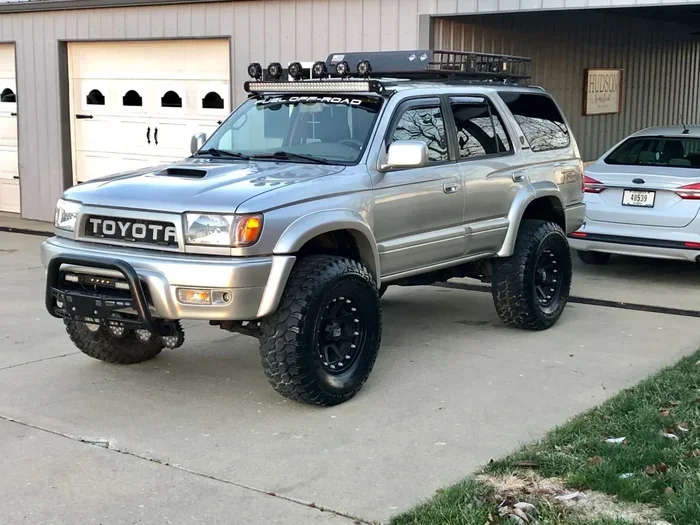
Many owners use their 1999 4Runners for trail running, overlanding, and camping trips. The truck’s ground clearance and durable construction make it a trusted companion on the trail. With upgraded tires and a lift kit, the 1999 4Runner can handle even the most demanding trails.
Daily Driving Comfort
Despite its rugged nature, the 1999 4Runner is surprisingly comfortable for daily driving. The seats are supportive, and the ride quality is smooth on paved roads. Visibility is excellent thanks to the tall seating position and large windows. The truck also offers a decent amount of cargo space behind the rear seats, making it practical for errands and road trips.
Fuel economy is the main trade-off for daily driving. The 1999 4Runner gets around 16 to 18 miles per gallon in the city and 19 to 21 on the highway. This is lower than modern SUVs, but it is typical for a truck-based SUV from that era.
Should You Buy a 1999 4Runner Today?
The 1999 Toyota 4Runner is still a great buy in the used SUV market. Prices for clean examples range from around $8,000 to $18,000 depending on condition, mileage, and trim level. The SR5 trim is the most common and offers a good balance of features and value. The Limited trim adds more comfort and convenience features but at a higher price.
What to Look for When Buying
Before you pull the trigger on a 1999 4Runner, here are some things to check:
- Frame condition: Look for cracks, bends, or excessive rust on the frame.
- Engine condition: Listen for unusual noises and check for oil leaks.
- Transmission operation: Make sure all gears shift smoothly without slipping.
- 4WD function: Test both part-time and full-time 4WD modes.
- Interior condition: Check for water damage, torn seats, and working electronics.
- Service history: Ask for maintenance records to ensure the truck was properly cared for.
Alternatives to Consider
If the 1999 4Runner does not seem like the right fit, there are other trucks to consider. The 1999 Jeep Grand Cherokee offers similar off-road capability but with a more modern feel. The Ford Explorer from the same era is another option, though it lacks the 4Runner’s proven durability. The Chevrolet Tahoe provides more interior space but comes with higher fuel costs.
However, when you compare reliability, maintenance costs, and long-term ownership experience, the 1999 4Runner stands tall. It is hard to beat a truck that has earned a reputation for lasting for decades with basic care.
Final Verdict on 1999 4Runner Reliability
So, are 1999 4Runners reliable? Absolutely. The 1999 Toyota 4Runner is one of the most dependable SUVs you can buy on the used market. Its simple design, strong engine, and durable construction have stood the test of time. While it has some common issues like rust and suspension wear, these are manageable with proper care. If you are looking for a truck that will serve you well for years to come, the 1999 4Runner is a fantastic choice. It is a vehicle that rewards owners who appreciate simplicity, durability, and off-road capability.
The 1999 4Runner represents what Toyota does best: building trucks that people can count on. Whether you are a first-time buyer or a seasoned truck enthusiast, this classic SUV deserves a spot on your shortlist. Its 1999 4Runner reliability is not just a claim, it is backed by thousands of satisfied owners and decades of real-world experience.
Frequently Asked Questions
What engine does the 1999 Toyota 4Runner have?
The 1999 4Runner comes with a 3.4-liter V6 engine known as the 5VZ-FE. This engine produces 190 horsepower and 210 pound-feet of torque. It is a naturally aspirated engine with a cast iron block and aluminum heads. The 3.4-liter V6 is known for its durability and ease of maintenance, making it a favorite among truck enthusiasts.
How many miles can a 1999 4Runner last?
With proper maintenance, a 1999 4Runner can easily last 250,000 to 300,000 miles or more. Many owners report crossing the 300,000-mile mark without major engine or transmission issues. The key factors are regular oil changes, timely fluid replacements, and addressing small problems before they become big ones. The truck’s simple design makes it easier to maintain over the long haul.
What are the most common problems with the 1999 4Runner?
The most common issues include rust on the body panels and frame, suspension wear over time, and occasional fuel pump failures. Electrical gremlins related to corroded connectors can also appear, especially in trucks exposed to moisture. These problems are generally straightforward to fix and do not indicate a fundamental design flaw in the vehicle.
Is the 1999 4Runner good for off-roading?
Yes, the 1999 4Runner is an excellent off-road vehicle. It features a solid front and rear axle setup, part-time 4WD with a locking transfer case, and good ground clearance. The truck handles trails, rocks, and uneven terrain with confidence. Many owners modify their 1999 4Runners with lift kits and all-terrain tires for even better off-road performance.
How much does it cost to maintain a 1999 4Runner?
The average annual maintenance cost for a 1999 4Runner is between $400 and $600. This is lower than most SUVs in its class. Parts are widely available and affordable, and the truck’s simple mechanical design makes repairs easier. Regular oil changes and fluid services keep costs low and help prevent expensive breakdowns.
Should I buy a 1999 4Runner as my first truck?
The 1999 4Runner is a solid choice for a first truck. It is durable, easy to maintain, and forgiving of minor neglect. The simple systems make it easier to learn basic maintenance and repair skills. Just be sure to have a pre-purchase inspection done and look for a clean example without excessive rust or major accident damage.
=== CONCLUSION ===
The 1999 Toyota 4Runner remains one of the most reliable SUVs on the used market. Its strong V6 engine, simple mechanical design, and proven off-road capability make it a standout choice for buyers seeking durability and value. While no vehicle is perfect, the 1999 4Runner’s strengths far outweigh its weaknesses. The truck’s reputation for long-term reliability is well earned and backed by a passionate community of owners.
If you are in the market for a dependable SUV that can handle both daily commutes and weekend adventures, the 1999 4Runner should be at the top of your list. It is a truck that rewards owners who appreciate simplicity and quality craftsmanship. Take your time, inspect any truck you are considering carefully, and you will find a trusty companion that will serve you well for many miles to come.