Can You Still Drive a Prius With a Dead Hybrid Battery
Can you still drive a Prius with a dead hybrid battery? Yes, but only in a limited limp-home mode that restricts speed and power. This guide explains what happens, how far you can go, and what to do next to stay safe and get back on the road.
If you are wondering can you still drive a Prius with a dead hybrid battery, you are not alone. Many Prius owners face this scary situation on a highway or a quiet street. The good news is that you can often move the car a short distance. However, you need to understand the limits and risks involved.
Toyota designed the Prius with a special safety feature called limp-home mode. This mode lets you keep driving when the hybrid battery fails. But it is not a long-term solution. You must act quickly and get the right help. This article covers everything you need to know about driving a Prius with a dead hybrid battery. We will look at symptoms, risks, costs, and practical steps you can take today.
Key Takeaways
- You can drive a short distance: A dead hybrid battery triggers a limp-home mode that limits speed to around 25 mph.
- The 12V battery is separate: Your Prius has two batteries. The small 12V battery keeps the electronics alive, while the high-voltage hybrid battery powers the car.
- Warning signs appear early: Reduced fuel economy, strange noises, and dashboard alerts often show up long before the battery dies completely.
- Replacement costs vary: A new Toyota hybrid battery can range from $2,000 to $4,000, but refurbished options cost less.
- Do not ignore the problem: Driving too long on a weak battery can damage the gasoline engine and other expensive parts.
- Professional help is best: A trained technician can diagnose the exact issue and recommend the right fix.
📑 Table of Contents
- What Happens When Your Prius Hybrid Battery Dies?
- Can You Still Drive a Prius With a Dead Hybrid Battery?
- The Difference Between the 12V Battery and the Hybrid Battery
- What to Do When Your Prius Hybrid Battery Fails
- Long-Term Implications of Driving on a Dead Hybrid Battery
- Final Verdict and What Every Prius Owner Should Know
What Happens When Your Prius Hybrid Battery Dies?
The Role of the Hybrid Battery
The Prius uses a hybrid battery pack made of nickel-metal hydride (NiMH) or lithium-ion cells. This pack works with the electric motor and gasoline engine. Together, they create what Toyota calls the hybrid synergy drive. The battery stores energy from regenerative braking and provides power during acceleration. When the battery dies, this partnership breaks down. The car cannot use electric power anymore.
Symptoms of a Failing Hybrid Battery
You will notice several warning signs before the battery dies completely. Watch for these common symptoms:
- Reduced fuel economy: Your miles per gallon drop suddenly.
- Warning lights: The check engine light or hybrid system warning appears on the dashboard.
- Strange noises: You hear clicking, whirring, or grinding sounds from the engine bay.
- Power loss: The car feels sluggish when you press the accelerator.
- Battery charge drops: The state of charge gauge falls quickly or stays very low.
Quick Tips: How to Recognize Warning Signs
- Check your fuel economy once a month. A big drop is a red flag.
- Listen for unusual sounds when you start the car or brake.
- Pay attention to dashboard alerts. Do not ignore them.
- Use the trip computer to monitor battery health if your model supports it.
Common Mistakes: Ignoring Early Warnings
Many drivers ignore the first signs of a weak hybrid battery. They hope the problem goes away. This is a big mistake. Driving on a failing battery puts extra strain on the gasoline engine. It can lead to a complete breakdown on the road. Always address warning signs early to avoid costly repairs.
Can You Still Drive a Prius With a Dead Hybrid Battery?
The Limited “Limp Home” Mode
Yes, you can still drive a Prius with a dead hybrid battery, but only in a very limited way. Toyota built a safety net into the system. When the hybrid battery fails, the car enters limp-home mode. This mode allows the gasoline engine to run by itself. The electric motor shuts down completely. You can drive at low speeds to reach a safe spot or a repair shop.
What “Limp Home” Actually Feels Like
When limp-home mode kicks in, you will notice a few things. The car loses its smooth electric assist. Acceleration feels weaker. The top speed is usually limited to 25 mph on some models. You might see a warning message on the dashboard. The car may also make a loud engine noise because it is working harder without the electric motor.
Expert Insight: Why Toyota Designed It This Way
Toyota wanted to protect drivers and the car itself. Limp-home mode prevents the gasoline engine from overworking. It also keeps the 12V electrical system running so you can steer and brake. This design gives you just enough power to move the car safely. It is not meant for long trips or highway driving.
Key Takeaways
- Limp-home mode is a temporary fix: Use it only to reach a safe location or a mechanic.
- Speed is limited: Do not try to push the car beyond 25 mph.
- Engine noise increases: The gasoline engine works alone, so it sounds louder.
- You lose regenerative braking: The car relies only on the friction brakes, which may feel different.
The Difference Between the 12V Battery and the Hybrid Battery
Why the 12V Battery Matters
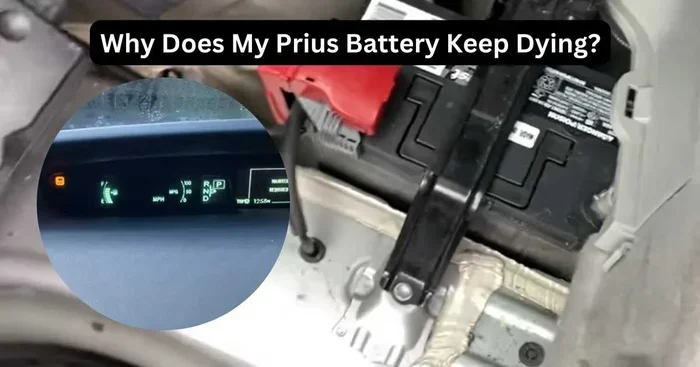
A common point of confusion is the difference between the 12V battery and the high-voltage hybrid battery. The 12V battery is a standard car battery. It powers the lights, computer, and radio. The hybrid battery is a high-voltage pack that drives the electric motor. When people say the hybrid battery is dead, they mean the high-voltage pack. The 12V battery may still be fine.
How They Work Together
The 12V battery starts the car and runs the hybrid system control unit. The hybrid battery provides the main power for driving. If the 12V battery dies, the car will not start at all. If the hybrid battery dies, the car can still run on the gasoline engine in limp-home mode. Both batteries are important, but they serve different roles.
| Feature | 12V Battery | Hybrid Battery |
|---|---|---|
| Voltage | 12 volts | 200–300 volts (varies by model) |
| Role | Powers electronics and starts the car | Drives the electric motor and assists the engine |
| Location | Usually in the engine bay | Typically in the trunk or rear seat area |
| Replacement Cost | $100–$200 | $2,000–$4,000 (new) |
| Lifespan | 3–5 years | 8–15 years or 100,000–150,000 miles |
What to Do When Your Prius Hybrid Battery Fails
Step-by-Step Actions
If your Prius hybrid battery dies, follow these steps to stay safe:
- Pull over safely: Turn on the hazard lights and move to the side of the road.
- Check the 12V battery: Make sure the 12V battery is not the issue. A dead 12V battery can mimic hybrid failure.
- Turn the car off and on: Sometimes a reset can clear a temporary error. Turn the key to off, wait 30 seconds, and restart.
- Engage limp-home mode: If the warning stays, you can drive slowly to a safe spot.
- Call for help: If you cannot drive, call a tow truck. Ask for a flatbed if possible.
Replacement Cost and Repair Options
The cost to replace a hybrid battery varies. A brand-new Toyota battery can cost between $2,000 and $4,000. Labor adds another $500 to $1,000. However, you have other options. Refurbished batteries cost less, often around $1,200 to $2,500. Some shops can rebuild your old battery by replacing weak cells. This can save you hundreds of dollars.
Expert Insight: OEM vs Aftermarket Batteries
Original Equipment Manufacturer (OEM) batteries come with a warranty and are designed specifically for your Prius model. Aftermarket batteries may be cheaper, but quality can vary. Always buy from a reputable dealer or certified shop. A bad aftermarket battery can cause more problems later.
Quick Tips: Extending Battery Life
- Avoid extreme temperatures when possible. Hot and cold weather shorten battery life.
- Drive smoothly. Aggressive acceleration wears out the battery faster.
- Keep the 12V battery healthy. A weak 12V battery can stress the hybrid system.
- Get regular maintenance checks. A technician can test the hybrid battery state of health.
Long-Term Implications of Driving on a Dead Hybrid Battery
Risk of Further Damage
Driving too long with a dead hybrid battery can hurt other parts of the car. The gasoline engine works harder without electric assist. This can lead to overheating and increased wear on the engine. The inverter and power-split device may also suffer damage. Repairing these parts costs much more than replacing the battery alone.
Safety Considerations
Limp-home mode limits your speed, but it is not safe for highway driving. You may not have enough power to merge or climb hills. The brakes may also feel different because you lose regenerative braking. Always pull over if you feel the car is not responding properly. Safety comes first.
Common Mistakes: Pushing the Car Too Far
Some drivers try to push a Prius with a dead hybrid battery all the way home or to a distant mechanic. This is risky. You might strand yourself in a dangerous location. You might also cause engine damage that costs thousands to fix. If the battery is dead, get the car towed to a trusted shop.
Final Verdict and What Every Prius Owner Should Know
So, can you still drive a Prius with a dead hybrid battery? The answer is yes, but only for a short, low-speed trip. Toyota’s limp-home mode gives you a safety net. It lets you move the car to a safe spot or a repair shop. However, this is not a permanent fix. You must replace or repair the hybrid battery as soon as possible.
Knowing the signs of a failing battery can save you time and money. Watch for reduced fuel economy, warning lights, and strange noises. Do not ignore these signals. Take action early, and you will avoid a sudden breakdown. Whether you choose a new battery, a refurbished unit, or a cell rebuild, acting fast is the best decision.
Owning a Prius is a great experience. These cars are known for reliability and fuel efficiency. With the right care, your hybrid battery can last many years. But when it does fail, you now know exactly what to do. Stay calm, use limp-home mode wisely, and get professional help. Your Prius will thank you for it.
Frequently Asked Questions
Can I drive my Prius on the highway with a dead hybrid battery?
No, you should not drive on the highway in limp-home mode. The limited speed and power make it unsafe for high-speed traffic. Pull over safely and call for a tow truck instead.
How long can I drive in limp-home mode before causing damage?
You should only drive as far as needed to reach a safe location or a repair shop. Extended driving can overheat the gasoline engine and cause additional wear. Keep the distance as short as possible.
What is the average cost to replace a Prius hybrid battery?
A new Toyota hybrid battery typically costs between $2,000 and $4,000. Refurbished options are cheaper, often ranging from $1,200 to $2,500. Labor costs will add to the total price.
Can a dead 12V battery cause hybrid system warnings?
Yes, a weak or dead 12V battery can trigger hybrid warning lights. The 12V battery powers the control unit for the hybrid system. If it fails, the system may shut down or display error messages.
Is it worth rebuilding a hybrid battery instead of replacing it?
Yes, rebuilding can be a cost-effective option. A shop can replace weak cells in your existing battery pack. This often costs less than a full replacement and extends the battery’s life by several years.
How can I prevent my Prius hybrid battery from dying early?
Regular maintenance, smooth driving, and avoiding extreme temperatures help. Keep the 12V battery healthy and have a technician check the hybrid battery state of health during service visits. These simple steps can add years to your battery life.