How to Choose the Best Aftermarket Car Infotainment System
An aftermarket car infotainment system transforms your daily drive into a connected, modern experience. This guide covers everything you need to know about choosing the right head unit, from screen size and smartphone compatibility to top brands and installation tips. You will walk away confident and ready to pick the perfect car entertainment system for your vehicle.
Upgrading your car’s audio and navigation setup starts with picking the right aftermarket car infotainment system. Whether your factory stereo feels outdated or you simply want more features, the right head unit can completely change how you experience every drive. This guide covers everything from screen sizes to smartphone compatibility so you can make a confident choice.
A car infotainment system does far more than play music. It handles navigation, phone calls, backup cameras, and even app integration. But with so many options on the market, the decision can feel overwhelming. That is exactly why we put together this buying guide. By the end, you will know exactly what to look for and how to avoid common pitfalls.
Let us be real for a moment. Your daily commute or weekend road trip deserves a better audio experience. A quality aftermarket car infotainment system brings modern smart features into older vehicles that never had them. It is one of the most impactful upgrades you can make to any car. So let us dive in and explore what makes a great system tick.
Key Takeaways
- Match the size first: Choose between single DIN and double DIN based on your dashboard space and feature needs
- Smartphone integration is essential: Apple CarPlay and Android Auto are now must-have features in any quality head unit
- Check compatibility before buying: Not every aftermarket car infotainment system fits every vehicle, so verify your model
- Invest in trusted brands: Pioneer, Sony, and Kenwood lead the market with reliable and well-supported products
- Do not skip the wiring harness and dash kit: These small accessories ensure a clean, safe, and professional installation
- A rearview camera adds real value: Backup camera support greatly improves safety and makes parking easier
📑 Table of Contents
What Is an Aftermarket Car Infotainment System?
An aftermarket car infotainment system is a replacement head unit you install in place of your factory stereo. Unlike the original equipment, these units come packed with modern technology and connectivity options. Think of it as giving your car a brain upgrade without buying a new vehicle.
How It Differs from Factory Systems
Factory infotainment systems come built into your car from the manufacturer. They work fine, but they often lack the latest features. A car stereo replacement gives you access to newer technology, better audio processing, and more customization options.
Here are the main differences you should know:
- Feature updates: Factory systems rarely get new software. Aftermarket units often receive regular firmware updates that add new capabilities.
- Smartphone integration: Most factory stereos from older cars do not support Apple CarPlay or Android Auto. Aftermarket units include both.
- Audio quality: Aftermarket head units often have better built-in digital-to-analog converters and amplifier support.
- Screen quality: You can choose larger, higher-resolution touchscreen displays that factory units simply cannot match.
The multimedia receiver is the heart of any aftermarket setup. It controls everything from audio playback to navigation maps. Choosing the right one means your entire car entertainment system experience improves dramatically.
Key Features to Look For
Not all aftermarket car infotainment systems are created equal. Some pack every feature imaginable, while others keep things simple. Knowing what matters most to you helps you narrow down the options quickly.
Screen Size and Resolution
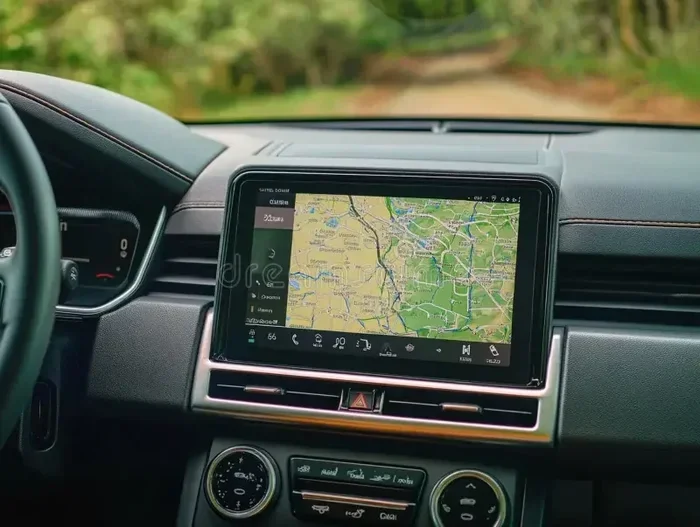
The display is the first thing you will interact with every time you get behind the wheel. Screen sizes typically range from 6.2 inches to 10.1 inches or more. Larger screens make navigation easier and menus more readable while driving.
However, bigger is not always better. You need to make sure the screen fits your dashboard properly. A double DIN unit offers more screen real estate, while a single DIN unit works in tighter spaces. Always measure your dashboard opening before shopping.
Resolution matters too. A high-resolution touchscreen display makes maps, album art, and video playback look sharp and clear. Look for units with at least 800×480 pixel resolution for a crisp and vibrant image on the road.
Smartphone Integration: Apple CarPlay and Android Auto
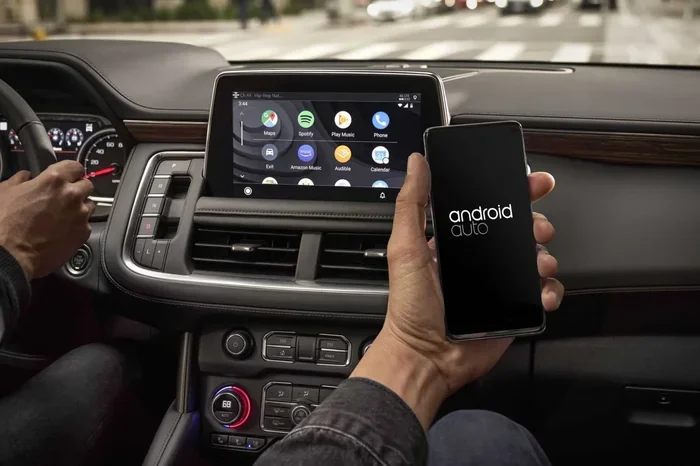
If there is one feature you should never compromise on, it is smartphone integration. Both Apple CarPlay and Android Auto let you mirror your phone’s interface on the car screen. You get access to maps, music, messages, and more without taking your eyes off the road.
Most modern aftermarket units support both platforms. Some even offer wireless connectivity, which means no tangled cables. Wireless Bluetooth connectivity for calls and audio streaming has also become standard on quality units.
Before buying, confirm that the unit supports CarPlay compatibility with your specific iPhone model. Similarly, check Android Auto support for your Android device. These features vary by brand and model, so always double-check the specifications.
Navigation Capabilities
Built-in GPS navigation is a huge selling point for car infotainment systems. Many units come with preloaded maps and free lifetime updates. You do not need to rely on your phone’s data connection for directions anymore.
Some systems offer Wi-Fi connectivity, allowing over-the-air map updates. Others require you to connect to a computer. Consider how often you travel and whether you need real-time traffic updates built into the GPS navigation software.
Audio Quality and Amplifier Support
For music lovers, audio quality is non-negotiable. A good head unit should have a built-in digital-to-analog converter that produces clean, clear sound. Look for units that support high-resolution audio formats like FLAC and WAV files.
If you plan to add external speakers or a subwoofer later, make sure the unit has preamp outputs. A built-in amplifier on the head unit can power smaller speaker setups without needing a separate external amplifier. This saves space and simplifies your car entertainment system wiring.
Backup Camera and Safety Features
A rearview camera is one of the most practical add-ons for any car entertainment system. Most aftermarket head units support backup camera inputs. The camera image automatically displays when you shift into reverse gear.
Some advanced units also offer blind-spot monitoring integration and 360-degree camera views. These safety features can make parking and tight maneuvering much easier and safer. A quality aftermarket car infotainment system should make your daily driving more secure.
Compatibility and Installation Basics
Before you buy any aftermarket car infotainment system, you need to confirm it fits your vehicle. Compatibility is not just about physical size. It also involves wiring, dash trim, and existing features you want to keep. Taking a few minutes to research saves hours of frustration later.
Single DIN vs Double DIN
DIN refers to the standard size for car head units. A single DIN unit measures roughly 2 by 7 inches and fits in smaller dashboards. A double DIN unit is twice as tall and allows for larger screens and more features.
Check your vehicle’s owner manual or measure the existing stereo opening to determine which size you need. Most modern cars from 2010 onward use double DIN openings, but older vehicles may only support single DIN units. Getting the size right is the first step to a successful upgrade.
Wiring Harness and Dash Kits
A wiring harness adapter makes installation much easier by connecting your new head unit to your car’s existing wiring without cutting any wires. These adapters are vehicle-specific and usually cost between $10 and $30. They are one of the cheapest and most important accessories you can buy.
A dash kit ensures your new unit sits flush in the dashboard. It covers any gaps between the head unit and the trim. Without a proper dash kit, your installation will look sloppy and may rattle over time. Always buy one that matches your vehicle model.
Some vehicles also require a steering wheel control interface. This small adapter lets you keep using your steering wheel buttons to change songs or adjust volume on the new head unit. It is a small accessory that makes a big difference in daily usability.
USB Charging and Connectivity Ports
Look for a unit with multiple USB ports for charging your devices. A single USB port may not be enough if you have passengers who also need to charge their phones. Some units offer fast-charging USB ports that juice up devices quickly on long road trips.
Additional connectivity options like HDMI inputs, SD card slots, and auxiliary ports give you flexibility. The more connection options a multimedia receiver offers, the more versatile it becomes for different uses and devices.
Top Brands to Consider
When it comes to aftermarket car infotainment systems, brand reputation matters. You want a unit that is reliable, well-supported, and easy to use. Here are the brands that consistently deliver quality products and excellent customer experiences.
Pioneer has been a leader in car audio for decades. Their NEX and DMH series offer excellent touchscreen displays, seamless Apple CarPlay and Android Auto support, and solid build quality. Pioneer units are known for their intuitive user interfaces and reliable long-term performance.
Sony offers some of the best audio processing in the industry. Their XAV-AX series provides crisp sound quality and vibrant screens. Sony units are particularly popular among audiophiles who value sound fidelity above all else. The build quality is consistently excellent across their lineup.
Kenwood strikes a great balance between price and features. Their DDX series includes features like built-in GPS, backup camera support, and wireless smartphone integration at competitive prices. Kenwood is a solid choice for budget-conscious buyers who still want modern capabilities.
Alpine is another trusted name, especially for vehicles that require specific integration. Their iLX series offers clean designs and excellent Bluetooth connectivity. Alpine units tend to be slightly pricier but deliver premium quality and smooth operation every time.
Budget vs Premium Options
Budget units in the $150 to $300 range cover the basics well. You get Bluetooth connectivity, basic smartphone integration, and decent audio quality. They may lack advanced features like wireless CarPlay or built-in GPS navigation.
Premium units priced between $400 and $800 offer everything you could want. Think large high-resolution screens, wireless smartphone mirroring, premium audio quality, and advanced navigation features. If you plan to keep the unit for many years, the premium option is worth the investment.
Common Mistakes to Avoid
Buying an aftermarket car infotainment system can go wrong if you overlook a few key details. Learning from other people’s mistakes saves you time, money, and frustration. Here are the most common errors buyers make.
Skipping compatibility checks is the number one mistake. Not every head unit fits every car. Always verify the DIN size, wiring requirements, and dash kit compatibility before purchasing. A unit that does not fit properly leads to a frustrating and messy installation process.
Ignoring firmware and software support is another common error. Some budget brands stop updating their software after a year or two. Choose brands that actively support their products with regular updates and responsive customer service. This ensures your car infotainment system stays current for years.
Underestimating wiring complexity trips up many DIY installers. If your vehicle has factory features like steering wheel controls, OEM amplifier systems, or a factory backup camera, you may need additional adapters. Research your specific vehicle model before starting the installation process.
Choosing style over substance happens more often than you think. A unit with a flashy screen but poor audio quality will disappoint you over time. Always prioritize sound performance and reliable connectivity over flashy aesthetics. A great aftermarket car infotainment system sounds as good as it looks.
How to Install Your New System
Installing an aftermarket car infotainment system is a manageable DIY project for most car owners. With the right tools and a little patience, you can have your new unit running in under two hours. Many owners find the process rewarding and surprisingly straightforward.
Start by disconnecting your car battery to prevent any electrical shorts. Remove the factory stereo using a removal tool or trim kit. Unplug the existing wiring and antenna cable carefully. Connect your new wiring harness adapter to the car’s wiring, then connect it to the back of the new head unit.
Secure the unit in place using the dash kit. Connect your antenna cable to the new unit. Before reconnecting the battery, test all functions including audio, Bluetooth, GPS, and the backup camera feed. Once everything works perfectly, reconnect the battery and enjoy your upgraded car entertainment system.
If you are not comfortable with electrical work, a professional installation at a local car audio shop typically costs between $50 and $150. It is a worthwhile investment that ensures everything is connected correctly and safely. A proper installation protects both your vehicle and your new aftermarket car infotainment system.
Final Thoughts
Choosing the best aftermarket car infotainment system comes down to understanding your needs and matching them with the right features. Whether you want basic Bluetooth music streaming or a full-featured navigation and entertainment hub, there is a unit that fits your vehicle and your budget perfectly.
Take your time comparing options. Read reviews, check compatibility, and do not rush the decision. A quality car infotainment system enhances every drive and adds real value to your vehicle. The upgrade is more affordable than most people think, and the difference in daily driving experience is remarkable.
Start your search today with confidence. You now have the knowledge to pick the perfect aftermarket car infotainment system that keeps you connected, entertained, and safe on every journey. Your car deserves better, and so do you.
Frequently Asked Questions
What is an aftermarket car infotainment system?
An aftermarket car infotainment system is a replacement head unit you install in place of your factory stereo. It brings modern features like smartphone integration, GPS navigation, and improved audio quality to any vehicle regardless of its age or original equipment level.
Is it hard to install an aftermarket car infotainment system?
Most car owners can handle the installation with basic tools and a wiring harness adapter. The process typically takes one to two hours. If you are not comfortable with car electronics, a professional installer can do it quickly and safely for a reasonable fee.
Do aftermarket infotainment systems support Apple CarPlay and Android Auto?
Most modern aftermarket units support both Apple CarPlay and Android Auto. Some even offer wireless connectivity that eliminates the need for cables. Always check the specific model to confirm compatibility with your phone before purchasing.
What size unit do I need for my car?
You need to determine whether your vehicle uses a single DIN or double DIN opening. Measure the existing stereo slot or check your car manual. Double DIN units offer larger screens and more features, while single DIN units fit smaller dashboards perfectly.
How much does an aftermarket car infotainment system cost?
Prices range from about $100 for basic models to $800 or more for premium units. The average quality system with Apple CarPlay and decent audio quality falls between $250 and $400. Your budget and feature needs will determine the best option for your situation.
Can I keep my factory steering wheel controls with a new infotainment system?
Yes, most aftermarket units work with a steering wheel control interface adapter. This small device lets you retain steering wheel buttons for volume, track changes, and calls. Check compatibility with your specific vehicle model before purchasing to ensure a seamless experience.