Tennessee Window Tint Law Everything You Need To Know
The Tennessee Window Tint Law sets specific limits on how dark you can tint your car windows. Each vehicle type has different Visible Light Transmission (VLT) rules for front side windows, rear windows, and windshields. Understanding these rules helps you avoid fines, stay safe, and keep your ride street legal.
Getting your car windows tinted is one of the best upgrades you can make. It looks great, keeps your interior cooler, and adds privacy. But here is the thing many people forget: every state has its own rules, and Tennessee is no different. The Tennessee Window Tint Law lays out exactly what is allowed and what is not. If you do not follow these rules, you could get pulled over, slapped with a fine, or even forced to remove your tint.
This guide breaks down everything you need to know about the Tennessee Window Tint Law in plain, simple terms. We will cover tint darkness limits, windshield rules, reflective tint bans, medical exemptions, penalties, and practical tips. Whether you drive a sedan, SUV, or van, you will find the information you need right here. Let us dive in and make sure your ride stays compliant.
Key Takeaways
- Tennessee tint laws follow VLT percentages: Front side windows must allow more than 35% of light through for sedans.
- SUVs and vans have different rules: Rear windows can be tinted darker on larger vehicles.
- Windshield tint is limited: Only the top few inches can have a non-reflective tint strip.
- Medical exemptions exist: People with certain health conditions can get special permits for darker tint.
- Illegal tint leads to fines: Penalties can range from $50 to several hundred dollars depending on the violation.
- Reflective and mirrored tints are banned: Tennessee prohibits shiny or mirror-like window films.
- Certification matters: Always choose a licensed installer who provides proper documentation.
📑 Table of Contents
- What Is the Tennessee Window Tint Law and Why Does It Matter?
- Tennessee Tint Darkness Rules by Vehicle Type
- Windshield and Mirror Tint Restrictions
- Reflective and Special Tint Limitations
- Medical Exemptions and Special Permits
- Penalties for Breaking Tennessee Tint Law
- Tips for Choosing Compliant Window Tint
- Common Mistakes People Make with Window Tint
- The Future of Tennessee Tint Regulations
- Conclusion
What Is the Tennessee Window Tint Law and Why Does It Matter?
Understanding Window Tint Basics
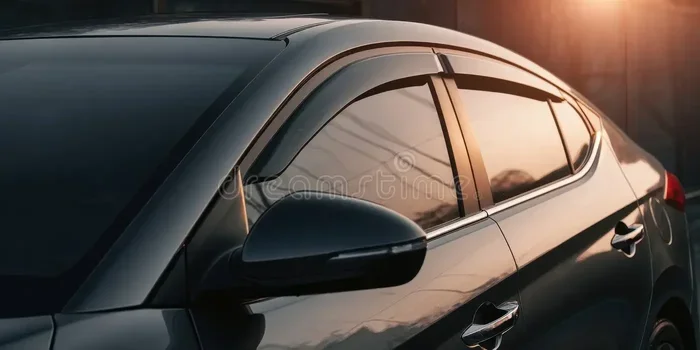
Window tint is a thin film applied to the inside of your car windows. It comes in different shades and darkness levels. The Tennessee Window Tint Law regulates how dark or reflective these films can be. The main measurement used is called Visible Light Transmission, or VLT for short.
VLT tells you what percentage of outside light passes through your window. A higher VLT means a lighter tint. A lower VLT means a darker tint. For example, a 35% VLT lets 35% of light through and blocks 65%. The state sets minimum VLT levels for each window to ensure drivers can see clearly, especially at night or in bad weather.
Why Do States Regulate Window Tint?
You might wonder why states even have tint laws. The reasons are straightforward and safety-focused. Dark tint can reduce a driver’s ability to see the road, other cars, and pedestrians. It also makes it harder for police officers to look inside a vehicle during a traffic stop. Tennessee Window Tint Law balances personal freedom with public safety. It lets people enjoy the benefits of tint while keeping roads safe for everyone.
Beyond safety, tint laws also help with law enforcement and emergency response. Officers need to see inside vehicles quickly. Paramedics and first responders depend on clear visibility too. That is why every state, including Tennessee, enforces strict tint regulations. Ignorance of the law is not an excuse, so knowing the rules is essential.
Tennessee Tint Darkness Rules by Vehicle Type
The Tennessee Window Tint Law treats different vehicle types differently. Sedans, SUVs, and vans each have their own set of rules. The rules apply to the front side windows, rear side windows, and rear windshield. Let us break this down by vehicle category so you know exactly what is legal.
Sedan Window Tint Limits
If you drive a sedan, the Tennessee Window Tint Law is clear about what is allowed. Here are the darkness limits for a standard sedan:
- Front side windows: Must allow more than 35% of light in (VLT above 35%).
- Rear side windows: Must allow more than 35% of light in (VLT above 35%).
- Rear windshield: Must allow more than 35% of light in (VLT above 35%).
For sedans, all windows must follow the same 35% VLT minimum. This means you cannot tint your front doors darker than 35%. The same goes for your back windows and rear windshield. It is a uniform rule that keeps things simple and easy to remember.
SUV and Van Tint Regulations
SUVs and vans get slightly more flexibility under the Tennessee Window Tint Law. The rules differ because these vehicles often have larger rear windows and different passenger configurations. Here is what the law allows for SUVs and vans:
- Front side windows: Must allow more than 35% of light in (VLT above 35%).
- Rear side windows: Can be tinted to any darkness level. There is no VLT minimum.
- Rear windshield: Can be tinted to any darkness level. There is no VLT minimum.
This difference gives SUV and van owners more options when choosing tint. You can go with a very dark rear window if you want extra privacy or heat reduction. But the front side windows still need to stay above 35% VLT. The front windshield rules remain the same for all vehicle types.
Quick Comparison Table
| Vehicle Type | Front Side Windows | Rear Side Windows | Rear Windshield |
|---|---|---|---|
| Sedan | 35% VLT minimum | 35% VLT minimum | 35% VLT minimum |
| SUV / Van | 35% VLT minimum | No limit | No limit |
Keep in mind that these limits apply to factory tint as well as aftermarket tint film. If your car already comes with tinted windows from the factory, you need to make sure the combined darkness stays within legal limits. Adding aftermarket tint on top of factory tint can push you over the edge and into illegal territory.
Windshield and Mirror Tint Restrictions
Windshield Tint Rules in Tennessee
The Tennessee Window Tint Law is very specific about the windshield. You cannot tint the entire windshield. The only exception is a strip of non-reflective tint along the top. This strip can extend down from the top of the windshield, but it must not go below the AS-1 line. The AS-1 line is typically marked by the manufacturer and is usually about five inches from the top of the glass.
This rule exists because the windshield is the driver’s primary view of the road. Any tint that covers too much of the windshield can seriously impair your vision. Even a small amount of tint near the top can cause glare or distortion in certain lighting conditions. That is why the law limits it to a narrow strip.
Side Mirrors and Rear Visibility
If you tint your rear windows darker, the Tennessee Window Tint Law requires you to keep your side mirrors in good condition. You need both side mirrors to be clean and unobstructed. This helps compensate for any reduced visibility through the rear windows. If your rearview mirror or side mirrors are blocked or dirty, you could still get cited for an obstruction violation.
Some drivers think that tinting the rear windows means they do not need to worry about mirrors. That is not true. The law expects you to maintain full visibility through mirrors regardless of your rear window tint darkness. Always keep your mirrors clean and make sure nothing blocks your view.
Reflective and Special Tint Limitations
Metallic and Reflective Tint Bans
The Tennessee Window Tint Law also addresses reflective tint. Reflective tint has a mirror-like finish that bounces light away from the car. While it looks sleek, it creates serious visibility problems. Other drivers cannot see through reflective windows, and it can cause dangerous glare, especially at night or during sunrise and sunset.
Tennessee strictly prohibits metallic or reflective tint on all windows. This includes any film that gives a shiny, mirror-like appearance. Even if the tint meets VLT requirements, reflective finishes are not allowed. If a law enforcement officer suspects your tint is reflective, they can pull you over and measure it with a tint meter.
Colored and Mirror Tint Prohibitions
Beyond reflective tint, the law also bans colored window films. Red, blue, amber, and other bold colors are not permitted. The Tennessee Window Tint Law only allows tint in neutral shades like gray, bronze, charcoal, or dark shades. These neutral tints reduce glare and heat without distorting colors or creating a flashy appearance.
Some people choose colored tint for style, but it is simply not legal in Tennessee. If you want to express your personality through your car, there are other ways to do it. Sticking with legal tint colors keeps you on the right side of the law and avoids unnecessary hassle.
Medical Exemptions and Special Permits
Who Qualifies for a Tint Exemption
Not everyone can tolerate normal levels of sunlight. Some people have medical conditions that make them extremely sensitive to UV light. For these individuals, the Tennessee Window Tint Law offers a medical exemption. This exemption allows darker tint than what is normally permitted.
Qualifying conditions may include:
- Lupus: An autoimmune disease that makes skin extremely sensitive to sunlight.
- Photosensitivity disorders: Conditions that cause severe reactions to UV exposure.
- Skin cancer or history of skin cancer: Patients undergoing treatment or in remission may need extra protection.
- Other rare conditions: Certain blood disorders and immune system diseases may also qualify.
If you have a condition that makes you sensitive to sunlight, you should not assume you qualify automatically. You need proper documentation from a licensed physician. The exemption process exists to protect people who genuinely need it while preventing abuse of the system.
How to Apply for a Medical Exemption
Applying for a Tennessee Window Tint Law medical exemption involves a few straightforward steps. First, visit your doctor and get a written statement explaining your condition and why darker tint is medically necessary. The statement should include your diagnosis, the recommended VLT level, and which windows need to be tinted.
Next, submit this documentation to your local county clerk or the Tennessee Department of Safety. They will review your application and, if approved, issue an exemption certificate. You must keep this certificate in your vehicle at all times. During a traffic stop, you can show the certificate to prove your tint is legal under the exemption.
It is important to note that medical exemptions are specific to the individual. They are not transferable between vehicles or people. If you sell your car or the exemption expires, you must reapply. Always keep your documentation current and up to date.
Penalties for Breaking Tennessee Tint Law
Fines and Consequences
Breaking the Tennessee Window Tint Law can cost you money. The penalties vary depending on the violation and whether it is a first or repeat offense. Here is what you can expect:
- First offense: Fines typically range from $50 to $100 for minor violations.
- Repeat offenses: Fines can increase significantly, especially if you have been cited before.
- Failed inspection: Your vehicle may not pass its annual safety inspection if the tint is illegal.
- Forced removal: In serious cases, authorities can order you to remove the tint at your own expense.
Beyond fines, illegal tint can affect your insurance rates. Some insurance companies view tinted windows as a risk factor. They may raise your premiums or even deny a claim if tint was a contributing factor in an accident. That alone is a good reason to stay compliant with Tennessee tint regulations.
What Happens During a Traffic Stop
If a law enforcement officer pulls you over and suspects illegal tint, they will use a tint meter to measure your windows. A tint meter is a handheld device that measures how much light passes through your glass. If your tint fails the test, the officer will issue a citation.
You have the right to contest the citation in court. If you have a medical exemption or can prove your tint meets legal limits, you may be able to get the ticket dismissed. However, fighting a tint ticket takes time and effort. It is far easier to simply make sure your tint is legal from the start.
Tips for Choosing Compliant Window Tint
Best Practices for Tint Installation
Choosing the right tint can feel overwhelming with so many options available. Here are some practical tips to help you make the right choice and stay within the Tennessee Window Tint Law:
- Ask for VLT specifications: Always ask your installer for the exact VLT percentage of the film they use.
- Choose a licensed professional: A reputable installer will know Tennessee laws and help you pick compliant film.
- Get written documentation: Ask for a receipt and certificate that states the VLT of your installed tint.
- Consider ceramic film: Ceramic tint blocks heat and UV rays without adding metallic reflection. It is a great legal option.
- Avoid dark rear tint on sedans: Stick to 35% VLT or higher on all sedan windows to stay safe.
When you visit a tint shop, do not be afraid to ask questions. A good installer will walk you through the options and explain which films meet Tennessee regulations. If a shop seems unsure about the law or pressures you into choosing the darkest option, that is a red flag. Walk away and find a more knowledgeable installer.
Quick Tips to Stay Legal
Staying compliant with the Tennessee Window Tint Law does not have to be complicated. Here are some quick tips:
- Check your tint before driving: Make sure your windows meet VLT requirements before hitting the road.
- Keep your paperwork handy: Store your tint certificate and any exemption documents in your glove box.
- Inspect your tint regularly: Over time, tint can bubble, peel, or fade. Damaged tint may not meet legal standards.
- Know your vehicle type: Sedans and SUVs have different rules, so know which category your car falls into.
- Talk to a professional: When in doubt, consult a licensed tint installer who knows Tennessee law.
These simple habits can save you from headaches, fines, and the hassle of having to remove your tint. Prevention is always better than dealing with the consequences of a violation.
Common Mistakes People Make with Window Tint
Even well-meaning car owners make mistakes when it comes to window tint. One of the most common errors is assuming that all tint shops follow the law. Not every installer is up to date on the latest Tennessee Window Tint Law changes. Always verify that your installer knows the current regulations.
Another mistake is tinting all windows the same darkness without considering vehicle type. A sedan owner might copy a friend’s SUV tint and end up with illegal front windows. Always check the rules for your specific vehicle before getting tinted.
Some drivers also forget about factory tint. If your car came with tinted windows from the factory, adding aftermarket tint on top can push you below the legal VLT limit. Check your vehicle’s documentation to see what VLT your factory tint provides, and factor that into your decision.
The Future of Tennessee Tint Regulations
Laws evolve over time, and Tennessee tint regulations are no exception. The Tennessee Window Tint Law has been updated in the past to address new film technologies and changing road safety concerns. It is a good idea to stay informed about any changes that might affect your current tint.
New ceramic and nano-ceramic films are becoming more popular. These films offer excellent heat rejection without the reflective properties that Tennessee bans. As technology advances, the laws may adapt to accommodate newer, safer tint options. Keeping up with these changes ensures your vehicle stays compliant for years to come.
You can stay informed by checking the Tennessee Department of Safety website or consulting with local tint professionals. A quick online search for the latest Tennessee Window Tint Law updates can save you from surprises during your next inspection or traffic stop.
Conclusion
The Tennessee Window Tint Law exists to keep drivers safe while allowing people to enjoy the benefits of tinted windows. By understanding the VLT limits, darkness rules, and exemptions, you can make informed decisions about your vehicle. Whether you drive a sedan or an SUV, knowing the rules helps you avoid fines, pass inspections, and drive with confidence.
Remember that compliance is not just about avoiding penalties. It is about safety. Properly tinted windows reduce glare, block harmful UV rays, and keep your car cooler. But they must meet legal standards to do their job without creating risks. Take the time to research, choose quality film, and work with a trusted installer. Your Tennessee Window Tint Law knowledge will pay off every time you get behind the wheel.
Stay informed, stay compliant, and enjoy the ride. Your car, your comfort, and your peace of mind are all worth it.
Frequently Asked Questions
What is the legal tint darkness for front windows in Tennessee?
Under the Tennessee Window Tint Law, front side windows on all vehicles must allow more than 35% of visible light to pass through. This means the VLT must be above 35%. There are no exceptions for front windows unless you have a valid medical exemption on file with the state.
Can I tint my rear windows as dark as I want on an SUV in Tennessee?
Yes, SUVs and vans in Tennessee can have their rear side windows and rear windshield tinted to any darkness level. The Tennessee Window Tint Law does not set a minimum VLT for rear windows on these vehicle types. However, you must still maintain side mirrors for proper visibility.
Is reflective tint legal in Tennessee?
No, reflective tint is strictly prohibited in Tennessee. The Tennessee Window Tint Law bans any tint that has a metallic or mirror-like finish. Tint must be non-reflective and come in neutral shades like gray, bronze, or charcoal to be legal.
How do I get a medical exemption for darker window tint in Tennessee?
You need a written statement from a licensed physician explaining your medical condition and why darker tint is necessary. Submit this documentation to your county clerk or the Tennessee Department of Safety. If approved, you will receive an exemption certificate that must be kept in your vehicle at all times.
How much is the fine for illegal window tint in Tennessee?
Fines for violating the Tennessee Window Tint Law typically range from $50 to $100 for a first offense. Repeat violations can result in higher fines. You may also be required to remove the illegal tint and could face issues passing your vehicle’s annual safety inspection.
Can I apply tint myself to avoid installation costs?
You can apply tint yourself, but the Tennessee Window Tint Law still applies regardless of who installs it. If your self-applied tint does not meet VLT requirements, you can still be cited. It is best to work with a licensed professional who understands the law and can provide documentation of your tint’s VLT level.