Ohio Window Tint Law The Complete Guide For Drivers
Ohio Window Tint Law sets clear rules for how dark or reflective your car windows can be. The law uses visible light transmission (VLT) percentages to define legal limits for each window. Drivers must follow specific darkness levels for the windshield, front side windows, rear side windows, and rear windshield. Medical exemptions are available for those with qualifying health conditions. Understanding these rules helps you avoid fines, failed inspections, and tint tickets.
Key Takeaways
- Windshield tint: Non-reflective tint is allowed above the AS-1 line only.
- Front side windows: Must allow more than 50% of light in (VLT above 50%).
- Rear side windows and rear windshield: Can be any darkness level.
- Reflective tint: Must not be more than 20% reflective on any window.
- Medical exemptions: Available with a physician’s certification.
- Tint certification: Film must be certified by the manufacturer.
- Penalties: Illegal tint can result in fines up to $150 and failed inspections.
📑 Table of Contents
Understanding Ohio Window Tint Law
If you live in Ohio or are planning to tint your car windows, you need to know the rules. The Ohio Window Tint Law governs how dark or reflective your vehicle windows can be. These rules exist for safety and legal reasons. They affect every driver on Ohio roads.
The law uses a measurement called visible light transmission, or VLT. VLT tells you how much light passes through your tint film. A higher VLT means more light gets through. A lower VLT means darker tint. Ohio sets specific VLT limits for each window on your car. Breaking these rules can lead to fines and other problems.
Knowing the law before you tint your windows saves you time and money. It also keeps you safe on the road. Let us break down everything you need to know about Ohio window tinting regulations in simple terms.
What Does the Law Cover?
The Ohio tint law covers several things. It sets limits on how dark your tint can be. It also controls how reflective your tint can look. The law applies to passenger cars, SUVs, and vans. It does not apply to ambulances, police cars, and other emergency vehicles.
The law also requires that your tint film be certified. This means the manufacturer must label the film properly. You should always ask your installer if the film they use is certified. If it is not, you could face legal issues.
Why Do Tint Regulations Exist?
Window tint regulations serve an important purpose. Dark or reflective tint can block a driver’s view. This makes it harder to see at night or in bad weather. It can also make it difficult for police officers to see inside your vehicle. That is a safety concern for everyone on the road.
Ohio lawmakers balance personal choice with public safety. You can still tint your windows. But you must follow the legal limits. This keeps roads safer for all drivers, passengers, and pedestrians.
Legal Tint Limits for Each Window
The Ohio Window Tint Law sets different limits for each window on your vehicle. Let us look at each one in detail. Understanding these limits is the first step to staying compliant.
Windshield Tint Rules
For the windshield, Ohio allows a non-reflective tint. But it can only go on the top portion of the glass. The tint must be above the AS-1 line. The AS-1 line is usually marked by the manufacturer. It is typically the top five inches of the windshield.
You cannot tint the rest of the windshield. This rule helps drivers maintain a clear view of the road ahead. It also allows enough light into the cabin during the day and night.
Front Side Window Tint Limits
The front side windows must allow more than 50% of light to pass through. This means your VLT must be above 50%. This rule applies to both the driver and passenger front windows.
This is the strictest rule in the Ohio tint law. The idea is to keep the driver’s view as clear as possible. Front side windows are the main windows a driver uses to see the road and other vehicles.
Rear Side Windows and Rear Windshield Rules
Good news for back seat passengers. The rear side windows and rear windshield can have any darkness level. You can go as dark as you want on these windows. This applies to sedans, SUVs, and vans alike.
However, if your rear windows are tinted very dark, Ohio law requires you to have side mirrors on both sides. This helps you see what is behind and beside your vehicle. Without good visibility, dark rear tint can be dangerous.
Tint Reflectivity Rules
Ohio also controls how reflective your tint can be. All windows must have a tint that reflects no more than 20% of light. This means your tint should not look like a mirror.
Reflective tint can blind other drivers, especially at night. It can also make it hard for police to see inside your car. Sticking to the 20% reflectivity limit keeps you legal and safe.
| Window | Legal VLT Limit | Reflectivity Limit |
|---|---|---|
| Windshield | Non-reflective tint above AS-1 line only | Must be non-reflective |
| Front Side Windows | Above 50% VLT | No more than 20% reflective |
| Rear Side Windows | Any darkness allowed | No more than 20% reflective |
| Rear Windshield | Any darkness allowed | No more than 20% reflective |
Medical Exemptions in Ohio
Not everyone can tint their windows to the standard limits. Some people have medical conditions that make them sensitive to sunlight. Ohio provides a way for these drivers to get a tint exemption.
Who Qualifies for a Tint Exemption?
People with certain medical conditions may qualify for darker tint. Conditions that can qualify include lupus, photosensitivity, melanoma, and other skin disorders. These conditions make the skin or eyes very sensitive to UV light and sunlight.
You cannot just decide you want darker tint for comfort. You must have a diagnosed medical condition. Your doctor must confirm that standard tint levels are not enough to protect your health.
How to Apply for a Medical Exemption
Getting a medical exemption involves a few steps. First, visit your doctor. Ask them to fill out a medical exemption form. This form explains your condition and why you need darker tint.
Next, submit the form to the Ohio BMV (Bureau of Motor Vehicles). The BMV will review your application. If approved, you will receive a certificate. You must keep this certificate in your vehicle at all times.
During a traffic stop, show the certificate to the officer. This proves your tint is legal even if it is darker than the standard limits. Without the certificate, you could still get a tint ticket.
Important Notes on Exemptions
Even with an exemption, your tint must still meet some basic rules. The tint must be certified by the manufacturer. It must not be more than 20% reflective. The exemption only allows darker darkness. It does not allow you to ignore reflectivity rules.
Exemptions must be renewed periodically. Check with the BMV for the current renewal schedule. Keeping your paperwork up to date is essential.
Tint Certification and Installation Rules
Ohio has specific rules about tint film certification and installation. These rules ensure that the tint you buy meets state standards. Following them keeps you on the right side of the law.
Tint Certification Requirements
Every tint film sold in Ohio must be certified. The manufacturer must label the film with its VLT percentage and other details. This label is usually found on the film itself or on the packaging.
When you buy tint, ask your installer for proof of certification. A reputable shop will always have this information. If they cannot provide it, consider finding a different installer. Using uncertified film can lead to legal problems and failed inspections.
Choosing the Right Tint Film
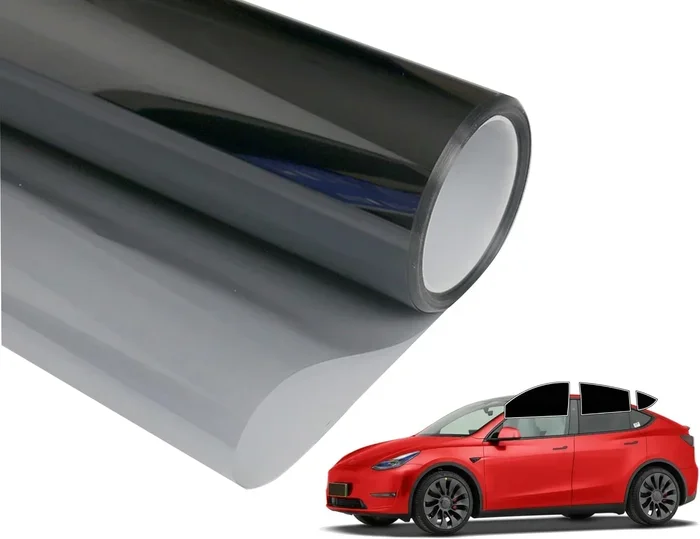
There are many types of tint film available. Some common options include dyed film, metalized film, carbon film, and ceramic film. Each type has different properties and price points.
Dyed film is the most affordable. It blocks some heat and glare. But it can fade over time. Metalized film is more durable and blocks more heat. Carbon film offers a matte finish and good heat rejection. Ceramic film is the most expensive but provides the best performance.
For Ohio drivers, any certified film that meets the VLT and reflectivity limits is legal. Choose the film that fits your budget and needs. Just make sure it meets the legal standards.
Professional Installation vs. DIY
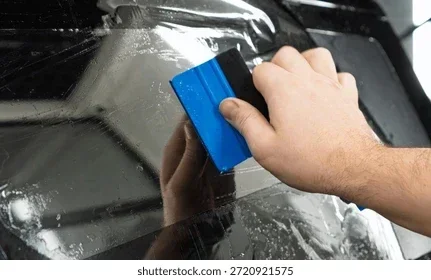
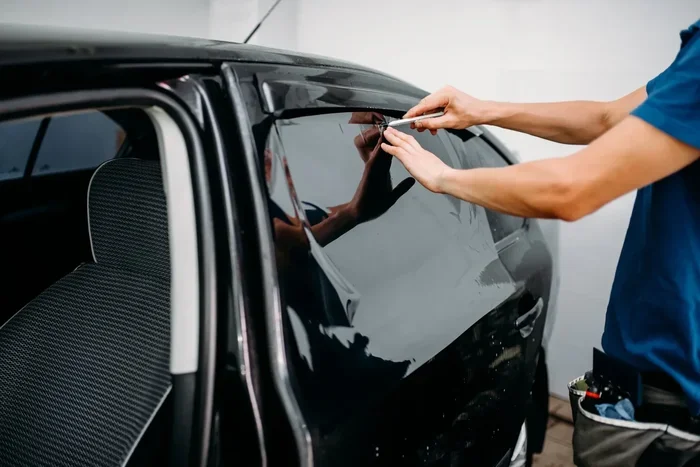
You can tint your windows yourself or hire a professional. Professional installation usually gives better results. A skilled installer applies the film evenly without bubbles or wrinkles.
DIY kits are cheaper but require patience and skill. If you choose to do it yourself, follow the instructions carefully. Poor installation can lead to peeling, bubbling, and uneven tint. This can also raise questions during inspections.
Penalties for Illegal Window Tint in Ohio
Breaking the Ohio Window Tint Law comes with consequences. Understanding the penalties helps you avoid trouble. No one wants to deal with a tint violation or a costly fine.
Fines and Consequences
If you are caught with illegal tint, you can be fined. The fine for a first offense is up to $150. Repeat offenses can cost more. The exact fine depends on the severity of the violation.
In addition to fines, you may be required to remove the tint. This means paying for new film or having the existing film stripped off. That can be an expensive and frustrating experience.
Illegal tint can also cause you to fail your vehicle inspection. Ohio requires vehicles to pass safety inspections. Tinted windows that do not meet the legal limits will result in a failed inspection. You cannot register your vehicle until the issue is fixed.
How to Avoid a Tint Ticket
Avoiding a tint ticket is simple. Follow these tips:
- Know the legal VLT limits for each window before you tint.
- Choose certified tint film from a reputable manufacturer.
- Have your tint installed by a professional or follow DIY instructions carefully.
- Keep your medical exemption certificate in your vehicle if applicable.
- Get your vehicle inspected regularly to catch any issues early.
- If you are unsure about your tint, visit a local shop for a free check.
The Ohio Highway Patrol can pull you over if they suspect illegal tint. During a traffic stop, they may use a tint meter to measure your VLT. Having compliant tint means no hassle and no surprises.
Quick Tips for Choosing Compliant Tint
Tinting your windows can improve comfort and style. But you must do it the right way. Here are some quick tips to keep in mind.
Best Tint Films for Ohio Drivers
Look for films that offer 50% VLT or higher for front side windows. For rear windows, you have more flexibility. Choose a film that blocks UV rays and heat without going too dark.
Ceramic tint is a popular choice. It blocks heat well without interfering with electronics. Carbon tint is another great option. It looks sleek and performs well in all seasons.
Common Mistakes to Avoid
Many drivers make mistakes when tinting their windows. Here are the most common ones:
- Buying tint that is too dark for front windows. This is the number one mistake. Always check the VLT before you buy.
- Ignoring reflectivity limits. Even if your tint is light enough, too much reflectivity is illegal.
- Skipping certification. Uncertified film can cause legal problems down the road.
- Not getting a medical exemption when needed. If you have a qualifying condition, apply for the exemption.
- Using aftermarket tint without checking the law. Tint laws can change. Always verify current regulations.
Expert Insights on Ohio Tint Laws
Local tint shops in Ohio see many drivers who are unaware of the rules. The most common question they get is about front side window limits. Many people assume all windows can be tinted dark. But the 50% VLT rule for front windows is strict.
Experts also recommend keeping your tint in good condition. Over time, tint can bubble, peel, or fade. Damaged tint may not pass inspection. It can also look bad and reduce the benefits of your investment.
If you are ever in doubt, contact your local Ohio BMV office. They can provide the latest information on tint regulations. You can also consult with a licensed tint installer who knows Ohio law well.
Key Takeaways
- Ohio Window Tint Law uses VLT percentages to define legal tint darkness for each window.
- Front side windows must allow more than 50% of light to pass through.
- Rear side windows and rear windshield can be any darkness level.
- Windshield tint is only allowed above the AS-1 line and must be non-reflective.
- Reflective tint must not exceed 20% reflectivity on any window.
- Medical exemptions are available for drivers with qualifying health conditions.
- Tint certification from the manufacturer is required for all tint film used in Ohio.
- Penalties for illegal tint include fines up to $150 and potential failed inspections.
Conclusion
The Ohio Window Tint Law is clear and straightforward once you understand the basics. You need to follow the VLT limits for each window. You must use certified tint film. And you must respect reflectivity rules. If you have a medical condition, apply for an exemption through the Ohio BMV.
Staying compliant with Ohio window tinting regulations protects you from fines and legal trouble. It also keeps you and others safe on the road. Take the time to research your options. Choose the right tint film. And work with a trusted installer.
Whether you want to reduce glare, block UV rays, or add style to your car, tinting is a great choice. Just make sure you do it the legal way. Follow the rules, keep your paperwork in order, and enjoy the benefits of properly tinted windows for years to come.
Remember, the rules can change. Always check the latest Ohio tint law before you make any decisions. When in doubt, reach out to the BMV or a local tint professional. Staying informed is the best way to stay compliant and avoid problems.
Frequently Asked Questions
What is the legal tint percentage for front side windows in Ohio?
In Ohio, front side windows must allow more than 50% of visible light to pass through. This means the VLT must be above 50%. Any tint darker than this on the front side windows is illegal and can result in a fine.
Can I tint my windshield in Ohio?
Yes, but only the top portion above the AS-1 line. The tint must be non-reflective and cannot extend below the manufacturer’s AS-1 line. This is usually the top five inches of the windshield.
Do I need a medical exemption for dark tint on my rear windows?
No, Ohio law allows any darkness level on rear side windows and the rear windshield without an exemption. Medical exemptions are only needed if you want darker tint on the front side windows or windshield than the legal limits allow.
What happens if I get caught with illegal window tint in Ohio?
If you are caught with illegal tint, you can be fined up to $150 for a first offense. You may also be required to remove the tint and pass a re-inspection. Repeat violations can lead to higher fines and additional consequences.
Is reflective tint allowed in Ohio?
Reflective tint is allowed but must not exceed 20% reflectivity on any window. Tint that looks like a mirror is not permitted. This rule applies to all windows, including the front, rear, and windshield.
How do I apply for a medical exemption for window tint in Ohio?
You need to visit your doctor and have them fill out a medical exemption form. Submit this form to the Ohio BMV along with any supporting medical documentation. If approved, you will receive a certificate that you must keep in your vehicle at all times.
=== FAQS ===