Pennsylvania Window Tint Law Explained and Broken Down
The Pennsylvania window tint law sets clear rules on how dark or reflective your car windows can be. Understanding visible light transmission (VLT) percentages is the key to staying legal. Whether you need a medical exemption or want to avoid a tint ticket, this guide covers everything you need to know about Pennsylvania window tint law in plain, simple terms.
Have you ever driven through a Pennsylvania parking lot and noticed how some cars look like they are wrapped in mirror? Maybe you have thought about getting window tint film for your own ride. Before you do, there is one thing you need to know. Pennsylvania window tint law has specific rules that dictate how dark or reflective your windows can be. Getting it wrong can lead to fines, failed inspections, and a whole lot of hassle.
This guide breaks down everything you need to know about car window tinting in Pennsylvania. We will cover legal tint limits, visible light transmission (VLT) percentages, exemptions, penalties, and practical tips. By the end, you will feel confident about your choices. Let us dive in.
Key Takeaways
- Front side windows must allow more than 70% VLT: This is the strictest rule under Pennsylvania window tint law for sedans and SUVs.
- Windshield tint is limited to the top 6 inches: A non-reflective strip is allowed above the manufacturer’s AS-1 line.
- Rear windows can be tinted darker: Sedans and SUVs have different rules for back side and rear windows.
- Medical exemptions are available: You can get a special permit for darker tint with a doctor’s certification.
- Penalties for violations are real: Fines and failed inspections can cost you time and money.
- Reflective tint is restricted: Metallic or mirrored finishes are not allowed on front side windows.
- Stickers are required: A legal tint sticker must be placed on the driver’s side window.
📑 Table of Contents
- What Is the Pennsylvania Window Tint Law?
- Legal Tint Limits for Each Window
- Medical Exemptions and Special Permits
- Tint Violations and Penalties You Should Know
- Tips for Choosing Legal Tint Film
- Recent Changes and Updates to Pennsylvania Tint Law
- Common Mistakes People Make with Car Tint
- Key Takeaways
- Conclusion
What Is the Pennsylvania Window Tint Law?
The Pennsylvania window tint law is a set of regulations that governs how much light your car windows must let through. These rules are part of the Pennsylvania Vehicle Code. They apply to passenger cars, SUVs, vans, and most other private vehicles on the road.
The main goal of window tint darkness laws is safety. Law enforcement officers need to see through your windows. They need to identify drivers, passengers, and what is happening inside the vehicle. At the same time, tint serves a real purpose. It reduces glare, blocks harmful UV rays, and keeps your car cooler in the summer.
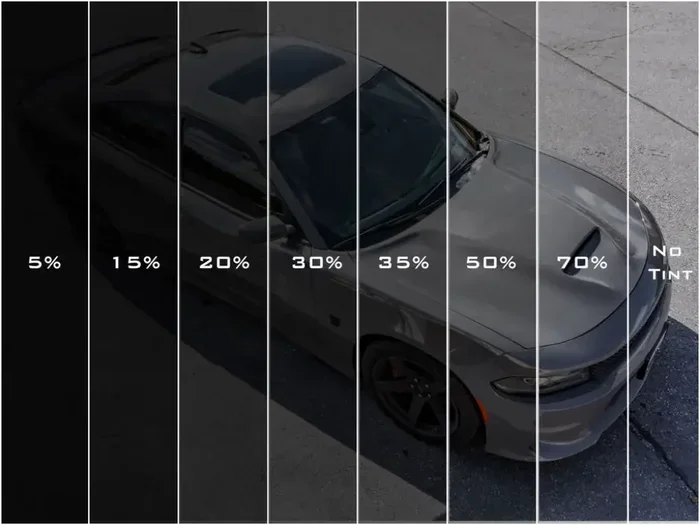
The law measures tint darkness using something called visible light transmission, or VLT for short. VLT is the percentage of light that passes through your window glass and tint film combined. A higher VLT means more light comes through. A lower VLT means the window is darker. Understanding this number is the foundation of legal tint compliance in Pennsylvania.
How VLT Percentages Work
Here is a simple way to think about VLT. If a window has 100% VLT, it means no tint has been applied. All light passes through. If a window has 50% VLT, only half the light gets through. The window looks noticeably darker. Under Pennsylvania window tint law, each window on your car has a different minimum VLT requirement. Let us look at those limits next.
Legal Tint Limits for Each Window
The rules for legal tint limits in Pennsylvania depend on what kind of vehicle you drive. They also depend on which window you are tinting. Here is a clear breakdown.
Windshield Tint Rules
Your windshield has the strictest rules. Under Pennsylvania window tint law, you can only tint the top portion of the windshield. The allowed strip must be above the manufacturer’s AS-1 line. If your car does not have a visible AS-1 line, the tint strip cannot go lower than 5 inches from the top of the glass.
This non-reflective tint strip helps reduce glare from the sun. It does not block your view of the road ahead. Any tint below that line on the windshield is illegal. Period. There are no exceptions for this rule.
Front Side Window Tint Rules
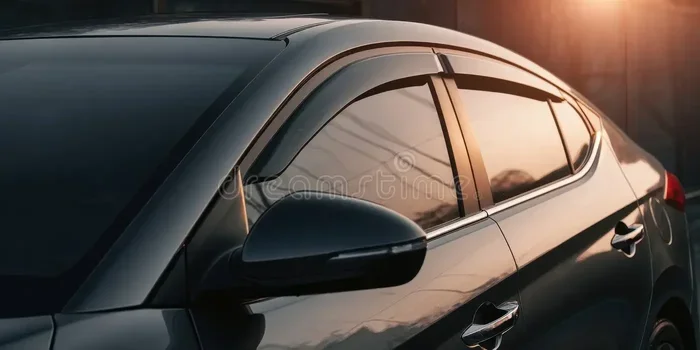
For the driver and passenger front side windows, the rules are clear. Your front side windows must allow more than 70% VLT. This is one of the most important parts of Pennsylvania window tint law. It applies to all passenger vehicles, whether you drive a sedan, SUV, or truck.
Why 70%? Because law enforcement needs a clear view into the front of your car. They need to see your hands, your face, and what is happening inside. Tinting your front windows darker than this limit will get you pulled over. It will also cause you to fail your annual vehicle inspection.
Rear Side and Rear Window Tint Rules
The good news is that the back windows have more flexibility. For sedans, the rear side windows and rear window must allow more than 70% VLT. This is the same rule as the front side windows.
However, for SUVs and vans, the rules are different. The rear side windows and rear window on these vehicles can be tinted darker. There is no minimum VLT limit for the back windows on SUVs and vans in Pennsylvania. This means you can go as dark as you want behind the driver’s seat. Just make sure your front side windows stay above 70% VLT.
Quick Reference: Pennsylvania Tint Limits by Vehicle Type
Here is a simple comparison to help you understand the rules at a glance.
- Sedans: All windows must allow more than 70% VLT. Windshield tint limited to top 5 inches or above AS-1 line.
- SUVs and Vans: Front side windows must allow more than 70% VLT. Rear side windows and rear window can be any darkness. Windshield tint limited to top 5 inches or above AS-1 line.
Medical Exemptions and Special Permits
Sometimes, regular tint rules do not work for everyone. Some people have medical conditions that make them extremely sensitive to sunlight. For these individuals, Pennsylvania window tint law offers a way out through a medical exemption.
Who Qualifies for a Medical Exemption?
You may qualify if you have a condition that makes you unusually sensitive to light. Conditions like lupus, eczema, photosensitivity disorders, or certain skin conditions can qualify. If a licensed physician certifies that you need darker tint for medical reasons, you can apply for an exemption.
The exemption is not automatic. You need to submit a completed application form along with a doctor’s statement. The Pennsylvania Department of Transportation reviews each case. If approved, you will receive a special permit that allows darker tint on specific windows.
How to Apply for a Tint Exemption
Applying for a tint exemption involves a few steps. First, visit your doctor and get a written certification. The doctor must explain your condition and why darker tint is medically necessary. Next, download the exemption application from the PennDOT website. Fill it out completely and submit it with your doctor’s letter.
Once approved, you must display the exemption sticker in your vehicle. This sticker proves you are legal even if your tint is darker than the standard limit. Keep the sticker visible on your dashboard. It can save you from a tint ticket during a traffic stop.
Tint Violations and Penalties You Should Know
Breaking Pennsylvania window tint law comes with real consequences. Many people find out the hard way when they get pulled over for a tint violation. Understanding the penalties can help you make smarter choices.
What Happens If You Get Caught?
If a police officer stops your car and finds your tint too dark, you will likely receive a citation. Under Pennsylvania law, illegal window tint is considered a non-moving traffic violation. The fine can range from a few hundred dollars depending on the circumstances.
Beyond the fine, there is another problem. Your vehicle will fail its annual state inspection if the tint does not meet the legal requirements. This means you cannot register your car until the tint is removed or replaced with a legal tint film. For many people, this creates a real inconvenience.
How Police Check Tint Darkness
Officers use a device called a tint meter to measure VLT. This handheld tool shines a light through the window and calculates the percentage of light that passes through. It gives an exact reading. There is no guesswork involved. If your reading is below the legal limit, you will get a ticket.
This is why many tint installers in Pennsylvania are careful about the films they use. Reputable installers know the law well. They will recommend a tint darkness that keeps you on the right side of the rules. Always ask your installer about VLT before they apply any film to your windows.
Tips for Choosing Legal Tint Film
Getting aftermarket tint installed on your car can be a great investment. It blocks UV rays, reduces heat, and adds privacy. But you need to choose the right film to stay within Pennsylvania window tint law. Here are some practical tips.
Check the VLT Rating Before You Buy
Every tint film has a VLT rating. This is usually listed on the product packaging or the installer’s spec sheet. Before you commit, make sure the film’s VLT combined with your existing window tint meets the 70% minimum for front side windows.
Remember, your car windows already let in some light. The factory tint on most new cars is around 70-80% VLT. Adding a dark film on top of that can easily push you below the legal limit. Always ask your installer to calculate the combined VLT for you.
Choose a Reputable Tint Installer
Not all tint installers are the same. A good installer will know Pennsylvania’s tint laws inside and out. They will recommend films that keep you legal. They will also apply the film cleanly, without bubbles or peeling.
Look for installers who are certified and experienced. Read online reviews before you commit. Ask friends or family for recommendations. A quality installation can last for years and keep you out of trouble with the law.
Consider Ceramic or Dyed Film
There are several types of window tint film available. Ceramic tint is the premium option. It blocks heat and UV rays very effectively without being overly dark. Dyed tint is more affordable and still offers good UV protection.
For Pennsylvania, the type of film matters less than the VLT rating. But ceramic films often provide better clarity and do not fade as quickly. If you spend the money on car window tinting, you want it to last. Ceramic films are worth considering if your budget allows.
Do Not Forget About Reflectivity
Pennsylvania window tint law also addresses reflectivity. Reflective or metallic tints are not allowed on the front side windows of passenger vehicles. These tints act like mirrors and can blind other drivers. They reduce the ability of officers to see inside your car, which is a safety concern.
Rear windows on sedans must also be non-reflective. SUVs and vans have fewer restrictions here, but it is still best to check the rules. When in doubt, choose a non-reflective tint film for all windows. It is the safest and most legal choice.
Recent Changes and Updates to Pennsylvania Tint Law
Laws change over time, and Pennsylvania window tint law is no exception. It is important to stay updated on any recent changes. The rules you followed five years ago may not be exactly the same today.
In recent years, there has been discussion about updating the VLT standards. Some lawmakers have proposed allowing slightly darker front side window tint. However, as of the latest updates, the 70% VLT rule for front side windows remains in place. The Pennsylvania Vehicle Code has not made any major changes to the core tint rules recently.
That said, enforcement practices can vary by county. Some areas may be stricter than others. Always check with your local Pennsylvania DMV or the PennDOT website if you are unsure about the current rules. Staying informed is the best way to avoid surprises.
Common Mistakes People Make with Car Tint
Even well-meaning car owners run into trouble with window tint darkness laws. Here are some common mistakes to avoid.
- Assuming all windows can be tinted the same darkness: This is the most common mistake. Front and back windows have different rules.
- Ignoring factory tint: Your car already has some tint on the windows. Adding film on top can push you over the limit.
- Skipping the exemption paperwork: If you have a medical condition, do not just tint your windows darker. Get the permit first.
- Choosing the cheapest installer: Low-cost tint jobs often use poor-quality film that fades quickly and may not meet VLT standards.
- Not getting a sticker or certificate: Pennsylvania requires a legal tint sticker on the driver’s side window. Without it, you may be questioned during a traffic stop.
Key Takeaways
Understanding Pennsylvania window tint law does not have to be complicated. Here are the most important points to remember.
- Front side windows must allow more than 70% VLT: This applies to all passenger vehicles in Pennsylvania.
- Windshield tint is limited to the top 6 inches: Only a non-reflective strip is allowed above the AS-1 line.
- Rear windows on SUVs and vans can be any darkness: But sedans must keep rear windows above 70% VLT.
- Medical exemptions are available through PennDOT: You need a doctor’s certification and an approved application.
- Penalties include fines and failed inspections: Illegal tint will cost you money and time.
- Reflective tint is not allowed on front windows: Stick with non-reflective films for safety and compliance.
- A legal tint sticker is required: Display it on your driver’s side window to prove compliance.
Conclusion
Pennsylvania window tint law exists to keep everyone safe on the road. The rules are clear, and they are enforceable. By understanding VLT percentages, knowing the legal limits for each window, and following the proper steps for exemptions, you can enjoy the benefits of tinted windows without any worries.
Whether you are tinting your car for the first time or replacing old film, always work with a knowledgeable tint installer. Choose a film that meets the 70% VLT requirement for your front side windows. Keep your paperwork in order if you have a medical exemption. And never skip the legal tint sticker.
Taking these simple steps means you will pass your inspection, avoid tickets, and drive with confidence. Pennsylvania window tint law is manageable once you know the rules. Use this guide as your reference, and you will be well on your way to a legal, stylish, and functional tint job on your vehicle.
Frequently Asked Questions
What is the legal tint limit for front side windows in Pennsylvania?
The front side windows on all passenger vehicles must allow more than 70% visible light transmission (VLT). This is the strictest rule under Pennsylvania window tint law for front doors.
Can I tint my rear windows as dark as I want in Pennsylvania?
If you drive an SUV or van, yes. There is no minimum VLT limit for rear side windows and rear windows on these vehicles. However, sedans must keep all rear windows above 70% VLT.
Do I need a sticker for legal window tint in Pennsylvania?
Yes. Pennsylvania requires a legal tint sticker to be placed on the driver’s side window. This sticker proves your tint meets the state’s VLT requirements.
Can I get a medical exemption for darker window tint?
Yes. If you have a medical condition that makes you sensitive to sunlight, you can apply for an exemption through PennDOT. You will need a doctor’s certification and an approved application.
How much is the fine for illegal window tint in Pennsylvania?
Fines for violating Pennsylvania window tint law vary but can range from a few hundred dollars. You may also fail your annual vehicle inspection until the tint is corrected.
Is reflective or metallic tint allowed on car windows in Pennsylvania?
No. Reflective or mirrored tint is not allowed on the front side windows of passenger vehicles in Pennsylvania. This rule is part of the state’s window tint safety regulations.