How Long Does Car Window Tint Last on Your Vehicle
So, how long does car window tint last? On average, a quality car window tint lasts between 5 and 10 years depending on the film type, installation quality, and how well you maintain it. Ceramic tints tend to last the longest, while cheaper dyed films may fade in just 2-3 years. This guide covers everything you need to know about tint durability, signs of wear, and how to get the most life out of your investment.
You spent good money on car window tinting. You picked the right shade, chose a trusted installer, and enjoyed that sleek, polished look. But then a question starts creeping in: how long does car window tint last? It is a fair question, and one every car owner should ask before committing to a tint job.
The answer is not as simple as one number. Window tint durability depends on several factors, including the type of film you choose, the quality of installation, your driving habits, and the climate where you live. Some tints hold up beautifully for a decade. Others start peeling and bubbling within two years. Understanding these differences helps you make smarter decisions from the start.
In this guide, we will walk through everything you need to know about tint lifespan. We will break down each film type, explore what shortens or extends tint life, and share practical tips to keep your windows looking great for years. Whether you are considering tinting your car for the first time or trying to figure out if your current tint needs replacing, this article has you covered.
Key Takeaways
- Tint lifespan varies by type: Dyed, metalized, carbon, and ceramic tints each have different durability ranges.
- Quality installation matters: A professional job can add years to your tint’s life compared to DIY kits.
- Maintenance plays a big role: Proper cleaning and care can significantly extend tint longevity.
- Climate affects durability: Harsh sun and extreme heat accelerate tint degradation.
- Watch for warning signs: Bubbling, peeling, and discoloration signal it is time for replacement.
- Warranties protect your investment: Many quality tints come with 5-10 year warranty coverage.
📑 Table of Contents
- How Long Does Car Window Tint Last on Different Film Types
- Signs Your Window Tint Is Wearing Out
- What Affects the Lifespan of Car Window Tint
- How to Make Your Window Tint Last Longer
- When Should You Replace Your Car Window Tint?
- Choosing the Right Tint for Maximum Longevity
- Tint Longevity Comparison by Film Type
- Common Mistakes That Shorten Tint Lifespan
- Expert Insights on Window Tint Longevity
- Key Takeaways
- Conclusion
How Long Does Car Window Tint Last on Different Film Types
The type of window tint film you choose is the single biggest factor in how long it will last. Not all tints are created equal, and the price difference between budget films and premium options is not just about looks. It is about material quality and long-term performance.
Dyed Window Tint
Dyed tint is the most common and affordable option. It uses a layer of dye sandwiched between an adhesive and a protective scratch coat. Dyed window tint lifespan typically ranges from 2 to 5 years. Over time, the dye breaks down from UV exposure, leading to fading and a purple-ish discoloration. This is the most budget-friendly choice, but it also has the shortest tint durability.
Dyed tints do offer decent glare reduction and privacy. But if you want something that lasts, you will likely need to replace dyed tint sooner than other options. It works well for people who want a quick, affordable upgrade without long-term commitment.
Metalized Window Tint
Metalized tint contains tiny metallic particles that reflect heat and add structural strength to the film. Metalized tint durability is noticeably better than dyed options, lasting anywhere from 5 to 8 years. The metallic layer also makes the film more scratch-resistant, which helps it maintain its appearance longer.
However, metalized tints come with a downside. The metallic particles can interfere with GPS signals and cell phone reception. Some drivers also find that metalized tint gives the glass a shiny, mirror-like appearance, which may not suit everyone’s taste. If signal interference is a concern, you might want to look at other options.
Carbon Window Tint
Carbon tint has become a popular middle-ground option. It does not contain metal, so there is no signal interference. Carbon tint lifespan typically falls between 5 and 7 years. The film offers excellent heat rejection and a matte, non-reflective finish that many car owners love.
Carbon tint also resists fading better than dyed options. It maintains its dark, rich color longer, which means your windows look great for more years. Carbon window film is a solid choice for anyone who wants a balance of performance, appearance, and value.
Ceramic Window Tint
Ceramic tint is the premium option, and it shows in both price and performance. Ceramic tint durability is the highest among all film types, with a lifespan of 8 to 12 years or more. The ceramic particles block heat and UV rays without interfering with electronics, making it the best all-around choice.
Ceramic tint also offers superior clarity and color stability. It does not fade or discolor over time the way cheaper films do. If you want to know how long does car window tint last at its absolute best, ceramic is the answer. It costs more upfront, but the long-term value is hard to beat.
Signs Your Window Tint Is Wearing Out
Knowing when your tint is reaching the end of its life helps you avoid surprises. Catching the early warning signs gives you time to plan a replacement before the film fully fails.
Bubbling and Peeling
Bubbles are one of the most obvious signs of tint deterioration. Small bubbles might appear first, usually near the edges. As the adhesive weakens, the bubbles grow and spread. Peeling tint not only looks bad, but it also exposes your car’s interior to UV damage that the tint was originally meant to block.
If you notice bubbles forming, do not wait too long. Small bubbles can sometimes be repaired, but widespread peeling usually means full replacement is needed.
Discoloration and Fading
Dyed tints are especially prone to fading. You might notice the tint turning purple or developing a blotchy, uneven appearance. Tint discoloration is a clear signal that the dye has broken down from sun exposure.
Even carbon and ceramic tints can show slight color changes over many years, but it happens much more slowly. If your tint looks noticeably different from when it was first applied, it is likely wearing out.
Reduced Heat Rejection
Over time, some tints lose their ability to block heat effectively. If your car feels hotter inside than it used to, the tint film might be degrading. This is especially true for dyed films that lose their heat-blocking properties as the dye breaks down.
Scratches and Cloudiness
Deep scratches or a cloudy, hazy appearance on the tint film signal that the protective topcoat has worn away. While minor surface scratches are normal, heavy scratching or cloudiness means the film is no longer performing at its best.
What Affects the Lifespan of Car Window Tint
Multiple factors determine how long your tint will last. Understanding these helps you take control of your tint’s longevity and make choices that extend its life.
Film Quality
This might seem obvious, but the quality of the film itself matters enormously. Premium films like ceramic tint and high-grade carbon films simply last longer than budget dyed films. When you invest in quality window tinting materials, you get better adhesives, more durable coatings, and superior UV protection.
Cheap tint kits might seem like a great deal at first. But they often degrade quickly, leading to bubbling, fading, and the need for early replacement. Over time, spending a little more upfront can save you money and frustration.
Installation Quality
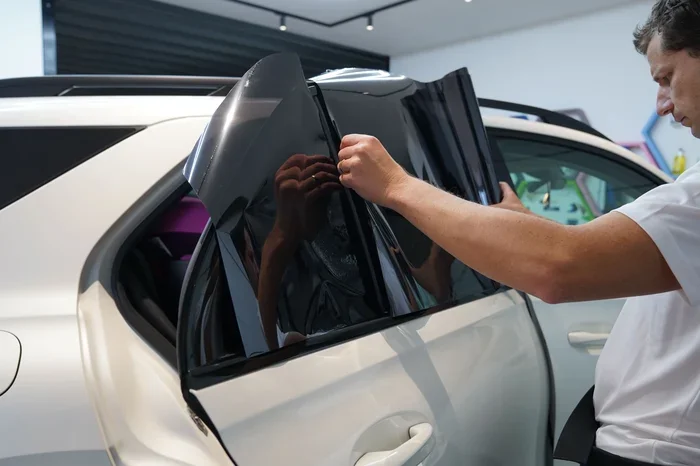
Even the best film will fail if it is not installed properly. Professional tint installation ensures the film adheres correctly, edges are sealed, and there are no trapped air pockets. A sloppy DIY job or an inexperienced installer can lead to premature peeling, bubbling, and edge lifting.
If you are getting your car tinted, always choose a reputable installer with proven experience. Ask to see their work, read reviews, and do not be afraid to ask questions about their process. Quality window film application is just as important as the film itself.
Climate and Sun Exposure
Where you live and how much sun your car gets plays a huge role in tint longevity. Cars parked outdoors in hot, sunny climates experience more UV damage than those kept in garages or shaded areas. UV exposure breaks down the dye and adhesive in window film over time.
If you live in a sunny region, your tint will naturally degrade faster. This does not mean you should skip tinting, but it does mean you should choose a more durable film and stay on top of maintenance.
Cleaning and Maintenance Habits
How you clean your windows after tinting matters more than most people realize. Using harsh chemicals, abrasive cloths, or ammonia-based cleaners can damage the tint film and shorten its life. Proper car window care involves using soft microfiber cloths and tint-safe cleaning solutions.
Avoid rolling down your windows for the first few days after installation. This allows the adhesive to cure fully and reduces the risk of edge peeling. Simple habits like these can add years to your tint’s lifespan.
Vehicle Usage
How often you drive and where you park also matters. A car that sits in direct sunlight all day will wear out its tint faster than one that is primarily garaged. Frequent driving exposes the tint to more heat, UV rays, and environmental elements like dust and road debris.
Window tint wear and tear from daily use is unavoidable to some degree. But being mindful of where you park and how you care for your windows can slow the aging process significantly.
How to Make Your Window Tint Last Longer
Want to get the most miles out of your window tint? Follow these practical tips to extend its life and keep it looking great.
Wait Before Rolling Down Windows
After installation, wait at least 3 to 5 days before rolling your windows down. The adhesive needs time to bond fully to the glass. Rolling them down too early can cause the edges to peel or shift, leading to premature damage.
Use Tint-Safe Cleaning Products
Always use cleaners that are free of ammonia and harsh chemicals. Look for products specifically labeled as safe for window tint. A simple mix of water and a few drops of mild dish soap works great for everyday cleaning.
Avoid Abrasive Materials
Use soft microfiber cloths or chamois when wiping your windows. Avoid paper towels, rough sponges, or anything that could scratch the film surface. Scratch protection is one of the easiest ways to keep your tint looking sharp.
Park in the Shade When Possible
UV damage is the number one enemy of window tint. Parking in the shade, using a sunshade, or parking in a garage significantly reduces UV exposure and heat buildup. Your tint will thank you for it.
Inspect Your Tint Regularly
Make it a habit to check your tint every few months. Look for early signs of bubbling, peeling, or discoloration, especially at the edges. Catching problems early gives you a chance to address them before they spread and cause more damage.
Keep the Interior Cool
Excessive heat weakens the adhesive in window tint over time. Using a windshield sunshade and keeping your car ventilated helps maintain a more stable temperature for the tint film. Heat management is a simple but effective way to protect your investment.
When Should You Replace Your Car Window Tint?
Knowing when to replace your tint saves you from driving around with compromised UV protection and a less-than-ideal look. Here are the key situations where replacement makes sense.
Extensive Bubbling or Peeling
If more than a small portion of your tint is bubbling or peeling, replacement is usually the better option. Trying to patch or repair large areas often leads to an uneven appearance and reduced performance.
Severe Discoloration
When your tint has turned purple, blotchy, or noticeably faded, it is no longer doing its job effectively. Discoloration also makes the car look older and less maintained, which can affect its overall appearance and resale value.
Compromised UV and Heat Protection
If you notice your car getting hotter inside or your skin feeling more sun exposure than before, the tint film may have lost its protective properties. Replacing the tint restores the comfort and safety benefits you originally installed it for.
Damage from Accidents or Wear
Cracks, deep scratches, or damage from an accident warrant replacement. Even if the tint looks okay from a distance, compromised film can spread further and eventually fail completely.
Choosing the Right Tint for Maximum Longevity
Selecting the right tint film is the foundation of long-lasting performance. Here is what to consider when choosing your car window tint.
Consider Your Priorities
Think about what matters most to you. Is it heat rejection, UV protection, privacy, or aesthetics? Different films excel in different areas. Ceramic tint offers the best all-around performance, while carbon tint provides a great balance of heat rejection and appearance.
Check the Warranty
Quality tint brands offer warranties that range from 5 to 10 years or more. A strong warranty is a good indicator of the manufacturer’s confidence in their product. Look for warranties that cover fading, bubbling, and peeling.
Consider Your Climate
If you live in a hot, sunny area, invest in a higher-grade film. Heat-rejecting tint like ceramic or carbon will perform better and last longer in harsh climates. In milder climates, a mid-range film may be perfectly sufficient.
Go with a Professional Installer
The best film in the world will underperform if it is not installed correctly. Choose an experienced installer who uses quality tools and follows proper techniques. A professional job ensures your tint looks great from day one and lasts as long as it should.
Compare Options Before You Decide
Take the time to compare different films, brands, and installers. Ask questions about tint durability, expected lifespan, and maintenance requirements. The more informed you are, the better decision you will make.
Tint Longevity Comparison by Film Type
Here is a quick comparison of the most common window tint types and their expected lifespans.
- Dyed Tint: 2 to 5 years. Budget-friendly but prone to fading and discoloration.
- Metalized Tint: 5 to 8 years. Good durability but may interfere with electronic signals.
- Carbon Tint: 5 to 7 years. No signal interference, excellent heat rejection, and good color stability.
- Ceramic Tint: 8 to 12+ years. The longest-lasting option with superior performance across the board.
These ranges assume proper installation and reasonable maintenance. Neglecting your tint or exposing it to extreme conditions can shorten the lifespan of any film type.
Common Mistakes That Shorten Tint Lifespan
Avoiding these common mistakes can help your tint last much longer than expected.
- Using ammonia-based cleaners: These break down the tint film and cause premature fading and peeling.
- Rolling windows down too soon: This disrupts the adhesive curing process and can cause edge lifting.
- Choosing the cheapest option: Budget tints use lower-quality materials that degrade faster and may need replacement sooner.
- Skipping professional installation: DIY or low-quality installation leads to air bubbles, uneven application, and premature failure.
- Ignoring edge care: The edges of tint are the most vulnerable area. Dirt and moisture buildup at the edges accelerates peeling.
- Parking in direct sunlight constantly: Prolonged UV exposure is the fastest way to degrade any tint film.
Expert Insights on Window Tint Longevity
Industry professionals agree that the average window tint lifespan falls in the 5 to 7-year range for most mid-quality films. But the real secret to longevity comes down to three things: film quality, installation skill, and ongoing care.
Experienced installers often recommend ceramic or high-grade carbon films for clients who want the best return on their investment. These films cost more upfront but deliver superior performance and last significantly longer than budget options. Professional tinting experts also stress the importance of proper curing time and gentle maintenance routines.
Many installers also point out that climate plays an underestimated role. A car tint in Arizona will face more UV stress than the same tint in Oregon. Adjusting your expectations and maintenance habits based on your local climate is a smart move.
Key Takeaways
- Tint lifespan varies by type: Dyed tints last 2-5 years, metalized 5-8 years, carbon 5-7 years, and ceramic 8-12+ years.
- Quality installation matters: A professional job can add years to your tint’s life compared to DIY kits.
- Maintenance plays a big role: Proper cleaning and care can significantly extend tint longevity.
- Climate affects durability: Harsh sun and extreme heat accelerate tint degradation.
- Watch for warning signs: Bubbling, peeling, and discoloration signal it is time for replacement.
- Warranties protect your investment: Many quality tints come with 5-10 year warranty coverage.
Conclusion
So, how long does car window tint last? The honest answer is that it depends. With the right film, proper installation, and good maintenance, you can expect your tint to perform beautifully for anywhere from 5 to 12 years. Ceramic tint leads the pack in longevity and performance, while carbon tint offers excellent value for most drivers.
The key takeaway is that your tint is only as good as the choices you make before and after installation. Choose quality film, invest in professional application, and take care of your windows with gentle cleaning and smart parking habits. These steps pay off in the form of a longer-lasting, better-looking tint that keeps your car cooler, protects your interior, and looks great for years to come.
Whether you are tinting your car for the first time or evaluating your current tint’s condition, understanding tint durability empowers you to make the best decisions for your vehicle and your budget. Take care of your tint, and it will take care of you.
Frequently Asked Questions
What is the average lifespan of car window tint?
On average, car window tint lasts between 5 and 10 years depending on the film type, installation quality, and maintenance. Premium ceramic tints can last 12 years or more, while budget dyed tints may only last 2 to 5 years. Your driving habits and climate also play a role.
Can you extend the life of your car window tint?
Yes, you can extend your tint’s life by using tint-safe cleaners, avoiding ammonia-based products, parking in the shade, and waiting a few days after installation before rolling down your windows. Regular inspections also help you catch small problems before they become big ones.
Does car window tint fade over time?
Yes, most tints fade over time, especially dyed films exposed to UV rays. Fading usually shows up as a purple or blotchy discoloration. Higher-quality films like carbon and ceramic resist fading much better and maintain their color longer.
Is it worth replacing car window tint?
It is worth replacing tint if it is bubbling, peeling, or has severe discoloration. Worn-out tint no longer blocks UV rays effectively, which can damage your car’s interior and make the cabin hotter. A fresh tint job restores both comfort and protection.
How long does it take for window tint to fully cure?
Window tint typically takes 3 to 5 days to fully cure, though this can vary based on the film type and weather conditions. During this curing period, avoid rolling down your windows, cleaning the windows, or exposing the car to heavy moisture. Proper curing ensures a longer-lasting bond.
What is the best window tint for long-lasting results?
Ceramic tint is widely considered the best option for long-lasting results. It offers superior heat rejection, UV protection, and clarity without interfering with electronic signals. Carbon tint is another excellent choice that balances performance, durability, and cost effectively.