Can I Bring My Dog to Canada by Car Your Ultimate Guide
Yes, you can bring your dog to Canada by car, but you must follow specific rules set by the Canadian Food Inspection Agency. You need proper documentation, up-to-date rabies vaccinations, and a health certificate in most cases. This guide walks you through every step so your furry friend crosses the border safely and smoothly.
Planning a road trip to Canada with your dog? It is totally doable, and thousands of pet owners do it every year. But you cannot just hop in the car and cross the border without preparation. The rules for bringing pets into Canada are set by the Canadian Food Inspection Agency, also known as CFIA. These rules exist to protect both animal and human health. In this guide, we will walk you through everything you need to know about driving with dogs across the border. By the end, you will feel confident and ready for your trip.
Traveling with your dog can be one of the best parts of a road trip. Your dog is your companion, your buddy, and part of the family. Leaving them behind is not something most pet owners want to do. So let us make sure you have all the information you need. We will cover documents, vaccinations, border procedures, and practical tips. Let us get started.
Key Takeaways
- Proof of rabies vaccination is mandatory for all dogs entering Canada by car.
- A veterinarian-issued health certificate is strongly recommended even though it is not always required.
- There is no mandatory quarantine for dogs that meet all entry requirements.
- Certain dog breeds face restrictions in specific Canadian provinces and municipalities.
- Proper pet documentation keeps the process fast and avoids delays at the border.
- Preparing your dog for car travel reduces stress and keeps everyone safe on the road.
- Microchipping is not legally required but highly recommended for identification purposes.
📑 Table of Contents
- Understanding the Basics of Bringing Your Dog to Canada by Car
- Required Documents and Health Certifications
- Vaccination Requirements for Dogs Entering Canada
- Border Crossing Procedures and What to Expect
- Tips for a Stress-Free Road Trip with Your Dog
- Breed Restrictions and Special Considerations
- Common Mistakes to Avoid When Traveling with Dogs to Canada
- What to Do After You Arrive in Canada with Your Dog
- Expert Insights on Pet Travel to Canada
- Key Takeaways
- Conclusion
Understanding the Basics of Bringing Your Dog to Canada by Car
Canada has relatively straightforward pet import rules compared to many other countries. The good news is that pet travel to Canada by car is quite manageable if you prepare ahead of time. The CFIA sets the federal rules, but individual provinces and cities may have additional restrictions. You need to understand both levels of regulation before you hit the road.
Who Sets the Rules for Pet Entry into Canada?
The Canadian Food Inspection Agency is the main authority for animal imports. They work to prevent diseases from entering the country through animals. For dogs coming from the United States, the rules are fairly simple. However, dogs from other countries face stricter requirements. If you live in the US and are driving to Canada, your path is much easier. But you still need to meet the basic requirements.
What Age Must a Dog Be to Enter Canada?
Dogs must be at least three months old to enter Canada. This rule exists because puppies younger than three months may not have completed their rabies vaccination series. If you have a very young puppy, you will need to wait until they reach that age before crossing the border. There are very few exceptions to this rule.
Do All Dogs Need a Permit to Enter Canada?
Most dogs do not need a special import permit. However, there are exceptions. Dogs from countries with high rabies risk may need a permit. Also, dogs used for commercial purposes, like breeding or showing, have different requirements. For casual pet travel from the US, you typically do not need a permit. Always check the latest rules on the CFIA website before your trip.
Required Documents and Health Certifications
Documentation is the backbone of cross-border pet travel. Without the right papers, you could face delays or even be turned away at the border. Let us break down exactly what you need to carry with you.
Rabies Vaccination Certificate
This is the single most important document for bringing pets into Canada. Your dog must have a valid rabies vaccination. The certificate must include the following details. The brand name and serial number of the vaccine. The date of vaccination. The expiration date. Your veterinarian’s name and signature. Your dog’s description, including breed, color, and weight. Make sure the certificate is original and not a copy. Border officers may ask to see this document, so keep it easily accessible.
Veterinary Health Certificate
A health certificate is not always legally required for dogs entering Canada from the US. However, it is strongly recommended. This certificate confirms that your dog is healthy and free from contagious diseases. It should be issued within ten days of your travel date. A health certificate gives border officers confidence that your pet is safe to enter. It also helps if your dog needs veterinary care while in Canada.
Proof of Ownership
Carrying proof that the dog belongs to you is a good idea. A registration document, adoption papers, or a photo with your dog can work. This is especially important if your dog looks similar to a reported stolen pet. It is a simple step that can save you a lot of trouble at the border.
What If My Dog Does Not Have a Rabies Shot?
If your dog is not vaccinated against rabies, you have a problem. Unvaccinated dogs may be denied entry or placed in quarantine. The quarantine period can last up to four months, which is expensive and stressful. Some provinces allow unvaccinated dogs to be vaccinated at the border, but this is not guaranteed. Always vaccinate your dog well before travel. Rabies vaccines are widely available and relatively inexpensive.
Vaccination Requirements for Dogs Entering Canada
Vaccinations are a critical part of pet travel requirements. The rabies vaccine is the only legally required vaccine for dogs entering Canada. But other vaccinations are worth considering for your dog’s health and safety.
Rabies Vaccine Details
The rabies vaccine must be administered by a licensed veterinarian. It must be given after the dog is three months old. The vaccine must still be valid at the time of entry. If your dog’s vaccine has expired, you will need to get a booster before traveling. Different vaccines have different durations of effectiveness. Some last for one year, while others last for three years. Make sure you understand which type your dog has and when it expires.
Other Recommended Vaccinations
Beyond rabies, consider these vaccinations for your dog. Bordetella, also known as kennel cough. This is important if your dog will be around other dogs in Canada. Leptospirosis, which is spread through water and soil. Lyme disease, especially if you are traveling through tick-prone areas. Canine influenza, if your dog will be in boarding facilities or dog parks. Talk to your veterinarian about which vaccines make sense for your trip.
Vaccination Timeline: When to Get Shots Before Travel
Plan your vaccination schedule carefully. Rabies vaccines need time to become effective. Most vaccines require at least 28 days to provide full protection. If your dog needs a booster, get it at least a month before travel. This gives the vaccine time to work and ensures your documentation is in order. Last-minute vaccinations can cause problems at the border.
Border Crossing Procedures and What to Expect
Crossing the border with a dog is different from crossing without one. You need to know what to expect so the process goes smoothly. Being prepared makes all the difference.
Which Border Crossings Allow Pets?
Most land border crossings between the US and Canada allow pets. However, not all crossings have the same hours or staffing levels. Some smaller crossings may have limited services. Choose a crossing that has proper customs and immigration facilities. Major crossings like the Peace Bridge, Ambassador Bridge, and Pacific Highway are well-equipped for pet travel. Check the CBSA website for a list of operational border crossings.
What Happens at the Border with a Dog?
When you arrive at the border, you will go through customs and immigration. You may be asked to present your dog’s documents. A border officer may examine your dog to verify their description matches the paperwork. Most crossings are quick and straightforward for compliant pet owners. The process usually takes just a few minutes. However, if your documents are incomplete, it can take much longer.
Common Questions Border Officers Ask
Border officers may ask you several questions about your dog. They want to confirm that your pet is healthy and properly vaccinated. Common questions include. Where are you traveling to in Canada? How long will you be staying? Is your dog vaccinated against rabies? Do you have health documentation? Have you brought food for your dog? Keep your answers simple and direct. Having your documents ready helps speed things up.
Can I Be Denied Entry with My Dog?
Yes, it is possible. If your dog does not meet the entry requirements, they may be denied entry. Common reasons for denial include expired rabies vaccination, missing documentation, or signs of illness. In serious cases, dogs may be confiscated or placed in quarantine. This is why preparation is so important. Taking the time to get everything right before you travel saves stress and money.
Tips for a Stress-Free Road Trip with Your Dog
Getting through the border is just one part of the journey. Traveling by car with your dog requires planning and preparation. A pet-friendly road trip should be enjoyable for both you and your dog.
Preparing Your Dog for Car Travel
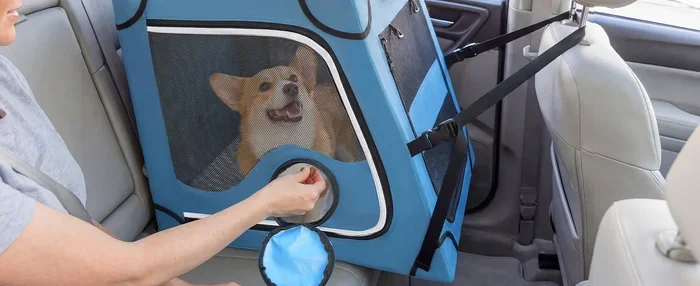
Some dogs love car rides, while others feel anxious. If your dog is not used to long car trips, start with short drives. Gradually increase the distance over several weeks. This helps your dog get comfortable with the motion and confinement of a car. Use a crate or a pet seatbelt for safety. A loose dog in a moving car is a safety hazard for everyone.
What to Pack for Your Dog on the Road
Packing the right supplies makes a big difference. Bring enough food for the entire trip, plus extra. Pack fresh water and a portable water bowl. Bring your dog’s leash, collar, and identification tags. Include waste bags for cleanup. Bring any medications your dog takes regularly. Pack a favorite toy or blanket to provide comfort. A first-aid kit for dogs is also a smart addition.
Keeping Your Dog Safe During the Drive
Safety should always come first. Use a secure crate or a crash-tested harness. Never let your dog ride with their head out the window. This can cause eye injuries and ear infections. Stop every two to three hours to let your dog stretch and relieve themselves. Offer water during each stop. Never leave your dog alone in a parked car, especially in warm weather. Temperatures inside a car can rise dangerously fast.
Pet-Friendly Rest Stops and Hotels
Plan your route with pet-friendly stops in mind. Many rest areas along the US-Canada border have designated pet exercise areas. Before booking hotels, confirm their pet policy. Some hotels charge extra fees for pets, while others welcome them for free. Apps like BringFido and GoPetFriendly can help you find pet-friendly accommodations along your route. Booking ahead saves time and avoids surprises.
Breed Restrictions and Special Considerations
Not all dogs are treated equally when entering Canada. Certain breeds face restrictions at the federal and provincial levels. You need to know if your dog’s breed is affected.
Federal Breed Restrictions in Canada
At the federal level, Canada does not ban specific dog breeds. However, individual provinces and municipalities can set their own rules. This means the laws vary depending on where you are going in Canada. Always research the specific area you plan to visit.
Provincial and Municipal Breed Bans
Some Canadian provinces and cities have breed-specific legislation. Ontario, for example, has a ban on pit bull-type dogs. This includes American pit bull terriers, American Staffordshire terriers, Staffordshire bull terriers, and dogs that resemble these breeds. Other provinces may have restrictions on specific breeds as well. Before you travel, check the laws of your destination province and city. Violating breed restrictions can result in fines, confiscation, or euthanasia.
Dogs with Aggressive Histories
Dogs that have been deemed aggressive or dangerous may face additional scrutiny at the border. If your dog has a bite history or has been labeled dangerous in the past, be prepared for extra questions. You may need to provide behavioral assessments or muzzling documentation. In some cases, aggressive dogs may be denied entry. Honest disclosure is always the best policy.
Service Dogs and Emotional Support Animals
Service dogs have specific rights when entering Canada. They are generally allowed entry with proper documentation. Emotional support animals do not have the same legal protections in Canada as they do in the US. Airlines and border authorities may treat them as regular pets. If you are traveling with a service dog, carry documentation from a recognized organization. This helps clarify your dog’s status at the border.
Common Mistakes to Avoid When Traveling with Dogs to Canada
Even well-meaning pet owners make mistakes. Avoiding these common errors keeps your trip stress-free.
- Forgetting to renew the rabies vaccine before it expires. Check the expiration date well in advance.
- Carrying photocopies instead of originals of your dog’s documents. Border officers often require originals.
- Not researching breed restrictions in your destination province or city. This can lead to serious legal problems.
- Underestimating travel time and not planning rest stops for your dog. Long drives without breaks are hard on pets.
- Skipping the health certificate even though it is not always required. It provides peace of mind and protection.
- Assuming all border crossings are the same. Some crossings are busier and may have longer wait times for pet entry.
- Not having emergency vet information for your destination area in Canada. Accidents and illnesses can happen anywhere.
What to Do After You Arrive in Canada with Your Dog
You have crossed the border successfully. Now what? There are still a few things to keep in mind once you are in Canada.
Registering with a Local Veterinarian
Find a veterinarian near your destination as soon as possible. This is important if your dog needs medical attention during your stay. It also helps you build a relationship with a local clinic. Keep your dog’s vaccination records handy for the new vet.
Leash Laws and Local Regulations
Every Canadian municipality has its own leash laws and pet regulations. Some areas require dogs to be leashed at all times in public spaces. Others have off-leash parks where dogs can run freely. Research the rules of the specific area where you will be staying. Violating local laws can result in fines and other penalties.
Pet-Friendly Activities in Canada
Canada is a fantastic country for pet owners. Many national parks allow leashed dogs on trails. Cities like Vancouver, Toronto, and Victoria have excellent dog parks and pet-friendly patios. Research pet-friendly activities at your destination before you arrive. Your dog will love exploring new sights and smells just as much as you do.
Returning to the US with Your Dog
When it is time to head home, the process is similar. Carry all your documents with you. Your dog’s rabies certificate and health certificate should be up to date. Border officers on the US side may also ask to see documentation. The process is generally quick and straightforward for compliant pet owners.
Expert Insights on Pet Travel to Canada
We spoke with several veterinarians and experienced pet travelers to gather their top tips. Here is what they recommend. First, always carry a recent photo of your dog. If your dog gets lost during travel, a photo helps with identification. Second, consider microchipping your dog if they are not already chipped. It is not legally required for Canada entry, but it provides an extra layer of security. Third, practice car travel with your dog before a long trip. Short practice drives help build your dog’s confidence. Fourth, keep a copy of the CFIA pet import guidelines on your phone. You can reference them instantly if questions arise at the border. Finally, stay calm and patient. Border crossings can be stressful, but your dog picks up on your energy. A relaxed owner makes for a relaxed pet.
Key Takeaways
- Rabies vaccination is mandatory and must be current for all dogs entering Canada by car.
- A health certificate is highly recommended even though it is not always legally required.
- There is no mandatory quarantine for dogs that meet all entry requirements.
- Breed restrictions vary by province and city, so research your destination carefully.
- Always carry original documents, not photocopies, when crossing the border.
- Prepare your dog for car travel with practice drives and proper safety equipment.
- Plan for rest stops and pet-friendly accommodations to make the journey enjoyable.
Conclusion
So, can you bring your dog to Canada by car? Absolutely. With the right preparation, it is a smooth and rewarding experience. The key is to start planning early. Get your dog’s rabies vaccine updated. Gather all necessary documents. Research the breed laws of your destination. Prepare your dog for the car ride. These steps may seem like a lot, but they are all manageable when broken down. The effort you put in before the trip pays off in a stress-free border crossing and a wonderful adventure with your best friend. Your dog deserves to see new places just as much as you do. So pack your bags, load up your pup, and hit the road. Canada is waiting for both of you.
Remember, the rules for pet travel to Canada can change. Always check the CFIA website for the most current information before your trip. Being informed and prepared is the best thing you can do for your dog and for yourself. Happy travels, and safe crossings.