Does My Truck Have Two Catalytic Converters Explained
Whether your truck has one or two catalytic converters depends on the engine type, exhaust setup, and model year. Most trucks with dual exhaust systems use two catalytic converters, while single-exhaust trucks use just one. This guide walks you through how to check your truck, what the differences mean, and how to spot problems early.
Have you ever looked under your truck and wondered, “Does my truck have two catalytic converters?” It is a fair question. The answer matters for maintenance, emissions testing, and even resale value. Many truck owners assume their vehicle has just one converter, but that is not always true. Let us break it all down in simple terms.
A catalytic converter is one of the most important parts of your truck’s exhaust system. It cleans up harmful gases before they leave the tailpipe. Some trucks use one converter, while others use two. Knowing which setup your truck has helps you take better care of it. It also saves you money and headaches down the road.
In this article, we will cover exactly how to tell if your truck has one or two catalytic converters. We will look at common truck models, warning signs of a bad converter, and what to do if you need a replacement. By the end, you will feel confident about your truck’s exhaust setup. Let us get started.
Key Takeaways
- Two catalytic converters are common: Many trucks with dual exhaust systems use two converters for better emissions control.
- Check your exhaust layout: A single exhaust pipe usually means one converter; dual pipes often mean two.
- Watch for warning signs: The check engine light, rotten egg smell, and poor fuel economy can point to converter issues.
- Replacement costs vary: Replacing one converter is cheaper than replacing two, but both matter for passing emissions tests.
- Regular maintenance helps: Keeping your engine tuned and fuel clean extends the life of your catalytic converters.
- Know your truck model: Different makes and models have different converter setups, so always check your specific vehicle.
📑 Table of Contents
- What Is a Catalytic Converter and Why Does It Matter?
- Does My Truck Have Two Catalytic Converters?
- Common Truck Models and Their Catalytic Converter Setup
- Signs Your Catalytic Converter Is Going Bad
- Can You Replace Just One Catalytic Converter?
- Tips for Keeping Your Catalytic Converters in Good Shape
- Key Takeaways
- Conclusion
What Is a Catalytic Converter and Why Does It Matter?
How a Catalytic Converter Works
Your truck’s engine burns fuel to create power. That process creates harmful gases like carbon monoxide, nitrogen oxides, and hydrocarbons. The catalytic converter sits in the exhaust system and turns these bad gases into less harmful ones. It uses a special coating of metals like platinum, palladium, and rhodium to trigger chemical reactions.
Think of it like a filter for your exhaust. The exhaust gases flow through the converter, and the metals inside change the chemical makeup of those gases. The result is cleaner air coming out of your tailpipe. Without a working converter, your truck would pollute much more.
Why Catalytic Converters Are Required
Every truck sold in the United States since 1975 has come with a catalytic converter. The Environmental Protection Agency (EPA) requires them to reduce air pollution. If your converter is missing or not working, your truck will fail an emissions test. It can also cause your check engine light to come on.
Beyond legal requirements, a good converter keeps your truck running smoothly. A damaged or clogged converter can hurt engine performance. You might notice rough idling, reduced power, or poor fuel economy. That is why it pays to know your setup and keep your converter in good shape.
Does My Truck Have Two Catalytic Converters?
Single Exhaust vs. Dual Exhaust Systems
The easiest way to answer “Does my truck have two catalytic converters” is to look at your exhaust system. Trucks with a single exhaust pipe usually have one catalytic converter. The pipe runs from the exhaust manifold to the back of the truck, with one converter in the middle.
Trucks with dual exhaust systems are different. These trucks have two exhaust pipes, one on each side. Most dual exhaust setups include two catalytic converters, one for each pipe. Some trucks may also have a third converter near the engine, but that is less common.
Here is a simple way to think about it. If you look under your truck and see two tailpipes, there is a good chance you have two converters. If you see one tailpipe, you likely have one. But this is not always 100 percent true, so let us dig deeper.
How to Physically Check Your Truck
You do not need to be a mechanic to check your truck’s converter setup. Start by looking under the vehicle. Follow the exhaust pipe from the engine to the back. Count how many pipes come out of the tail end.
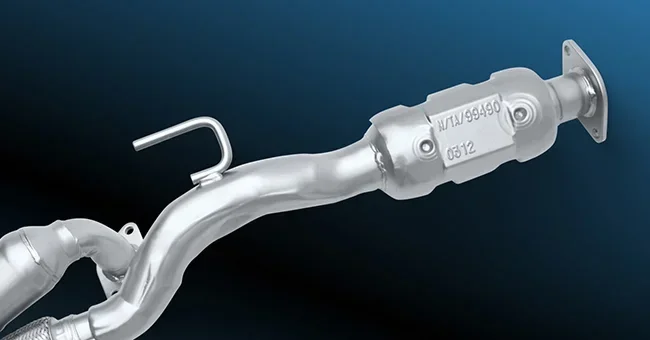
Next, look for the converter itself. It is usually a rounded or oval-shaped metal box. It sits between the engine and the muffler. On a truck with two converters, you will see two of these boxes along the exhaust line. They may be close together or spaced apart depending on the model.
Another way to check is by looking at the exhaust manifold. The manifold connects to the engine and feeds into the converter. Some trucks have one manifold, while others have two. Two manifolds usually mean two converters. If you are not sure, you can also check your truck’s service manual. It will list the exact exhaust setup for your model.
Using an OBD Scanner to Check
Modern trucks have built-in sensors that monitor the catalytic converters. You can use an OBD-II scanner to read these sensors. Plug the scanner into the diagnostic port under your dashboard. The scanner will show codes related to the converter’s performance.
If your truck has two converters, the scanner may show separate codes for each one. This is helpful because it tells you exactly which converter might be failing. Even if you do not own a scanner, many auto parts stores will read the codes for free. This is a quick and easy way to learn more about your truck’s setup.
Common Truck Models and Their Catalytic Converter Setup
Ford Trucks
Ford F-150 and F-250 trucks come in both single and dual exhaust options. The standard cab and short bed models often use a single exhaust with one converter. Extended cab and crew cab models with the 5.5-foot or 8-foot bed usually come with dual exhaust and two converters.
Ford Super Duty trucks like the F-250, F-350, and F-450 almost always have dual exhaust systems. That means two catalytic converters. Some higher trim levels or towing packages may include extra exhaust components, but the base setup is usually two converters.
Chevrolet and GMC Trucks
Chevrolet Silverado and GMC Sierra trucks follow a similar pattern. Standard cab models often use a single exhaust system. Crew cab and extended cab models typically use dual exhaust with two catalytic converters.
The 6.2-liter V8 engine in many Silverado and Sierra models comes with a dual exhaust system. This setup helps the engine breathe better and improves towing capacity. If your truck has this engine, there is a strong chance it has two converters.
Ram Trucks
Ram 1500 trucks offer both single and dual exhaust depending on the trim and engine. The base V6 engine often uses a single exhaust with one converter. The V8 engine and the Hemi options usually come with dual exhaust and two converters.
Ram 2500 and 3500 heavy-duty trucks almost always have dual exhaust systems. These trucks are built for towing and hauling, so they need the extra exhaust flow. Two catalytic converters help manage the increased exhaust gases from the bigger diesel and gas engines.
Diesel Trucks
Diesel trucks like the Ford Power Stroke, Chevrolet Duramax, and Ram Cummings often have a more complex exhaust setup. Many diesel trucks use two catalytic converters, but they also have additional components. These can include diesel particulate filters (DPF) and selective catalytic reduction (SCR) systems.
The DPF and SCR systems work alongside the catalytic converters to clean up diesel exhaust. If you drive a diesel truck, you may have more than two emission control devices. This is important to know because it affects maintenance costs and repair options.
| Truck Brand | Common Setup | Number of Converters |
|---|---|---|
| Ford F-150 (V6) | Single Exhaust | One |
| Ford F-150 (V8) | Dual Exhaust | Two |
| Chevy Silverado (V6) | Single Exhaust | One |
| Chevy Silverado (V8) | Dual Exhaust | Two |
| Ram 1500 (V6) | Single Exhaust | One |
| Ram 1500 (V8/Hemi) | Dual Exhaust | Two |
| Ford F-250 Diesel | Dual Exhaust + DPF | Two or more |
| Ram 2500 Diesel | Dual Exhaust + DPF | Two or more |
Signs Your Catalytic Converter Is Going Bad
Check Engine Light
The check engine light is one of the first signs of a problem. If your truck’s computer detects an issue with the converter, it will trigger this light. A common code you might see is P0420, which means the converter efficiency is below threshold. This code can appear on trucks with one or two converters.
Do not ignore the check engine light. Even if the truck seems to drive fine, a bad converter can cause bigger problems later. Getting the code read early can save you from a costly repair.
Rotten Egg Smell
A healthy catalytic converter turns sulfur in fuel into sulfur dioxide, which has little smell. When the converter goes bad, sulfur builds up and creates a rotten egg smell. If you notice this odor coming from under your truck, it is time to get it checked.
This smell is not just unpleasant. It can also be a sign that your converter is not processing exhaust gases properly. Prolonged driving with a bad converter can damage other parts of the exhaust system.
Poor Fuel Economy
A clogged or failing converter can hurt your fuel economy. When the converter is blocked, exhaust gases do not flow out smoothly. This creates back pressure in the engine. Your engine has to work harder, which uses more fuel.
If you notice you are filling up more often than usual, a bad converter could be the reason. Keep track of your miles per gallon. A sudden drop in fuel economy is worth investigating.
Reduced Engine Performance
A bad catalytic converter can make your truck feel sluggish. You might notice a loss of power when accelerating. The truck may feel slow to respond when you press the gas pedal. In severe cases, the converter can become completely clogged, and the engine may stall.
This happens because the exhaust system cannot breathe properly. Think of it like trying to breathe through a straw. The engine needs a clear path for exhaust gases to leave. A blocked converter restricts that flow and hurts performance.
Failed Emissions Test
If your truck fails an emissions test, the catalytic converter is often the culprit. A failing converter lets too many harmful gases pass through to the tailpipe. This is one of the most common reasons trucks fail smog checks in states that require them.
If your truck has two converters, both need to be working properly to pass the test. Replacing just one may not be enough if the other is also degraded. Always have both converters inspected when you fail an emissions test.
Can You Replace Just One Catalytic Converter?
When Replacing One Makes Sense
If your truck has two converters and only one is failing, you might wonder if you can replace just that one. In some cases, yes. If the other converter is still working well and has many miles left, replacing just the bad one can save money.
However, this approach has risks. If one converter is bad, the other may not be far behind. They often wear out at a similar rate because they handle similar exhaust loads. Replacing both at the same time can prevent repeat repairs later.
Cost of Replacing One vs. Two Converters
The catalytic converter replacement cost varies widely depending on the truck model and year. On average, replacing one converter costs between $500 and $2,500. That includes parts and labor. Replacing two converters will roughly double that cost.
Here are some quick numbers to keep in mind:
- Single converter replacement: $500 to $2,500
- Two converter replacement: $1,000 to $5,000
- Aftermarket converters: Usually cheaper but may not last as long
- OEM converters: More expensive but meet factory standards
Diesel trucks with DPF and SCR systems can cost even more to repair. These systems have more parts, and the replacement costs are higher. Always get a detailed quote from a trusted mechanic before committing to repairs.
OEM vs. Aftermarket Converters
When replacing a converter, you have two main options: OEM (original equipment manufacturer) or aftermarket. OEM converters are made by the same company that built your truck. They fit perfectly and meet all emissions standards. Aftermarket converters are made by third-party companies and are usually less expensive.
Aftermarket converters can be a good budget option. But they may not last as long or work as efficiently as OEM parts. If your truck is still under warranty, check with your dealer before using aftermarket parts. Using the wrong type can void your warranty.
Tips for Keeping Your Catalytic Converters in Good Shape
Use Quality Fuel
The fuel you put in your truck directly affects the converter. Low-quality fuel can contain more sulfur and contaminants. These build up inside the converter and cause it to clog over time. Using top-tier gasoline or diesel helps keep the converter clean.
Try to buy fuel from reputable stations. Top-tier fuels have better additives that burn cleaner. This small habit can add years to the life of your catalytic converter.
Keep Up with Engine Maintenance
A healthy engine means a healthy converter. If your engine is running rich (too much fuel) or lean (too little fuel), it can damage the converter over time. Regular oil changes, spark plug replacements, and air filter changes help the engine run smoothly.
Fix engine misfires quickly. Unburned fuel entering the exhaust system can overheat the converter. This can melt the internal components and cause permanent damage. Staying on top of routine maintenance is the best way to protect your converter.
Avoid Short Trips When Possible
Short trips are tough on catalytic converters. The converter needs to reach a high temperature to work properly. On short trips, it may never get hot enough. This causes moisture and fuel residues to build up inside.
Over time, this buildup can clog the converter. If you can combine errands into one longer trip, your converter will thank you. It also helps your engine warm up fully, which improves fuel economy.
Watch for Exhaust Leaks
Exhaust leaks near the converter can cause extra heat and damage. If you hear a hissing or ticking noise from under your truck, get it checked. Small leaks can turn into big problems if ignored.
A mechanic can inspect the exhaust system for cracks, loose connections, or rust. Catching these issues early keeps your converter and the rest of the exhaust system in good shape.
Key Takeaways
- Most trucks with dual exhaust have two catalytic converters: Check your tailpipes to get a quick idea of your setup.
- Diesel trucks may have more than two converters: They often include DPF and SCR systems in addition to standard converters.
- Warning signs include check engine light, rotten egg smell, and poor performance: Do not ignore these symptoms.
- Replacement costs add up: Replacing two converters costs roughly double that of replacing one.
- Regular maintenance extends converter life: Good fuel, engine tune-ups, and avoiding short trips all help.
- Know your truck model: Check your service manual or ask a mechanic to confirm your exact setup.
Conclusion
So, does my truck have two catalytic converters? The answer depends on your truck’s make, model, engine, and exhaust setup. Most trucks with dual exhaust systems use two converters. Trucks with single exhaust systems use one. Diesel trucks can have even more emission control devices to manage their exhaust.
Understanding your truck’s converter setup helps you take better care of it. It also helps you spot problems early and avoid costly repairs. Whether your truck has one converter or two, keeping them in good shape is essential for passing emissions tests, maintaining performance, and protecting the environment.
Take a few minutes to look under your truck and learn your setup. Use an OBD scanner if you are unsure. And if you ever notice warning signs, do not wait to get it checked. A little attention today can save you a lot of trouble tomorrow.
Your truck works hard for you. Returning the favor with a little knowledge and regular care goes a long way. Now you know the answer to “does my truck have two catalytic converters,” and you are better equipped to keep your truck running strong for years to come.
Frequently Asked Questions
How can I tell if my truck has one or two catalytic converters?
Look at the number of exhaust pipes coming out of the back of your truck. If you see two tailpipes, your truck likely has two converters. You can also check under the truck for the converter boxes along the exhaust line. Your truck’s service manual will confirm the exact setup.
Can I drive my truck with a bad catalytic converter?
You can drive short distances, but it is not recommended for long trips. A bad converter can reduce engine performance, lower fuel economy, and cause your truck to fail emissions tests. It can also damage other parts of the exhaust system if left unaddressed.
How much does it cost to replace two catalytic converters?
The cost to replace two converters typically ranges from $1,000 to $5,000. The exact price depends on your truck model, whether you use OEM or aftermarket parts, and local labor rates. Diesel trucks with additional emission systems may cost more.
Do all diesel trucks have two catalytic converters?
Most diesel trucks have at least two catalytic converters, but they often include extra components like diesel particulate filters (DPF) and selective catalytic reduction (SCR) systems. These work together to clean up diesel exhaust and meet strict emissions standards.
What happens if I remove a catalytic converter from my truck?
Removing a catalytic converter is illegal in most states. It will cause your truck to fail emissions tests and increase harmful pollution. It can also trigger the check engine light and hurt engine performance. Always keep your converter intact and functioning properly.
How long do catalytic converters last on a truck?
A well-maintained catalytic converter can last 100,000 miles or more. However, factors like fuel quality, engine condition, and driving habits can shorten its life. Regular maintenance and using quality fuel help extend the life of your converter significantly.