Does Replacing an Engine Reset Mileage on Your Car
Does replacing an engine reset mileage? The answer is no — a new or rebuilt engine does not reset the odometer on your vehicle. Mileage is tied to the car itself, not the engine, and tampering with it can lead to serious legal and financial consequences. Whether you are replacing a worn-out engine, performing an engine swap, or buying a used car with a new engine, understanding how mileage works is essential for protecting your investment.
Many car owners find themselves facing a major engine replacement at some point. Whether it is due to wear and tear, a blown head gasket, or a seized engine, the cost and process can be overwhelming. One question that comes up frequently is whether replacing an engine resets the mileage on the car. The short answer is no. But there is a lot more to understand about how mileage, odometers, and engine replacements work together.
When you invest in an engine replacement, you want to know exactly what changes and what stays the same. Does the new engine come with zero miles? Can you trick the odometer into showing lower numbers? What does this mean for your car’s value and history? This guide covers everything you need to know about engine replacement, odometer readings, and the truth behind mileage after a swap.
Understanding this topic matters whether you are maintaining your current vehicle, shopping for a used car with a new engine, or simply curious about how car mechanics work. Let us walk through the facts so you can make informed decisions and avoid common pitfalls.
Key Takeaways
- Mileage does not reset: Replacing an engine does not reset your car’s odometer. The mileage stays with the vehicle, not the engine.
- Legal implications: Resetting an odometer is illegal in most places and can result in fines or fraud charges.
- Total mileage matters: Buyers and dealers look at total mileage, not just engine mileage, when evaluating a car’s value.
- Verify history: Always check a vehicle history report and look for physical mileage clues before buying a car with a replaced engine.
- Engine warranty is separate: A new engine often comes with its own warranty, which is different from the car’s overall warranty.
- Resale value is affected: A car with a new engine can still have reduced resale value if the total mileage is high.
📑 Table of Contents
- What Happens When You Replace an Engine
- Does Replacing an Engine Reset Mileage?
- Why Mileage Still Matters After an Engine Swap
- How to Verify a Car’s True Mileage
- Should You Buy a Car With a Replaced Engine?
- Common Myths About Engine Replacement and Mileage
- Final Thoughts on Engine Replacement and Mileage
What Happens When You Replace an Engine
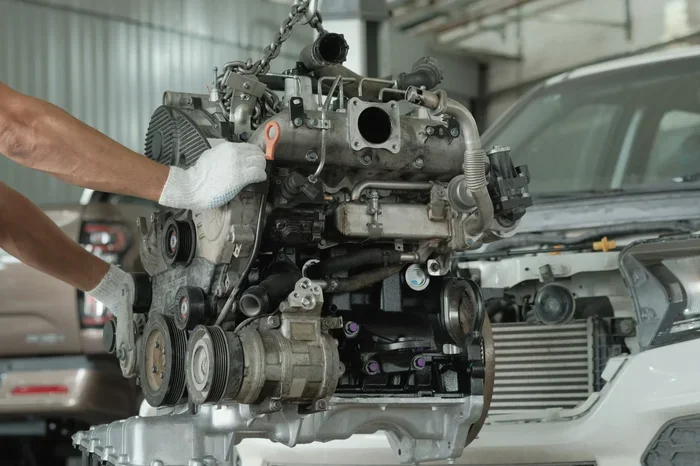
Replacing an engine is a significant event in a car’s life. It involves removing the old powerplant and installing a new or rebuilt one. But what actually changes when this happens? Let us break it down.
How Does a New Engine Affect Your Car?
A new engine can breathe fresh life into a vehicle. It often means better performance, improved fuel efficiency, and fewer mechanical problems. When you install new engine components, the car can run smoother and last longer. Many owners report feeling like they have an almost-new vehicle after a quality engine replacement.
However, the car’s body, transmission, electronics, and chassis all remain the same. The mileage on the odometer continues to accumulate as you drive. The new engine does not erase any of the wear and tear that the rest of the vehicle has experienced.
What Changes and What Stays the Same?
Here is a quick look at what changes and what does not after an engine swap:
- Changes: The engine itself, internal engine components, and sometimes the engine mount and related systems.
- Stays the Same: The odometer reading, the car’s body condition, the transmission, the electrical systems, and the overall vehicle history.
This distinction is important. A new engine does not erase the car’s past. The total mileage keeps ticking, and every mile driven before the replacement still counts.
Does Replacing an Engine Reset Mileage?
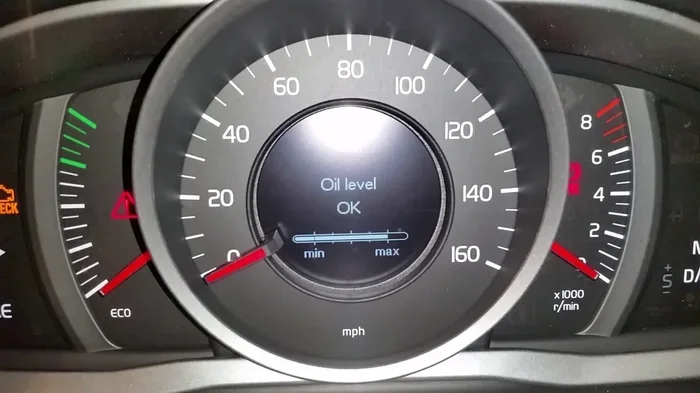
The direct answer to this question is no. Replacing an engine does not reset mileage. The odometer is connected to the car’s wheel speed sensors and dashboard, not to the engine. When you swap out the engine, the odometer keeps running exactly where it left off.
The Truth About Odometer Readings
Your car’s odometer measures the distance the wheels have traveled. It has nothing to do with the engine’s internal condition or how many hours the engine has run. When you install a new engine, the odometer simply continues from where it stopped. This is by design and has been the standard in the automotive industry for decades.
Some people mistakenly believe that a new engine means a fresh start on the mileage clock. This is not the case. The car mileage reflects the entire life of the vehicle, including all its parts and systems.
Why Manufacturers Don’t Reset Mileage
Car manufacturers design vehicles so that the odometer cannot be easily reset. This is for consumer protection. The vehicle title in most states and countries requires an accurate odometer reading. Resetting it intentionally is considered mileage fraud and is illegal.
The engine warranty that comes with a new engine is separate from the odometer reading. The warranty typically covers the engine for a set number of miles or a time period, regardless of what the odometer says about the rest of the car.
Why Mileage Still Matters After an Engine Swap
Just because a new engine does not reset the odometer does not mean mileage becomes irrelevant. In fact, mileage is one of the most important factors in determining a car’s overall condition and value.
Total Mileage vs. Engine Mileage
When evaluating a car, buyers and dealers look at total mileage. This is the number shown on the odometer. It tells the story of the entire vehicle, not just the engine. A car with 150,000 miles on the odometer has had 150,000 miles of wear on its transmission, brakes, suspension, and body — regardless of whether the engine was replaced at 100,000 miles.
The concept of “engine mileage” is different. This refers to how many miles the current engine has been running. A car might have 150,000 total miles but only 50,000 engine miles if the engine was replaced at the 100,000-mile mark. However, this distinction rarely matters to buyers, who focus on the total mileage shown on the odometer.
How Mileage Affects Car Value
Mileage has a direct impact on car value and resale value. Generally, lower mileage means a higher price. Even if a car has a brand-new engine, a high total mileage will still lower its market value.
Here are the key factors that influence how mileage affects value:
- Age of the vehicle: Older cars with high mileage depreciate faster.
- Maintenance history: A well-maintained car with high mileage can still hold value better than a neglected car with low mileage.
- Market demand: Some models hold value well regardless of mileage due to brand reputation and reliability.
- Engine replacement history: A documented engine replacement can actually boost confidence in a car’s longevity.
How to Verify a Car’s True Mileage
Whether you are buying a car with a replaced engine or selling one, verifying the true mileage is crucial. There are several ways to check if the mileage on a car is accurate.
Check the Vehicle History Report
A vehicle history report is one of the best tools for verifying mileage. Services like Carfax and AutoCheck pull data from state DMV records, insurance companies, and service centers. They show the mileage recorded at each oil change, inspection, and registration.
Look for any gaps or inconsistencies in the mileage readings. A sudden drop in recorded mileage could be a sign of odometer rollback, which is a form of mileage fraud.
Look for Physical Mileage Clues
Beyond the digital records, there are physical signs you can check:
- Wear on the driver’s seat and steering wheel: Excessive wear may indicate higher mileage than what the odometer shows.
- Condition of the pedals: Worn-down accelerator and brake pedals often correlate with high car mileage.
- Dashboard wear: Sun damage or cracks on the dashboard can indicate long-term sun exposure, which often comes with high mileage.
- Service records: Ask for maintenance records. Oil change stickers and repair invoices often note the mileage at the time of service.
Should You Buy a Car With a Replaced Engine?
Buying a used car that has had an engine replacement can be a smart move — but only if you do your homework. There are clear advantages and risks to consider.
Pros and Cons
Here is a balanced look at what to expect:
- Pros: A new engine can extend the car’s life by many years. It often comes with its own engine warranty. The car may run better and more efficiently than before.
- Cons: The total mileage is still high. Other components like the transmission and suspension may need attention soon. The resale value may still be lower than a similar car with lower mileage.
Questions to Ask Before Buying
Before you commit to buying a car with a replaced engine, ask these important questions:
- Why was the original engine replaced? Was it due to normal wear or a catastrophic failure?
- How many miles does the new engine have on it?
- Is there a written warranty on the new engine replacement?
- Can you see the vehicle history report with mileage records?
- Has the car had a recent vehicle inspection by an independent mechanic?
Engine Replacement vs. Engine Rebuild: Which Is Better?
When a car needs a new powerplant, you usually have two options: a brand-new engine or a rebuilt one. Here is how they compare in terms of mileage and value:
| Feature | New Engine | Rebuilt Engine |
|---|---|---|
| Cost | Higher | Lower |
| Mileage on Engine | Zero | Varies |
| Warranty | Full factory coverage | Limited or partial |
| Longevity | Longest | Good, but shorter |
| Effect on Odometer | No reset | No reset |
| Resale Impact | Positive if documented | Neutral to slightly positive |
Both options keep the original odometer reading intact. The choice between a new engine and a rebuilt engine depends on your budget, the car’s overall condition, and how long you plan to keep it.
Common Myths About Engine Replacement and Mileage
There are many misconceptions floating around about what happens to mileage after an engine replacement. Let us debunk the most common ones.
Myth vs. Reality
Myth 1: A new engine means zero miles on the clock. Reality: The odometer is tied to the wheels, not the engine. A new engine does not reset the mileage. The total mileage keeps accumulating regardless of what engine is installed.
Myth 2: You can legally reset the odometer after an engine swap. Reality: Resetting an odometer is illegal in most jurisdictions. Mileage fraud carries serious penalties, including fines and potential jail time. Never attempt to roll back the odometer.
Myth 3: A car with a new engine is always worth more. Reality: A new engine can add value, but only if the total mileage is reasonable and the replacement is well-documented. A high-mileage car with a new engine may still be worth less than a lower-mileage car with the original engine.
Myth 4: Engine mileage is what matters most. Reality: Buyers and insurers care about total mileage, not just the mileage on the current engine. The odometer reading tells the full story of the car’s life.
Final Thoughts on Engine Replacement and Mileage
The question “Does replacing an engine reset mileage?” has a clear and straightforward answer: no. The odometer stays exactly where it is. Your car mileage continues to reflect the entire life of the vehicle, from the first mile to the last.
A new or rebuilt engine can bring renewed performance and reliability. It can also be a smart financial move if the rest of the car is in good shape. But it does not change the mileage, and it should not be used as a reason to misrepresent a car’s condition.
Whether you are replacing an engine in your daily driver or considering a used car with a recent engine swap, knowledge is your best protection. Keep records, verify history, and always look at the big picture — not just the engine.
Take the time to understand your car’s true mileage and maintenance history. This knowledge will serve you well whether you are keeping the vehicle for years or preparing it for sale. A well-documented engine replacement is a selling point, not a red flag — as long as it is handled honestly and transparently.
Remember, the odometer tells the truth. Trust it, verify it, and let it guide your decisions. A smart approach to car maintenance and car diagnostics will keep your vehicle running strong and your wallet happy for miles to come.
Frequently Asked Questions
Can a mechanic legally reset the odometer after an engine replacement?
No. Resetting an odometer is illegal in most countries and states. The odometer is considered a permanent record of a vehicle’s mileage. Tampering with it is classified as mileage fraud and can result in heavy fines, legal action, and even criminal charges. Always keep the original reading intact.
Does a new engine come with its own mileage counter?
Some modern vehicles have separate engine hour meters or diagnostic counters that track engine runtime. However, these do not affect the odometer reading. The odometer still reflects the total distance the car has traveled, regardless of how many engines it has had.
Will a replaced engine affect my car’s resale value?
It depends. A documented engine replacement with a warranty can actually increase buyer confidence. However, if the total mileage is high, the resale value may still be lower than a similar car with lower mileage. The key is transparency and proper documentation.
How can I tell if a used car has had its engine replaced?
Look for signs such as a different engine serial number, fresh grease or paint on engine components, and a service history that mentions the replacement. A vehicle inspection by a trusted mechanic can also reveal whether the current engine is original or replaced.
Is it better to buy a car with a new engine or a car with low mileage?
Generally, a car with low total mileage is preferable because it has less wear on all components. However, a well-documented engine replacement on a higher-mileage car can also be a good deal if the price reflects the engine work and the rest of the car is in solid condition.
What should I do if I suspect odometer fraud on a car I bought?
Contact your local DMV and consumer protection agency immediately. Provide any evidence you have, such as service records or vehicle history reports that show inconsistent mileage. You may be entitled to legal remedies, including a refund or compensation for damages caused by the fraud.