Do Starters Go Bad Without Warning And How To Spot It
Yes, starters can go bad without warning, but there are almost always subtle signs you can catch early. Understanding the symptoms of a failing starter motor helps you avoid unexpected breakdowns and costly repairs. This guide covers every warning sign, diagnostic tip, and preventive measure to keep your vehicle starting reliably.
Have you ever turned the key and heard nothing but silence? That moment is terrifying, especially when you are running late or stuck somewhere unfamiliar. The truth is, starters can go bad without warning, but most of the time, they give you hints long before they completely fail. Knowing what to look for can save you from a stressful roadside situation and an expensive surprise repair bill.
A starter motor is one of the hardest-working parts in your vehicle. Every single time you turn the key or push the start button, the starter engages and cranks the engine. Over time, this constant use causes wear and tear on internal components. Understanding how starters work and what failure looks like helps you take action before you are left stranded.
In this article, we will walk through every sign of a failing starter, explain what causes starter problems, and give you practical steps to diagnose and prevent issues. Whether you are a DIY mechanic or someone who just wants to understand their car better, this guide has you covered.
Key Takeaways
- Starters can fail suddenly or gradually: Some give clear warning signs, while others fail with no notice at all.
- Clicking sounds and slow cranking are the most common symptoms: These indicate electrical or mechanical wear inside the starter motor.
- Intermittent problems are easy to ignore: A starter that works sometimes but not others is a red flag you should never overlook.
- Battery and starter issues are often confused: Knowing the difference saves you time and money on misdiagnosed repairs.
- Regular maintenance extends starter life: Clean electrical connections and a healthy battery reduce starter strain significantly.
- Replacement costs vary widely: DIY repair can save hundreds, but professional help ensures proper installation.
- Early detection prevents roadside breakdowns: Catching starter problems early keeps you safe and your budget intact.
📑 Table of Contents
- What Is a Starter Motor and How Does It Work?
- Do Starters Go Bad Without Warning?
- Common Signs Your Starter Is Going Bad
- What Causes Starters to Fail Prematurely?
- How to Diagnose a Failing Starter
- Starter Replacement: Cost and Considerations
- How to Prevent Starter Problems
- Quick Tips for Identifying Starter Problems
- Common Mistakes People Make With Starter Problems
- Expert Insights on Starter Longevity
- Key Takeaways
- Conclusion
What Is a Starter Motor and How Does It Work?
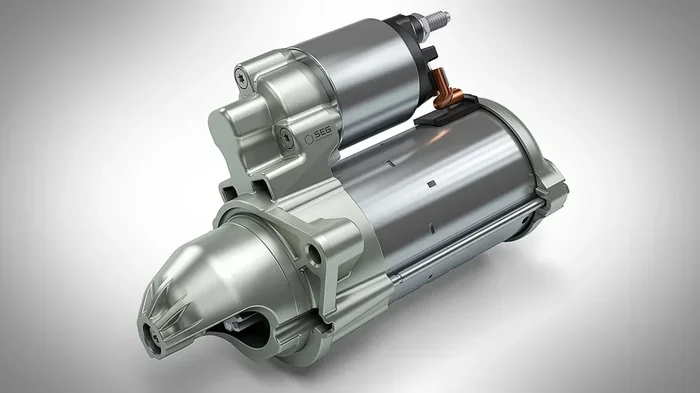
Before we dive into failure signs, it helps to understand the basics. A starter motor is an electric device that engages with the engine’s flywheel to crank it over. When you turn the ignition key, electrical current flows from the battery to the starter solenoid, which then activates the motor. The motor spins a small gear that meshes with the flywheel ring gear, turning the engine crankshaft.
Once the engine starts running, the starter disengages automatically. This whole process happens in seconds, but it puts a lot of mechanical and electrical stress on the starter components. Over time, brushes wear down, solenoids weaken, and gears erode. These are normal wear patterns, but they eventually lead to starter motor failure.
Key Components of a Starter System
- Starter Motor: The main electric motor that generates the cranking force.
- Solenoid: Acts as a switch that sends power to the motor and engages the gear.
- Drive Gear: The small gear that connects with the flywheel to turn the engine.
- Electrical Connections: Wires and terminals that carry current from the battery.
- Flywheel Ring Gear: The gear on the engine that the starter gear meshes with.
When any part of this system breaks down, you may experience intermittent starter problems or a complete failure. This is why diagnosing issues early is so important.
Do Starters Go Bad Without Warning?
The short answer is yes, but with a big asterisk. Some starters fail completely and suddenly, giving you zero warning. Other times, the decline is gradual and noticeable if you know what to watch for. The tricky part is that starter problems often mimic other issues, like a dead battery or faulty ignition switch.
Here is why starters can fail without clear warning:
- Internal wear is hidden: Brushes and bearings wear down inside the motor housing where you cannot see them.
- Electrical failures are inconsistent: A loose connection might work fine when the engine is cold but fail when hot.
- Solenoid degradation is gradual: The solenoid weakens over time rather than breaking all at once.
- Drivers adapt to small changes: A slightly slower crank or occasional click gets normalized over weeks or months.
The good news is that even sudden failures usually come with at least one or two subtle clues. The key is paying attention to changes in how your vehicle starts.
Common Signs Your Starter Is Going Bad
Recognizing the early symptoms of starter motor failure gives you time to address the problem before it leaves you stuck. Here are the most common warning signs to watch for.
1. Clicking Sound When You Turn the Key
A single click or rapid clicking when you turn the ignition is one of the most recognizable signs of a failing starter. The starter solenoid is trying to engage but cannot fully activate the motor. This often means the internal electrical contacts are worn or the solenoid is weakening.
If you hear clicking but the engine does not crank, do not keep trying to start the vehicle. Repeated attempts can drain your battery further and potentially damage the starter even more.
2. Slow or Sluggish Cranking
A healthy starter cranks the engine quickly and smoothly. If you notice the engine turns over slowly or labors to start, the starter motor may be losing power. This is especially common when the engine is cold, but it should improve once the engine warms up.
Slow cranking that gets worse over time is a clear indicator of internal wear. The brushes inside the motor are thinning, and the armature is not spinning as fast as it should.
3. Intermittent Starting Problems
One of the most frustrating issues is a starter that works sometimes and not others. You might start the car without a problem in the morning but face a no-start situation in the evening. Intermittent starter problems are often caused by a failing solenoid, bad electrical connection, or internal motor damage that worsens with heat.
This inconsistency makes diagnosis tricky because the problem may not show up during a quick inspection. A mechanic who specializes in starter motor repair can perform a load test to identify the issue.
4. Grinding Noise During Startup
A grinding or whining noise when you turn the key is never a good sign. This usually means the drive gear is not engaging properly with the flywheel ring gear. Worn gears, a damaged solenoid, or a misaligned starter can all cause this grinding sound.
Ignoring a grinding noise can lead to serious engine damage. The worn starter gear can chew into the flywheel, creating an expensive repair that goes beyond just replacing the starter.
5. Starter Stays Engaged After Starting
After the engine starts, the starter should disengage immediately. If you hear a grinding or whining noise that continues after the engine is running, the starter is not releasing properly. This is often caused by a stuck solenoid or a damaged drive gear.
Continued operation of the starter after the engine is running can cause overheating and permanent damage to both the starter and the flywheel.
6. Burning Smell or Smoke
A burning smell near the starter area is a serious warning sign. This can indicate overheating electrical connections, a short circuit, or a seized motor. If you smell something burning when you attempt to start the vehicle, stop trying immediately and have the vehicle inspected.
Smoke or a burning odor is a sign of significant electrical or mechanical failure that requires immediate attention.
What Causes Starters to Fail Prematurely?
Understanding the root causes of starter motor failure helps you take preventive steps. While normal wear and tear is inevitable, several factors can accelerate the process.
Battery Problems
A weak or dying battery puts extra strain on the starter motor. When the battery cannot deliver full voltage, the starter has to work harder to crank the engine. Over time, this additional strain wears out the motor components faster than normal.
Many drivers confuse battery problems with starter problems. Before replacing a starter, always check the battery health and electrical connections first.
Corroded or Loose Electrical Connections
The electrical connections to the starter carry high current. Corrosion on the terminals or loose cables restricts the flow of electricity, causing the starter to underperform or fail entirely. This is one of the most common and easily fixable causes of starter relay problems.
Regularly inspecting and cleaning the battery terminals and starter connections can prevent many electrical issues. A simple wire brush and a tightening of the cable clamps can make a huge difference.
Faulty Starter Relay
The starter relay acts as a switch that sends power from the battery to the starter motor. When the relay fails, the electrical signal never reaches the starter. This can cause a complete no-start condition that feels identical to a bad starter motor.
Relay failure is often caused by electrical surges, moisture intrusion, or simply age. Replacing a relay is much cheaper than replacing the entire starter motor.
Engine Mechanical Issues
Sometimes the problem is not the starter at all. A seized engine, hydrolocked cylinder, or broken timing chain can prevent the engine from turning over, making it look like the starter has failed. A mechanic can perform a manual engine rotation test to rule out engine mechanical problems.
Overheating and Thermal Stress
Starters generate a lot of heat during operation. Repeated cranking attempts, especially in cold weather, can cause the motor to overheat. Frequent short trips where the engine does not fully warm up also put extra stress on the starter system.
Vehicles used in extreme temperatures, whether hot or cold, often experience premature starter wear. The starter motor lifespan can be significantly shortened under these conditions.
How to Diagnose a Failing Starter
If you suspect your starter is going bad, there are several diagnostic steps you can take at home before visiting a mechanic. These checks help you confirm the problem and avoid unnecessary part replacements.
Step 1: Check the Battery
Start with the battery. Use a multimeter to measure the voltage across the terminals. A healthy battery should read 12.6 volts or higher when the engine is off. During cranking, the voltage should not drop below 10 volts. If the battery is weak, charge or replace it first before assuming the starter is the problem.
Step 2: Listen for Sounds
Turn the key and pay close attention to what you hear. A single loud click usually points to the solenoid or starter motor. A rapid clicking typically means the battery is low. A grinding noise suggests mechanical wear on the drive gear or flywheel.
Step 3: Test the Starter Circuit
You can test the starter directly by touching a screwdriver across the solenoid terminals. This bypasses the ignition switch and sends power directly to the starter. If the starter spins freely, the motor is good and the problem is likely in the ignition switch or wiring. If it does not spin, the starter needs replacement.
Note: This test should only be done by someone with basic electrical knowledge. Always take safety precautions to avoid injury.
Step 4: Inspect Electrical Connections
Look at the wiring connected to the starter. Check for corrosion, frayed wires, loose terminals, or signs of melting. Clean any corrosion with a wire brush and tighten all connections. Sometimes simply fixing a bad connection resolves the starting problem entirely.
Starter Replacement: Cost and Considerations
When a starter motor fails beyond repair, replacement becomes necessary. Understanding the costs involved helps you make informed decisions about whether to repair or replace.
Average Replacement Costs
The cost of a starter replacement varies depending on the vehicle make and model, the type of starter, and whether you do the work yourself. On average, expect to pay between $300 and $600 for parts and labor combined. The starter motor itself typically costs $100 to $300, while labor charges range from $200 to $400 at most repair shops.
Some vehicles have starters that are easy to access, making labor quick and affordable. Others require removing exhaust components or lifting the vehicle, which increases the labor time and cost.
DIY vs Professional Installation
If you have basic mechanical skills and the right tools, replacing a starter can be a manageable DIY project. Many starter motors bolt into place with just a few bolts and electrical connections. The main challenge is accessing the starter in tight engine compartments.
For vehicles where the starter is difficult to reach, professional installation is often the better choice. A certified mechanic ensures proper installation and can test the entire starting system to confirm the repair resolves the issue.
How Long Does a New Starter Last?
A quality starter motor typically lasts between 100,000 and 150,000 miles under normal driving conditions. However, this lifespan depends heavily on driving habits, electrical system health, and environmental conditions. Regular maintenance and a healthy battery can help your new starter last as long as possible.
How to Prevent Starter Problems
Prevention is always better than repair, and taking care of your starting system can extend its life significantly. Here are practical steps you can take to keep your starter healthy.
Maintain Your Battery
A strong battery reduces the workload on the starter motor. Keep your battery terminals clean, ensure proper charge levels, and replace the battery every 3 to 5 years. A well-maintained battery is the best thing you can do for your entire starting system.
Limit Excessive Cranking
If your engine does not start on the first try, wait at least 30 seconds before trying again. Continuous cranking puts heavy strain on both the battery and the starter motor. Let the system rest between attempts to prevent overheating.
Address Electrical Issues Promptly
Do not ignore dimming lights, slow power windows, or other electrical symptoms. These issues often indicate a weakening electrical system that affects the starter. Fixing electrical problems early prevents cascading damage to the starter and other components.
Keep the Engine in Good Condition
A well-maintained engine turns over more easily, reducing the stress on the starter. Regular oil changes, spark plug replacements, and engine tune-ups all contribute to a healthier starting system.
Protect Against Moisture
Moisture is the enemy of electrical connections. If you live in a humid or coastal area, consider applying dielectric grease to electrical terminals. This creates a protective barrier against corrosion and extends the life of your starting system.
Quick Tips for Identifying Starter Problems
- Test the lights: If your headlights are bright but the engine does not crank, the problem is likely the starter, not the battery.
- Tap the starter gently: A light tap with a wrench can sometimes free a stuck starter motor temporarily. This is a temporary fix, not a permanent solution.
- Check the fuse box: A blown starter fuse can mimic starter failure. Always inspect fuses before replacing expensive parts.
- Use a multimeter: Testing voltage at the starter terminals gives you clear data to confirm or rule out electrical issues.
- Keep a roadside emergency kit: A portable jump starter can help you get home if your starter fails unexpectedly.
Common Mistakes People Make With Starter Problems
Even well-meaning car owners make mistakes when dealing with starting issues. Here are the most common ones to avoid.
- Assuming it is always the battery: Many people replace a perfectly good battery when the real problem is a failing starter. Always test both components before replacing either one.
- Continuing to crank the engine: Repeated attempts to start a vehicle with a bad starter can drain the battery completely and damage the flywheel ring gear.
- Ignoring early warning signs: A slight delay in cranking or an occasional click seems minor, but these are the early stages of starter failure. Address them promptly.
- Buying the cheapest replacement part: Low-quality starters may save money upfront but often fail much sooner. Invest in a reliable brand with a solid warranty.
- Skipping the electrical inspection: Corroded or loose connections are the leading cause of false starter diagnoses. Always check the wiring first.
Expert Insights on Starter Longevity
Experienced mechanics agree that starter motor lifespan is heavily influenced by how you use and maintain your vehicle. Vehicles that are driven regularly and kept in good electrical condition tend to have starters that last well beyond the average lifespan.
One common insight from seasoned technicians is that the starter solenoid is the first component to show signs of wear. Solenoid replacement alone is sometimes possible, saving the cost of a full starter replacement. However, on many modern vehicles, the solenoid is integrated into the starter assembly, making full replacement necessary.
Another expert tip is to pay attention to your vehicle’s electrical system health overall. A parasitic draw that slowly drains your battery overnight puts constant stress on the starting system. Addressing electrical drain issues can add years to your starter’s life.
Finally, experts recommend keeping records of all starting system repairs and maintenance. This history helps you identify patterns and predict when a starter might need attention in the future.
Key Takeaways
- Starters can fail suddenly or gradually: Some give clear warning signs, while others fail with no notice at all.
- Clicking sounds and slow cranking are the most common symptoms: These indicate electrical or mechanical wear inside the starter motor.
- Intermittent problems are easy to ignore: A starter that works sometimes but not others is a red flag you should never overlook.
- Battery and starter issues are often confused: Knowing the difference saves you time and money on misdiagnosed repairs.
- Regular maintenance extends starter life: Clean electrical connections and a healthy battery reduce starter strain significantly.
- Replacement costs vary widely: DIY repair can save hundreds, but professional help ensures proper installation.
- Early detection prevents roadside breakdowns: Catching starter problems early keeps you safe and your budget intact.
Conclusion
The question of whether starters go bad without warning does not have a simple yes or no answer. The reality is that starters can fail both suddenly and gradually, and the difference often comes down to how well you maintain your vehicle and how attentive you are to early warning signs.
By understanding the common symptoms of a failing starter, staying on top of battery and electrical maintenance, and addressing small issues before they become big problems, you can significantly reduce the risk of unexpected starting failure. The most important thing you can do is pay attention to changes in how your vehicle starts. A slight delay, an unusual sound, or an intermittent problem is your vehicle telling you something is wrong.
Take the time to learn your vehicle’s normal starting behavior. When something feels different, investigate it promptly. Whether you handle the diagnosis yourself or visit a trusted mechanic, early action on starter motor failure symptoms saves you from the stress and expense of being stranded with a vehicle that will not start.
Keep this guide handy, share it with fellow car owners, and remember that a little attention goes a long way toward keeping your starter and your entire starting system working reliably for years to come.
Frequently Asked Questions
Can a bad starter drain your battery?
Yes, a starter that stays engaged or draws excess current can drain your battery over time. If you notice your battery dying frequently, a failing starter could be the cause. Have both the battery and the starting system tested to identify the root problem.
How long does a starter motor typically last?
Most starter motors last between 100,000 and 150,000 miles, but this varies based on driving habits, electrical system health, and maintenance. Regular battery care and clean electrical connections help extend the starter’s lifespan significantly.
Can you drive with a bad starter?
No, a bad starter will eventually prevent your vehicle from starting altogether. While you might get lucky with intermittent issues, driving with a known starter problem risks being stranded. Have the starter inspected and replaced as soon as possible.
What is the difference between a bad starter and a bad battery?
A bad battery usually causes slow cranking or no cranking at all, and the lights may dim when you turn the key. A bad starter often produces a clicking sound or grinding noise with no cranking. A simple battery test can help you distinguish between the two issues quickly.
Is it safe to tap a starter to get it working?
Tapping a starter can temporarily free a stuck component, but it is not a real fix. This method should only be used in emergencies to get you to a repair shop. Relying on this trick can mask a deeper problem that will get worse over time.
How much does it cost to replace a starter motor?
The average cost for a starter replacement ranges from $300 to $600, including parts and labor. The starter motor itself costs $100 to $300, while labor typically runs $200 to $400. DIY installation can save you the labor cost entirely if you are comfortable with the work.