Can You Flood a Fuel-Injected Car And How To Fix It
Yes, you can flood a fuel-injected car, even though modern engines are designed to resist flooding better than older carbureted models. A flooded engine happens when too much fuel enters the combustion chamber and dilutes the air-fuel mixture. In this guide, you will learn the causes, symptoms, and step-by-step fixes to get your car running again.
You are standing in the driveway, turning the key, and nothing happens. Or worse, the engine cranks and cranks but just refuses to catch. You wonder, can you flood a fuel-injected car? Most people think flooding only happens to old carbureted vehicles from the 1980s. But the truth is, modern fuel-injected engines can flood too.
The good news is that fuel-injected cars are much less prone to flooding than their older counterparts. The fuel injection system is far more precise, and the engine control unit (ECU) manages the air-fuel mixture carefully. But precision does not mean perfection. A flooded engine can still happen under certain conditions. And when it does, knowing what to do makes all the difference.
This article will walk you through everything you need to know. We will cover what causes flooding in a fuel-injected engine, how to recognize the symptoms, and exactly how to fix it. By the end, you will feel confident handling this common problem on your own.
Key Takeaways
- Fuel-injected cars can still flood: Despite advanced technology, excessive fuel delivery or ignition issues can cause flooding.
- Common causes include: Bad spark plugs, faulty fuel injectors, a stuck fuel pressure regulator, or repeated failed start attempts.
- Watch for these symptoms: Strong fuel odor, black exhaust smoke, engine cranks but won’t start, and a rough idle.
- Fix it yourself: You can often resolve a flooded engine by holding the accelerator to the floor and cranking the engine for 10 seconds.
- Prevention is simple: Proper maintenance of spark plugs, fuel injectors, and the fuel injection system goes a long way.
- Know when to call a pro: Persistent flooding or fuel leaks require professional diagnosis.
- Don’t keep cranking: Repeated attempts can flood the engine further and damage the ignition system.
📑 Table of Contents
- Understanding How Fuel Injection Works
- Can You Actually Flood a Fuel-Injected Car?
- Signs Your Fuel-Injected Car Is Flooded
- How to Fix a Flooded Fuel-Injected Car
- Prevention Tips to Avoid Fuel-Injected Engine Flooding
- When to Call a Professional Mechanic
- Common Mistakes People Make When Dealing with a Flooded Engine
- Expert Insight on Fuel-Injected Engine Flooding
- Key Takeaways
- Conclusion
Understanding How Fuel Injection Works
Before we dive into flooding, it helps to understand how a fuel injection system actually works. Once you see the process, the causes of flooding will make much more sense.
The Basics of Fuel Injection
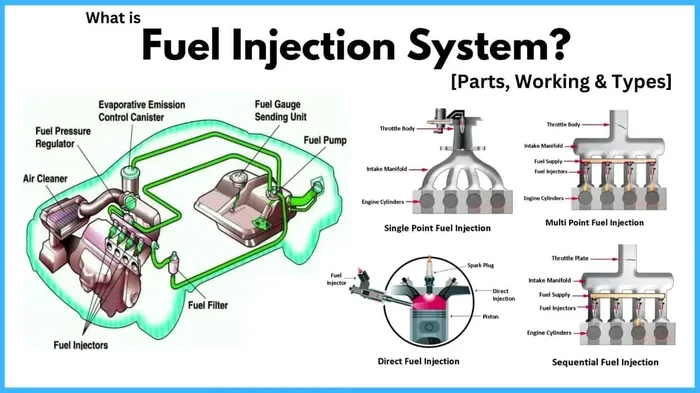
A fuel-injected engine delivers gasoline directly into the combustion chamber or intake manifold through fuel injectors. These are small, electronically controlled valves that spray a precise mist of fuel. The ECU controls the timing and amount of fuel based on inputs from sensors throughout the engine.
Key sensors include the mass airflow sensor, the oxygen sensor, and the throttle position sensor. Together, they tell the ECU exactly how much fuel the engine needs at any given moment. This is why fuel injection replaced the carburetor. A carburetor relies on vacuum and mechanical forces, which are far less precise.
Why Fuel Injection Reduces Flooding
In a carbureted engine, fuel mixes with air before entering the engine. Too much fuel can easily overwhelm the mixture. This is why carbureted cars flood so often, especially in cold weather.
A fuel-injected engine avoids this problem in most cases. The injectors spray a controlled amount of fuel directly where it is needed. The ECU constantly adjusts the air-fuel mixture to keep things balanced. So flooding is less common, but it is not impossible.
Can You Actually Flood a Fuel-Injected Car?
The short answer is yes. Even though fuel-injected engines are smarter and more efficient, they are not immune to flooding. Understanding why helps you prevent it and fix it faster.
What Causes Flooding in Fuel-Injected Engines
Several things can lead to a flooded engine in a fuel-injected car. Here are the most common causes:
- Repeated failed start attempts: Each time you turn the key and the engine does not start, the fuel injectors keep spraying fuel into the cylinders. Over time, this builds up excess fuel in the combustion chamber.
- Faulty fuel injectors: If a fuel injector is stuck open or leaking, it delivers too much fuel. This throws off the air-fuel mixture and can flood the engine.
- Bad spark plugs: Worn or fouled spark plugs cannot ignite the fuel properly. Unburned fuel accumulates in the cylinders, leading to flooding.
- Stuck or failed fuel pressure regulator: This part controls how much fuel goes to the injectors. If it fails, too much fuel enters the system.
- Cold start enrichment: Modern engines inject extra fuel during cold starts. If the engine does not warm up properly or the sensors are faulty, too much fuel remains in the system.
- Faulty coolant temperature sensor: This sensor tells the ECU how cold the engine is. If it sends wrong readings, the ECU may add too much fuel.
Is a Flooded Fuel-Injected Engine the Same as a Carbureted One?
Not exactly. A carbureted engine floods because the mechanical fuel delivery system over-delivers fuel. A fuel-injected engine floods more often because of electronic or sensor failures rather than mechanical ones.
The symptoms are similar, but the fixes can be different. With a fuel-injected car, you may need to address sensor issues or replace faulty components like the fuel pressure regulator or fuel injectors.
Signs Your Fuel-Injected Car Is Flooded
Knowing the symptoms early can save you a lot of frustration. Here is what to look for when you suspect a flooded engine:
The Strong Fuel Odor
One of the most obvious signs is a strong gasoline smell around the car. You might notice it near the exhaust or under the hood. This happens because unburned fuel is escaping through the exhaust system or pooling in the engine bay.
Black Exhaust Smoke
If you see thick black smoke coming from the exhaust, that is a classic sign of a rich fuel mixture. The engine is burning too much fuel and not enough air. This often points to a flooded engine or a problem with the fuel injection system.
Engine Cranks but Won’t Start
This is the most common symptom. You turn the key, the starter motor spins the engine, but it just will not fire up. The spark plugs may be wet with fuel, preventing proper ignition.
Rough or Irregular Idle
Even if the engine does start after flooding, it may run rough at first. You might notice uneven idling or hesitation when you press the accelerator. This happens because the air-fuel mixture is still out of balance.
Failure to Start After Sitting Overnight
Some fuel-injected cars develop a condition where fuel seeps past the injectors while the engine is off. This is called drain-back. When you try to start the car in the morning, the excess fuel causes flooding symptoms.
How to Fix a Flooded Fuel-Injected Car
Now for the part you have been waiting for. How do you actually fix a flooded fuel-injected engine? The good news is that most cases can be resolved without a trip to the mechanic.
Step 1: Do Not Keep Cranking the Engine
This is the most important rule. When a fuel-injected car floods, your first instinct is to keep turning the key. Resist that urge. Every time you crank the engine, the fuel injectors spray more fuel into the cylinders. This makes the flooding worse.
Wait at least 30 seconds between attempts. This gives the excess fuel time to evaporate.
Step 2: Depress the Accelerator All the Way
Press the gas pedal to the floor and hold it there. This opens the throttle plate wide, allowing maximum air into the engine. The increased airflow helps clear the excess fuel from the combustion chamber.
In older fuel-injected cars, this action signals the ECU to cut fuel delivery temporarily. This is called the clear flood mode or enrichment reset.
Step 3: Crank the Engine for 10 Seconds
With the accelerator still pressed to the floor, turn the key and crank the engine for about 10 seconds. Do not hold the key for longer than that. If the engine does not start, release the key and wait 30 seconds.
Repeat this process if needed. Most of the time, the engine will catch after a few attempts.
Step 4: Let the Engine Idle
Once the engine starts, do not immediately take off. Let it idle for a few minutes. This allows the ECU to rebalance the air-fuel mixture and for the remaining excess fuel to burn off.
You may notice the idle is rough at first. That is normal. Give it a few minutes to smooth out.
Step 5: Check the Spark Plugs
If the engine keeps flooding, your spark plugs may be the culprit. Remove them and inspect for fuel fouling. Wet, black, or fouled spark plugs need to be cleaned or replaced.
While you are at it, check the gap on the plugs. Incorrect gaps can cause misfires that contribute to flooding.
Step 6: Inspect the Fuel Injectors
If the problem persists, the fuel injectors may be leaking or stuck open. A mechanic can perform a fuel injector test to check for proper operation. In some cases, cleaning or replacing the injectors resolves the issue.
Quick Tips for Fixing a Flooded Engine
- Never pump the gas pedal in a fuel-injected car. The ECU manages the throttle automatically.
- Keep the engine running for a few minutes after it starts to clear residual fuel.
- If you smell strong gasoline, do not attempt to start the car immediately. Let it ventilate.
- Keep a spare set of spark plugs in your trunk for emergencies.
Prevention Tips to Avoid Fuel-Injected Engine Flooding
Preventing a flooded engine is much easier than fixing one. Here are some simple habits that can save you time and money:
Maintain Your Spark Plugs Regularly
Worn spark plugs are one of the leading causes of flooding. Replace them according to your vehicle’s maintenance schedule. Most manufacturers recommend replacement every 30,000 to 100,000 miles, depending on the type of plug.
Use Quality Fuel
Cheap or contaminated fuel can clog fuel injectors and affect the fuel injection system performance. Stick with reputable gas stations and consider using a fuel system cleaner every few thousand miles.
Pay Attention to Warning Signs
If your car starts acting differently, do not ignore it. A rough idle, decreased fuel economy, or difficulty starting can all be early signs of a problem with the fuel injectors or sensors. Addressing these early prevents bigger issues like flooding.
Avoid Short Trips When Possible
Short trips do not give the engine enough time to reach full operating temperature. This can lead to fuel buildup and incomplete combustion. If you can, combine errands into longer trips.
Keep the Fuel System Clean
Regular fuel system maintenance keeps everything running smoothly. This includes replacing the fuel filter on schedule and using fuel additives to prevent carbon buildup on the fuel injectors and intake valves.
When to Call a Professional Mechanic
Most cases of a flooded fuel-injected engine can be fixed at home. But sometimes, the problem runs deeper. Here are signs that you need professional help:
- The engine floods repeatedly despite following the fix steps.
- You notice a fuel leak under the car or around the engine bay.
- The check engine light is on and flashing.
- The fuel odor is extremely strong and does not go away.
- The engine runs rough even after you clear the flood.
A professional mechanic has diagnostic tools that can read error codes from the ECU. These tools can pinpoint exactly which sensor or component is causing the flooding. It is always better to get a proper diagnosis than to keep guessing.
Common Mistakes People Make When Dealing with a Flooded Engine
Pumping the Gas Pedal Repeatedly
This is the number one mistake. In a fuel-injected car, pumping the gas pedal does nothing useful. The ECU controls fuel delivery electronically. Pumping the pedal can actually confuse the system and make things worse.
Ignoring the Problem
Some people try to start the car over and over without waiting. This just adds more fuel to the already flooded engine. Patience is key. Let the excess fuel evaporate before trying again.
Assuming It Is Always Flooding
Not every no-start situation is caused by flooding. A dead battery, a failed starter motor, or a clogged fuel filter can cause similar symptoms. Make sure you are actually dealing with a flooded engine before applying the fix.
Skipping Spark Plug Maintenance
Many drivers forget about spark plugs until there is a problem. Regular maintenance of your ignition system is one of the best ways to prevent flooding and other engine issues.
Expert Insight on Fuel-Injected Engine Flooding
According to automotive technicians, most cases of flooding in fuel-injected cars are caused by human error. Repeated start attempts without waiting, bad spark plugs, or neglected maintenance are the top culprits. The fuel injection system in modern cars is designed to be self-correcting. When it does malfunction, it is usually because a supporting component has failed.
One technician shared that the most common fix he sees is simply holding the accelerator to the floor and cranking for 10 seconds. About 80% of the time, that alone resolves the issue. The remaining 20% require spark plug replacement or fuel injector cleaning.
The takeaway is clear. Most flooding incidents are preventable with basic maintenance and the right starting technique. A little knowledge goes a long way in keeping your engine healthy and flood-free.
Key Takeaways
Understanding the Air-Fuel Mixture
The heart of a fuel-injected engine is the air-fuel mixture. When this balance is off, problems occur. Too much fuel and too little air creates a rich mixture. This is what happens during flooding. The engine gets choked with fuel and cannot ignite properly.
The ECU is designed to maintain this balance. But it relies on sensors and components that can fail over time. Keeping those parts in good shape is essential for preventing flooding.
The Role of the ECU
The engine control unit is essentially the brain of your fuel-injected car. It constantly monitors and adjusts the fuel delivery based on real-time data. When a sensor sends bad data or a component fails, the ECU cannot do its job properly.
Understanding this helps you see why flooding happens in modern cars. It is rarely just one thing. Usually, it is a combination of factors like worn spark plugs, a bad sensor reading, and repeated start attempts.
Flooding vs. Vapor Lock
It is worth mentioning that flooding is different from vapor lock. Vapor lock occurs when fuel turns to gas in the fuel lines before reaching the injectors. This is more common in older cars with mechanical fuel pumps. Fuel-injected cars rarely experience vapor lock because of their electric fuel pumps and sealed fuel systems.
Both conditions cause starting problems, but they have different causes and fixes. Make sure you are dealing with actual flooding before applying the steps in this article.
Conclusion
So, can you flood a fuel-injected car? Absolutely. While modern fuel injection systems are far more reliable than old carburetors, they are not immune to flooding. Excess fuel, bad spark plugs, faulty sensors, and repeated failed start attempts can all lead to a flooded engine.
The good news is that fixing a flooded fuel-injected car is usually straightforward. Hold the accelerator to the floor, wait between attempts, and let the engine idle after it starts. These simple steps resolve most flooding issues quickly and easily.
Prevention is even better. Keep your spark plugs fresh, maintain your fuel injectors, and use quality fuel. These habits will keep your engine running smoothly and help you avoid the frustration of a flooded engine.
Next time your car cranks but won’t start, don’t panic. You now know what to do. Take a deep breath, follow the steps, and get back on the road.
Frequently Asked Questions
Can a fuel-injected car flood in cold weather?
Yes, cold weather can contribute to flooding. During cold starts, the ECU injects extra fuel to help the engine warm up. If the sensors or injectors are not working properly, too much fuel enters the cylinders. This is especially common when spark plugs are worn or fouled.
How long does it take to clear a flooded fuel-injected engine?
In most cases, a flooded engine clears within 5 to 10 minutes. Holding the accelerator to the floor and cranking the engine for 10 seconds at a time usually does the trick. If the engine does not start after a few attempts, give it a longer rest to let the excess fuel evaporate.
What is the difference between a flooded engine and a dead battery?
A flooded engine will crank normally but just will not start. You may smell gasoline or see black smoke. A dead battery, on the other hand, produces a slow or no-crank response when you turn the key. The two problems feel very different and require different fixes.
Can bad spark plugs cause a fuel-injected car to flood?
Yes, absolutely. Worn or fouled spark plugs cannot ignite the fuel properly. This leads to unburned fuel accumulating in the cylinders, which causes flooding. Regular spark plug maintenance is one of the best ways to prevent this issue.
Is it safe to drive a fuel-injected car that has been flooded?
Once you clear the flood and the engine starts, it is generally safe to drive. However, let the engine idle for a few minutes first. This allows the ECU to rebalance the air-fuel mixture. If the engine still runs rough or the check engine light comes on, have it inspected before driving long distances.
How can I prevent my fuel-injected car from flooding?
Regular maintenance is the best prevention. Replace spark plugs on schedule, use quality fuel, and avoid repeated failed start attempts. Also, pay attention to warning signs like rough idling or decreased fuel economy. Catching problems early prevents bigger issues like engine flooding.