How Many MPG Does a Tesla Get Compared to Other Cars
So how many MPG does a Tesla get? Since Teslas are electric vehicles, they don’t use gas at all — but they do have an MPGe rating that compares their energy use to a gas car’s fuel economy. The Tesla Model 3 delivers around 132 MPGe, while the Model Y hits about 120 MPGe. Compared to the average gas car that gets 25-30 MPG, a Tesla is far more electric vehicle efficient and costs much less to run.
If you have ever wondered how many MPG does a Tesla get, you are not alone. It is one of the most common questions people ask when they start looking at electric vehicles. The answer might surprise you. Teslas do not burn gasoline, so they do not have a traditional MPG number. But they do have something called MPGe, which stands for miles per gallon equivalent. This number tells you how efficient a Tesla is compared to a gas car.
In this guide, we will break down the Tesla MPG equivalent for every current model. We will compare Teslas to gas cars side by side. We will also look at what affects efficiency, why it matters for your wallet, and how you can get the most out of your Tesla. Whether you are thinking about buying a Tesla or just curious about electric vehicle efficiency, this article has you covered.
Key Takeaways
- Tesla doesn’t use gas: Teslas are electric cars, so they don’t have a traditional MPG rating. Instead, they use MPGe.
- Tesla Model 3 leads the pack: With around 132 MPGe, the Model 3 is one of the most efficient sedans on the road.
- All Tesla models beat gas cars: Every Tesla model has a higher MPGe than the average gas-powered vehicle.
- Efficiency saves money: Driving a Tesla costs far less per mile than driving a gas car.
- Driving habits matter: Speed, temperature, and terrain all affect how efficient your Tesla really is.
- MPGe is not the same as MPG: MPGe measures energy use, not gallons of fuel burned.
- Tesla efficiency ratings keep improving: Newer models and updates make Teslas even more efficient over time.
📑 Table of Contents
What Does MPG Mean for Electric Cars?
When we talk about how many MPG does a Tesla get, we need to understand what MPGe actually means. Traditional MPG measures how many miles a gas car can run on one gallon of fuel. Electric cars do not use gallons of gas. So the EPA came up with a clever way to compare them.
Understanding MPGe
MPGe stands for miles per gallon equivalent. It measures how far an electric car can travel using the same amount of energy as one gallon of gasoline. One gallon of gasoline contains about 33.7 kilowatt hours of energy. So if a Tesla can travel 132 miles on 33.7 kWh of electricity, it gets 132 MPGe. Simple, right?
This MPGe rating helps buyers compare electric cars to gas cars on a level playing field. It is not a perfect comparison, but it gives you a good idea of efficiency. The higher the MPGe, the less energy the car uses. And the less energy it uses, the less it costs to charge.
Here are some key things to keep in mind about MPGe vs MPG:
- MPGe measures energy use, not actual fuel burned.
- A higher MPGe means better efficiency.
- MPGe does not tell you the full cost story. Electricity prices vary by location.
- Real-world efficiency can differ from EPA ratings.
Now that you understand the basics, let us look at the actual numbers for each Tesla model.
How Many MPG Does a Tesla Get — By Model
The Tesla MPG equivalent varies by model. Each Tesla has a different battery size, motor power, and weight. These factors all play a role in how efficient the car is. Here is a closer look at the numbers.
Tesla Model 3 MPG Equivalent
The Tesla Model 3 is the most efficient Tesla sedan currently available. The rear-wheel-drive version delivers an estimated 132 MPGe. The long-range all-wheel-drive version comes in at around 131 MPGe. These numbers make the Model 3 one of the most fuel-efficient cars you can buy, period.
In real-world driving, many Model 3 owners report getting even more efficient results. Factors like smooth driving, proper tire pressure, and using regenerative braking all help boost Tesla range and efficiency.
Tesla Model Y MPG Equivalent
The Tesla Model Y is a compact SUV. It is bigger and heavier than the Model 3, so it is not quite as efficient. The rear-wheel-drive Model Y gets around 120 MPGe. The long-range all-wheel-drive version sits at about 117 MPGe.
Even with those slightly lower numbers, the Model Y still crushes most gas-powered SUVs. The average gas SUV gets around 25 to 30 MPG. The Model Y is more than three times as efficient when you compare MPGe to MPG.
Tesla Model S MPG Equivalent
The Tesla Model S is the luxury sedan in the Tesla lineup. It is bigger, heavier, and more powerful. The Model S gets around 120 MPGe for the base model. The Plaid version is slightly less efficient due to its extra power and performance focus.
Despite being a large luxury car, the Model S still beats nearly every gas sedan on the market. Its electric car efficiency is remarkable given its size and performance capabilities.
Tesla Model X MPG Equivalent
The Tesla Model X is the luxury SUV. It has falcon-wing doors, three rows of seating, and a lot of weight to move. The Model X gets around 102 MPGe. That is still very respectable for a full-size luxury SUV.
Most gas-powered full-size SUVs struggle to break 25 MPG. The Model X is nearly four times more efficient in energy terms. This is one of the biggest advantages of EV efficiency over traditional combustion engines.
Quick Comparison Table
| Tesla Model | MPGe Rating | Avg. Gas Car MPG | Efficiency Advantage |
|---|---|---|---|
| Model 3 (RWD) | 132 MPGe | 28-32 MPG | ~4x more efficient |
| Model Y (RWD) | 120 MPGe | 25-28 MPG | ~4x more efficient |
| Model S | 120 MPGe | 28-35 MPG | ~3.5x more efficient |
| Model X | 102 MPGe | 20-25 MPG | ~4x more efficient |
As you can see, every Tesla model delivers a much higher efficiency rating than comparable gas cars. This is the beauty of electric powertrains. They convert energy to motion far more effectively than combustion engines ever could.
Tesla MPG Compared to Gas Cars
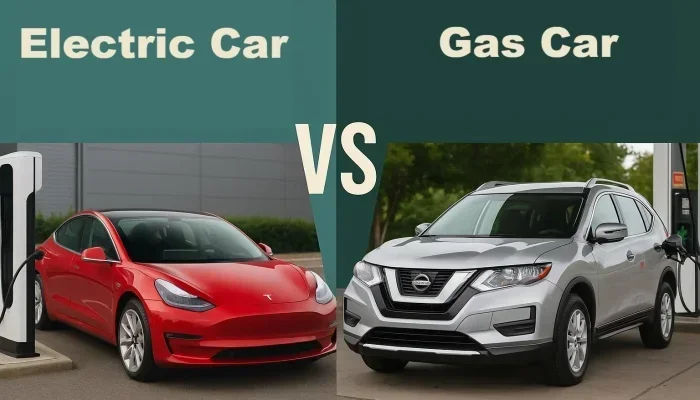
To really understand how many MPG does a Tesla get, you need to see the comparison in real terms. Let us put it this way. The average new gas car in the United States gets about 25 to 30 MPG. The average gas SUV gets around 22 to 28 MPG.
A Tesla Model 3, with its 132 MPGe, is more than four times as efficient. Even the least efficient Tesla, the Model X, still outperforms most gas cars by a wide margin. This is not a close competition.
Here are some key comparison points:
- Energy conversion: Electric motors convert about 85-90% of energy to motion. Gas engines convert only about 20-30%.
- Regenerative braking: Teslas recover energy when you slow down. Gas cars waste that energy as heat.
- No idling waste: Electric motors use zero energy when stopped. Gas engines burn fuel even at a red light.
- Fewer moving parts: Less mechanical friction means less energy lost.
The fuel economy comparison is clear. Teslas win by a landslide when it comes to efficiency. But efficiency is only one piece of the puzzle. Let us look at what this means for your daily driving costs.
Factors That Affect Tesla Efficiency
While Tesla models all have strong MPGe ratings, your real-world efficiency can vary. Several factors play a role in how many miles you actually get per kilowatt hour. Understanding these factors can help you maximize your Tesla’s range and efficiency.
Driving Speed
Speed has a huge impact on Tesla range and efficiency. Driving at 70 mph uses more energy than driving at 55 mph. Aerodynamic drag increases significantly at higher speeds. If you want the best efficiency, try to keep your speed steady and moderate.
Temperature and Weather
Cold weather can reduce your Tesla’s efficiency by 20-40%. The battery has to work harder to stay warm. Heating the cabin also uses energy. In hot weather, running the air conditioning also takes a toll on electric vehicle efficiency.
Tip: Precondition your Tesla while it is still plugged in. This warms or cools the battery without draining it.
Terrain and Elevation
Driving in hilly or mountainous areas uses more energy. Going uphill drains the battery faster. However, going downhill can actually recharge the battery slightly through regenerative braking. Overall, flat terrain gives you the best miles per gallon equivalent.
Tire Pressure and Maintenance
This sounds simple, but it matters. Underinflated tires create more rolling resistance. That means your Tesla uses more energy to move. Check your tire pressure regularly. Keep it at the level recommended by Tesla. Proper maintenance keeps your car running at peak EV efficiency.
Driving Style
Aggressive acceleration and hard braking waste energy. Smooth, gentle driving gets the best results. Use cruise control on highways. Anticipate stops so you can coast and let regenerative braking do its job. These small habits add up to significant energy savings over time.
Why Tesla MPG Matters for Your Wallet
Efficiency is not just a number on a sticker. It directly affects how much money you spend on fuel — or in this case, electricity. When you understand how many MPG does a Tesla get, you can see the real financial benefits of going electric.
Let us do some quick math. The average American drives about 13,500 miles per year. If you drive a gas car that gets 28 MPG, you will use about 482 gallons of gas per year. At $3.50 per gallon, that is roughly $1,687 per year in fuel costs.
Now compare that to a Tesla Model 3. Charging a Tesla at home costs about $0.13 per kilowatt hour. The Model 3 uses about 25 kWh per 100 miles. For 13,500 miles, that is about 3,375 kWh. At $0.13 per kWh, your annual charging cost is around $439.
That is a savings of over $1,200 per year. And that is just on fuel. Electric cars also have lower maintenance costs. No oil changes. No transmission repairs. Fewer brake replacements thanks to regenerative braking. Over five years, the electric car savings can add up to thousands of dollars.
Here is a quick breakdown of the cost advantage:
- Fuel cost: Tesla costs about 60-70% less per mile than gas cars.
- Maintenance: Fewer moving parts means fewer things to fix.
- Tax incentives: Federal and state credits can reduce the purchase price.
- Resale value: Teslas tend to hold their value well.
The cost per mile for a Tesla is typically between $0.03 and $0.05. For a gas car, it is usually between $0.10 and $0.15. That difference really adds up over time.
Expert Tips to Maximize Your Tesla’s Efficiency
Want to squeeze every last mile out of your Tesla? Here are some practical tips from experienced Tesla owners and EV experts.
1. Use Scheduled Departure Charging
Set your Tesla to charge right before you leave. This ensures the battery is at the perfect temperature for efficiency. It also lets you take advantage of off-peak electricity rates, which can save you even more money.
2. Keep Your Tire Pressure Perfect
Check your tire pressure at least once a month. Even a few PSI below the recommended level can reduce your range by several miles. Proper pressure gives you the best Tesla range and handling.
3. Use the Tesla App to Monitor Efficiency
The Tesla app shows your real-time and historical efficiency data. You can see your miles per kilowatt hour and compare trips. Use this data to adjust your driving habits and improve over time.
4. Plan Your Routes Wisely
Use Tesla’s built-in navigation to find the most efficient route. The system considers elevation, traffic, and weather. It also plans charging stops if needed. A smart route can make a big difference in your overall energy consumption.
5. Reduce Excess Weight
Extra weight uses more energy. Remove roof racks when you are not using them. Keep your trunk lean. Every extra pound means your battery has to work a little harder.
Common Mistakes That Reduce Tesla Efficiency
There are a few things that Tesla owners do without realizing they are hurting efficiency. Avoiding these mistakes can help you get the most out of your car.
- Ignoring tire pressure: Underinflated tires are the #1 hidden efficiency killer.
- Speeding on highways: Driving 80 mph instead of 65 mph can reduce range by 15-20%.
- Using seat heaters and AC aggressively: These systems draw significant power. Use them wisely.
- Leaving the car plugged in all the time at 100%: Keeping the battery at full charge for days can degrade it slightly.
- Hard acceleration: Flooring the accelerator wastes energy. Smooth driving is efficient driving.
By avoiding these common pitfalls, you can keep your Tesla running at its best. You will get more range, better performance, and lower charging costs.
Conclusion
So, how many MPG does a Tesla get? The answer is that Teslas do not use MPG at all. They use MPGe, which stands for miles per gallon equivalent. And the numbers speak for themselves. The Tesla Model 3 gets around 132 MPGe, the Model Y gets about 120 MPGe, and even the largest Tesla SUVs deliver over 100 MPGe.
Every Tesla model is significantly more efficient than the average gas car. This means lower fuel costs, less maintenance, and a smaller environmental footprint. Electric vehicle efficiency is one of the biggest advantages of going electric, and Tesla leads the industry in this area.
If you are considering a Tesla, the efficiency numbers alone are a strong reason to make the switch. Combine that with the savings on fuel and maintenance, and the case for a Tesla becomes even stronger. Whether you choose the Model 3, Model Y, Model S, or Model X, you are getting a car that is built to be efficient, smart, and fun to drive.
Understanding how many MPG does a Tesla get is the first step. The next step is experiencing it for yourself. Once you go electric, you will never look back.
Frequently Asked Questions
Do Teslas actually have an MPG rating?
No, Teslas do not have a traditional MPG rating because they do not use gasoline. Instead, they are rated in MPGe, which stands for miles per gallon equivalent. This number compares the energy used by the Tesla to the energy in one gallon of gasoline.
What is the most efficient Tesla model?
The Tesla Model 3 is the most efficient Tesla currently available, with a rating of around 132 MPGe. Its smaller size, lighter weight, and aerodynamic design make it the champion of Tesla efficiency in the lineup.
How does cold weather affect Tesla MPG?
Cold weather can reduce a Tesla’s efficiency by 20-40%. The battery needs more energy to stay warm, and heating the cabin also draws power. Preconditioning the car while plugged in can help minimize this impact.
Is MPGe the same as real-world range?
No, MPGe is a standardized rating, not a guarantee of real-world range. Your actual range depends on driving speed, temperature, terrain, and driving style. However, MPGe is still a useful tool for comparing efficiency across different vehicles.
How much money can I save by driving a Tesla instead of a gas car?
Most Tesla owners save between $1,000 and $1,500 per year on fuel costs alone. When you factor in lower maintenance costs, the total savings can be even higher. Over the lifetime of the car, the savings can reach several thousand dollars.
Can I improve my Tesla’s efficiency rating?
Yes! Smooth acceleration, steady highway speeds, proper tire pressure, and using regenerative braking all help improve your Tesla’s real-world efficiency. Small changes in how you drive can make a noticeable difference in your miles per kilowatt hour.