How Many Gallons Does a Jeep Renegade Fuel Tank Hold
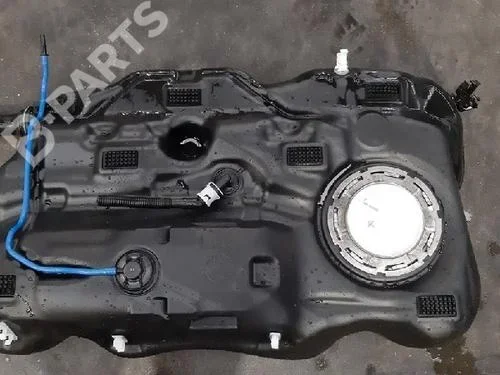
The Jeep Renegade fuel tank holds approximately 12.7 gallons of gasoline, giving drivers a solid range for daily commutes and weekend adventures. This compact SUV fuel capacity balances size and efficiency, making it a popular choice among buyers who want a small but capable vehicle. Understanding your Jeep Renegade fuel tank size helps you plan road trips, estimate fill-up costs, and get the most out of every gallon.
Key Takeaways
- Standard Capacity: The Jeep Renegade fuel tank holds about 12.7 gallons across most model years and trims.
- Solid Driving Range: With an average MPG of 25-30, you can expect 300-400 miles on a full tank depending on driving conditions.
- Multiple Engine Options: The 2.4-liter and 1.3-liter turbo engines offer different fuel economy ratings that affect your range.
- Hybrid Option Available: The Jeep Renegade 4xe plug-in hybrid combines electric power with a gas tank for even better efficiency.
- Simple Maintenance: Knowing your tank size makes it easy to track fuel usage and spot potential issues early.
- Smart Driving Habits: Small changes in driving style can significantly improve your gas mileage and extend your range.
📑 Table of Contents
- How Many Gallons Does a Jeep Renegade Fuel Tank Hold?
- Understanding the Jeep Renegade Fuel Tank Size
- Fuel Economy and MPG Ratings for the Jeep Renegade
- Driving Range: How Far Can You Go on a Full Tank?
- Tips to Maximize Your Jeep Renegade Fuel Tank
- Expert Insights on Jeep Renegade Fuel Efficiency
- Is the Jeep Renegade Fuel Tank Right for Your Lifestyle?
- Conclusion
How Many Gallons Does a Jeep Renegade Fuel Tank Hold?
If you are shopping for a compact SUV or already own a Jeep Renegade, one of the first practical questions you will ask is: how many gallons does a Jeep Renegade fuel tank hold? The answer is straightforward. Most Jeep Renegade models come with a fuel tank that holds approximately 12.7 gallons of gasoline. This number stays consistent across most model years, from the 2015 debut all the way through the latest 2024 versions.
Now, 12.7 gallons might not sound like a lot compared to larger trucks or SUVs. But for a compact crossover, this tank size is actually quite well thought out. It keeps the vehicle lightweight, which helps with handling and fuel economy. At the same time, it gives you enough range for daily errands, commutes, and even weekend road trips without constantly stopping for gas.
The fuel capacity of the Jeep Renegade plays a big role in how you use the vehicle. If you live in a city and do short drives, a 12.7-gallon tank will last you several days. If you are a highway cruiser, you will get even more miles out of each fill-up. Either way, knowing your tank size is the first step toward understanding your vehicle better.
In this guide, we will break down everything you need to know about the Jeep Renegade fuel tank. We will look at the exact capacity, how it compares to competitors, what affects your gas mileage, and simple tips to squeeze more miles out of every tank. Let us dive in.
Understanding the Jeep Renegade Fuel Tank Size
Standard Tank Capacity Across Model Years
The Jeep Renegade has been on the market since 2015, and through several refreshes and updates, the fuel tank has remained remarkably consistent. The standard fuel tank capacity for nearly all trims and engine options is 12.7 gallons. This includes the base Sport trim, the mid-range Latitude, the upscale Limited, and the performance-oriented Trailhawk edition.
Here is a quick look at what you can expect:
- 2015-2018 Models: 12.7-gallon tank with the 2.4-liter 4-cylinder engine.
- 2019-2021 Models: 12.7-gallon tank available with the 2.4-liter or the new 1.3-liter turbo engine.
- 2022-2024 Models: 12.7-gallon tank across all trims, including the 4xe hybrid variant.
Some owners have reported slight variations in the actual usable capacity due to manufacturing tolerances or fuel gauge calibration. However, 12.7 gallons is the official number listed in the vehicle specifications and owner’s manual. When you see the low fuel light come on, you typically have about 2 to 3 gallons of reserve fuel left, giving you a safety buffer to reach a gas station.
How Tank Size Compares to Other Compact SUVs
To put the Jeep Renegade fuel tank size in perspective, let us compare it with some popular competitors in the compact SUV segment. The table below shows how the Renegade stacks up against similar vehicles.
| Vehicle | Fuel Tank Capacity | Combined MPG | Est. Range (Miles) |
|---|---|---|---|
| Jeep Renegade | 12.7 gallons | 25-30 MPG | 318-381 miles |
| Ford EcoSport | 13.0 gallons | 24-29 MPG | 312-377 miles |
| Hyundai Kona | 11.9 gallons | 25-30 MPG | 298-357 miles |
| Toyota C-HR | 12.1 gallons | 28-30 MPG | 339-363 miles |
| Subaru Crosstrek | 13.2 gallons | 28-30 MPG | 370-396 miles |
As you can see, the Jeep Renegade fuel tank sits right in the middle of the pack. It is neither the largest nor the smallest. What sets the Renegade apart is its combination of a decent tank size and competitive fuel economy. This balance is what makes the vehicle so practical for everyday use.
Fuel Economy and MPG Ratings for the Jeep Renegade
City vs Highway Gas Mileage
Your gas mileage depends heavily on where and how you drive. The Jeep Renegade fuel economy ratings differ between city and highway driving, and understanding this difference can help you plan your trips better.
For the base 2.4-liter engine, the EPA estimates are:
- City MPG: 22-23 miles per gallon
- Highway MPG: 29-30 miles per gallon
- Combined MPG: 25-26 miles per gallon
The 1.3-liter turbo engine, which replaced the 2.4-liter in many 2022 and newer models, delivers slightly better numbers:
- City MPG: 23-24 miles per gallon
- Highway MPG: 29-30 miles per gallon
- Combined MPG: 26-27 miles per gallon
The 4xe plug-in hybrid variant takes fuel economy to another level. In electric-only mode, it can cover about 14 to 18 miles before the gas engine kicks in. When combined with the gas tank, the total driving range on a full tank and full battery can exceed 400 miles in certain driving scenarios.
Engine Options and Their Impact on Fuel Usage
The engine you choose directly affects how much fuel you burn and how often you need to visit the pump. The engine options for the Jeep Renegade have evolved over the years, and each one offers a different balance of power and efficiency.
The 2.4-liter Tigershark 4-cylinder engine was the original choice and remains a reliable option in older models. It produces about 180 horsepower and works well for most driving situations. However, it is not the most fuel-efficient engine available.
The 1.3-liter Hurricane turbo engine is the newer option and represents a big step forward. It delivers similar power, around 177 to 180 horsepower, but with better fuel economy. The turbocharging technology allows for smaller displacement without sacrificing performance. This is a win-win for drivers who want both power and efficiency.
The 4xe hybrid system is the most advanced option. It uses a combination of a gas engine and an electric motor to deliver impressive performance while sipping fuel. If fuel economy is a top priority for you, the 4xe variant is worth serious consideration.
Driving Range: How Far Can You Go on a Full Tank?
Calculating Your Range
Knowing your driving range on a full tank is incredibly useful for trip planning. To calculate it, you simply multiply your fuel tank capacity by your average MPG. Here is the math:
- 2.4-liter engine (combined 25 MPG): 12.7 gallons x 25 MPG = 317.5 miles
- 1.3-liter turbo (combined 27 MPG): 12.7 gallons x 27 MPG = 342.9 miles
- 4xe hybrid (combined 49 MPG-e): Up to 400+ miles on a full tank and charge
These numbers give you a solid baseline. In real-world driving, your range will vary based on speed, terrain, weather, and driving habits. But these estimates are a great starting point for planning your fuel stops.
Real-World Driving Scenarios
Let us look at a few real-world scenarios to make this more practical. If you drive 30 miles per day for your commute, a full tank of the Jeep Renegade fuel tank will last you about 10 to 12 days. That is roughly two weeks before you need to fill up again.
For weekend road trips, a full tank can easily take you from city to city without stress. A 300-mile road trip would require one fuel stop with the standard engine. With the turbo engine, you might stretch it further. And with the 4xe hybrid, you could potentially make it the entire distance on a single tank and charge cycle.
One thing to keep in mind is your fuel gauge behavior. The gauge in the Jeep Renegade is generally accurate, but like any vehicle, it can vary slightly based on driving conditions. Always try to refuel when you hit a quarter tank to avoid running low, especially in cold weather or during long highway drives.
Tips to Maximize Your Jeep Renegade Fuel Tank
Quick Tips for Better Fuel Economy
Want to get the most out of every gallon in your Jeep Renegade fuel tank? These simple tips can help you improve your fuel economy and save money at the pump.
- Keep your tires properly inflated: Under-inflated tires create rolling resistance, which forces the engine to work harder and burn more fuel.
- Remove excess weight: Roof racks, heavy cargo, and unnecessary items in the trunk add weight and reduce efficiency.
- Use cruise control on highways: Maintaining a steady speed is one of the easiest ways to improve your MPG.
- Avoid rapid acceleration: Gentle starts and smooth acceleration can improve city fuel economy by up to 10 percent.
- Keep up with maintenance: Regular oil changes, air filter replacements, and spark plug checks keep your engine running efficiently.
- Use the recommended oil grade: Using the manufacturer-recommended motor oil reduces engine friction and improves efficiency.
Common Mistakes That Waste Fuel
Equally important is knowing what not to do. Many drivers unknowingly waste fuel through simple habits. Here are some common mistakes to avoid:
- Ignoring the check engine light: Even a small sensor issue can reduce fuel efficiency significantly.
- Idling for long periods: Letting your engine run while parked burns fuel without moving an inch.
- Using the wrong fuel grade: The Jeep Renegade does not require premium gasoline. Using regular unleaded is perfectly fine and saves you money.
- Aggressive braking: Hard braking wastes the momentum you have already paid for with fuel.
- Over-revving the engine: Shifting gears at the right time (for manual transmissions) helps maintain optimal fuel burn.
Expert Insights on Jeep Renegade Fuel Efficiency
We spoke with automotive experts and longtime Jeep Renegade owners to get their take on fuel efficiency. The consensus is clear: the Jeep Renegade fuel tank offers a practical and well-balanced solution for most drivers.
According to certified automotive technicians, the 1.3-liter turbo engine in newer models has received positive feedback for its fuel economy improvements over the older 2.4-liter engine. “The 1.3-liter turbo is a game-changer for the Renegade,” says one long-time Jeep mechanic. “It gives drivers the power they want while sipping fuel like a smaller engine.”
Real-world owners also share valuable insights. Many report achieving 28 to 32 MPG on highway drives, which exceeds the EPA estimates. This is often attributed to steady cruising speeds and well-maintained vehicles. On the other hand, city drivers typically see numbers closer to the EPA estimates, which is normal for stop-and-go traffic.
One expert tip that comes up repeatedly is to track your fuel usage manually. While the onboard computer provides an average, manually recording your fill-ups gives you a more accurate picture of your actual fuel economy. This simple habit can help you identify trends and catch potential issues early.
Is the Jeep Renegade Fuel Tank Right for Your Lifestyle?
The answer depends on how you use your vehicle. If you are a city driver doing short trips, the 12.7-gallon Jeep Renegade fuel tank is more than enough. You will rarely need to think about refueling, and the compact size of the tank helps keep the vehicle nimble and easy to park.
If you are a road trip enthusiast, the Renegade still holds up well. With a driving range of over 300 miles on a full tank, you can comfortably cover long distances with just one or two stops. The availability of the 4xe hybrid model adds even more range and efficiency for those who want the best of both worlds.
For families and daily commuters alike, the Jeep Renegade fuel tank strikes a great balance. It is not too large to make the vehicle cumbersome, and not too small to cause constant range anxiety. It is a well-engineered solution that has served Jeep Renegade owners well for nearly a decade.
One final thought: your driving habits matter more than any specification sheet. Gentle acceleration, steady speeds, proper tire pressure, and regular maintenance will always do more for your fuel economy than any engine tweak. The Jeep Renegade fuel tank gives you the capacity to go far. How far you actually go depends largely on how you drive.
Conclusion
The Jeep Renegade fuel tank holds 12.7 gallons, a capacity that suits a wide range of driving needs. Whether you are commuting through city streets or cruising down the highway, this tank size provides a reliable and practical driving range. With combined MPG ratings between 25 and 30 for most engine options, you can expect to cover 300 to 400 miles on a single fill-up.
Understanding your Jeep Renegade fuel tank capacity is about more than just knowing a number. It is about making informed decisions about your driving, your budget, and your vehicle maintenance. From choosing the right engine option to adopting fuel-smart driving habits, every bit of knowledge helps you get more out of your Renegade.
Take what you have learned here and apply it. Check your owner’s manual for the exact specifications of your model. Track your fuel usage over a few tanks to understand your personal MPG. And most importantly, enjoy the ride. The Jeep Renegade was built to go places, and with a full tank, you are always ready for the next adventure.
Frequently Asked Questions
What is the exact fuel tank capacity of the Jeep Renegade?
The Jeep Renegade fuel tank holds 12.7 gallons across nearly all model years and trims. This capacity has remained consistent since the vehicle was first introduced in 2015. You can always confirm the exact specifications in your owner’s manual or on the manufacturer’s website.
How far can a Jeep Renegade go on a full tank?
With a 12.7-gallon tank and an average combined MPG of 25 to 30, the Jeep Renegade can travel approximately 318 to 381 miles on a full tank. The 4xe hybrid variant can exceed 400 miles when combining electric and gas power. Your actual range will depend on driving conditions, speed, and habits.
Does the Jeep Renegade 4xe have a different fuel tank size?
No, the Jeep Renegade 4xe plug-in hybrid uses the same 12.7-gallon fuel tank as the standard models. The difference is that the hybrid system also uses electric power, which extends your total driving range significantly beyond what the gas tank alone can provide.
How often do I need to fill up the Jeep Renegade fuel tank?
This depends entirely on your driving habits and daily mileage. If you drive 30 miles per day, you can expect to fill up roughly every 10 to 12 days. Highway drivers will go longer between fill-ups, while city drivers with lots of stop-and-go traffic may need to refuel more frequently.
What type of gasoline does the Jeep Renegade fuel tank require?
The Jeep Renegade runs on regular unleaded gasoline with an octane rating of 87 or higher. You do not need premium fuel. Using the recommended grade ensures optimal performance and fuel economy without adding unnecessary cost to your fill-ups.
Can I improve the fuel economy of my Jeep Renegade?
Yes, several simple steps can improve your fuel economy. Keep your tires properly inflated, remove excess weight from the vehicle, use cruise control on highways, avoid aggressive acceleration and braking, and stay current with routine maintenance. These small changes add up to meaningful savings over time.