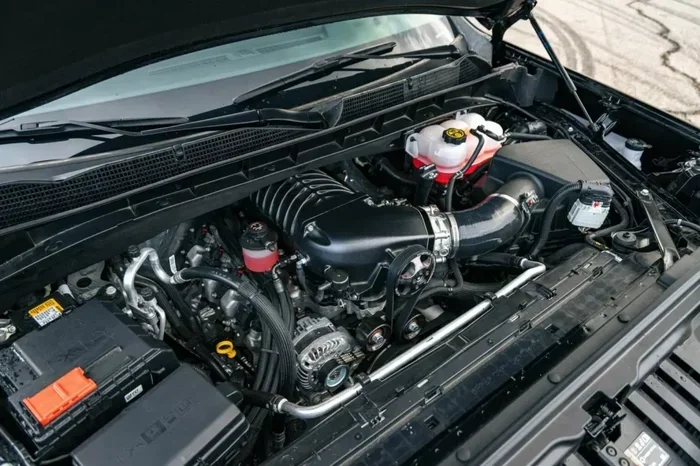
Does the GMC 62L Engine Really Require Premium Gas
The GMC 6.2L engine is a powerful V8 powerplant found in trucks and SUVs, and the short answer is that it does not strictly require premium gas, though using it unlocks the best performance. GM designed the 6.2L engine with a high compression ratio that benefits from higher octane fuel, but it can safely run on regular unleaded in a pinch. This guide breaks down everything you need to know about fuel choices, engine longevity, and real-world savings.
You just bought a GMC truck or SUV with the 6.2L engine, and now you are standing at the gas pump staring at three fuel options. Regular. Mid-grade. Premium. Which one do you choose? This question confuses a lot of truck owners, and honestly, it is not as complicated as it seems.
The GMC 6.2L engine is a beast. It powers some of the most popular trucks and SUVs on the road today. From the GMC Sierra to the Yukon, this V8 engine delivers serious horsepower and torque. But here is the big question that keeps popping up in forums and dealerships: does the GMC 6.2L engine really require premium gas?
The short answer is no. It does not strictly require premium gasoline. However, there is a bit more to the story. GM recommends premium fuel for the best performance, but the engine is engineered to handle regular unleaded gas just fine. In this article, we will walk through everything you need to know. We will cover how the engine works, what happens when you use different fuel types, and how to save money without hurting your truck.
Key Takeaways
- Premium is recommended, not mandatory: The GMC 6.2L engine runs fine on regular gas, but premium delivers optimal results.
- Engine knock is the real concern: Using lower octane fuel can cause knocking under heavy loads, which may affect long-term health.
- You will not void your warranty: GM allows regular gas use, so warranty coverage remains intact even with 87 octane fuel.
- Fuel economy differences are modest: Premium gas may offer slight gains in mileage, but the cost difference often cancels them out.
- Towing and hauling demand more: If you tow heavy loads, premium gas helps the 6.2L engine perform at its peak.
- Check your owner manual: Always refer to your specific vehicle manual for the manufacturer’s official fuel recommendation.
- Cost savings are real: Switching to regular gas can save hundreds of dollars per year for many drivers.
📑 Table of Contents
- What Is the GMC 6.2L Engine?
- Does the GMC 62L Engine Really Require Premium Gas?
- What Happens If You Use Regular Gas in a GMC 6.2L Engine?
- Premium vs Regular Gas: The Real Difference
- How the GMC 6.2L Engine Delivers Performance
- Should You Always Use Premium Gas? Expert Recommendations
- Common Mistakes Truck Owners Make with Fuel
- Key Takeaways
- Conclusion
What Is the GMC 6.2L Engine?
The GMC 6.2L engine is a naturally aspirated V8 gasoline engine produced by General Motors. It has been a staple in GMC and Chevrolet vehicles for years. You will find it in models like the Sierra 1500, Yukon, and Escalade. This engine is known for its smooth power delivery, strong towing capacity, and reliable performance.
Engine Specifications at a Glance
Here are some key specs that explain why fuel choice matters for the 6.2L engine:
- Displacement: 6.2 liters
- Configuration: V8
- Compression Ratio: 11.3:1
- Horsepower: Around 420 hp
- Torque: Approximately 460 lb-ft
- Fuel System: Direct injection
- Recommended Fuel: Premium unleaded (91 octane)
That compression ratio of 11.3:1 is the key number to watch. Higher compression engines generate more power, but they are also more sensitive to fuel quality. This is why the 6.2L engine performs best with premium fuel.
Does the GMC 62L Engine Really Require Premium Gas?
Let us get straight to the point. The GMC 6.2L engine does not require premium gas to run. GM uses the word “recommended” rather than “required” in the owner manual for most applications. This means the engine will start, idle, and drive on regular 87 octane gasoline without any immediate problems.
However, there is an important distinction between “recommended” and “required.” When an engine truly requires premium fuel, the manufacturer designs it so that using lower octane gas will trigger engine knock or damage. The 6.2L engine has a knock sensor that adjusts timing if you use regular gas. This protects the engine, but it also means you lose some performance.
What the Owner Manual Says
If you pull out your owner manual, you will likely see language like “premium unleaded fuel recommended for maximum performance.” GM does not say you will break the engine if you use regular gas. The manual acknowledges that 87 octane fuel is acceptable for everyday driving. But for the best experience, premium is the way to go.
Some GMC models with the 6.2L engine also feature a “fuel recommendation” indicator on the dashboard. This light will tell you if the system detects that you are using the wrong fuel type. If the light comes on, switch to premium and the message should clear up.
Why GM Recommends Premium
GM recommends premium fuel for the 6.2L engine because it allows the engine to operate at its full potential. Higher octane fuel resists detonation better, which means the engine can run more aggressive ignition timing. This translates into more horsepower, better throttle response, and smoother power delivery under heavy loads.
Think of it this way. Premium gas lets the engine breathe fully. Regular gas slightly restricts that breathing because the engine pulls back timing to prevent knock. You still get power, but not the maximum the engine was designed to produce.
What Happens If You Use Regular Gas in a GMC 6.2L Engine?
A lot of truck owners worry that using regular gas will destroy their 6.2L engine. That is simply not true. The engine is built tough and can handle lower octane fuel without catastrophic damage. But there are some trade-offs you should understand.
Engine Knock and Ping
The most common issue with regular gas in a high-compression engine is knock. Engine knock happens when the air-fuel mixture ignites too early in the combustion chamber. This creates a knocking or pinging sound, especially under load. The 6.2L engine has a knock sensor that detects this and adjusts the timing to prevent damage.
Occasional light knock is not a disaster. But persistent knocking under heavy towing or hard acceleration can wear engine components over time. If you hear consistent knocking, switch back to premium fuel right away.
Power and Performance Loss
When you fill up with regular gas, the engine computer retards ignition timing to prevent knock. This means you lose some horsepower and torque. In everyday driving, you probably will not notice much difference. But if you are towing a heavy trailer or hauling a full load, the performance gap becomes more apparent.
Some owners report feeling a slight lag in throttle response when running 87 octane fuel. The engine feels a bit less eager to rev. For casual driving around town, this is usually not a big deal. For serious work, premium gas makes a noticeable difference.
Fuel Economy Impact
You might wonder if regular gas hurts your fuel economy. The answer is it can, but only slightly. Because the engine pulls back timing, combustion efficiency drops a bit. You might see a 1 to 2 mpg reduction compared to running premium fuel. Over time, those small differences can add up at the pump.
Long-Term Engine Health
Using regular gas occasionally will not hurt your GMC 6.2L engine in the long run. Modern engines are incredibly resilient. They have sophisticated computer systems that protect against damage from lower octane fuel. But if you always run regular gas and never give the engine premium fuel, you are not giving it the optimal environment it was designed for.
Some mechanics suggest alternating between regular and premium. Use regular for daily commuting and switch to premium before heavy towing or hauling. This approach gives you the best of both worlds.
Premium vs Regular Gas: The Real Difference
Not all gasoline is created equal. Understanding the difference between premium and regular fuel helps you make smarter choices at the pump.
Octane Rating Explained
The main difference between premium and regular gas is the octane rating. Regular gas has an octane rating of 87. Mid-grade is 89. Premium is 91 or 93, depending on the region. Octane rating measures a fuel’s resistance to detonation or pre-ignition in the combustion chamber.
Higher octane fuel does not have more energy. It simply burns more evenly and predictably under high compression. This is why the 6.2L engine benefits from premium fuel. The high compression ratio demands fuel that will not ignite prematurely.
Additives and Cleaning
Another factor is additives. All gasoline sold in the US must meet minimum detergent standards. However, some brands advertise “top tier” gasoline with extra cleaning additives. These additives help keep fuel injectors and intake valves clean, which benefits any engine, including the GMC 6.2L engine.
Premium gas does not automatically have more additives than regular gas. The difference is in the octane level. But many top tier fuel brands offer premium options with enhanced cleaning packages. Using top tier fuel regularly, regardless of octane, is a smart move for engine health.
Cost Comparison
Premium gas costs more than regular, and the difference can be significant. On average, premium costs 30 to 50 cents more per gallon than regular. For a truck with a 24-gallon tank, that is an extra 7 to 12 dollars every fill-up. Over a year of weekly fill-ups, that adds up to 360 to 620 dollars in extra fuel costs.
That is a lot of money. It is no wonder so many truck owners ask whether they really need premium gas for their 6.2L engine. The answer depends on how you use your truck.
How the GMC 6.2L Engine Delivers Performance
The GMC 6.2L engine is a marvel of modern engineering. It was designed to deliver strong performance across a wide range of driving conditions. Understanding how this engine works helps you appreciate why fuel choice matters.
Direct Injection Technology
The 6.2L engine uses direct fuel injection, which sprays fuel directly into the combustion chamber at very high pressure. This allows for precise fuel metering and better combustion efficiency. Direct injection also helps the engine run cleaner and produce more power compared to older port injection systems.
Direct injection systems are sensitive to fuel quality. Clean, high-quality fuel keeps the injectors working properly. Using top tier gasoline, whether premium or regular, helps maintain the fuel system over the long haul.
Variable Valve Timing
The 6.2L engine features variable valve timing, which adjusts when the intake and exhaust valves open and close. This technology improves both power and fuel economy. It allows the engine to breathe more efficiently at different RPM ranges.
When you use premium fuel, the variable valve timing system can operate at its full range. With regular fuel, the system may be limited to avoid knock. The result is a slight reduction in the engine’s ability to optimize performance across all driving conditions.
Horsepower and Torque Delivery
The GMC 6.2L engine produces around 420 horsepower and 460 pound-feet of torque. Those numbers are impressive for a naturally aspirated V8. The engine delivers power smoothly across the RPM range, making it great for towing, hauling, and everyday driving.
With premium fuel, you get the full rated horsepower and torque figures. With regular fuel, you might see a slight dip, especially at higher RPMs. For most drivers, this difference is barely noticeable. For those who push their trucks hard, it matters.
Should You Always Use Premium Gas? Expert Recommendations
So what is the bottom line? Should you always fill up with premium for your 6.2L engine? The answer depends on how you use your vehicle.
When Premium Makes Sense
Premium fuel is the better choice in these situations:
- Heavy towing: If you regularly tow trailers, boats, or RVs, premium gas helps the engine handle the extra load without knock.
- Hauling heavy loads: A fully loaded truck puts more stress on the engine. Premium fuel supports optimal performance under these conditions.
- High-performance driving: If you enjoy spirited driving or frequently push the engine to higher RPMs, premium fuel lets the engine breathe freely.
- Hot climates: In very hot weather, engines are more prone to knock. Premium fuel provides extra insurance against detonation.
- Long-term engine health: Using premium fuel consistently keeps the engine running in the condition GM intended.
When Regular Gas Is Fine
Regular 87 octane fuel works well for these situations:
- Daily commuting: If you drive your truck to work and back on flat roads, regular gas is perfectly fine.
- Light duty: No towing, no heavy loads, just running errands and highway cruising. Regular gas will not hurt the engine.
- Budget-conscious driving: If saving money on fuel is a priority, regular gas can save you several hundred dollars per year.
- Emergency fills: If you run low on fuel and the nearest station only has regular gas, go ahead and fill up. You will not damage the 6.2L engine.
A Balanced Approach
Many experienced truck owners use a balanced approach. They fill up with regular gas for everyday driving and switch to premium before any heavy-duty work. This strategy saves money while still protecting the engine when it matters most.
Another popular tip is to use premium fuel for the first 5,000 miles of a new truck. This helps the engine break in properly and establishes good combustion chamber cleanliness. After the break-in period, you can switch to regular for daily driving without any issues.
Common Mistakes Truck Owners Make with Fuel
There are some common mistakes that GMC 6.2L engine owners make when it comes to fuel. Avoiding these mistakes can save you money and protect your engine.
Assuming Premium Always Means Better
Not everyone needs premium fuel. If you drive gently and never tow, premium gas is essentially wasted money. The engine does not need the higher octane if you are not pushing it hard.
Ignoring the Knock Sensor Warning
If your dashboard shows a fuel recommendation warning, do not ignore it. The knock sensor is telling you the engine is detecting detonation. Continuing to run low octane fuel when the system warns you could lead to long-term damage.
Mixing Fuel Types Frequently
Switching between regular and premium constantly can confuse the engine computer. The system constantly adjusts timing based on fuel quality, and frequent changes can lead to inconsistent performance. Pick one fuel type and stick with it for at least a few tanks.
Skipping Oil Changes to Save Money
Some owners save on fuel by using regular gas but then skip oil changes to save more money. This is a bad trade-off. Clean oil is far more important for engine longevity than fuel type. Keep up with your oil changes regardless of which fuel you choose.
Using Off-Brand Gas Without Checking Quality
Not all gas stations are created equal. Some off-brand stations may sell lower quality fuel with fewer detergent additives. Look for top tier certified fuel stations to ensure your 6.2L engine gets clean, quality gasoline.
Key Takeaways
- Premium is recommended, not mandatory: The GMC 6.2L engine runs fine on regular gas, but premium delivers optimal results.
- Engine knock is the real concern: Using lower octane fuel can cause knocking under heavy loads, which may affect long-term health.
- You will not void your warranty: GM allows regular gas use, so warranty coverage remains intact even with 87 octane fuel.
- Fuel economy differences are modest: Premium gas may offer slight gains in mileage, but the cost difference often cancels them out.
- Towing and hauling demand more: If you tow heavy loads, premium gas helps the 6.2L engine perform at its peak.
- Check your owner manual: Always refer to your specific vehicle manual for the manufacturer’s official fuel recommendation.
- Cost savings are real: Switching to regular gas can save hundreds of dollars per year for many drivers.
Conclusion
So, does the GMC 6.2L engine really require premium gas? The answer is no, it does not require it, but it certainly benefits from it. GM designed this engine to run on regular unleaded gas, and the onboard systems protect the engine from damage when you use lower octane fuel.
If you want the best performance, the smoothest power delivery, and the longest engine life, premium gas is the way to go. But if you are on a budget or just commuting around town, regular gas will not hurt your truck. The key is to understand your driving habits and make an informed choice.
The 6.2L engine is a durable, powerful machine that can handle a lot. It was built to last, and it will keep running strong whether you use premium or regular fuel. Use premium when you need the extra performance, and do not feel guilty about using regular gas for everyday driving.
At the end of the day, the best fuel for your GMC 6.2L engine is the one that fits your driving style and budget. Use this guide to make the right choice, and your truck will keep running strong for years to come.