Everything You Need to Know About 3d Printed Car Models
A 3d printed car model is a detailed replica of a real car created using additive manufacturing technology. These models range from simple hobby projects to highly accurate scale replicas used by collectors and designers. This guide covers how they are made, the best types available, and tips for choosing and displaying your own 3d printed car model.
A 3d printed car model is one of the most exciting things to come out of the maker and hobby world in recent years. Whether you are a car enthusiast, a 3d printing hobbyist, or someone who loves collecting miniature vehicles, these models offer something truly special. They let you hold a piece of automotive design in your hands, built layer by layer from plastic, resin, or other materials.
In this guide, we will walk you through everything you need to know about 3d printed car models. You will learn how they are made, what types exist, how to pick the right one, and how to care for it. By the end, you will have a solid understanding of why these models are taking the hobby world by storm.
Key Takeaways
- A 3d printed car model is a miniature replica of a real vehicle made using 3d printing technology.
- These models can be created using FDM, SLA, or SLS printing methods depending on detail level.
- Popular types include scale diecast-style models, RC-ready car bodies, and display pieces.
- Choosing the right 3d printed car model depends on scale, material, printer quality, and your skill level.
- Proper display and maintenance keep your model looking sharp for years.
- 3d printed car models are more affordable and customizable than traditional diecast models.
- The automotive prototyping industry heavily relies on 3d printing cars for design testing.
📑 Table of Contents
- What Is a 3d Printed Car Model?
- How Are 3d Printed Car Models Made?
- Benefits of Owning a 3d Printed Car Model
- Popular Types of 3d Printed Car Models
- How to Choose the Right 3d Printed Car Model
- Tips for Displaying and Maintaining Your 3d Printed Car Model
- The Future of 3d Printed Car Models
- Conclusion
What Is a 3d Printed Car Model?
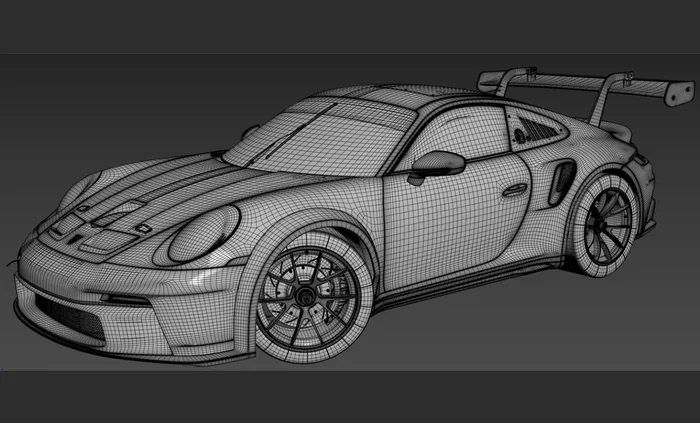
A 3d printed car model is a scaled-down replica of a real automobile built using additive manufacturing. Instead of being cast in metal or molded from plastic in a factory, these models are built one thin layer at a time by a 3d printer. The printer follows a digital file, often called a 3d model file or STL file, to create the physical object.
These models can be as simple as a basic car shape or as detailed as a fully finished display piece with working doors, a detailed interior, and realistic paint. Some people print car models for fun. Others use them for automotive design, prototyping, or educational purposes.
How Do They Differ from Traditional Models?
Traditional scale model cars are usually made through injection molding or diecast processes. They come out of a factory already painted and assembled. A 3d printed car model gives you more control. You can customize every detail, change colors, add modifications, or even print parts that do not exist for any commercial model.
Here is a quick comparison:
- Traditional models: Mass-produced, limited customization, consistent quality.
- 3d printed models: Custom-built, highly detailed, requires some skill and equipment.
The beauty of a 3d printed car model is that you can make it exactly how you want it. No two models have to be the same.
How Are 3d Printed Car Models Made?
Creating a 3d printed car model involves several steps. Each step matters, and skipping any of them can affect the final result. Let us break down the process.
Step 1: Designing or Downloading the 3d File
Every printed model starts with a digital design. Some people create their own car model files using 3d modeling software like Blender, Fusion 360, or Tinkercad. Others download pre-made files from online marketplaces like Thingiverse, MyMiniFactory, or Cults3d.
If you are new to this, downloading a file is the easiest way to start. Many designers share free 3d printed car model files online. You just download the file, load it into your printer software, and start printing.
Step 2: Choosing the Right Printing Technology
Not all 3d printers work the same way. The technology you choose affects the quality, detail, and finish of your 3d printed car model. Here are the three main methods:
- FDM (Fused Deposition Modeling): This is the most common type of 3d printing. A heated nozzle melts plastic filament and lays it down layer by layer. FDM printers are affordable and great for beginners. However, the layer lines can be visible on the final model.
- SLA (Stereolithography): SLA printers use ultraviolet light to cure liquid resin into solid layers. They produce much smoother surfaces and finer details. This is the go-to method for high-quality scale model cars.
- SLS (Selective Laser Sintering): SLS uses a laser to fuse powdered material together. It is mostly used in professional settings and industrial prototyping. The results are strong and detailed but the printers are expensive.
For most hobbyists, FDM or SLA printing is the best choice for a 3d printed car model.
Step 3: Printing the Model
Once you have your file and printer ready, you send the file to the printer through slicing software. This software converts the 3d model into instructions the printer can follow. It sets the layer height, print speed, infill density, and support structures.
For a car model, you will usually want a fine layer height, around 0.1mm or less. This gives you smoother surfaces. You may also need to print the model in parts and assemble them afterward, especially for larger or more detailed 3d printed vehicle parts.
Step 4: Post-Processing and Finishing
This is where the magic happens. After printing, you remove support structures, sand the surface, fill any layer lines with putty, and prime the model. Then you can paint it, add decals, and apply a clear coat.
Post-processing takes patience, but it makes a huge difference. A well-finished 3d printed car model can look just as good as a store-bought diecast model.
Benefits of Owning a 3d Printed Car Model
There are many reasons why people love having a 3d printed car model. Let us look at the biggest benefits.
Complete Customization
With a 3d printed car model, you are the designer. You can change the color scheme, add racing stripes, modify the body kit, or even create a version of a car that does not exist yet. This level of custom car model freedom is not possible with traditional models.
Affordability
High-end diecast models can cost hundreds of dollars. A 3d printed car model can cost a fraction of that, especially if you already own a printer. The main cost is the filament or resin, which is relatively inexpensive.
Rapid Prototyping for Designers
Car designers and engineers use 3d printing cars to test new shapes and features before committing to expensive tooling. A 3d printed car model allows them to hold a physical version of their design, check proportions, and make changes quickly. This process is called automotive prototyping and it saves companies time and money.
Educational Value
Printing a car model teaches you about 3d design, printing technology, and automotive engineering. It is a hands-on way to learn. Many schools and makerspaces use 3d printed car models as educational tools to teach students about design and manufacturing.
Popular Types of 3d Printed Car Models
The world of 3d printed car models is diverse. Different people want different things, and the community has responded with a wide range of options. Here are the most popular types.
Scale Display Models
These are the most common type. They are designed to sit on a shelf and look like a real car in miniature. Popular scales include 1:18, 1:24, and 1:43. A scale model car at 1:24, for example, is 24 times smaller than the real vehicle.
Display models often feature opening doors, detailed engines, and realistic interiors. They are perfect for model car collection enthusiasts who want something unique.
RC Car Bodies
Many people print bodies for RC cars using a 3d printed car model approach. Instead of buying a plastic body shell, they design or download one and print it themselves. This lets them create custom shapes, scale the body to any size, and experiment with different designs.
Common materials for RC bodies include PETG and ABS because they are durable and can be shaped with heat.
Concept and Concept-Art Models
Some designers create futuristic or fictional car models that do not exist in real life. These concept car models are often shared online and printed by hobbyists who love sci-fi and automotive design. They push the limits of what 3d printing cars can achieve.
Replacement Parts and Mod Kits
For people who own traditional diecast or RC models, 3d printing offers replacement parts. Lost a wheel? Print a new one. Want to add a spoiler? Print a mod kit. This use case is growing fast in the model car collection community.
How to Choose the Right 3d Printed Car Model
With so many options available, picking the right 3d printed car model can feel overwhelming. Here are the key factors to consider.
Consider the Scale
The scale determines the size of the model. Larger scales like 1:18 or 1:24 show more detail but require more material and printing time. Smaller scales like 1:43 or 1:64 are quicker to print and easier to display.
Think about where you will display the model. A large 3d printed car model looks impressive on a desk, while smaller ones work well in a collection or on a shelf.
Choose the Right Material
The material you print with affects the look and feel of the model. Here is a quick look at common options:
- PLA: Easy to print, eco-friendly, good for beginners. Not very durable.
- ABS: Stronger and more heat-resistant. Requires a heated bed.
- PETG: A good balance of strength and ease of use. Popular for RC car bodies.
- Resin (for SLA printers): Produces the smoothest surfaces and finest details. Best for display models.
Check the File Quality
Not all 3d printed car model files are created equal. Before you download or buy a file, check the reviews, look at sample prints, and make sure the model has good topology. A poorly designed file will lead to a poor print.
Match Your Skill Level
If you are new to 3d printing, start with a simple model. A basic 3d printed car model with fewer details is easier to print and finish. As you gain experience, you can tackle more complex designs with moving parts and fine details.
Tips for Displaying and Maintaining Your 3d Printed Car Model
Once you have your 3d printed car model finished, you want it to look great for years. Here are some tips to help you do that.
Display Tips
- Use a display case or shelf to protect the model from dust.
- Keep it away from direct sunlight, which can fade paint over time.
- Avoid placing it in areas with high humidity, which can damage certain materials.
- Use a small amount of clear coat to protect the paint job.
Maintenance Tips
- Dust the model regularly with a soft brush or compressed air.
- Handle the model by the base, not delicate parts like mirrors or antennas.
- If parts break, you can often reprint them and reattach them with super glue.
- Store spare parts in a labeled bag so you can fix the model quickly if needed.
Common Mistakes to Avoid
- Skipping the sanding and priming steps. This leads to visible layer lines and a rough finish.
- Using the wrong paint. Acrylic paints work best on most 3d printed car model surfaces.
- Printing at too high a speed. Slower prints are more accurate and have fewer defects.
- Ignoring support structures. Removing them carelessly can damage the model.
Avoiding these mistakes will save you time and frustration, and your 3d printed car model will look much better as a result.
The Future of 3d Printed Car Models
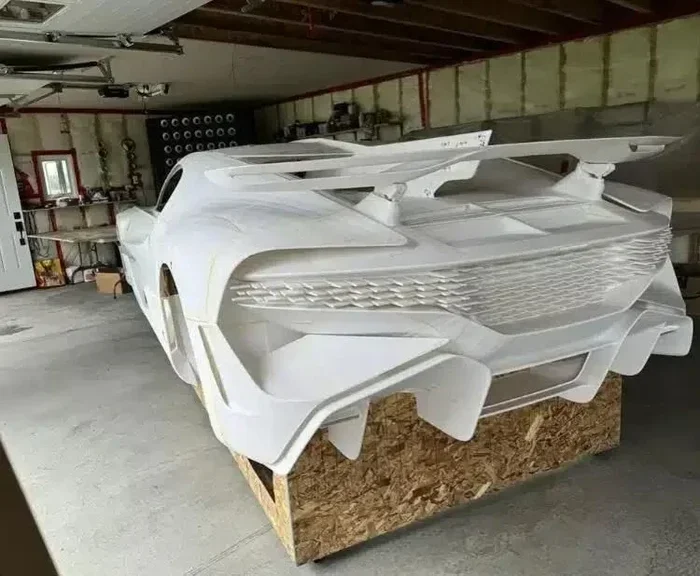
The world of 3d printing cars is evolving fast. New materials, better printers, and smarter software are making it easier than ever to create stunning 3d printed car models. Some companies are already experimenting with full-size 3d printed cars, and the technology used in those projects filters down to the hobbyist level over time.
In the near future, we can expect even more detailed scale model cars, faster print times, and materials that look and feel more like real metal and glass. The line between a 3d printed car model and a traditional model will continue to blur.
For now, the hobby is thriving. Whether you print for fun, for display, or for design work, there has never been a better time to explore the world of 3d printed car models.
Conclusion
A 3d printed car model is more than just a miniature replica. It is a creative project, a display piece, and a way to connect with the world of automotive design. From choosing the right file to finishing and displaying the final product, the journey of creating a 3d printed car model is deeply rewarding.
Whether you are a seasoned hobbyist or just getting started, the options are endless. You can build a simple model for fun or create a highly detailed showpiece that rivals any commercial product. The key is to start, learn as you go, and enjoy the process.
So grab your 3d printer, find a file you love, and start building your own 3d printed car model today. The road ahead is full of creativity and possibility.
Frequently Asked Questions
What is the best scale for a 3d printed car model?
The best scale depends on your goals. 1:24 and 1:18 are popular for detailed display models. 1:43 is great for smaller collections. If you are new to printing, start with a larger scale like 1:24 because it is easier to print and finish.
Can I print a 3d printed car model without any experience?
Yes, you can. Many free files are available online for beginners. Start with a simple design, use an FDM printer, and follow basic printing guides. As you gain confidence, you can move on to more detailed and complex models.
What material is best for printing a car model?
For display models, resin printing (SLA) gives the smoothest finish. For beginners, PLA filament is the easiest to use. PETG and ABS are better for durable parts like RC car bodies. Choose based on your printer type and the model’s purpose.
How long does it take to print a 3d printed car model?
Print time varies widely based on scale, detail level, and printer speed. A small model at 1:43 might take 4 to 8 hours. A larger, highly detailed model at 1:18 can take 20 to 40 hours or more. Post-processing adds extra time as well.
Are 3d printed car models as good as diecast models?
A well-finished 3d printed car model can look just as good as a diecast model. The difference is that printed models offer customization and uniqueness. Diecast models have a consistent factory finish, but printed models let you create something truly one of a kind.
Where can I find files to print a 3d printed car model?
Popular sites include Thingiverse, MyMiniFactory, Cults3d, and Printables. Many designers share free files, while others sell high-quality premium files. Look for files with good reviews and sample images to ensure quality before you print.