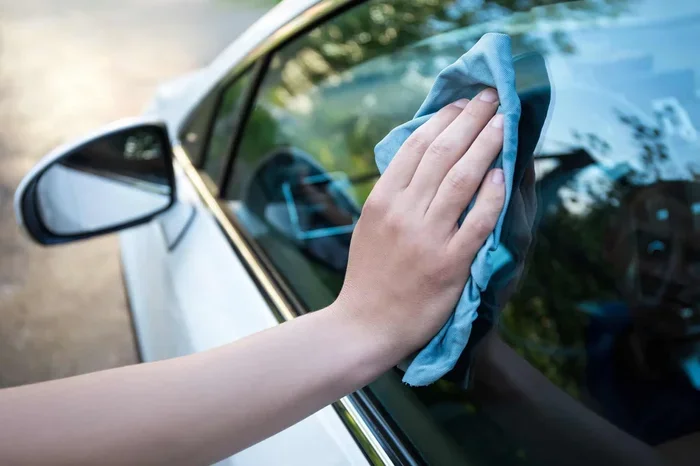
How to Remove Iron Rust From Car Glass Without Scratching
Discover safe and effective ways to remove iron rust from car glass without scratching your windows. This guide covers proven DIY methods, the best products, and prevention tips to keep your car glass rust-free. Whether you have light surface rust or stubborn iron deposits, you will find practical steps that work.
There is nothing more frustrating than spotting tiny orange specks on your car glass. Those little rust spots seem harmless at first, but they can grow and spread if you ignore them. If you have ever wondered how to remove iron rust from car glass without leaving scratches behind, you are in the right place.
This guide walks you through every step of the process. You will learn the best products, the safest techniques, and how to stop rust from coming back. We keep things simple and practical, so anyone can follow along. No fancy tools needed, no confusing jargon. Just clear, honest advice that gets results.
Your car glass deserves better than a blanket of rust stains. The good news is that you can fix this problem at home with the right approach. Let us dive in and get your windows looking crystal clear again.
Key Takeaways
- Use iron fallout removers: These chemical solutions dissolve rust safely without abrasive contact that causes scratches.
- Avoid steel wool and harsh pads: They may remove rust but will leave micro-scratches on your car glass.
- Apply ceramic coating after removal: This creates a protective barrier that prevents future rust and iron deposits on car glass.
- Act quickly: The longer rust sits on your windshield or windows, the harder it becomes to remove without damage.
- Test any product first: Always try rust removal products on a small hidden area before applying them to visible glass surfaces.
- Professional help works for severe cases: Deep rust etching may need expert treatment to restore clarity without scratching.
📑 Table of Contents
- What Is Iron Rust on Car Glass and Why Does It Happen
- Tools and Products You Need for Rust Removal
- Step-by-Step Guide to Remove Iron Rust From Car Glass
- Best Rust Removal Methods Compared
- How to Prevent Rust Stains on Car Glass
- When to Seek Professional Help for Rust on Car Glass
- Frequently Asked Questions
- Final Thoughts
What Is Iron Rust on Car Glass and Why Does It Happen
Before you learn how to fix rust on car glass, it helps to understand what causes it. Iron rust on car glass is not just dirt. It is actually tiny metal particles that embed themselves into the glass surface. When these particles react with moisture and oxygen, they create iron oxide, which shows up as orange or brown spots.
Several things cause these rust deposits on car windows. Brake dust from your own car or the vehicle in front of you contains tiny metal fragments. Road salt in winter months accelerates rust formation. Even tree sap and bird droppings can trap metal particles against your glass over time.
The biggest mistake people make is letting rust sit too long. What starts as a light speck can burrow deeper into the glass surface. Once rust etches into the glass, it becomes much harder to remove without leaving marks. That is why early action matters so much.
Common Sources of Rust on Car Glass
- Brake dust buildup: Every time you hit the brakes, tiny metal particles fly off your rotors. Over time, these particles settle on your windshield and windows.
- Road salt and brine: Winter driving exposes your car to salt-covered roads, which speeds up rust formation on all metal and glass surfaces.
- Railroad tracks and construction zones: Passing over metal rails or through construction areas kicks up iron particles that land on your glass.
- Environmental pollution: Industrial areas have higher levels of airborne metal particles that settle on car surfaces.
- Bug splatter and bird droppings: These organic materials trap metal particles against the glass, creating rust-like stains over time.
Understanding where rust comes from helps you prevent it in the future. Once you know the enemy, you can fight it much more effectively.
Tools and Products You Need for Rust Removal
You do not need a garage full of expensive equipment to remove rust from car glass without scratching. A few key products and basic tools will do the job. The secret is choosing the right materials that work chemically rather than mechanically.
Essential Products for Iron Rust Removal
- Iron fallout remover: Products like Iron X or Sonax Fallout Remover dissolve iron particles on contact. They change color as they work, so you can see exactly when the rust is gone.
- Clay bar kit: A detailing clay bar lifts embedded contaminants from glass surfaces without scratching.
- Glass cleaner: A quality ammonia-free glass cleaner prepares the surface and removes residue after treatment.
- Ceramic glass coating: After removal, a ceramic coating creates a protective shield that repels future rust and deposits.
- Microfiber towels: Soft, lint-free cloths prevent scratches during the cleaning and drying process.
Tools You Will Also Need
- Spray bottle with distilled water
- Plastic detailing brush with soft bristles
- Bucket of warm water
- Drying towel made of plush microfiber
- Isopropyl alcohol for final degreasing
Quick Tip: Never use steel wool, abrasive pads, or rough scrub brushes on car glass. They might remove rust, but they will also create fine scratches that catch light and look terrible. Always stick to chemical and gentle mechanical methods.
Step-by-Step Guide to Remove Iron Rust From Car Glass
Now for the part you have been waiting for. Here is the complete process to get rust off car glass safely and effectively. Follow these steps in order for the best results.
Step One: Wash the Glass Thoroughly
Start by giving your car glass a good wash. Use a quality car soap and warm water to remove loose dirt, dust, and debris. This step is crucial because any grit left on the surface can act like sandpaper during the rust removal process.
Use a microfiber wash mitt and work in sections. Rinse the glass thoroughly with clean water. Dry it completely with a soft microfiber towel before moving to the next step.
Step Two: Apply Iron Fallout Remover
Spray your chosen iron fallout remover directly onto the rusted areas of the glass. Let it sit for the time recommended on the product label, usually two to five minutes. You will notice the solution changing color as it reacts with the rust particles.
Do not let the product dry on the glass. If it starts to dry, mist it lightly with distilled water. Work in shaded areas to prevent the solution from evaporating too quickly.
Step Three: Agitate Gently with a Clay Bar
After the iron fallout remover has done its work, use a detailing clay bar to lift any remaining embedded particles. Spray a small amount of clay lubricant or the iron remover itself onto the glass. Glide the clay bar gently across the surface in straight lines.
You will feel the surface become smoother as the clay picks up contaminants. This step removes any rust that the chemical solution could not dissolve on its own.
Step Four: Rinse and Dry Completely
Rinse the glass with clean water to remove all product residue. Dry it thoroughly with a fresh microfiber towel. Any leftover moisture can leave water spots or interfere with the next steps.
Step Five: Inspect and Repeat if Needed
Hold the glass up to sunlight and check for any remaining rust spots. If you still see stains, repeat the iron fallout remover and clay bar process. Most light to moderate rust will come out after one or two treatments.
Step Six: Apply Ceramic Glass Coating
Once the glass is completely clean and dry, apply a ceramic coating for car glass. This creates a hydrophobic barrier that repels water, brake dust, and other contaminants. The coating also makes future cleaning much easier.
Apply a thin, even layer using the applicator pad included in your kit. Let it cure according to the manufacturer’s instructions, usually one to two hours. Buff off any excess with a clean microfiber towel.
Best Rust Removal Methods Compared
Not all rust removal methods are created equal. Some work better than others, and some carry risks you need to know about. Here is a comparison of the most popular approaches to removing rust stains from car glass.
| Method | Effectiveness | Scratch Risk | Difficulty Level | Best For |
|---|---|---|---|---|
| Iron Fallout Remover | Excellent for surface rust | Very Low | Easy | Light to moderate rust spots |
| Clay Bar Treatment | Great for embedded particles | Low | Easy | Removing residue after chemical treatment |
| White Vinegar Soak | Good for light surface rust | Very Low | Easy | Small rust spots on side windows |
| Baking Soda Paste | Moderate for light rust | Low to Medium | Medium | Stubborn surface rust spots |
| WD-40 | Good for penetrating rust | Low | Easy | Light rust with some penetration |
| Professional Glass Polishing | Excellent for deep rust etching | Very Low | Requires Pro | Severe rust damage that DIY cannot fix |
The iron fallout remover combined with a clay bar treatment is the gold standard for most car owners. It is safe, effective, and does not require any special skills. For deeper rust that has etched into the glass, professional polishing offers the best results without risking further damage.
Common Mistake to Avoid: Never mix different rust removal products. Combining chemicals can create reactions that damage your glass or leave a film that is hard to remove. Stick to one method at a time and rinse thoroughly between steps.
How to Prevent Rust Stains on Car Glass
Removing rust is only half the battle. The real goal is to keep it from coming back. Preventing rust on car glass saves you time, money, and frustration in the long run.
Regular Washing Schedule
Wash your car at least once a week, especially during winter months when road salt is prevalent. Pay special attention to the glass surfaces. Brake dust builds up quickly, and the longer it sits, the more it bonds to the glass.
Use a pH-neutral car shampoo and a clean microfiber mitt. Avoid washing your car in direct sunlight, as the heat can cause water spots and soap residue to set into the glass.
Apply a Protective Coating
After every wash, apply a quick detailer spray or a ceramic coating. These products create a smooth, hydrophobic surface that makes it harder for metal particles to stick. Rain and wind help wash away contaminants naturally when the glass is properly coated.
A ceramic coating lasts for months and provides excellent protection against iron deposits on car glass. It is one of the best investments you can make for long-term glass maintenance.
Park Smart
Where you park matters more than you think. Avoid parking near construction zones, railroad tracks, and busy industrial areas. If you live near the coast, salt air can accelerate rust formation on your glass and car body.
Use a car cover when parking outdoors for extended periods. A quality cover shields your car from airborne particles, bird droppings, and tree sap that all contribute to rust buildup.
Address Brake Dust Immediately
Brake dust is the number one culprit for rust on car glass. Make it a habit to clean your windshield and windows after long drives or whenever you notice a dark film forming. A quick wipe-down with a glass cleaner takes just a minute and prevents long-term damage.
Expert Insight: Many professional detailers recommend applying a glass sealant every three months. This adds an extra layer of protection that keeps your car glass looking great and resists rust formation far better than washing alone.
When to Seek Professional Help for Rust on Car Glass
Most rust removal jobs can be handled at home with the right products and patience. However, there are situations where professional help is the smarter choice.
If the rust has deeply etched into the glass and you can feel it with your fingernail, DIY methods may not be enough. Deep etching requires professional glass polishing equipment that can level the surface without causing new scratches.
Also, if you have tried multiple removal methods and rust keeps coming back, there may be a deeper issue. Rust coming from the car’s frame or window seals can continuously deposit metal particles on the glass. A professional can identify the source and recommend the right fix.
Finally, if your car is under warranty, check with your dealer before using any chemical rust removal products. Some aftermarket products could void glass warranties, and a dealer can perform rust removal safely under their guidelines.
Signs You Need Professional Help
- Rust spots that return within days of removal
- Deep pitting or etching that you can feel with your finger
- Rust coming from window seals or the car frame
- Multiple large rust stains across several glass surfaces
- Cloudy or hazy appearance that no cleaning method can fix
Do not wait until the problem gets worse. Addressing severe rust early saves you from expensive glass replacements down the road.
Frequently Asked Questions
Can you remove iron rust from car glass without scratching it?
Yes, absolutely. The safest method is using an iron fallout remover followed by a detailing clay bar. These products work chemically to dissolve rust particles without any abrasive contact. Avoid anything rough like steel wool or harsh scrub pads, and you will keep your glass scratch-free.
How long does it take to remove rust from car glass?
For most light to moderate rust spots, the entire process takes about 30 to 45 minutes per window. Deep rust or heavy buildup may require two treatment sessions, which could extend the time to an hour or more. The key is patience and not rushing the chemical reaction.
Will white vinegar remove rust from car glass?
White vinegar can help with light surface rust on car glass. Soak a cloth in vinegar and place it on the rust spot for 15 to 20 minutes, then gently wipe clean. However, vinegar is less effective than dedicated iron fallout removers for stubborn or widespread rust. It works best as a mild maintenance option rather than a heavy-duty solution.
Can rust on car glass be permanent if left untreated?
Yes, untreated rust can become permanent over time. As iron particles bond more deeply with the glass surface, they etch into the glass and become increasingly difficult to remove. In severe cases, the damage may require professional glass polishing or even full glass replacement. This is why addressing rust spots early is so important.
Is ceramic coating worth it for preventing rust on car glass?
Absolutely. A ceramic coating for car glass creates a durable, hydrophobic barrier that repels water, brake dust, and metal particles. It makes regular cleaning easier and significantly reduces the chance of rust forming again. Most ceramic coatings last several months and provide excellent long-term protection for your investment.
What causes rust spots on the inside of car windows?
Rust spots on the inside of car windows usually come from metal particles in the air that settle on the glass. However, if rust appears specifically near the window seals or edges, it could indicate a problem with the window regulator, metal window channel, or corroded seal components. Inspect the window mechanism and seals if you notice persistent interior rust spots.
Final Thoughts
Learning how to remove iron rust from car glass without scratching is a skill every car owner should have. It saves money, protects your investment, and keeps your car looking its best. The methods in this guide work because they rely on chemical action rather than brute force, which is exactly what your glass needs.
Start with an iron fallout remover and a clay bar for the safest, most effective results. Add a ceramic coating to lock in your protection and make future maintenance a breeze. And most importantly, stay on top of regular cleaning to catch rust before it has a chance to set in.
Your car glass takes a beating every day from brake dust, road salt, and environmental contaminants. Treat it with care, and it will stay clear and beautiful for years to come. Now go grab your supplies and give your car the glass treatment it deserves.