How Much Can I Sell My Car For and Get Top Dollar Now
Want to know how much you can sell your car for? This complete guide reveals the real factors behind car resale value, from mileage and condition to market demand. You will learn proven strategies to sell your car online, get the best trade-in value, and walk away with more cash in your pocket.
Have you ever wondered how much can I sell my car for and actually get top dollar? Maybe you are thinking about upgrading to a new vehicle, or you simply need extra cash. Whatever the reason, understanding your car’s true value is the first step toward getting the best deal possible.
The good news is that selling a car does not have to be confusing or stressful. With the right information and a solid game plan, you can walk away with more money than you ever expected. This guide breaks down everything you need to know about car resale value, from pricing tools to selling strategies that actually work.
Let us be real for a second. Most people overthink the selling process. They assume they need to be a car expert or negotiate like a used car dealer. But that is simply not true. Anyone can sell their vehicle for a great price if they know what buyers are looking for and how to present their car in the best light. So let us dive in and make sure you get every dollar you deserve.
Key Takeaways
- Know Your Car’s Worth: Use tools like Kelley Blue Book and Edmunds to get an accurate car appraisal before listing.
- Condition Matters Most: Clean your car inside and out, fix minor issues, and keep maintenance records to boost value significantly.
- Sell Private Party for More Money: A private party sale typically earns you 10-15% more than a trade-in offer.
- Timing Is Everything: Selling during peak seasons like spring and early summer can help you get top dollar faster.
- Avoid These Costly Mistakes: Skipping a vehicle history report, overpricing, and poor photos are the biggest value killers.
- Use Multiple Selling Platforms: List on several online marketplaces to reach more buyers and create competitive bidding.
- Document Everything: A clean title and full service history build trust and justify a higher asking price.
📑 Table of Contents
- Understanding Your Car’s True Value
- Factors That Affect How Much You Can Sell Your Car For
- Best Ways to Sell Your Car for Top Dollar
- Step-by-Step Guide to Getting the Most Money
- Common Mistakes That Lower Your Car’s Selling Price
- When Is the Best Time to Sell Your Car?
- Expert Insights on Maximizing Your Car’s Value
- Key Takeaways
- Conclusion
Understanding Your Car’s True Value
Before you list your car for sale, you need to know what it is actually worth. This is called car appraisal, and it is the foundation of any successful sale. Without a clear number in mind, you risk either pricing too high and scaring buyers away or pricing too low and leaving money on the table.
So how do you find that magic number? Start with trusted online pricing tools. Websites like Kelley Blue Book and Edmunds pricing give you a solid estimate based on your car’s make, model, year, and mileage. These platforms pull real-world data from thousands of transactions, so the numbers are reliable.
Why Online Pricing Tools Matter
Online pricing tools are your best friend when you want to sell my car online. They give you a range, usually called “good,” “fair,” and “excellent” condition values. Here is how they work:
- Good Condition: Your car has minor wear but runs and looks well.
- Fair Condition: Some cosmetic flaws or minor mechanical issues exist.
- Excellent Condition: The car looks and drives like it just left the lot.
Always aim for the middle of the range when setting your price. This leaves room for negotiation while still getting you a fair deal. Remember, most buyers expect to haggle a little, so building that buffer into your asking price is smart.
Get a Professional Car Appraisal
If you want even more accuracy, consider getting a professional car appraisal. Many dealerships and independent appraisers offer this service for free or a small fee. A professional will inspect your vehicle inside and out, check the vehicle history report, and give you a precise dollar figure. This is especially helpful if you have a rare or luxury model.
Factors That Affect How Much You Can Sell Your Car For
Not all cars sell for the same price. Several key factors determine your vehicle’s used car market value. Understanding these factors gives you a huge advantage when it is time to set your price and talk to buyers.
Mileage and Age
Mileage is one of the biggest factors in vehicle depreciation. Cars with lower mileage almost always sell for more. On average, a car loses about 15-25% of its value in the first year and continues to drop each year. However, a well-maintained car with higher mileage can still outperform a neglected car with fewer miles.
Age also plays a role, but it is not the whole story. A five-year-old car with regular oil changes and no accidents is worth far more than a three-year-old car that has been abused. Buyers care about how the car was treated, not just how old it is.
Condition and Maintenance History
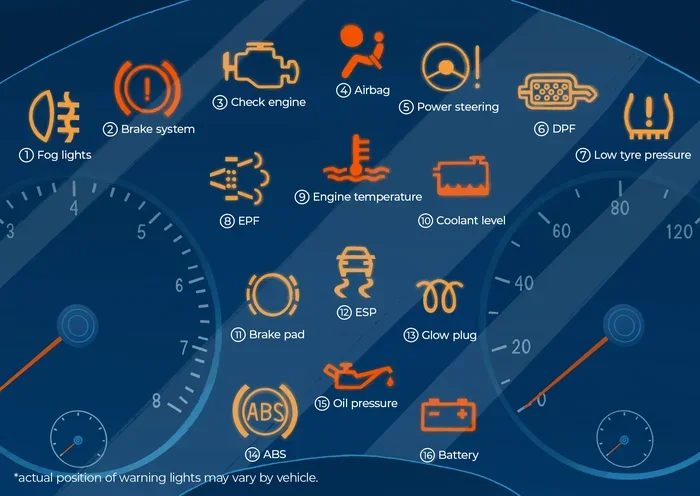
The overall car condition includes both mechanical and cosmetic factors. A car that runs smoothly, has no warning lights on the dashboard, and drives quietly will always fetch a higher price. But do not overlook the cosmetic side either.
Buyers judge cars by their appearance first. Here are the details that matter:
- Exterior Paint: Faded or chipped paint lowers perceived value.
- Interior Cleanliness: Stains, odors, or torn seats are red flags.
- Tire Condition: Worn tires suggest the car has been driven hard.
- Maintenance Records: A full service history proves the car was cared for.
Keeping a folder of all your oil change receipts, repair invoices, and inspection records is one of the simplest ways to boost your asking price. Buyers trust documented maintenance records because they reduce the risk of buying a lemon.
Market Demand and Seasonality
Believe it or not, the time of year affects how much you can sell your car for. Seasonal car sales trends show that convertibles sell better in spring and summer, while SUVs and trucks do well in winter months when snow and cold weather drive demand. SUVs and trucks also tend to hold their value better than sedans in many markets.
Demand for used cars also shifts based on economic conditions. When new car prices are high, more people turn to the used market, which can push prices up for sellers. Paying attention to these trends helps you pick the perfect time to list your vehicle.
Best Ways to Sell Your Car for Top Dollar
Once you know your car’s value, the next step is choosing how to sell it. There are several options, and each has pros and cons. The method you pick directly impacts how much cash you walk away with.
Private Party Sale
A private party sale is hands down the best way to get the most money for your car. When you sell directly to a buyer, you skip the middleman and keep the profit. Most sellers earn 10-15% more through a private sale compared to a trade-in.
Here is what a private party sale looks like in practice:
- List your car on platforms like Facebook Marketplace, Craigslist, or CarGurus.
- Write a detailed, honest description highlighting all the car’s strengths.
- Take clear, well-lit photos from every angle.
- Respond to inquiries quickly and be ready to schedule test drives.
- Negotiate confidently but fairly based on your research.
The downside is that a private sale takes more time and effort. You have to handle inquiries, answer questions, and manage the paperwork yourself. But for most people, the extra money is worth it.
Trade-In at a Dealership
If convenience is your priority, a trade-in is the easiest route. You simply bring your car to a dealership, let them inspect it, and receive an offer on the spot. The process is fast and requires very little work from you.
However, trade-in offers are almost always lower than what you would get from a private sale. Dealerships need to factor in reconditioning costs, overhead, and their own profit margin. If you are trading your car toward a new purchase, the convenience factor may be worth the lower price. Just make sure you compare the trade-in offer with the private party value first.
Online Car Buying Services
Companies like Carvana, Vroom, and CarMax offer instant online valuations and buy cars directly from sellers. These services are quick and hassle-free. You fill out a form, get an offer, and if you accept, they handle everything from pickup to paperwork.
The trade-off is that these companies aim to buy low so they can resell for a profit. You will typically get less than a private party sale but more than a basic trade-in offer. These services work best when you need to sell fast or do not want the hassle of managing the sale yourself.
Step-by-Step Guide to Getting the Most Money
Now that you understand your options, let us walk through a practical plan to maximize car value and get top dollar.
Step 1: Research and Set a Realistic Price
Start by checking Kelley Blue Book, Edmunds, and similar platforms for your specific vehicle. Enter your exact trim level, mileage, and condition details. Write down the range and set your price in the middle. Pricing too high is the number one mistake sellers make. Buyers will simply scroll past your listing and move on to the next one.
Step 2: Deep Clean and Detail Your Car
First impressions matter enormously. A dirty, cluttered car signals neglect. Invest in a thorough professional detailing if your budget allows. At minimum, do the following:
- Wash and wax the exterior.
- Vacuum and shampoo the interior.
- Clean all windows and mirrors.
- Remove personal belongings and clutter.
- Deodorize the car to eliminate any odors.
Spend a few dollars on a quick touch-up paint pen for any small scratches. These small investments pay off big time when buyers see a clean, well-cared-for vehicle.
Step 3: Gather Your Documents
Buyers want to see a clean title before they commit. Make sure there are no liens or issues with the ownership. Gather your maintenance records, registration, and any warranty information you have. A complete paperwork package builds instant trust and helps you justify your asking price.
Step 4: Create a Compelling Listing
Your listing is your sales pitch. Write a clear, honest description that covers the following:
- Year, make, model, and trim level.
- Mileage and overall condition.
- Key features like Bluetooth, backup camera, or leather seats.
- Recent maintenance or repairs.
- Why you are selling.
Be honest about any flaws. Buyers appreciate transparency, and it saves time during negotiations. Include high-quality photos taken during daylight with a clean background.
Step 5: Negotiate Like a Pro
When buyers make offers, stay calm and confident. Know your lowest acceptable price before you start negotiating. If someone lowballs you, politely explain that your price reflects the car’s condition and market value. Most negotiations settle within 5-10% of the asking price, so price accordingly from the start.
Common Mistakes That Lower Your Car’s Selling Price
Even with the best intentions, sellers often make avoidable mistakes that cost them hundreds or even thousands of dollars. Here are the pitfalls to steer clear of.
Overpricing Your Car
This is the most common mistake. Sellers get emotionally attached to their vehicle and set a price far above market value. The result? Your listing gets ignored. After a week of no interest, you drop the price, and buyers now wonder what is wrong with the car. Always let data guide your pricing, not emotions.
Ignoring Small Problems
A squeaky brake, a cracked windshield, or a check engine light might seem minor to you, but buyers see them as expensive problems waiting to happen. Fix the small stuff before listing. It costs a fraction of what you would lose in negotiating power.
Skipping the Vehicle History Report
Buyers expect to see a vehicle history report from services like Carfax or AutoCheck. Without one, they assume the worst. Spend the $40 or so to get a report and share it willingly. A clean report builds confidence and supports a higher price.
Poor Quality Photos
Blurry, dark, or cluttered photos make your car look bad. Buyers make split-second decisions based on images. Take photos in natural light, shoot from multiple angles, and show the interior, engine bay, and trunk. Good photos dramatically increase inquiries and help you sell faster.
When Is the Best Time to Sell Your Car?
Timing your sale strategically can make a real difference in how much you earn. Seasonal car sales trends show that certain times of year work better than others.
Spring and early summer are generally the best months to sell. People are planning road trips, families are upgrading before summer vacations, and the overall mood around car shopping is positive. Convertibles, sporty cars, and fuel-efficient vehicles tend to sell fastest during this window.
Fall and early winter work well for SUVs, trucks, and all-wheel-drive vehicles. Buyers in colder climates need reliable transportation before the snow hits, and they are willing to pay a premium for vehicles that are ready for winter.
Avoid selling during the holiday season when people are focused on gifts, travel, and other expenses. Your listing will get lost in the noise. Patience and timing are powerful tools in your selling arsenal.
Expert Insights on Maximizing Your Car’s Value
We spoke with several experienced used car dealers and private sellers to get their top tips. Here is what they had to say.
First impressions are everything. One dealer shared that cars which arrive clean and well-documented almost always sell faster and for more money. Another expert emphasized the importance of being responsive. Buyers who feel ignored will move on to the next listing within minutes.
A seasoned private seller recommended offering a short test drive with a pre-purchase inspection. This shows confidence in your car’s condition and helps close deals faster. It also filters out time-wasters and serious buyers who are ready to make a decision.
One thing all the experts agreed on: never rush the process. Take your time to find the right buyer at the right price. Patience pays off in dollars.
Key Takeaways
- Know Your Numbers: Use Kelley Blue Book and Edmunds to determine your car’s fair market value before listing.
- Condition Drives Price: A clean, well-maintained car with full records always sells for more than a neglected one.
- Private Sales Win: Selling privately typically earns you 10-15% more than trading in at a dealership.
- First Impressions Count: Professional detailing, quality photos, and honest descriptions attract serious buyers.
- Timing Matters: Spring and summer are ideal for most vehicles, while winter favors trucks and SUVs.
- Avoid Overpricing: Let market data guide your price, not your emotions or attachment to the car.
- Document Everything: A clean title, full service history, and vehicle history report build buyer trust and support a higher price.
Conclusion
So how much can I sell my car for? The answer depends on your vehicle, its condition, and the strategy you use. But one thing is certain: with the right approach, you can absolutely get top dollar for your car. Start by understanding your car’s true value through trusted pricing tools and professional appraisals. Then invest the time to clean, document, and present your vehicle in the best possible light.
Whether you choose a private party sale, a trade-in, or an online buying service, the key is to be informed and prepared. Avoid the common mistakes that cost sellers money, and take advantage of seasonal trends to maximize your results. Selling a car does not have to be a headache. With the tips and strategies in this guide, you are now equipped to navigate the process with confidence and walk away with the best possible outcome.
Take action today. Research your car’s value, make a plan, and start your listing. The more prepared you are, the faster you will sell, and the more money you will keep. Your top-dollar sale is closer than you think.
Frequently Asked Questions
What is the best way to sell my car for the most money?
A private party sale almost always brings in the highest price. You skip dealership fees and profit from the difference. Use online platforms like Facebook Marketplace, CarGurus, or Autotrader to reach a wide audience of local buyers.
How do I know if my car is worth fixing before selling?
Compare the cost of repairs to the potential increase in sale price. Minor fixes like new tires or a detail can boost value significantly. Major repairs like engine or transmission work usually do not pay off unless the car is otherwise in excellent shape.
Does car color affect resale value?
Yes, it can. Neutral colors like white, black, silver, and gray tend to sell faster and hold value better than bold or unusual colors. This is because they appeal to the widest range of buyers in the used car market.
Should I sell my car before or after buying a new one?
Selling before buying gives you more negotiating power. You walk into a dealership as a cash buyer rather than a trade-in. However, if convenience matters more, a simultaneous sale and purchase through a dealership can simplify the process.
How long does it typically take to sell a car privately?
Most private sales take between one and four weeks. Well-priced cars in good condition with quality photos tend to sell faster. Patience and responsiveness to inquiries are key to a quick sale.
What paperwork do I need to sell my car?
You will need a clean title, bill of sale, maintenance records, and your state’s required transfer paperwork. A vehicle history report like Carfax or AutoCheck also helps build buyer confidence and speeds up the sale process.