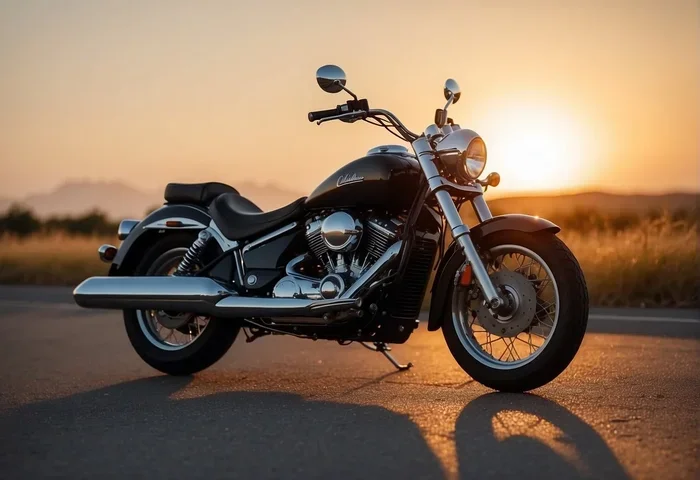
How Many Miles Is Too Much for a Cruiser Motorcycle
How Many Miles Is Too Much for a Cruiser? is an essential topic that provides valuable insights.
Key Takeaways
- Understanding How Many Miles Is Too Much for a Cruiser?: Provides essential knowledge
📑 Table of Contents
- What Is Considered High Mileage for a Cruiser?
- Factors That Affect Cruiser Motorcycle Mileage
- Signs a High-Mileage Cruiser Is Still Worth Buying
- Low Mileage vs. High Mileage: Which Is Better?
- How to Inspect a Used Cruiser Before Buying
- Maintenance Tips for High-Mileage Cruisers
- Key Takeaways
- Conclusion
What Is Considered High Mileage for a Cruiser?
When people talk about high mileage motorcycle models, they usually mean anything above 40,000 to 50,000 miles. But that number is just a rough guideline. Different cruisers age differently based on several factors.
A Harley-Davidson with 60,000 miles might still feel like a dream. A budget-friendly cruiser with the same mileage might already need major work. The difference comes down to the bike’s history, not just the odometer reading.
Low Mileage vs. High Mileage Cruisers
Here is a simple way to think about it. A cruiser with under 15,000 miles is considered low mileage. Between 15,000 and 40,000 miles is moderate. Anything above 40,000 miles falls into the high mileage category.
- Low mileage (under 15,000): Usually has fewer mechanical issues, but may have been stored for long periods.
- Moderate mileage (15,000 to 40,000): Often the sweet spot for used cruiser buyers.
- High mileage (over 40,000): Can still be a great buy if the bike was well maintained.
The key takeaway is that mileage alone does not tell the full story. You need to look deeper.
Factors That Affect Cruiser Motorcycle Mileage
Not all miles are created equal. Some riders put 10,000 miles a year on their bike and keep it in great shape. Others ride 3,000 miles a year but let things go. Here are the main factors that shape how a cruiser ages.
Maintenance History
This is the single biggest factor. A cruiser bike that received regular oil changes, valve adjustments, and chain replacements will outlast a neglected one by a wide margin. Always ask for service records. A motorcycle service history logbook is worth more than any odometer reading.
Riding Conditions
Highway miles are easier on an engine than stop-and-go city riding. If a cruiser spent most of its life cruising interstates at steady speeds, the engine wear will be minimal. Bikes used for short trips in cold weather tend to accumulate more internal grime.
Engine Size and Type
Larger displacement engines generally handle high mileage better than small ones. A 1,800cc V-twin is built to go the distance. A 500cc entry-level cruiser may start showing fatigue after 30,000 miles. The cruiser engine lifespan varies significantly based on design and build quality.
Rider Habits
Gentle acceleration, proper warm-up routines, and avoiding over-revving all extend a bike’s life. Riders who shift smoothly and respect the machine tend to have fewer problems at high mileage.
Signs a High-Mileage Cruiser Is Still Worth Buying
Do not dismiss a cruiser just because it has big numbers on the clock. Some of the best rides out there have crossed the 50,000-mile mark. Here is how to spot a high-mileage cruiser that is still a solid investment.
Check the Compression
A compression test tells you a lot about engine health. Good compression means the cylinders are still sealing properly. If the compression numbers are within factory specs, the engine has plenty of life left.
Look at the Chain and Sprockets
A stretched chain or worn sprockets suggest the bike was not maintained. On the other hand, a clean chain with fresh sprockets shows the previous owner took care of things. These are easy and affordable motorcycle maintenance items to replace.
Inspect the Suspension
Sit on the bike and push down on the rear. The suspension should rebound smoothly. Bouncy or leaking shocks mean the bike has seen hard miles or rough roads. A well-kept cruiser should have suspension that feels tight and responsive.
Examine the Exhaust and Engine Mounts
Rust on the exhaust is cosmetic and easy to fix. Cracks in the engine mounts are a red flag. Also look for oil leaks around the engine case. Small seepage is common on older bikes, but dripping oil is a problem.
Test Ride the Bike
Nothing replaces a good test ride. Listen for unusual knocks or rattles. Feel for vibrations that seem out of the ordinary. Shift through all the gears. The bike should respond smoothly and predictably.
Quick Tips: Evaluating a High-Mileage Cruiser
- Always request the full service history before buying.
- Have a trusted mechanic inspect the bike if possible.
- Check for consistent odometer readings on registration documents.
- Look for signs of aftermarket upgrades, which often mean the owner cared about the bike.
- Test ride in both city and highway conditions if you can.
Low Mileage vs. High Mileage: Which Is Better?
This debate comes up often in cruiser forums. The answer depends on your situation and what you are looking for. Let us break it down.
| Factor | Low Mileage (Under 15K) | High Mileage (Over 40K) |
|---|---|---|
| Purchase Price | Usually higher | More affordable |
| Mechanical Risk | Lower, but stored bikes have risks | Higher if neglected, lower if maintained |
| Break-In Period | Already complete | Already complete |
| Wear on Rubber Parts | Seals and gaskets may be dry-rotted | More recent replacements likely |
| Resale Value | Depreciates faster from low miles | Holds value better if well kept |
| Overall Reliability | Can be unpredictable | More predictable if records exist |
As you can see, neither option is perfect. A low-mileage cruiser that sat in a garage for ten years can have dried-out seals and stale fuel issues. A high-mileage cruiser that was ridden often and serviced regularly is often the smarter choice.
Many experienced riders prefer the moderate mileage range of 20,000 to 40,000 miles. This is where you find the best balance of price, condition, and remaining engine life.
How to Inspect a Used Cruiser Before Buying
Buying a used cruiser is a big decision. You want to make sure you are getting a reliable machine, not a money pit. Here is a step-by-step approach to inspecting any used cruiser.
Step 1: Review the Documents
Check the title, registration, and any bill of sale. Confirm the odometer reading matches what is listed in the ad. Look for consistent ownership history. Frequent title transfers can be a warning sign.
Step 2: Do a Visual Inspection
Walk around the bike slowly. Look for rust, cracks, dents, and paint mismatches. Check the tires for even wear and sufficient tread depth. Inspect the headlights, taillight, and turn signals. A well-cared-for bike usually looks it.
Step 3: Check the Fluids
Look at the engine oil. It should be clean, not gritty or black. Check the coolant level if the bike is liquid-cooled. Examine the brake fluid reservoir. Milky or dark fluids suggest neglect.
Step 4: Start the Engine
Listen to the idle. It should be steady and smooth. A rough idle can indicate carburetor issues or valve problems. Watch the exhaust for excessive blue or white smoke. A little smoke on startup is normal. Constant smoke is not.
Step 5: Take It for a Spin
During the test ride, pay attention to how the bike handles. The brakes should feel firm and responsive. The transmission should shift cleanly through all gears. The steering should not pull to one side. Trust your instincts. If something feels off, walk away.
Expert Insights
seasoned mechanics often say that the cruiser motorcycle with the most miles they have seen run well was at 85,000 miles. It had full records and was rebuilt at the 60,000-mile mark. The lesson is clear. Documentation and proper care matter more than the number on the clock.
Maintenance Tips for High-Mileage Cruisers
If you already own a high-mileage cruiser or are planning to buy one, staying on top of maintenance is essential. Here are practical tips to keep your cruiser bike running strong for years to come.
Stick to the Service Schedule
Do not skip oil changes. Change the oil every 3,000 to 5,000 miles, or more often if you ride in dusty or hot conditions. Replace the oil filter at every service. Fresh oil is the lifeblood of any engine.
Replace Wear Items Proactively
Do not wait for parts to fail. Replace the drive chain before it stretches too far. Swap out brake pads when they get thin. Change the coolant on schedule. These small investments prevent expensive repairs later.
Keep the Battery Healthy
Use a battery tender if you do not ride the bike every day. A dead battery is one of the most common problems with stored cruisers. Clean the terminals regularly and check the voltage monthly.
Address Small Issues Immediately
A small leak today becomes a big problem tomorrow. A slight vibration today could mean a worn engine mount. Fixing small issues early saves money and keeps your motorcycle wear and tear under control.
Store the Bike Properly
If you will not ride for a while, use a quality cover and store the bike in a dry place. Add fuel stabilizer if the bike will sit for more than a month. Consider removing the battery and storing it indoors.
Key Takeaways
- There is no universal magic number: mileage alone does not determine if a cruiser is too worn out.
- Maintenance history matters most: a well-documented service record is worth more than low miles.
- Moderate mileage cruisers (20K to 40K) offer the best value: they balance price and remaining lifespan.
- Always do a thorough inspection: check fluids, compression, suspension, and take a test ride.
- High mileage does not mean bad condition: many cruisers with 50,000+ miles are still excellent rides.
- Proactive maintenance extends engine life: regular oil changes and timely part replacements make a huge difference.
- Trust your gut: if a deal feels too good to be true, it probably is.
Conclusion
So, how many miles is too much for a cruiser? The honest answer is that there is no fixed number. A cruiser motorcycle with 60,000 miles can still be a fantastic ride if it was maintained properly. On the other hand, a bike with only 15,000 miles that was ignored can cost you more in repairs than it is worth.
The real secret is in the details. Look at the service history, inspect the bike thoroughly, and trust what you feel during a test ride. When you buy smart, even a high-mileage cruiser can give you thousands of miles of enjoyment.
Use the tips in this guide to evaluate any used cruiser with confidence. Focus on the bike’s condition, not just the odometer reading. With the right approach, you will find a reliable cruiser bike that fits your budget and your riding style. Happy trails.
Frequently Asked Questions
Is 50,000 miles too much for a cruiser motorcycle?
Not necessarily. Many cruisers handle 50,000 miles with ease if they were well maintained. The key is to check the service history and have a mechanic do a pre-purchase inspection. A bike with full records at 50,000 miles is often a better buy than a neglected bike at 15,000 miles.
What is the average lifespan of a cruiser motorcycle in miles?
Most modern cruisers can last between 60,000 and 100,000 miles with proper care. Larger displacement engines tend to reach the higher end of that range. Regular maintenance, gentle riding, and timely part replacements all contribute to a longer cruiser bike lifespan.
Should I avoid buying a cruiser with over 40,000 miles?
You should not avoid it automatically. A cruiser with over 40,000 miles can be a great value if it has been serviced regularly. Focus on the bike’s overall condition, maintenance records, and how it performs during a test ride rather than the mileage number alone.
How can I tell if a high-mileage cruiser has engine problems?
Start with a compression test. Low compression in one or more cylinders can indicate engine wear. Also listen for unusual knocking sounds, check for excessive blue or white exhaust smoke, and feel for power loss during acceleration. A trusted mechanic can spot these issues quickly.
Are low-mileage cruisers always more expensive?
Generally yes. Low-mileage cruisers command higher prices because buyers assume they have more life left. However, a stored low-mileage bike can have its own problems, like dried seals and stale fuel. Sometimes paying a bit more for a moderate-mileage, well-documented bike is the smarter investment.
What maintenance items should I prioritize on a high-mileage cruiser?
Start with regular oil changes and filter replacements. Check and replace the drive chain, brake pads, and coolant on schedule. Inspect the suspension, tires, and battery regularly. Addressing these items proactively keeps your high mileage motorcycle running smoothly and prevents costly breakdowns.
=== META DESCRIPTION ===
Find out how many miles is too much for a cruiser motorcycle. Learn what to look for when buying a used cruiser and avoid costly mistakes today.