How Many Cans of Freon Does a Car Take to Recharge
The answer to how many cans of freon does a car take to recharge is typically one to two cans. Most vehicles hold 28 to 32 ounces of refrigerant, so you will often need a full 12-ounce can plus a partial second can. Always check your owner’s manual for the exact capacity before you start.
Ever hopped into your car on a scorching day only to be hit with a blast of warm air? That miserable moment usually points to one culprit: low refrigerant. The air conditioning system in your vehicle relies on a specific amount of freon to cool the cabin. When that level drops, the AC blows hot air instead of a refreshing chill.
The big question every car owner asks is: how many cans of freon does a car take to recharge? The answer is not one-size-fits-all. Some vehicles need just one can, while others require two or more. Understanding the exact amount saves you money, prevents damage, and keeps your AC running smoothly all summer long.
In this guide, I will walk you through everything you need to know. I will cover how the system works, how to measure your car’s capacity, the signs of low refrigerant, a simple DIY recharge process, common mistakes to avoid, and when to call a professional. By the end, you will know exactly how many cans of freon your car needs and how to recharge it safely.
Key Takeaways
- Know your capacity: Most cars need 1 to 2 cans, but the exact amount depends on your vehicle’s system size.
- One standard can is 12 ounces: A full can plus a partial second can is common for a complete recharge.
- Check for leaks first: Recharging without fixing a leak wastes money and refrigerant.
- Use the right refrigerant type: Older cars use R-12 or R-134a, while newer models use R-1234yf.
- DIY is possible with a kit: You can save labor costs if you follow the steps carefully.
- Overfilling is risky: Too much freon can damage the compressor and reduce cooling power.
📑 Table of Contents
How Many Cans of Freon Does a Car Take to Recharge?
The short answer is that most cars take one to two cans of freon to fully recharge an empty system. But the real question is: what does your specific vehicle hold? Every car has a factory-specified refrigerant capacity printed in the owner’s manual. You can also find this information on a sticker under the hood. That number tells you the total volume of refrigerant the system can hold when it is fully charged.
Refrigerant is measured in ounces or pounds. A standard can of freon sold at auto parts stores contains 12 ounces. So if your car needs 30 ounces of refrigerant, you will use one full 12-ounce can and then a partial second can. I always recommend buying a recharge kit that includes a gauge. The gauge tells you exactly when the system is full, so you do not guess and risk overfilling.
Understanding Your Car’s AC System
Your car’s air conditioning system is a closed loop. It uses a compressor, condenser, expansion valve, and evaporator to move refrigerant through a cycle of compression and expansion. The refrigerant absorbs heat from the cabin air and releases it outside. When the system is low on freon, the compressor cannot build enough pressure to cool the air. The result is warm blowing from the vents.
The system is designed to hold a specific amount of refrigerant. Adding too little leaves it underperforming. Adding too much creates high pressure, which can damage the compressor or cause seals to leak. This is why knowing the exact capacity is so important. How many cans of freon does a car take to recharge depends entirely on that factory capacity.
How Much Refrigerant Is in a Standard Can?
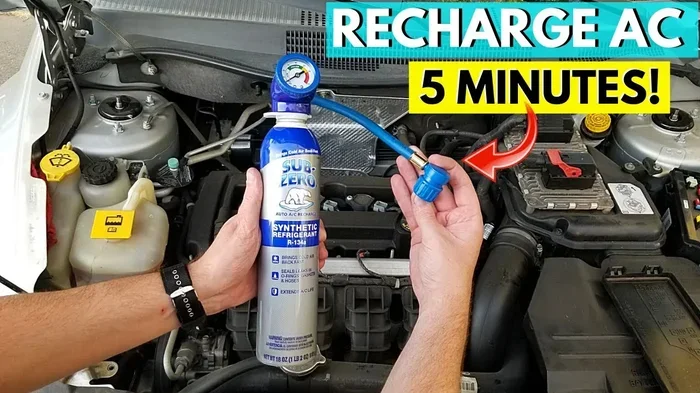
Most consumer-grade cans of freon contain 12 ounces of refrigerant. These cans are sold as single-use recharge kits. They come with a hose and a gauge that attaches to the low-pressure service port. The gauge shows the pressure inside the system as you add refrigerant. When the pressure reaches the recommended level, you stop.
There are also larger cans available for professional use, but for a DIY job, the 12-ounce can is the standard. Some kits come with two 12-ounce cans in a bundle. This is a good option if your vehicle has a large AC system or if you suspect a slow leak that has drained most of the refrigerant.
Quick Tips for Measuring Refrigerant
- Always refer to the owner’s manual for the exact system capacity.
- Use a recharge kit with a built-in gauge for accuracy.
- Never add refrigerant to a system that is still hot from driving. Let the car cool down first.
- Check the low-pressure port location under the hood. It is usually on the larger of the two AC lines.
- Keep the can upright during the recharge to avoid liquid refrigerant entering the compressor.
Signs Your Car AC Needs a Recharge
Knowing the early warning signs of low freon helps you recharge the system before it causes bigger problems. A fully charged AC system should blow air that is 20 to 30 degrees cooler than the outside temperature. If you notice any of the following symptoms, it is time to check your refrigerant level.
Weak Airflow from the Vents
If the air coming from the dashboard vents feels barely cool, the refrigerant level may be low. The compressor might still engage, but without enough freon, it cannot absorb heat efficiently. You might notice the airflow improves for a few seconds and then fades. This on-and-off cooling is a classic sign of a system that needs more refrigerant.
Strange Noises from the AC Compressor
A healthy compressor makes a steady humming sound when the AC is on. If you hear a clicking, rattling, or grinding noise, the compressor might be struggling. Low refrigerant causes the compressor clutch to engage and disengage rapidly. This rapid cycling can wear out the clutch and lead to an expensive repair. Recharging the system often stops the noise immediately.
Visible Leaks or Oil Residue
Refrigerant often leaks out along with a small amount of compressor oil. If you see an oily film around the AC lines or fittings, you likely have a leak. Adding freon without fixing the leak is like filling a bucket with a hole in it. The refrigerant will escape again, and you will waste your money. Always inspect for leaks before you recharge.
DIY Recharge: A Step-by-Step Guide
Recharging your car’s AC is one of the easiest maintenance tasks you can do at home. With a basic recharge kit, you can complete the job in about 15 minutes. I will walk you through the process step by step. Just remember to follow the safety guidelines and never overfill the system.
What You Will Need
- A can of freon or refrigerant (the correct type for your vehicle).
- A recharge kit with a gauge and hose (most cans include these).
- A thermometer to measure vent temperatures.
- A clean rag to wipe the service port.
- Safety glasses and gloves to protect from refrigerant spray.
The Recharge Process
First, start the car and turn the AC to the maximum cool setting. Set the fan to high. Let the engine idle for a few minutes. Locate the low-pressure service port under the hood. It is usually on the larger diameter AC line near the firewall. Wipe the area clean with a rag to remove any dirt.
Next, attach the recharge hose to the low-pressure port. The hose will have a quick-connect fitting that clicks into place. Then, turn the can of freon upside down and slowly open the valve on the hose. The gauge will show the pressure rising. Add refrigerant in short bursts. Watch the gauge closely. When the pressure reaches the recommended level for your vehicle, close the valve and remove the hose.
Finally, let the AC run for a few minutes and check the vent temperature. You should feel a noticeable drop in temperature. If the air is still warm, you may need to add a bit more refrigerant. But stop as soon as the gauge shows the system is full. Overfilling is one of the most common DIY mistakes.
Quick Tips for a Safe DIY Recharge
- Always use the refrigerant type specified in your owner’s manual.
- Never mix different refrigerant types. R-134a and R-1234yf are not interchangeable.
- Work in a well-ventilated area. Refrigerant can displace oxygen in enclosed spaces.
- Do not open the high-pressure port. It can cause serious injury.
- If the system has been empty for a long time, have a mechanic check for moisture before recharging.
Common Mistakes That Can Ruin Your AC System
Even with a simple task like recharging freon, mistakes can happen. I have seen car owners make errors that lead to costly repairs. Avoid these common pitfalls to keep your AC system healthy and efficient.
Overfilling the System
Adding too much refrigerant increases the pressure inside the system. High pressure forces the compressor to work harder. This reduces fuel efficiency and can cause the compressor to fail. The overfilled system also cools less effectively because the refrigerant cannot expand properly in the evaporator. Always use the gauge and stop when it reaches the recommended pressure.
Using the Wrong Refrigerant Type
Not all freon is the same. Older cars from the 1990s and early 2000s often use R-12 or R-134a. Newer vehicles use R-1234yf, which is a more environmentally friendly refrigerant. Using the wrong type can damage seals, clog the system, and void your warranty. Check the label under the hood or the owner’s manual to confirm the correct refrigerant.
Ignoring Leaks
If your car has been losing refrigerant, the leak will continue after you recharge. You will find yourself buying cans of freon every few weeks. This is not only expensive but also harmful to the environment. Use a UV dye or electronic leak detector to find the source of the leak before you add refrigerant. Fix the leak first, then recharge.
When to Call a Professional Mechanic
DIY recharging works great for simple low-refrigerant situations. But some problems require the skills and tools of a professional mechanic. Knowing when to call for help can save you time, money, and a lot of frustration.
Cost Comparison: DIY vs. Shop
A DIY recharge kit costs around 20 to 40 dollars for a can of freon and a gauge. A professional AC recharge service at a repair shop typically costs 100 to 200 dollars, depending on the amount of refrigerant needed and local labor rates. The shop also checks for leaks and evacuates the system properly before refilling it with clean refrigerant.
If you have a slow leak or a clogged system, the DIY route will not fix the problem. In those cases, the shop visit is worth the extra cost. A mechanic can also perform an AC evacuation and recharge, which removes all the old refrigerant and moisture before adding fresh refrigerant. This is the best way to ensure long-term system health.
Expert Insights on Complex Leaks
“I see a lot of customers who keep adding cans of freon to a system that has a small leak. They think they are saving money, but they are just putting refrigerant into the atmosphere and masking a bigger problem. The best advice I can give is to have a professional inspect the system if the AC keeps losing charge. A simple seal or O-ring replacement can save you hundreds of dollars in the long run.” – Mike Torres, ASE Certified Master Technician
Cost Breakdown: How Much Does a Recharge Cost?
The cost of recharging your car’s AC depends on a few factors. The price of a can of freon, the type of refrigerant, and whether you do it yourself or pay a shop all play a role. Here is a simple breakdown to help you budget for the job.
| Item | Typical Cost | Notes |
|---|---|---|
| 12 oz can of R-134a refrigerant | $15 – $25 | Available at auto parts stores |
| 12 oz can of R-1234yf refrigerant | $30 – $50 | Required for most 2021+ models |
| DIY recharge kit (can + gauge) | $20 – $40 | One-time purchase, reusable |
| Professional AC recharge service | $100 – $200 | Includes leak check and evacuation |
| AC leak repair (seal or O-ring) | $50 – $150 | Varies by location and part |
On average, a single can of freon costs between 15 and 50 dollars. Most cars need one to two cans. So if you do it yourself, the total parts cost is usually under 50 dollars. If you go to a shop, you will pay for labor as well. But remember, a professional recharge includes a full system inspection and leak test, which adds value.
When you ask how many cans of freon does a car take to recharge, also consider the cost of any needed repairs. A quick recharge might be all you need. But if the system has a leak, you will spend more in the long run by ignoring it. Fix the leak, then recharge, and your AC will keep you cool for years.
Conclusion
So, how many cans of freon does a car take to recharge? For most vehicles, the answer is one to two cans. But the exact amount comes down to your car’s factory-specified refrigerant capacity. Always check your owner’s manual or the under-hood sticker before you buy a can. Use a gauge to measure the pressure as you add refrigerant, and never overfill the system.
A car AC recharge is a simple job that anyone can do with the right tools and a little patience. By following the steps in this guide, you can save money and keep your cabin cool all summer long. If you notice signs of a leak or hear strange noises from the compressor, do not hesitate to call a professional. A little preventive care goes a long way toward extending the life of your air conditioning system.
Now that you know how many cans of freon your car needs, you are ready to take action. Grab a recharge kit, check your system capacity, and enjoy the cool air. Your car’s AC will thank you for it.
Frequently Asked Questions
Can I use any can of freon to recharge my car?
No, you must use the refrigerant type specified for your vehicle. Older cars typically use R-134a, while newer models from 2021 onward use R-1234yf. Using the wrong type can damage the system and is illegal in many areas. Always check the label under the hood or your owner’s manual before you buy a can.
How do I know if my AC compressor is working?
Start the car and turn the AC to maximum cool. Listen for a steady humming sound from the compressor. You can also look at the AC clutch in the front of the compressor. If it engages and spins when the AC is on, the compressor is working. If it clicks on and off rapidly, the refrigerant level may be too low.
Is it safe to recharge the AC system myself?
Yes, recharging a car AC is a safe DIY task if you follow the instructions carefully. Always wear safety glasses and gloves. Work in a well-ventilated area. Never open the high-pressure port. Use a gauge to avoid overfilling. If you are unsure about any step, it is best to have a professional handle the job.
What happens if I overfill the AC system with freon?
Overfilling increases the pressure inside the system. This can cause the compressor to overheat and fail prematurely. The high pressure also reduces cooling efficiency because the refrigerant cannot expand properly in the evaporator. If you suspect an overfill, have a mechanic evacuate the excess refrigerant and recharge the system to the correct level.
How long does a car AC recharge last?
A properly done recharge should last for years. The AC system is sealed, so refrigerant should not escape under normal conditions. If you find yourself needing to recharge every few months, you likely have a leak that needs to be repaired. Fixing the leak is the only way to keep the system full and avoid constant recharging.
Can I drive my car with a low AC refrigerant level?
Yes, you can still drive the car, but the AC will not cool properly. Low refrigerant can also cause the compressor to overheat and wear out faster. If you rely on your AC for comfort or safety in hot weather, recharge the system as soon as you notice the cooling drops. It is a quick and inexpensive fix that prevents further damage.