Factory Window Tint Explained and Why It Matters So Much
Factory window tint is the pre-applied tint that comes on your car windows straight from the manufacturer. It helps block UV rays, reduce heat, and add privacy while you drive. In this guide, we explain what factory tint is, how it works, and why it is so important for every car owner.
Have you ever looked at a brand-new car and noticed the windows seem a little darker than usual? That is not an accident. It is called factory window tint, and it plays a bigger role in your driving comfort than most people realize. Whether you just bought a new car or have been driving the same ride for years, understanding your factory tint can change the way you think about your vehicle.
Factory window tint is the thin film layer that car makers apply to windows during the building process. It is not something you add later at a shop. It comes with your car right out of the factory. This type of tint offers real benefits like UV protection, heat reduction, and added privacy. In this article, we will break down everything you need to know about factory window tint and why it matters so much for your daily drive.
We will cover how it works, what makes it different from aftermarket options, and the simple steps you can take to get the most from it. By the end, you will see your car windows in a whole new light. Let us dive in.
Key Takeaways
- Factory window tint is built into your car: It is applied during the manufacturing process, not added later.
- It blocks harmful UV rays: This protects your skin and keeps your car interior from fading.
- Factory tint reduces heat inside your car: You stay cooler and your AC works less hard.
- It is different from aftermarket tint: Factory tint is lighter, more durable, and often comes with a warranty.
- Know your local tint laws: Every state has rules about how dark your tint can be.
- Factory tint fades over time: Proper care helps it last longer and look better.
- It adds resale value: Many buyers look for cars with good factory tint already in place.
📑 Table of Contents
What Is Factory Window Tint?
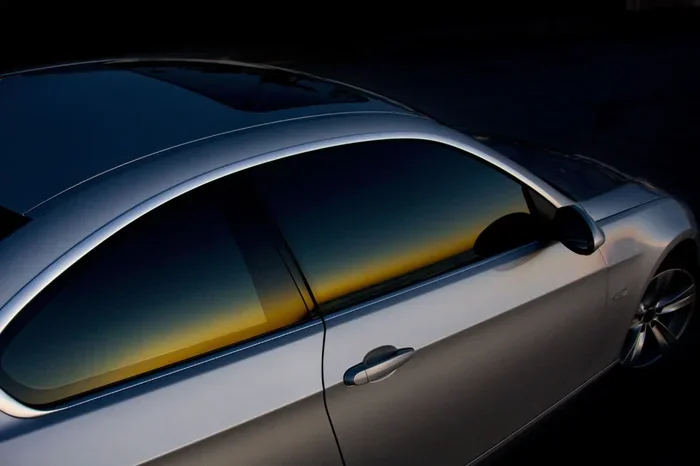
When you buy a new car, the windows often have a slight shade to them. This is factory window tint. It is baked or bonded into the glass during production. Unlike aftermarket tint that you add later, factory tint is part of the window itself. Car makers use this tint to meet safety and comfort standards from day one.
How Is It Different From Regular Tint?
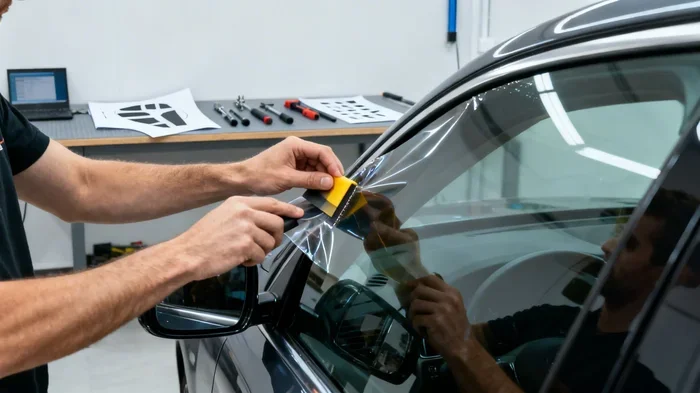
The main difference comes down to how and when it is applied. OEM tint (original equipment manufacturer tint) is integrated into the glass layers. Aftermarket tint is a film stuck on top of the glass. Factory tint is usually lighter in shade. It often sits between 15% and 26% visible light transmission, meaning it lets in a fair amount of light while still cutting glare and heat.
Here are some key traits of factory tint:
- It is applied during the car manufacturing process.
- It uses a dye or metal layer inside the glass.
- It typically has a lighter shade than aftermarket options.
- It comes with the car’s warranty from the start.
- It does not bubble or peel like some cheap films.
Many people confuse privacy glass with factory window tint. While they are related, privacy glass refers more to the dark shade that hides what is inside the car. Factory tint does provide privacy, but its main job is solar control and UV protection. Both features work together to make your driving experience better.
How Does Factory Window Tint Work?
Understanding how factory window tint works is simpler than you might think. The tint is built into the glass using layers. These layers include dyes, metals, or special particles that absorb or reflect sunlight. When sunlight hits the window, the tint blocks a portion of the energy before it enters your car.
The Science Behind It
Here is how the process works in plain terms:
- The glass is made with a thin layer of tint material.
- This layer absorbs ultraviolet (UV) rays and infrared (IR) light.
- Visible light still passes through, so you can see clearly.
- Heat and harmful rays are blocked or reduced significantly.
The result is a window that lets you see out while keeping the inside of your car cooler and safer. Infrared rejection is a big part of this. It stops heat from the sun from building up inside your car on hot days. This is why cars with good factory tint feel noticeably cooler than those without.
What Is Visible Light Transmission?
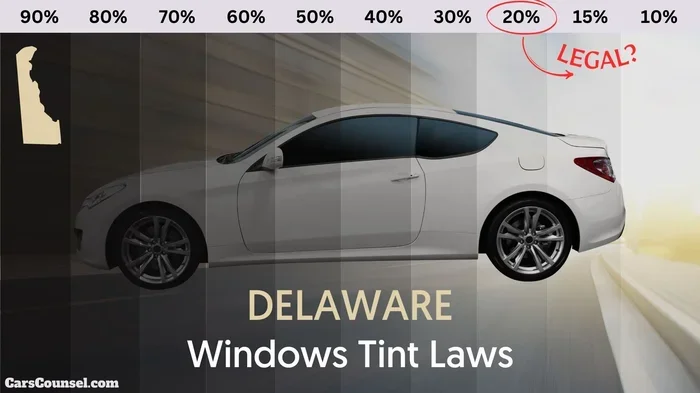
Visible light transmission (VLT) is a term you will hear often. It measures how much light passes through the glass. A higher VLT means more light comes in. A lower VLT means the glass is darker. Factory window tint usually has a VLT between 15% and 26%. This range offers a good balance of comfort, visibility, and style.
Different windows on your car may have different VLT levels. For example, the front windshield often has a clear or very light tint strip at the top. The side and rear windows may have a slightly darker shade. This varies by car model and maker.
Benefits of Factory Window Tint
There are many real-world benefits to having factory window tint on your car. It is not just about looks. The tint serves practical purposes that affect your comfort, health, and even your wallet.
1. UV Protection for Your Skin and Car Interior
UV protection is one of the biggest perks of factory tint. The sun sends out harmful UV rays every single day. Over time, these rays can cause skin damage and fade your car’s dashboard, seats, and trim. Factory window tint blocks up to 99% of UV rays. This helps protect your skin on long drives and keeps your car interior looking new for longer.
2. Heat Rejection and Cooler Cabin
Nobody likes getting into a hot car after it has been sitting in the sun. Factory tint helps by rejecting a large portion of solar heat. This means your car AC does not have to work as hard. You stay cooler, and your fuel efficiency can even improve slightly because your AC system runs less.
3. Glare Reduction for Safer Driving
Sun glare can be dangerous, especially during early morning or late afternoon drives. Factory window tint cuts down on glare significantly. This means less squinting, less eye strain, and better focus on the road. It is a simple safety feature that many drivers take for granted.
4. Added Privacy and Security
With factory tinted windows, people outside cannot easily see into your car. This gives you a layer of privacy. It also adds a small level of security, since thieves are less likely to target a car where they cannot see valuables inside.
5. Improved Resale Value
When it is time to sell your car, factory window tint is a nice selling point. Buyers often prefer cars that already have quality tint installed. It saves them money and time compared to adding aftermarket tint later. A well-maintained factory tint can boost your car’s appeal on the used market.
Factory Tint vs Aftermarket Tint
One of the most common questions we hear is: should you stick with factory tint or upgrade to aftermarket tint? The answer depends on your needs, budget, and local laws. Let us break down the key differences.
Key Differences at a Glance
| Feature | Factory Window Tint | Aftermarket Tint |
|---|---|---|
| Application | Built into glass during manufacturing | Film applied to glass after purchase |
| Shade Darkness | Lighter, usually 15-26% VLT | Can range from 5% to 50% VLT |
| Durability | Very durable, lasts the life of the car | Varies by film quality, 5-10 years |
| UV Protection | Good, blocks up to 99% UV | Excellent with quality ceramic films |
| Heat Rejection | Moderate to good | Excellent with premium films |
| Bubble or Peeling Risk | Very low | Higher with low-quality films |
| Warranty | Included with car warranty | Separate film warranty |
| Cost | Included in car price | $200-$600+ depending on quality |
Which One Is Right for You?
If your car already has good factory tint, you may not need to add aftermarket film. However, if you want darker shade or stronger heat rejection, aftermarket ceramic tint is a great upgrade. Just make sure you follow your local window tint law to avoid fines or inspection issues.
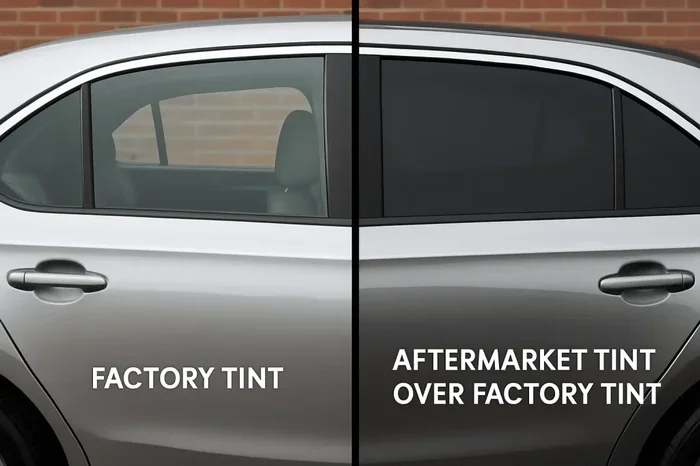
Keep in mind that adding aftermarket tint over factory tint can sometimes cause bubbling or adhesion problems. If you are considering this route, talk to a trusted auto tint professional first. They can advise you on the best approach for your specific vehicle.
Common Mistakes People Make with Factory Window Tint
Even though factory window tint is built to last, there are some common mistakes that car owners make. Avoiding these simple errors can help your tint stay in great shape for years.
1. Using Harsh Cleaners
Many people do not realize that harsh cleaning products can damage factory tint over time. Ammonia-based cleaners can break down the tint layer and cause it to peel or bubble. Always use a gentle, ammonia-free cleaner for your windows.
2. Ignoring Tint Laws
Every state and country has its own window tint law. These rules set limits on how dark your tint can be and which windows can be tinted. Ignoring these laws can lead to fines, failed inspections, or even being asked to remove your tint. Know your local rules and stay compliant.
3. Assuming All Factory Tint Is the Same
Not all factory tinted windows are created equal. Different car makers use different tint materials and shades. Some use a basic dye, while others use advanced solar control technology. Do not assume your neighbor’s car has the same tint quality as yours. Check with your dealer or car manual for details.
4. Skipping Regular Maintenance
Factory tint is low-maintenance, but it is not maintenance-free. Dirt, debris, and UV exposure can slowly wear it down. A quick wipe-down with a soft cloth and mild cleaner goes a long way in preserving the tint’s appearance and performance.
Expert Tips to Get the Most from Your Factory Window Tint
Want to make sure your factory window tint performs at its best? Follow these expert-backed tips to get the most out of your car’s tint.
Tip 1: Park in the Shade When Possible
Even the best UV protection can only do so much. Parking in the shade reduces the overall sun exposure on your car. This helps your tint last longer and keeps your interior cooler.
Tip 2: Use a Sunshade on the Windshield
Your front windshield usually has the least amount of factory tint. A sunshade can help block extra heat and UV rays when your car is parked. This is a simple habit that protects both your tint and your car interior.
Tip 3: Avoid Tinting Over Factory Tint Without Research
Adding aftermarket tint over factory tint is possible, but it requires careful thought. Make sure the combined layers do not push your tint too dark for legal limits. Also, ensure the installer uses high-quality film to avoid adhesion issues.
Tip 4: Inspect Your Tint Annually
Once a year, take a close look at your factory tint. Check for any signs of peeling, bubbling, or discoloration. Catching small issues early can prevent bigger problems down the road. If you notice any damage, consult a professional auto tint specialist for advice.
Tip 5: Know Your VLT Percentage
Understanding your car’s visible light transmission percentage helps you stay within legal limits and make informed decisions. You can find this information in your car manual or by asking your dealer. This knowledge is especially useful if you ever decide to add aftermarket tint.
Quick Tips Summary
- Use ammonia-free window cleaners only.
- Park in shaded areas to reduce sun exposure.
- Inspect your tint once a year for damage.
- Follow your local tint shade regulations.
- Avoid scratching or scraping your windows.
- Use a sunshade on the windshield when parked.
- Talk to a professional before adding aftermarket tint.
Why Factory Window Tint Matters So Much
By now, it should be clear that factory window tint is far more than a cosmetic feature. It is a functional part of your car that impacts your health, comfort, and safety every time you drive. From blocking harmful UV rays to reducing glare and keeping your car cooler, factory tint does a lot of heavy lifting behind the scenes.
Many car owners do not think about their tint until something goes wrong. By that point, the damage may already be done. Taking a proactive approach to understanding and caring for your factory tinted windows pays off in the long run. You enjoy a more comfortable ride, lower interior temperatures, and better protection from the sun’s harmful effects.
Whether you are shopping for a new car or simply want to learn more about the one you already own, factory window tint is a topic worth your attention. It is one of those small details that makes a big difference in your daily driving experience.
Conclusion
Factory window tint is a built-in feature that many of us overlook. But as we have seen, it plays a vital role in UV protection, heat rejection, glare reduction, and overall driving comfort. Understanding what your factory tint does and how to care for it helps you get the most from your vehicle every single day.
Take a moment to learn about your car’s specific tint levels and visible light transmission ratings. Follow the simple maintenance tips shared in this guide. And if you ever consider upgrading to aftermarket tint, do your research first. Your car’s windows are more than just glass. They are a key part of your driving experience, and factory window tint is what makes them work better.
Start paying attention to your tint today. Your future self will thank you every time you step into a cooler, safer, and more comfortable car.
Frequently Asked Questions
What is factory window tint made of?
Factory window tint is typically made using a dye or metal layer that is baked into the glass during manufacturing. Some makers also use a special solar control coating. This is different from aftermarket tint, which is a separate film applied to the outside or inside of the glass.
Does factory window tint block UV rays?
Yes, factory window tint blocks a significant amount of UV rays, often up to 99%. This protection helps keep your skin safe and prevents your car’s interior from fading or cracking due to sun exposure over time.
Can I tint my windows darker than factory tint?
You can add aftermarket tint to darken your windows beyond the factory shade. However, you must follow your local window tint law to ensure the combined shade is legal. Always check regulations before making any changes.
How long does factory window tint last?
Factory tint is designed to last the entire life of the vehicle. Unlike aftermarket films that may bubble or peel over time, OEM tint is bonded into the glass and is very durable with proper care and maintenance.
Is factory window tint the same as privacy glass?
They are related but not the same. Privacy glass refers to the dark shade that hides the car’s interior. Factory window tint serves a broader purpose, including UV protection, heat rejection, and glare reduction, in addition to providing some privacy.
Does factory tint affect my car’s resale value?
Yes, having quality factory window tint can positively impact your car’s resale value. Many buyers appreciate cars that already come with good tint because it saves them time and money compared to adding it themselves later.