Does Car Insurance Cover Hurricane Damage
Does car insurance cover hurricane damage? The answer depends on your policy type and the kind of damage your vehicle sustains. Comprehensive coverage typically pays for storm-related harm like flooding, wind damage, and falling debris. Collision coverage helps if your car crashes during a hurricane. Without comprehensive auto insurance, most hurricane damage won’t be covered. Understanding your policy limits and deductible amounts before storm season can save you thousands of dollars.
Does car insurance cover hurricane damage? This is one of the most common questions drivers ask as storm season approaches. The short answer is: it depends on your coverage type. But the full picture is more nuanced than a simple yes or no.
Your auto insurance policy is made up of different parts. Each part covers specific types of damage. Some protections kick in for storm-related harm. Others only apply to accidents you cause. Understanding these differences is crucial before a hurricane hits your area.
Let’s walk through everything you need to know. We’ll cover what’s included, what’s not, and how to file a claim if your car takes a beating from a storm. By the end, you’ll know exactly where you stand with your hurricane damage car insurance.
Key Takeaways
- Comprehensive coverage is essential: It is the primary protection against hurricane-related car damage, including flood and wind damage.
- Collision coverage also helps: It covers accidents that happen during a storm, such as hitting a fallen tree.
- Named storm deductibles are higher: Many insurers apply a separate deductible for hurricane and named storm claims.
- Filing a claim quickly matters: Documenting damage early speeds up the claims process and improves your chances of approval.
- Not all damage is covered: Mechanical failures or wear and tear from neglect are typically excluded from hurricane claims.
- Preparation reduces risk: Parking your car in a safe location before a storm can prevent damage and simplify claims.
- Review your policy now: Don’t wait until hurricane season to understand what your auto insurance policy covers.
📑 Table of Contents
- What Does Car Insurance Cover During a Hurricane?
- Comprehensive Coverage vs. Collision Coverage
- Named Storm Deductibles: What You Need to Know
- What Happens If Your Car Is Damaged by a Hurricane?
- How to File a Hurricane Damage Claim
- Common Mistakes Drivers Make After Hurricane Damage
- Tips to Protect Your Car Before Hurricane Season
- What If Your Claim Gets Denied?
- Conclusion
What Does Car Insurance Cover During a Hurricane?
When a hurricane strikes, your car can suffer all kinds of damage. Trees fall on hoods. Floodwaters rise around tires. Wind shatters windshields. The question is whether your insurance policy will pay for any of it.
The answer hinges on the type of coverage you carry. Most states require liability insurance. But liability coverage only pays for damage you cause to others. It does not pay for your own car. So if a hurricane damages your vehicle, liability insurance won’t help.
You need additional coverage types to protect your car during a storm. Let’s look at what those are and how they work.
Comprehensive Coverage: Your First Line of Defense
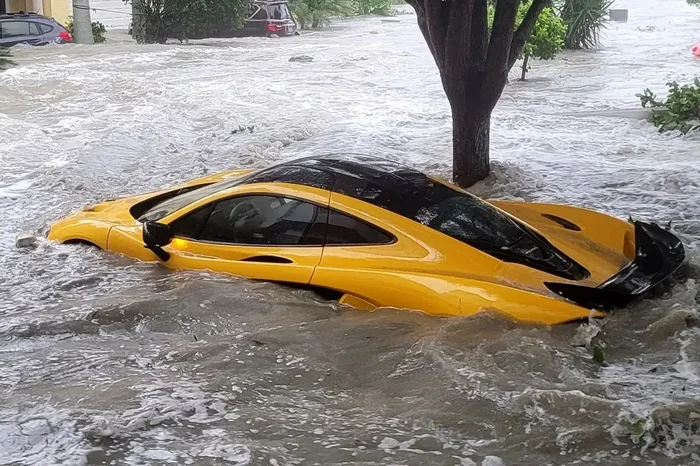
Comprehensive coverage is the hero of hurricane damage claims. This optional coverage pays for non-collision damage to your vehicle. That includes harm caused by storms, fires, theft, and falling objects.
Here’s what comprehensive coverage typically includes during a hurricane:
- Flood damage: Water rising around or into your car
- Wind damage: Flying debris hitting your vehicle
- Falling trees or branches: Objects that crash onto your car
- Hail damage: Dents and dings from hailstone impacts
- Lightning strikes: Electrical damage from a direct hit
Without comprehensive coverage, you’ll pay for all hurricane repairs out of your own pocket. And those bills can be staggering. A flooded engine alone can cost several thousand dollars to fix.
Collision Coverage: Protection During Storm Accidents
Collision coverage pays for damage when your car hits something or rolls over. During a hurricane, this matters more than people think.
Consider this scenario. You’re driving during a storm and a tree branch falls in front of you. You swerve and hit a guardrail. That’s a collision claim. Collision coverage would pay for the damage, minus your deductible.
But here’s the catch. If you only have liability insurance and no collision coverage, you’re on your own for those repairs. That’s why many drivers pair collision with comprehensive coverage for full storm protection.
Comprehensive Coverage vs. Collision Coverage
These two types of auto insurance work together but cover very different situations. Understanding the difference helps you make smart decisions about your policy.
| Coverage Type | What It Covers | Hurricane Damage Examples |
|---|---|---|
| Comprehensive | Non-collision events | Flooding, wind damage, falling trees, hail, lightning |
| Collision | Accidents with objects or vehicles | Hitting debris, rolling over, crashing during evacuation |
| Liability | Damage you cause to others | Does not cover your own vehicle |
The table above shows why both comprehensive and collision coverage matter during hurricane season. Together, they provide broad protection. But neither covers everything. Let’s look at what else you should know.
What About Full Coverage?
You’ve probably heard the term “full coverage.” In reality, there’s no such thing as one policy that covers every possible scenario. “Full coverage” is just a term people use for a policy that includes both comprehensive and collision coverage.
Even full coverage has limits. Your policy limits cap how much the insurer will pay. And you still need to meet your deductible before the coverage kicks in.
Named Storm Deductibles: What You Need to Know
Here’s something many drivers don’t realize. Some insurance companies apply a special named storm deductible during hurricanes. This is different from your standard deductible.
A regular deductible might be $500. But a named storm deductible could be 2%, 5%, or even 10% of your car’s value. So if your car is worth $25,000 and your storm deductible is 5%, you’d pay $1,250 out of pocket before coverage starts.
This is a big deal. It means you need to understand your deductible structure before hurricane season begins. Not all states require named storm deductibles. But states in hurricane-prone areas like Florida and Texas often do.
How Named Storm Deductibles Work
Insurance companies usually define a named storm based on official declarations. If the National Weather Service or NOAA names a storm and it affects your area, the special deductible applies.
Here are some key points about named storm deductibles:
- They apply per claim, not per season
- They only apply to comprehensive claims related to the storm
- The deductible amount varies by state and insurer
- You must pay the deductible before the insurer pays the rest
Always check your policy documents for the exact deductible language. If you’re unsure, call your agent and ask directly. It’s better to know now than to be surprised after the storm passes.
What Happens If Your Car Is Damaged by a Hurricane?
Let’s say the worst happens. A hurricane hits your area and your car sustains damage. What do you do next? The steps you take right after a storm matter a lot.
First, make sure you and your family are safe. Don’t try to assess damage until authorities say it’s okay to go outside. Once conditions are safe, follow these steps.
Step 1: Document Everything
Take photos and videos of all damage before you move or repair anything. Capture close-ups of dents, cracks, and water lines. Also take wide shots that show the overall damage.
Write down a detailed description of what happened. Include the date, time, and weather conditions. This documentation is critical for your insurance claim.
Step 2: Contact Your Insurance Company
Call your insurance provider as soon as possible. Most companies set up special claims hotlines during major storms. Report the damage right away and ask about next steps.
Be ready to provide your policy number, a description of the damage, and photos. The sooner you file, the faster the process usually moves.
Step 3: Get Repair Estimates
Take your car to a trusted mechanic or dealership for an estimate. Your insurer may require you to use an approved repair shop. Ask your claims adjuster about their preferred network.
Keep all receipts and records. Even small expenses like towing costs can be included in your claim.
Step 4: Understand Your Payout
Your insurer will assess the damage and determine the payout. If the repair costs exceed the car’s value, it may be declared a total loss. In that case, you’d receive the car’s actual cash value minus your deductible.
Don’t accept the first offer if you think it’s too low. You have the right to dispute the valuation. Provide evidence like recent receipts for upgrades or maintenance to support your case.
How to File a Hurricane Damage Claim
Filing a claim after a hurricane can feel overwhelming. But breaking it down into clear steps makes the process much easier. Here’s a practical guide to help you navigate the claims process.
Before You File
Gather all your documents first. You’ll need your insurance policy, photos of the damage, a police report if applicable, and any receipts for emergency repairs. Being organized saves time and reduces stress.
During the Filing Process
When you contact your insurer, be clear and specific. Describe the damage in detail. Mention any injuries or other property damage. Stick to the facts and avoid speculation about causes.
Ask these important questions during the call:
- What is my deductible for this claim?
- How long will the claims process take?
- Do I need to use a specific repair shop?
- Will I receive a rental car while repairs are made?
After You File
Keep copies of everything you send and receive. Follow up with your adjuster regularly. If you don’t hear back within a reasonable time, escalate the issue to a supervisor.
Remember that insurance companies handle many claims after a major storm. Delays are common. Patience and persistence go a long way in getting your claim resolved.
Expert Insight
Insurance adjusters recommend filing your claim within 72 hours of the storm if possible. While most policies don’t have a strict deadline, early filing shows good faith and can speed up processing. Keep a file with all correspondence, receipts, and notes organized in one place throughout the entire claims journey.
Common Mistakes Drivers Make After Hurricane Damage
Avoiding common mistakes can save you time, money, and frustration. Here are the pitfalls to watch out for.
Waiting Too Long to File
Some drivers wait weeks before contacting their insurer. This can complicate your claim. While most policies allow time to file, delays raise questions about the cause of damage.
Not Documenting Damage Properly
Vague descriptions lead to low payouts or denied claims. Always provide clear photos, written details, and supporting evidence. The more thorough you are, the stronger your claim becomes.
Making Repairs Before the Adjuster Visits
It’s tempting to fix obvious damage right away. But doing so before an adjuster inspects the vehicle can hurt your claim. Wait for the insurer’s approval before starting any permanent repairs.
Ignoring the Deductible
Many drivers forget about their deductible until they receive a payout. Calculate your deductible amount in advance so you know what to expect. This prevents surprises when the claim check arrives.
Tips to Protect Your Car Before Hurricane Season
Prevention is always better than repair. Taking steps before hurricane season can reduce your risk of damage and simplify any future claims.
Park Your Car in a Safe Location
If possible, park your vehicle in a garage or covered area. This protects it from wind, flying debris, and falling branches. If you don’t have a garage, park away from trees and power lines.
Keep Your Policy Up to Date
Review your auto insurance policy before hurricane season starts. Make sure your coverage limits and deductibles match your needs. Consider adding comprehensive coverage if you don’t already have it.
Prepare an Emergency Kit for Your Car
Keep a kit in your trunk with essentials like a flashlight, first-aid supplies, and important documents in a waterproof container. After a storm, these items can be invaluable.
Know Your Local Flood Zones
Check if your area is prone to flooding. If you live in a flood zone, consider additional protections like sandbagging your driveway or using a car cover during severe storms.
Understand Your Policy’s Exclusions
Every policy has exclusions. Common ones include wear and tear, neglect, and intentional damage. Read your policy carefully so you know what’s not covered. This knowledge helps you make informed decisions about supplemental coverage.
Quick Tips for Hurricane Season
- Take photos of your car from all angles before storm season starts
- Store your insurance documents in a waterproof bag
- Know your claims hotline number by heart
- Keep your gas tank at least half full during storm threats
- Consider roadside assistance coverage for towing during emergencies
What If Your Claim Gets Denied?
Sometimes claims get denied. This doesn’t mean you’re out of options. You have the right to appeal the decision.
Start by asking your insurer for a written explanation of the denial. Review it carefully. Look for errors or misunderstandings. Gather additional evidence to support your case.
If the insurer stands by its decision, you can file a complaint with your state’s insurance department. They can mediate disputes and help you understand your rights under state insurance laws.
In some cases, hiring a public adjuster or insurance attorney may be worthwhile. These professionals advocate for you and can negotiate better outcomes on your behalf.
Conclusion
Does car insurance cover hurricane damage? The answer is: it depends on your specific policy and coverage type. Comprehensive coverage is your best protection against storm-related harm like flooding, wind damage, and falling objects. Collision coverage helps when accidents happen during the chaos of a storm. Without these coverages, you’ll likely pay for repairs yourself.
Understanding your deductible structure, especially named storm deductibles, is just as important as knowing your coverage types. Take time before hurricane season to review your policy, document your vehicle’s condition, and prepare for the worst-case scenario.
Don’t wait for a hurricane to find out what your policy covers. Act now. Review your auto insurance policy, ask your agent questions, and make sure you have the right protections in place. A little preparation today can save you thousands of dollars tomorrow.
Storms are unpredictable. But your level of preparedness doesn’t have to be. Take control of your car insurance coverage and drive into hurricane season with confidence.
Frequently Asked Questions
Will my car insurance cover flood damage from a hurricane?
Yes, if you have comprehensive coverage. This type of policy pays for flood damage, including water that enters your vehicle during a hurricane. Without comprehensive coverage, flood damage is typically not covered. Always check your specific policy to confirm your protections.
What is the difference between a regular deductible and a named storm deductible?
A regular deductible applies to all comprehensive and collision claims. A named storm deductible is a separate, often higher amount that applies specifically to hurricane and storm-related claims. Named storm deductibles are common in coastal states and are usually calculated as a percentage of your vehicle’s value.
How long does it take to process a hurricane damage claim?
The timeline varies depending on the insurer and the severity of the storm. Simple claims may be resolved in a few weeks. Complex claims involving total losses or widespread damage can take several months. Filing promptly and providing thorough documentation helps speed up the process.
Does liability insurance cover any hurricane damage to my own car?
No. Liability insurance only covers damage you cause to other people or their property. It does not pay for repairs to your own vehicle after a hurricane. You need comprehensive or collision coverage for that protection.
Can I cancel my comprehensive coverage if I can’t afford it?
You can cancel it, but doing so leaves your vehicle unprotected against storm damage. If you live in a hurricane-prone area, dropping comprehensive coverage is risky. Consider adjusting your deductible instead to lower premiums while keeping coverage in place.
What should I do immediately after my car is damaged by a hurricane?
First, ensure your safety and that of your family. Then document all damage with photos and videos. Contact your insurance company right away to start the claims process. Avoid making permanent repairs until your adjuster has inspected the vehicle. Keep all receipts for any temporary or emergency repairs you make.