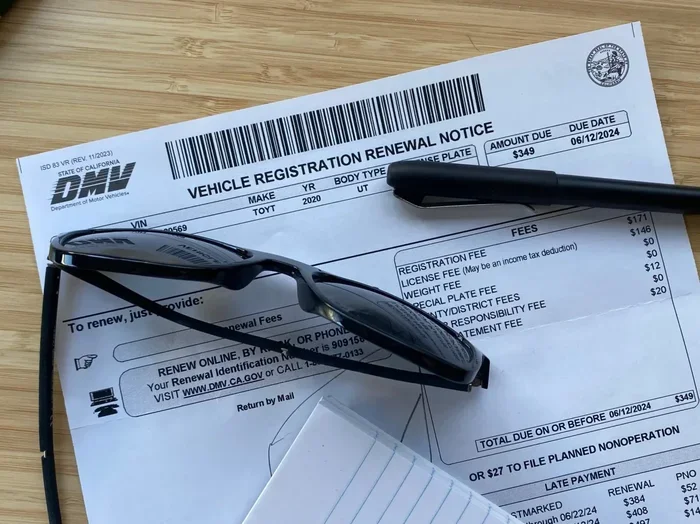
Do You Have to Pay Registration Fees at the Dealership
Do You Have to Pay Registration Fees at the Dealership? The short answer is yes, in most cases you will pay some form of registration-related fees when buying a car. These fees cover title transfers, state taxes, and plate costs. However, the exact amount and who handles the process can vary a lot depending on your location and the dealer you choose. Understanding these costs upfront helps you avoid surprises and budget wisely for your new ride.
Do You Have to Pay Registration Fees at the Dealership? If you are buying a car, this is one of the questions that can sneak up on you. The answer is not always a simple yes or no. It depends on where you live, what type of car you are buying, and how the dealer handles the paperwork. Most buyers end up paying some version of registration fees, but the way they pay and the total amount can change a lot. This guide breaks down everything you need to know. You will learn what these fees cover, how much to expect, and smart ways to save money. By the end, you will feel confident walking into any dealership without worrying about hidden costs.
Car registration is the process of officially recording your vehicle with the state government. It gives you legal permission to drive on public roads. When you buy a car, whether new or used, the registration process kicks in. The dealership often plays a big role in this. Some dealers handle the entire registration process for you. Others let you take care of it yourself at your local DMV or motor vehicle office. Either way, there are costs involved. Understanding these costs is the first step to making a smart purchase. Let us dive into the details.
Key Takeaways
- Dealerships often collect registration fees on your behalf: Many dealers handle the paperwork and pass the fees along to you.
- You can save money by registering at your local DMV: Doing it yourself sometimes cuts out dealer handling fees and markup.
- Fees vary by state and vehicle type: Sales tax, title fees, and plate costs differ widely across the country.
- Always ask for a fee breakdown before signing: A transparent dealer will list every charge clearly.
- Temporary tags are usually included in the deal: You can drive legally while waiting for permanent plates.
- Used car registration fees may differ from new car fees: The age and value of the vehicle impact what you pay.
- Budget extra for hidden costs like documentation fees: These are separate from registration but often bundled together.
📑 Table of Contents
- What Are Registration Fees and Why Do They Exist?
- Do Dealerships Charge Registration Fees?
- How Much Do Registration Fees Cost?
- Can You Register a Car Yourself Instead of at the Dealership?
- What Is the Registration Process Like at a Dealership?
- Quick Tips to Save Money on Registration Fees
- Common Mistakes Buyers Make with Registration Fees
- Key Takeaways
- Final Thoughts
What Are Registration Fees and Why Do They Exist?
Registration fees are charges the government places on vehicle owners. They fund road maintenance, transportation projects, and other public services. Every state sets its own fee structure. This means the cost can vary a lot from one place to another. The fees usually include several components. Each component serves a specific purpose in the vehicle registration process.
Common Parts of Registration Fees
- Title Transfer Fee: This is the cost of moving the vehicle title from the seller to you. It proves you are now the legal owner.
- State Registration Fee: A base fee every vehicle owner must pay to the state. It covers the cost of maintaining registration records.
- Plate Fee: This pays for your license plates. Some states charge more for specialty plates or personalized plates.
- Sales Tax: Many states charge sales tax on vehicle purchases. This is one of the biggest costs buyers face. Rates can range from 2% to over 10% depending on your location.
- County or Local Fees: Some areas add extra fees on top of state charges. These can include county taxes or local transportation district fees.
All of these fees add up. That is why many buyers feel overwhelmed when they see the total at the dealership. The key is to know what each fee is for. When you understand the breakdown, it is easier to spot any unfair charges. Always ask the dealer for a detailed fee list before you sign anything.
Do Dealerships Charge Registration Fees?
The short answer is yes. Most dealerships charge registration-related fees as part of the car buying process. But how they charge and what they include can be very different from one dealer to another. Some dealers collect all the fees and handle the paperwork for you. Others let you pay the registration fees directly to the state yourself.
How Dealers Handle Registration
When you buy a car from a dealership, the dealer often acts as a middleman. They collect your registration fees, title fees, and sales tax. Then they send the payment to the state on your behalf. This is convenient because you do not have to make separate trips to the DMV. The dealer also typically provides you with temporary registration tags. These let you drive the car legally while you wait for your permanent plates to arrive.
However, this convenience can come at a cost. Some dealers add their own handling fees on top of the actual registration costs. These are sometimes called “dealer documentation fees” or “doc fees.” They are not the same as state registration fees. Doc fees are charges the dealer adds for processing your paperwork. These fees vary widely and are not always regulated by the state.
Dealer Documentation Fees Explained
Dealer documentation fees are one of the most common complaints among car buyers. These fees can range from $50 to several hundred dollars. They cover the dealer’s cost of preparing and processing your purchase documents. Some states cap these fees. Others let dealers charge whatever they want. This is why it is so important to ask about doc fees before you finalize a deal.
Here is a quick tip. Always ask for a full breakdown of every fee before you sign the contract. If a fee looks confusing or too high, speak up. A good dealer will explain it clearly. A bad dealer will try to rush you past it. Do not let anyone pressure you into accepting fees you do not understand.
How Much Do Registration Fees Cost?
The cost of registration fees depends on several factors. The type of vehicle you buy is one of the biggest factors. New cars often cost more to register than older used cars. The state you live in also plays a huge role. Let us look at some common scenarios to give you a better idea.
New Car Registration Costs
When you buy a brand-new car, the registration fees tend to be higher. This is because the vehicle has a higher value. Sales tax is usually calculated based on the purchase price. So a more expensive car means more tax. Here is a simple example.
Let us say you buy a new car for $30,000 in a state with a 7% sales tax. Your sales tax alone would be about $2,100. Add the title fee, registration fee, and plate fee. You could be looking at $2,300 to $2,800 in total registration-related costs. That is a lot of money, and it is on top of the car price itself.
Used Car Registration Costs
Used cars generally have lower registration fees. The sales tax is still based on the purchase price, but that price is usually lower. A used car that costs $15,000 with a 7% sales tax would have about $1,050 in tax. The total registration cost might come to around $1,200 to $1,500. This is significantly less than what you would pay for a new car.
State-by-State Registration Fee Comparison
Registration fees vary a lot from state to state. Here is a simple comparison of what you might expect in different locations. Keep in mind that these are rough estimates. Always check with your local DMV or the dealership for exact numbers.
High Registration Fee States: California, New York, and Florida tend to have higher fees. California charges a vehicle license fee based on the car’s value. New York has a combination of title fees, sales tax, and registration fees that can add up quickly.
Low Registration Fee States: Florida has no state income tax but does charge a high sales tax on cars. Montana and Alaska are known for lower vehicle registration costs. States like Oregon and New Hampshire also keep fees relatively low.
The best thing you can do is research your specific state’s fee structure before you visit a dealership. This gives you a baseline to compare against what the dealer tells you.
Can You Register a Car Yourself Instead of at the Dealership?
Yes, you absolutely can. Many buyers choose to skip the dealer’s registration service and handle it themselves. This approach can save you money and give you more control over the process. But it also means more work on your end.
Pros of Self-Registration
- Save on dealer handling fees: You avoid doc fees and dealer markup on registration services.
- More transparency: You see exactly what each fee is and where your money goes.
- Control over timing: You can register the car when it is most convenient for you.
- No pressure: You do not have to deal with dealer pushback on any extra charges.
Cons of Self-Registration
- More time and effort: You need to gather all the documents and visit the DMV or mail in your application.
- Temporary tags can be tricky: Without the dealer’s help, getting temporary tags may require extra steps.
- Mistakes can delay the process: If you fill out forms incorrectly, it can cause delays and frustration.
If you decide to register the car yourself, start by gathering all the necessary documents. You will typically need the bill of sale, the vehicle title, proof of insurance, and your identification. Check your state’s DMV website for a complete list of requirements. This small step can save you a lot of headaches later.
What Is the Registration Process Like at a Dealership?
The registration process at a dealership is designed to be as smooth as possible for the buyer. Most dealers have a dedicated finance or paperwork team that handles everything. Here is a step-by-step look at what typically happens.
Step-by-Step Registration at the Dealership
- Finalize the Purchase: First, you sign the sales contract and pay for the vehicle. This includes the down payment and any financing arrangements.
- Review the Fee Breakdown: The dealer provides a list of all fees, including registration fees, title fees, and doc fees. Review this carefully.
- Submit the Paperwork: The dealer collects your information and submits the registration application to the state.
- Pay the Fees: You pay all the registration-related charges. The dealer forwards the correct amounts to the state and local agencies.
- Receive Temporary Tags: The dealer gives you temporary registration tags. These let you drive the car legally while waiting for permanent plates.
- Receive Permanent Plates: After a few weeks, your permanent plates arrive in the mail. The dealer may help you with this or let you handle it yourself.
The entire process usually takes a few weeks from start to finish. The temporary tags keep you legal during the waiting period. Always keep a copy of your temporary registration with you while driving. If you get pulled over, you will need to show proof that your registration is in progress.
Quick Tips to Save Money on Registration Fees
Nobody wants to overpay on registration fees. The good news is there are several ways to keep costs down. Here are some practical tips that real car buyers use to save money.
- Negotiate the doc fee: Dealer documentation fees are often negotiable. Ask the dealer to reduce or waive this fee before you sign.
- Register at the DMV yourself: If you are comfortable handling paperwork, skip the dealer’s service and save on handling fees.
- Research your state’s fees ahead of time: Know what the standard fees are so you do not get overcharged.
- Check for exemptions or discounts: Some states offer reduced fees for certain groups, like veterans or seniors. Ask your DMV about available discounts.
- Buy a less expensive vehicle: Since sales tax is based on the purchase price, a lower-priced car means lower taxes and fees.
- Ask about trade-in tax credits: Some states reduce the taxable amount by the value of your trade-in. This can lower your sales tax significantly.
Expert Insight
According to automotive finance experts, the biggest mistake buyers make is not asking for a complete fee breakdown. Many buyers sign the paperwork without understanding what they are paying for. Take the time to review every line item. If something does not make sense, ask the dealer to explain it. This one habit can save you hundreds of dollars.
Common Mistakes Buyers Make with Registration Fees
Even smart buyers sometimes make mistakes when it comes to registration fees. These errors can cost you time and money. Here are the most common ones to avoid.
Not Reading the Fine Print
The most common mistake is signing the contract without reading it. The fine print often includes hidden fees that the dealer did not explain verbally. Always read every document before you sign. If you do not understand something, ask for clarification.
Assuming the Dealer Quote Is Final
Some buyers accept the first fee quote the dealer gives them. But quotes are not always set in stone. You can negotiate fees, especially the documentation fee. Do not be afraid to ask for a better deal. Dealers would rather adjust a fee than lose a sale.
Forgetting About Ongoing Costs
Registration is not a one-time cost. Most states require you to renew your registration every year or two. Renewal fees can add up over time. When budgeting for a car, factor in these recurring costs. This gives you a more realistic picture of the total cost of ownership.
Ignoring Out-of-State Registration Rules
If you move to a new state or buy a car from a dealer in a different state, the registration rules change. You may need to re-register the vehicle in your new state. This can involve additional fees and a different timeline. Plan ahead if you are relocating or buying from an out-of-state dealer.
Key Takeaways
- Registration fees are a normal part of buying a car: Almost every buyer pays them in some form.
- Dealerships often handle registration for you: This is convenient but may include extra fees.
- You can save money by registering yourself: Going to the DMV directly can cut out dealer handling costs.
- Fees vary widely by state and vehicle type: Always research your specific situation before visiting a dealer.
- Ask for a full fee breakdown and negotiate: Knowledge is your best tool for avoiding overpayment.
Final Thoughts
Do You Have to Pay Registration Fees at the Dealership? Yes, you will almost certainly pay registration-related fees when you buy a car. But you have more control over this process than you might think. By understanding what the fees are, where they come from, and how to negotiate them, you can avoid paying more than you should. The best approach is to do your homework before you walk into a dealership. Know your state’s fee structure. Ask for a detailed breakdown of every charge. And do not be afraid to negotiate or choose self-registration if it makes sense for you.
Buying a car is exciting. Do not let confusing fees take away from that excitement. With the right knowledge, you can navigate the registration process with confidence. You will know exactly what you are paying for and why. This puts you in a strong position as a buyer. Whether you choose to let the dealership handle registration or do it yourself, the most important thing is that you go in informed and prepared.
Take the time to compare fees, ask questions, and read every document carefully. These small steps add up to big savings. And they give you peace of mind knowing you made a smart, well-informed decision. Your new car deserves a smooth start, and understanding registration fees is the first step toward that.
Frequently Asked Questions
What exactly are registration fees when buying a car?
Registration fees are government charges you pay to officially register your vehicle with the state. These fees cover the title transfer, license plates, and state registration costs. They are separate from the car’s purchase price and any dealer documentation fees.
Can I skip paying registration fees at the dealership?
You cannot skip registration fees entirely because the government requires them. However, you can choose to handle the registration process yourself at your local DMV instead of letting the dealership do it. This can sometimes save you money on dealer handling fees.
How much should I expect to pay in registration fees?
The amount varies by state, vehicle type, and purchase price. On average, buyers pay anywhere from $100 to $500 in registration-related fees, plus sales tax. Higher-priced vehicles and states with high sales tax will cost more. Always ask for a fee breakdown before you finalize the purchase.
Are dealer documentation fees the same as registration fees?
No, they are not the same. Dealer documentation fees are charges the dealership adds for processing your paperwork. Registration fees are government charges for registering the vehicle with the state. Both are separate costs that you will likely encounter when buying a car.
How long does it take to get permanent registration plates?
It usually takes two to six weeks to receive permanent plates after you submit your registration. In the meantime, the dealership will provide you with temporary tags that let you drive legally. If you do not receive your plates within the expected timeframe, contact your state’s DMV for assistance.
What happens if I fail to register my car on time?
Driving an unregistered vehicle is illegal in most states. If you are caught, you could face fines, penalties, or even have your car impounded. Some states also charge late registration fees, which can make the process more expensive. Always register your vehicle as soon as possible after the purchase.