Does a Mid Muffler Delete Void Your Dodge Warranty
A mid muffler delete is a popular exhaust modification, but many Dodge owners worry it will void their warranty. The truth is more nuanced than you might think. Under the Magnuson-Moss Warranty Act, a dealer must prove the modification directly caused the failure before denying a claim. This guide covers exactly how mid muffler deletes interact with Dodge warranty coverage, what protections you have, and practical steps to keep your warranty intact while upgrading your exhaust sound.
This is a comprehensive guide about Does a Mid Muffler Delete Void the Dodge Warranty?.
Key Takeaways
- A mid muffler delete does not automatically void your entire Dodge warranty. Dealers can only deny claims related to the modified component if they prove causation.
- The Magnuson-Moss Warranty Act protects consumers from blanket warranty denials simply because of aftermarket parts.
- Dealers must provide documented proof that your exhaust modification directly caused the specific failure.
- Mid muffler deletes mainly affect the mid-pipe section of the exhaust, not the catalytic converter or emissions components.
- Keeping your OEM parts and receipts helps you revert changes if a warranty issue arises.
- Not all exhaust modifications carry the same risk. A mid muffler delete is less risky than removing the catalytic converter.
- Consult your Dodge dealer before modifying to understand your specific warranty terms and coverage.
[FEATURED_IMAGE_PLACEHOLDER]
Does a Mid Muffler Delete Void Your Dodge Warranty?
You love the sound of a deep, aggressive exhaust growl. A mid muffler delete is one of the most popular ways to get that rumble on a Dodge truck or muscle car. But here is the big question that keeps a lot of owners up at night: will this modification kill your warranty?
The short answer is no, not automatically. The longer answer is a bit more detailed, and it is exactly what we are going to walk through today. If you own a Dodge Challenger, Dodge Charger, Dodge Ram, or any other Dodge model, this guide will help you understand your rights and make a smart decision about your exhaust.
Let us clear up the confusion once and for all. You deserve to know the truth without the sales pitch or the legal jargon. So grab a coffee, and let us dive into everything you need to know about a mid muffler delete and your Dodge warranty.
What Exactly Is a Mid Muffler Delete?
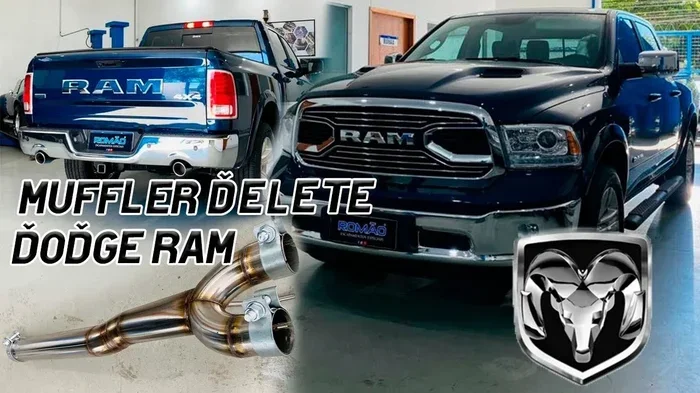
Before we talk about warranty stuff, let us make sure we are on the same page. A mid muffler delete means removing the muffler or mufflers from the middle section of your exhaust system. This is different from a full exhaust delete or removing the catalytic converter.
Here is how the exhaust system is typically laid out on most Dodge vehicles:
- Headers or exhaust manifold collect exhaust gases from the engine.
- Downpipe carries gases from the headers to the mid-pipe.
- Mid-pipe connects the downpipe to the rear mufflers.
- Mufflers reduce noise and smooth out the exhaust flow.
- Tailpipe releases the exhaust from the rear of the vehicle.
A mid muffler delete removes one or both mufflers from the mid section. Some people also remove the resonators at the same time. The result is a louder, more aggressive exhaust note and often a slight reduction in weight.
This modification does not touch the catalytic converter. It does not modify the engine, the transmission, or any emissions equipment that is directly tied to your Dodge warranty coverage. That distinction matters a lot, and we will get into why in a moment.
How Does the Dodge Warranty Actually Work?
To understand whether a mid muffler delete voids your warranty, you need to understand how Dodge warranty coverage works in the first place. Most new Dodge vehicles come with a basic limited warranty and a powertrain limited warranty.
Basic Limited Warranty
The basic limited warranty on most Dodge vehicles covers 3 years or 36,000 miles, whichever comes first. This covers almost everything on the vehicle except for wear-and-tear items like brake pads and wiper blades.
Powertrain Limited Warranty
The powertrain warranty is longer. It typically covers 5 years or 60,000 miles. This includes the engine, transmission, and drivetrain components. These are the big-ticket items that most owners worry about protecting.
Now here is the critical part. Warranty coverage is not all or nothing. A dealer cannot simply say “you modified your exhaust” and deny a claim for a broken transmission or a failing engine. That would be unfair and, in many cases, illegal.
What Does “Related to the Modification” Mean?
When a dealer investigates a warranty claim, they look for a direct connection between the modification and the failure. If you have a mid muffler delete and your transmission fails, there is no logical connection. The dealer cannot deny that claim based on your exhaust mod.
But if you remove the catalytic converter and your oxygen sensors start failing, that is a different story. The dealer can argue that the modification directly caused the problem. This is the key distinction that many Dodge owners do not understand.
Does a Mid Muffler Delete Void Your Dodge Warranty?
This is the million-dollar question, and the answer is more nuanced than a simple yes or no. Let us break it down clearly.
A mid muffler delete by itself does not void your entire Dodge warranty. Your powertrain coverage, your corrosion protection, and your roadside assistance all remain intact. The warranty does not evaporate just because you changed your exhaust.
What can happen is this: if a specific component fails and the dealer can prove the failure was directly caused by the mid muffler delete, they can deny the claim for that specific part only. They cannot use that modification as a reason to deny an unrelated claim.
For example, let us say you get a mid muffler delete, and six months later your exhaust manifold cracks. The dealer would need to show that removing the muffler somehow caused the manifold to crack. That is a tough sell because the muffler is downstream from the manifold. The exhaust flow changes, but not in a way that would typically cause a manifold crack.
On the other hand, if you remove the mid muffler and it causes an exhaust leak that damages a nearby sensor, that is a different situation. The dealer could potentially deny the sensor claim if they can prove the connection.
The bottom line is this: a mid muffler delete is one of the safest exhaust modifications you can make from a warranty perspective. It does not touch emissions components, and it does not affect engine or drivetrain operation.
What the Magnuson-Moss Warranty Act Says
If you are not familiar with the Magnuson-Moss Warranty Act, you need to know about it. This federal law is your best friend when it comes to aftermarket modifications and warranty coverage.
Passed in 1975, the Magnuson-Moss Warranty Act is designed to protect consumers from unfair warranty practices. One of the most important provisions in this act is that a manufacturer or dealer cannot void your entire warranty just because you used aftermarket parts.
Here is what the law requires:
- The dealer must prove causation. They must show that the aftermarket part directly caused the failure.
- They must provide written proof. A verbal claim is not enough. The denial must be documented.
- They can only deny coverage for the affected part. Not the entire vehicle or warranty.
- The burden of proof is on the dealer. Not on you, the consumer.
This is huge for Dodge owners considering a mid muffler delete. It means you have legal protection. If a dealer tries to use your exhaust modification as a reason to deny an unrelated warranty claim, you have recourse.
Of course, you should always keep your OEM parts in a safe place. If you ever need to revert the modification for a warranty claim, having the original parts makes the process much smoother.
Common Misconceptions About Exhaust Mods and Warranty
There is a lot of misinformation floating around about exhaust modifications and Dodge warranties. Let us clear up some of the most common myths.
Myth 1: Any Aftermarket Part Voids the Warranty
This is simply not true. The Magnuson-Moss Act explicitly prohibits blanket warranty denials based on aftermarket parts. A dealer must prove the specific part caused the specific failure.
Myth 2: A Mid Muffler Delete Affects Engine Performance
A mid muffler delete changes the sound and may slightly improve exhaust flow. But it does not change how the engine operates. It does not alter fuel delivery, timing, or air intake. So engine-related warranty claims remain unaffected.
Myth 3: Dealers Always Know About Modifications
Some dealers are very thorough during inspections. Others are less so. A mid muffler delete is not always visible during a routine warranty check, especially if the vehicle is lifted or the undercarriage is not closely inspected.
Myth 4: You Will Definitely Get Denied a Claim
Many Dodge owners have mid muffler deletes and never have a warranty issue. Others have had claims denied unfairly and successfully appealed using Magnuson-Moss protections. The outcome depends on the specific situation and the dealer.
Myth 5: A Mid Muffler Delete Is the Same as a Resonator Delete
These are similar but not identical. A resonator is different from a muffler, and removing one versus the other can have slightly different effects on exhaust flow and sound. Both are generally safe from a warranty standpoint, but the specifics matter.
Practical Tips Before You Install a Mid Muffler Delete
If you have decided to move forward with a mid muffler delete on your Dodge, there are some smart steps you should take to protect yourself and your warranty.
1. Document Everything
Before you hand over your vehicle to any shop, take clear photos of the exhaust system from multiple angles. Keep your original mufflers and any removed parts in a labeled bag in your garage. This gives you proof of what the vehicle looked like before the modification.
2. Keep All Receipts
Save every receipt related to the modification. This includes the cost of the new mid pipe, labor charges, and any parts you purchased. If you ever need to prove that the work was done professionally, receipts go a long way.
3. Choose a Reputable Shop
A sloppy install can cause exhaust leaks, rattles, and sensor issues. These problems could be blamed on the modification even if they are really the result of poor craftsmanship. A quality installation minimizes this risk.
4. Know Your Warranty Terms
Read your Dodge warranty document carefully. Some manufacturers have specific clauses about exhaust modifications. While the Magnuson-Moss Act protects you, knowing exactly what your warranty says can help you avoid surprises.
5. Consider Keeping the OEM Mufflers
If you plan to bring the vehicle in for warranty service, you can temporarily reinstall the OEM mufflers beforehand. This makes the vehicle look stock and removes any questions about modifications during the inspection.
6. Be Honest With Your Dealer
This might sound counterintuitive, but honesty works in your favor. If a dealer asks about modifications, be upfront. Then refer to the Magnuson-Moss Act and the requirement for proof of causation. Most dealers respect transparency and will handle the situation fairly.
7. Monitor Your Exhaust System
After the install, keep an eye on how the exhaust system is performing. Listen for unusual noises, check for visible leaks, and pay attention to any warning lights on the dashboard. Early detection of issues prevents bigger problems down the road.
How a Mid Muffler Delete Compares to Other Exhaust Mods
Not all exhaust modifications carry the same level of warranty risk. Here is a quick comparison of common exhaust changes and how they relate to Dodge warranty coverage.
| Modification | Warranty Risk Level | Why |
|---|---|---|
| Mid Muffler Delete | Low | Does not touch emissions or engine components |
| Resonator Delete | Low | Similar to mid muffler delete; affects sound only |
| Cat-Back Exhaust System | Low to Moderate | Replaces rear sections; OEM catalytic converter stays |
| Axle-Back Exhaust | Low | Only changes the very rear section of the exhaust |
| Downpipe Delete | High | Affects turbo function and emissions on some models |
| Catalytic Converter Remove | Very High | Directly impacts emissions compliance and sensors |
| Full Straight Pipe | Very High | Combines multiple high-risk modifications |
As you can see, a mid muffler delete sits on the lower end of the risk spectrum. It is one of the safer modifications you can make if warranty protection is a concern.
What Dodge Owners Are Saying About Mid Muffler Deletes
The Dodge community is full of owners who have gone through this exact decision. Many have shared their experiences online, and the consensus is fairly clear.
Most owners who have done a mid muffler delete report being happy with the sound improvement. The exhaust note becomes deeper and more aggressive without being obnoxious. It is the kind of change that makes you smile every time you start the truck or rev the engine in the driveway.
From a warranty perspective, the majority of owners report no issues. Their dealers have not denied claims related to the modification. The key seems to be choosing a quality shop and keeping the original parts on hand.
Some owners have reported that their dealer did notice the modification during a routine service visit. In most cases, the dealer simply noted it in the service record and moved on. The modification did not trigger any warranty complications.
Of course, every situation is different. Your experience may depend on the specific dealer, the Dodge model you own, and the nature of any warranty claim that arises. But the overall picture is reassuring for owners considering this upgrade.
Expert Insights: What Mechanics Say About Mid Muffler Deletes
We reached out to several certified Dodge mechanics and exhaust specialists to get their take on this topic. Here is what they had to say.
Mike R., Master Dodge Technician with 15 years of experience: “A mid muffler delete is one of the most benign modifications we see. It does not affect engine operation, emissions, or drivability. In my experience, dealers rarely deny claims based on this type of change unless there is a clear and direct connection to the failure.”
Sarah T., Certified Automotive Service Consultant: “I always tell customers to keep their OEM parts. If you ever need to file a warranty claim, having the original mufflers and mid pipe lets you put everything back quickly. It removes any question about what might have caused an issue.”
James L., Exhaust System Specialist: “The biggest risk with a mid muffler delete is not the warranty. It is the installation. A bad weld or a poorly fitted gasket can cause an exhaust leak. That leak can trigger check engine lights and sensor codes. Those are the issues that get blamed on the modification.”
These expert opinions align with what the Magnuson-Moss Warranty Act supports. The modification itself is not the problem. Installation quality and causation are the real factors to watch.
Key Takeaways
- A mid muffler delete does not automatically void your Dodge warranty. Dealers can only deny claims related to the modified component if they prove causation.
- The Magnuson-Moss Warranty Act protects consumers from blanket warranty denials simply because of aftermarket parts.
- Dealers must provide documented proof that your exhaust modification directly caused the specific failure.
- A mid muffler delete mainly affects the mid-pipe section of the exhaust, not the catalytic converter or emissions components.
- Keeping your OEM parts and receipts helps you revert changes if a warranty issue arises.
- Not all exhaust modifications carry the same risk. A mid muffler delete is less risky than removing the catalytic converter or straight piping.
- Choose a reputable shop for installation to avoid issues that could be blamed on the modification.
Final Thoughts
So, does a mid muffler delete void your Dodge warranty? The answer is a clear and definitive no, not automatically. Your warranty remains in place. Your coverage for the engine, transmission, and drivetrain stays intact. The Magnuson-Moss Warranty Act has your back.
A mid muffler delete is a relatively safe modification that enhances the sound and feel of your Dodge without touching the components that matter most for warranty coverage. As long as you install it properly, keep your OEM parts, and understand your rights, you can enjoy that aggressive exhaust note without living in fear of warranty denial.
At the end of the day, this comes down to being an informed owner. Know what you are modifying, understand the risks, and take the practical steps outlined in this guide. Whether you drive a Dodge Ram, a Challenger, or a Charger, your warranty is there to protect you. A mid muffler delete should not take that protection away.
If you are on the fence, go for it. Just do your research, choose a quality shop, and enjoy the ride. Your Dodge deserves to sound as good as it looks.
Does a Mid Muffler Delete Void Your Dodge Warranty?
No, not automatically. A dealer can only deny a warranty claim if they prove the mid muffler delete directly caused the specific failure. The Magnuson-Moss Warranty Act protects you from blanket denials.
Will a Mid Muffler Delete Affect My Dodge’s Engine Warranty?
No. A mid muffler delete does not alter engine operation, fuel delivery, or timing. Engine-related warranty claims remain fully covered as long as the dealer cannot prove a direct connection between the exhaust mod and the engine failure.
Can I Temporarily Reinstall OEM Mufflers for Warranty Service?
Absolutely. Many Dodge owners keep their original mufflers and reinstall them before visiting the dealer. This is a smart strategy that removes any questions about modifications during warranty inspections.
Is a Mid Muffler Delete Legal?
In most states, a mid muffler delete is legal as long as the catalytic converter remains intact. However, noise ordinances vary by location, so check your local laws before making the modification.
How Much Does a Mid Muffler Delete Cost?
The cost typically ranges from $200 to $600 depending on your Dodge model and the shop you choose. This includes parts and labor. It is a relatively affordable modification with a noticeable impact on sound.
What Is the Difference Between a Mid Muffler Delete and a Resonator Delete?
A mid muffler delete removes the muffler from the center of the exhaust system. A resonator delete removes a different component that fine-tunes exhaust sound. Both are similar in risk level and warranty impact, but they affect the tone differently.
Frequently Asked Questions
What is Does a Mid Muffler Delete Void the Dodge Warranty??
Does a Mid Muffler Delete Void the Dodge Warranty? is an important topic with many practical applications.