How Long Do Jeep Tires Last A Complete Replacement Guide
Jeep tires typically last between 40,000 and 60,000 miles, but your driving habits and tire type can change that number significantly. Off-road tires wear faster on pavement, while highway-focused tires last longer. Regular maintenance like tire rotation, proper inflation, and alignment checks can add thousands of miles to your Jeep tire lifespan. This guide covers everything you need to know about replacing your Jeep tires the right way.
You bought a Jeep. You love the looks. You love the capability. But one thing every Jeep owner faces eventually is replacing tires. Whether you cruise highways or tear through trails, your tires take a beating. And knowing when to replace them keeps you safe and saves money.
So how long do Jeep tires last? The short answer is somewhere between 40,000 and 60,000 miles. But that number changes a lot based on your driving style, the type of tires you choose, and how well you maintain them. This guide breaks it all down for you.
We will walk you through tire types, wear patterns, replacement costs, and simple tips that stretch your tire life. By the end, you will know exactly when it is time to invest in a new set. No guesswork. No surprises at the tire shop.
Key Takeaways
- Average Lifespan: Most Jeep tires last 40,000 to 60,000 miles depending on type and use.
- Off-Road Tires Wear Faster: Aggressive tread patterns sacrifice pavement longevity for rugged performance.
- Maintenance Matters: Tire rotation, alignment, and proper inflation can extend tire life by up to 20 percent.
- Age Matters Too: Tires older than six years need inspection even if tread looks fine.
- Replacement Cost Varies: Expect to pay 200 to 600 dollars per tire depending on brand and size.
- Know the Signs: Low tread depth, cracks, and vibrations signal it is time for new tires.
📑 Table of Contents
Understanding Jeep Tire Lifespan
Every tire has a lifespan. For Jeep owners, that lifespan depends on several factors that are easy to understand once you know what to look for. Let us break down what affects how long your tires actually last.
What Affects Tire Life
Multiple things influence your Jeep tire lifespan. Driving habits matter a lot. If you like to hammer the gas and brake hard, your tires wear out faster. Aggressive cornering eats up tread too.
Road conditions play a big role as well. Pothole-filled streets, gravel roads, and off-road terrain all put extra stress on your rubber. Even the weather matters. Hot pavement and cold temperatures both accelerate wear in different ways.
Your tire choice matters too. A mud-terrain tire will not last as long on highways as a highway-focused tire. And a all-terrain tire splits the difference. Understanding this helps you set realistic expectations.
Average Mileage Expectations by Tire Type
Different tires deliver different mileage. Here is a general breakdown of what you can expect:
- All-Terrain Tires: 50,000 to 60,000 miles on average. These are the most popular choice for daily drivers and weekend adventurers alike.
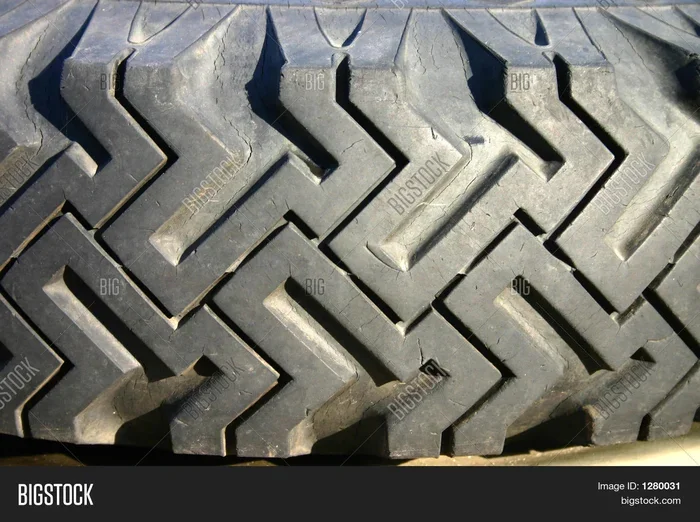
- Mud-Terrain Tires: 30,000 to 40,000 miles. The aggressive tread blocks wear down faster on paved roads.
- Highway Tires: 60,000 to 70,000 miles. These are designed for smooth riding and long-lasting tread life.
- Sand Tires (Off-Road): 15,000 to 25,000 miles. These are specialty tires built for specific terrain only.
These numbers assume normal driving conditions and proper maintenance. If you push your Jeep hard off-road every weekend, expect the lower end of the range.
Types of Jeep Tires and Their Durability
Not all tires are created equal. Your choice of tire directly impacts how long they last and how your Jeep performs. Let us explore the most common options Jeep owners choose.
All-Terrain Tires
All-terrain tires are the go-to choice for most Jeep owners. They handle pavement well and still give you solid off-road capability. The tread pattern is balanced. It grips dirt and gravel without chewing through rubber on highways.
Popular models include the BFGoodrich KO2, the Falken Wildpeak A/T3W, and the General Grabber A/TX. These tires typically deliver 50,000 to 60,000 miles of use. They are the sweet spot for owners who do both daily driving and trail runs.
Mud-Terrain Tires
Mud-terrain tires look aggressive and perform incredibly well in soft terrain. The large tread blocks channel mud and debris away from the contact patch. This gives you excellent traction where it counts.
But there is a tradeoff. The aggressive design creates more road noise on pavement. It also wears the rubber faster. If your Jeep sits mostly on roads, a mud-terrain tire might not be the best choice for longevity. Expect to replace them every 30,000 to 40,000 miles.
Highway and Touring Tires
If your Jeep stays mostly on paved roads, consider a highway tire. These tires focus on comfort, low road noise, and long tread life. They are not built for serious off-roading, but they last a long time.
Some owners run highway tires on their Jeeps for daily commuting. These can push past 70,000 miles with proper care. The tradeoff is reduced capability in dirt, mud, and snow. Choose based on how you actually use your Jeep.
Comparison Table: Tire Types at a Glance
| Tire Type | Avg. Lifespan (Miles) | Best For | Pavement Comfort |
|---|---|---|---|
| All-Terrain | 50,000 – 60,000 | Daily driving + light off-road | Good |
| Mud-Terrain | 30,000 – 40,000 | Heavy off-road, trails | Fair |
| Highway/Touring | 60,000 – 70,000 | Paved roads, commuting | Excellent |
| Sand/Specialty | 15,000 – 25,000 | Sand dunes, specific terrain | Poor |
Signs Your Jeep Tires Need Replacement
Waiting too long to replace your tires is dangerous. Tires that are worn out lose grip, especially in wet or cold conditions. Knowing the warning signs keeps you safe and helps you plan your budget.
Tread Depth Indicators
The easiest way to check your tire health is the tread depth. New Jeep tires typically start with 10/32 to 12/32 inches of tread. Once the tread drops below 4/32 inches, you should start planning for replacement.
The legal minimum in most states is 2/32 inches. But waiting until that point is risky. Tires with shallow tread cannot channel water away from the road. This increases your risk of hydroplaning. A simple penny test works great. Insert a penny into the tread with Lincoln upside down. If you can see the top of his head, your tread is too low.
Visual Warning Signs
Sometimes you can see tire problems before they become serious. Look for these warning signs during regular inspections:
- Cracks in the sidewall: Dry rot causes small cracks. These weaken the tire and can lead to blowouts.
- Bulges or blisters: Air escapes through the inner liner and pushes outward. A bulge means the tire is failing.
- Uneven wear patterns: If one side of the tread wears faster than the other, your alignment is off.
- Punctures or cuts: Deep cuts or nails that cannot be safely repaired mean replacement time.
- Vibration while driving: Worn tires or internal damage often cause unusual vibrations at highway speeds.
Check your tires at least once a month. A quick visual inspection takes less than five minutes and can prevent a dangerous situation on the road.
How to Extend Your Jeep Tire Life
Nobody wants to replace tires too soon. The good news is that simple habits can add thousands of miles to your tires. These tips are easy to follow and cost almost nothing.
Tire Rotation and Alignment
Tire rotation is one of the most effective ways to extend tire life. Front tires wear differently than rear tires. Rotating them every 5,000 to 7,500 miles ensures even wear across all four tires.
Wheel alignment matters just as much. A misaligned Jeep pulls to one side and wears tires unevenly. Get your alignment checked at least once a year or after hitting a major pothole or curb. Proper alignment keeps your Jeep tracking straight and your tires wearing evenly.
Proper Tire Inflation
Check your tire pressure at least once a month. Underinflated tires flex more and generate excess heat. This causes premature wear on the outer edges of the tread. Overinflated tires wear out the center of the tread faster.
Find the recommended tire pressure for your specific Jeep model. It is usually printed on a sticker inside the driver door jamb. Keep a tire pressure gauge in your glove box and check regularly. A few extra minutes each month can add thousands of miles to your tires.
Driving Habits That Help
How you drive affects your tires more than you might think. Smooth acceleration, gentle braking, and taking corners at moderate speeds all reduce tire wear. Avoid loading your Jeep beyond its recommended capacity. Extra weight puts more stress on the rubber.
Try to avoid road hazards when possible. Potholes, sharp debris, and curbs are tire killers. If you must drive over rough terrain, slow down and pick your line carefully. These small changes add up over time.
Quick Tips for Longer-Lasting Tires
- Check tire pressure every time you fill up with gas.
- Rotate tires every 5,000 to 7,500 miles.
- Keep a spare tire in good condition for emergencies.
- Clean your tires with mild soap to prevent dry rot.
- Store your Jeep in a garage when possible to protect tires from UV damage.
Common Mistakes That Shorten Tire Life
Even the best tires will wear out fast if you make these common mistakes. Awareness is the first step toward avoiding them.
Ignoring Tire Age
Tires degrade over time even if they have plenty of tread left. Rubber hardens and cracks as it ages. Most tire experts recommend replacing tires that are six years old or older, regardless of tread depth. Check the DOT code on the sidewall to find the manufacturing date.
Skipping Alignment After Replacements
Many people forget to get an alignment after installing new tires. A proper alignment ensures the new tires wear evenly from day one. Skipping this step can shave thousands of miles off your new tires before you even notice.
Mixing Tire Types
Using different tire brands, sizes, or tread patterns on the same axle causes uneven wear. Always match tires on the same axle. If you run different tires on front and rear, make sure they are similar in size and construction.
Overloading the Jeep
Jeeps are capable vehicles, but they have weight limits. Exceeding the recommended load rating puts excessive stress on your tires. Check the owner manual or the tire placard for your Jeep’s maximum load capacity.
Jeep Tire Replacement Costs and Timing
Budgeting for new tires is part of Jeep ownership. Understanding the costs helps you plan and avoid surprises. Let us break down what to expect.
Cost Breakdown
The cost of replacing Jeep tires varies widely. A standard all-terrain tire for a Jeep Wrangler might cost 200 to 350 dollars per tire. Larger tires or premium brands like BFGoodrich or Michelin can push the price to 400 to 600 dollars per tire.
Installation costs add another 20 to 50 dollars per tire for mounting, balancing, and valve stems. Some shops include free mounting and balancing with a tire purchase. Always ask before you buy.
Here is a rough cost estimate for a full set of four tires:
- Budget Range: 800 to 1,200 dollars for all four tires including installation.
- Mid-Range Range: 1,200 to 2,000 dollars for premium all-terrain tires.
- Premium Range: 2,000 to 2,400 dollars for top-tier mud-terrain or specialty tires.
These prices vary by region and tire size. Jeep Wrangler tires typically run larger than other vehicles, which increases the cost. Keep this in mind when shopping.
When to Replace All Four Tires
In most cases, you should replace all four tires at the same time. Matching tires ensures balanced handling, traction, and wear patterns. This is especially important for Jeep Wrangler tire replacement where the vehicle is used both on and off-road.
If you can only afford two new tires, install them on the rear axle. This helps prevent oversteer and hydroplaning in wet conditions. Never put two new tires on the front and old tires on the rear. This creates a dangerous handling imbalance.
DIY vs Professional Installation
Some Jeep owners install tires themselves to save money. If you have the right tools and a safe workspace, this is doable. You will need a torque wrench, a jack rated for your Jeep’s weight, and a lug nut breaker bar.
Professional installation ensures proper mounting, balancing, and alignment. For most people, the extra cost is worth the peace of mind. Incorrect installation can lead to vibration, uneven wear, and even safety issues on the road.
Expert Insights on Jeep Tire Longevity
We asked a few tire professionals what they tell Jeep owners about getting the most life out of their tires. Here is what they had to say.
Check your tire warranty. Many premium tires come with mileage warranties. The BFGoodrich KO2, for example, offers a 65,000-mile treadwear warranty on some sizes. If your tires wear out before the warranty mileage, you may be eligible for a prorated replacement. Always save your receipt and keep records of your tire rotations.
Do not ignore TPMS warnings. The Tire Pressure Monitoring System in your Jeep exists for a reason. If the light comes on, check your pressure immediately. Driving on low tires even for a short distance can cause permanent damage to the sidewalls.
Consider all-season tires for versatility. If you live in an area with mild winters, a good all-season tire covers most situations. You avoid the cost and faster wear of dedicated winter tires while still getting reliable performance year-round.
Inspect your spare tire too. A flat spare tire is useless when you need it most. Check the pressure on your spare every few months and make sure it is still in good condition. Replace it if it is older than ten years regardless of tread depth.
Key Takeaways
- Jeep tires typically last 40,000 to 60,000 miles depending on the type and your driving habits.
- All-terrain tires offer the best balance of off-road capability and highway longevity.
- Mud-terrain tires sacrifice mileage for superior traction in soft terrain.
- Regular tire rotation, alignment, and proper inflation can extend tire life significantly.
- Replace tires every six years regardless of tread depth due to rubber degradation.
- Budget 800 to 2,400 dollars for a full set of replacement Jeep tires including installation.
- Replace all four tires together for the safest and most balanced performance.
Conclusion
How long do Jeep tires last depends on many factors, but the answer usually falls between 40,000 and 60,000 miles for most drivers. Your driving style, tire choice, and maintenance routine all play a role. The good news is that you have a lot of control over this number.
Stay on top of tire pressure, rotate your tires regularly, and watch for warning signs of wear. These simple habits keep your Jeep rolling safely and save you money in the long run. When the time comes for Jeep tire replacement, you will be prepared with the right knowledge and budget.
Your tires are the only part of your Jeep that touches the road. Treat them well and they will carry you through thousands of miles of adventure. Whether you hit the trails or stick to the highway, smart tire care is the foundation of every great Jeep experience.
Frequently Asked Questions
How many miles do Jeep Wrangler tires typically last?
Most Jeep Wrangler tires last between 40,000 and 60,000 miles depending on the tire type and driving conditions. All-terrain tires tend to hit the higher end of that range, while mud-terrain tires wear out faster, often around 30,000 to 40,000 miles.
What is the best tire for a Jeep Wrangler that lasts long?
The BFGoodrich KO2 is one of the most popular choices for longevity and off-road performance. It offers a 65,000-mile treadwear warranty in many sizes and handles both highway and trail driving well. Falken Wildpeak A/T3W and General Grabber A/TX are also excellent options for Jeep owners who want a balance of durability and capability.
How often should I rotate my Jeep tires?
Rotate your Jeep tires every 5,000 to 7,500 miles. This ensures even wear across all four tires and can extend your overall tire life by up to 20 percent. Check your owner manual for the recommended rotation pattern specific to your Jeep model.
Can I replace just two Jeep tires instead of all four?
You can replace two tires if the remaining tires still have plenty of tread and are similar in size and brand. Always install the new tires on the rear axle for better stability. Mixing significantly worn tires with new ones can cause handling issues, especially in wet conditions.
How can I tell if my Jeep tires are aging even if the tread looks good?
Check the DOT code on the sidewall. The last four digits tell you the week and year the tire was manufactured. If your tires are six years old or older, have them inspected by a professional even if the tread looks fine. Rubber hardens and cracks over time, which can lead to sudden tire failure.
How much does it cost to replace a full set of Jeep tires?
A full set of four Jeep tires with installation typically costs between 800 and 2,400 dollars. Budget-friendly all-terrain tires start around 200 dollars per tire, while premium mud-terrain or large-size tires can reach 600 dollars per tire. Installation, mounting, and balancing usually add 80 to 200 dollars to the total cost.