Can a Head Gasket Cause a Car to Overheat for Sure
Yes, a head gasket can absolutely cause a car to overheat. When the head gasket fails, it allows coolant and combustion gases to mix, which disrupts the cooling system and leads to engine overheating. In this guide, you’ll learn the signs, root causes, and repair steps to protect your vehicle before major damage occurs.
Yes, a head gasket can cause a car to overheat. It is one of the most common reasons engines run too hot. When the head gasket fails, it opens a door for coolant and combustion gases to mix. This mix-up breaks the cooling system’s balance. The result is an overheating engine that can seize up if you ignore it. Many drivers ask, “Can a head gasket cause a car to overheat?” The answer is a clear yes. In this guide, we will walk you through the signs, causes, and fixes. You will learn how to spot trouble early and save money on repairs.
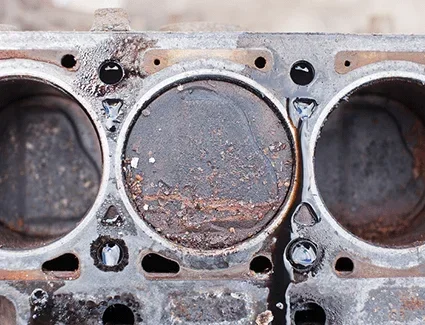
A head gasket sits between the engine block and the cylinder head. It seals the combustion chambers and keeps coolant and oil in their own lanes. Think of it as a critical gasket that keeps everything in order. When it fails, hot gases escape where they should not be. Coolant leaks into cylinders or oil passages. The engine loses its ability to stay cool. This leads to overheating, which can warp metal and crack blocks. Understanding this helps you take action fast.
You do not need to be a mechanic to understand the basics. This article breaks it down in plain language. We will cover what a head gasket does, why it fails, and how to spot the signs. You will also find tips on diagnosis and repair. By the end, you will know exactly what to do if your car starts overheating. Let us dive in and explore the connection between a head gasket and engine heat.
Key Takeaways
- Yes, a head gasket can cause overheating: A blown head gasket disrupts the cooling system, leading to engine overheating.
- Watch for white smoke and coolant loss: These are early signs of a failing head gasket that should never be ignored.
- Other issues can mimic head gasket failure: A stuck thermostat or broken water pump can also cause overheating.
- Simple tests can reveal the problem: A combustion leak tester and pressure check help confirm a blown head gasket.
- Repair costs vary widely: Expect anywhere from $1,000 to $3,000 depending on the engine and labor rates.
- Prevention is possible: Regular coolant flushes and monitoring temperature gauges can extend head gasket life.
📑 Table of Contents
What Does a Head Gasket Do in Your Engine?
The head gasket is a small but mighty part. It sits right on top of the engine block. It seals the cylinder head to the block. This seal does two big jobs. First, it keeps the intense heat and pressure inside the combustion chambers. Second, it separates coolant and engine oil from the combustion gases. Without a strong seal, your engine cannot work properly.
Here is how it works. Fuel and air ignite in the cylinders. This creates a powerful explosion. The head gasket must withstand this force thousands of times every minute. It also keeps coolant flowing through passages in the head and block. These passages carry heat away from the engine. If the gasket weakens, it can no longer do its job. This is when trouble starts.
The Role of the Head Gasket Seal
The head gasket seal is the barrier between different fluid systems. It keeps coolant in the cooling system. It keeps oil in the lubrication system. It keeps combustion gases contained. When this seal breaks, fluids mix. Coolant can enter the oil. Oil can enter the coolant. Combustion gases can leak into the cooling system. All of this disrupts the engine’s balance.
A healthy head gasket ensures that every system works in harmony. The cooling system removes excess heat. The oil system reduces friction. The combustion system creates power. When the head gasket fails, these systems collide. The result is often overheating. So yes, a head gasket problem can easily lead to an overheating engine.
Quick Tip: Check your coolant level regularly. A sudden drop can hint at a hidden leak from the head gasket.
Can a Head Gasket Cause a Car to Overheat?
The short answer is yes. A blown head gasket is a major cause of car overheating. But how exactly does this happen? Let us break it down step by step.
How a Blown Head Gasket Triggers Overheating
When the head gasket blows, it creates a breach. This breach allows combustion gases to escape into the cooling system. These gases form bubbles in the radiator and overflow tank. The bubbles take up space that coolant should fill. This reduces the amount of coolant that can flow through the engine. With less coolant, the engine cannot shed heat fast enough.
At the same time, coolant may leak into the cylinders. You will see this as white smoke from exhaust. The coolant burns off in the combustion chamber. This further drains the cooling system. The engine temperature rises quickly. The thermostat and water pump cannot keep up. Soon you see the temperature gauge climbing into the red zone.
Another way a blown head gasket causes overheating is through internal coolant leaks. Coolant seeps into the oil passages. This creates a milky sludge on the dipstick. The oil loses its ability to lubricate and cool engine parts. Friction increases. Heat builds up. The engine overheats even more. This cycle can destroy bearings and warp the cylinder head.
So, can a head gasket cause a car to overheat? Absolutely. It disrupts the cooling system from the inside out. The loss of coolant, the intrusion of gases, and the contamination of oil all work together to push temperatures beyond safe limits.
Expert Insight: Many drivers ignore early overheating signs because the temperature gauge only rises after the damage is already severe. Always pull over safely if you see the gauge climb.
Warning Signs That Point to a Failing Head Gasket
Spotting the signs early can save you from a total engine failure. A head gasket problem does not happen overnight. It gives you clues. Here are the most common warning signs that your head gasket is failing.
Early Symptoms and Red Flags
- White smoke from exhaust: This is a classic sign. Coolant burns in the cylinders and creates thick, white smoke. It often smells sweet, like syrup.
- Coolant loss with no visible leak: If you keep topping up coolant but cannot find a puddle, the coolant may be leaking internally into the engine.
- Bubbles in the radiator or overflow tank: Combustion gases escaping into the cooling system create a steady stream of bubbles. This is a strong indicator of a blown head gasket.
- Milky oil on the dipstick: Coolant mixing with oil creates a white, milkshake-like substance. This is very bad for your engine.
- Overheating after normal driving: If your car overheats on the highway or in traffic, the head gasket may not be sealing properly.
- External coolant leak near the engine seam: Sometimes the leak escapes between the block and head, leaving a wet, crusty residue.
Do not ignore these signs. A car that overheats repeatedly will suffer cracked heads or warped blocks. The repair bill grows every day you wait.
Common Mistake: Many owners assume a small coolant leak is nothing. They top up the reservoir and drive on. This masks the real problem and lets the head gasket fail further.
Other Reasons Your Car Might Overheat
A head gasket failure is not the only reason a car overheats. Many other parts play a role in keeping your engine cool. Before you assume the head gasket is the culprit, consider these common causes.
Differentiating Head Gasket Issues from Other Problems
Understanding the difference helps you avoid unnecessary repairs. Here are other parts that can cause overheating.
- Low coolant level: The most obvious cause. A leak in the radiator, hose, or water pump can drain the system fast.
- Faulty thermostat: The thermostat regulates coolant flow. If it sticks closed, coolant cannot reach the radiator. The engine heats up quickly.
- Broken water pump: The water pump circulates coolant. A worn impeller or leaking seal stops the flow. The engine overheats even with full coolant.
- Clogged radiator: Dirt, bugs, or internal sludge can block airflow or coolant passage. The radiator cannot release heat properly.
- Broken radiator fan: The fan pulls air through the radiator at low speeds. If the fan clutch or electric motor fails, the engine overheats in traffic.
- Faulty temperature sensor: Sometimes the gauge is wrong, not the engine. A bad sensor can give a false overheating reading.
How do you know if it is the head gasket? Look for the combination of symptoms. White smoke, coolant loss, and bubbles in the radiator point strongly to a head gasket issue. A simple pressure test can confirm it.
Quick Tip: Before you replace the head gasket, make sure the thermostat and water pump are working. Sometimes a simple $20 thermostat fix solves the overheating problem.
How to Diagnose a Head Gasket Problem
You do not need a degree to check for a blown head gasket. A few simple tests can point you in the right direction. Here is how mechanics and DIYers find the problem.
Simple Tests and Professional Checks
- Visual inspection: Look for coolant leaks around the engine block and head. Check the oil cap for a milky brown residue. Look at the exhaust for white smoke.
- Check the coolant reservoir: With the engine cool, remove the cap. Start the engine and let it idle. If you see constant bubbles rising in the coolant, combustion gases are leaking in. This is a strong sign of a blown head gasket.
- Combustion leak tester (block test): This tool draws a sample of coolant vapor. It changes color if hydrocarbons from combustion are present. A blue fluid turns yellow or green if the head gasket is leaking.
- Pressure test the cooling system: A pressure tester pumps air into the system. If the pressure drops quickly, there is a leak. You can then trace the leak to the head gasket area.
- Cylinder compression test: A mechanic measures the pressure in each cylinder. A low reading in one or two cylinders can indicate a head gasket leak between cylinders.
These tests give you a clear picture. They help you decide whether to repair the head gasket or look at other causes. Always let a professional confirm the diagnosis before committing to a major repair.
Expert Insight: A combustion leak tester costs under $30. It is one of the best tools for a DIYer. It can save you hundreds in unnecessary parts replacement.
Repair Options and What You’ll Pay
Once a head gasket fails, you have two choices: repair it or replace the vehicle. Most cars are worth fixing, but the cost matters. Let us look at the repair options and typical costs.
Fixing a Blown Head Gasket
A head gasket replacement is a major job. The mechanic must remove the cylinder head. They scrape off the old gasket material. They install a new head gasket. They then torque the head bolts to the exact specification. This process ensures a proper seal.
The cost varies based on the engine type. A straight-four engine is easier to access. A V6 or V8 engine takes more labor. Here is a rough breakdown.
- Parts cost: The head gasket set costs $50 to $200. You may also need new head bolts, which add $20 to $50.
- Labor cost: Labor runs $80 to $150 per hour. The job takes 6 to 12 hours depending on the engine. This puts the labor cost at $480 to $1,800.
- Total repair cost: Most drivers pay between $1,000 and $3,000 for a head gasket replacement.
If the cylinder head is cracked or warped, you will need to have it machined. This adds $100 to $300. In rare cases, the head must be replaced entirely, which can push the cost above $4,000.
Some people try a temporary fix with a head gasket sealer additive. These products claim to plug small leaks. They work for minor seepage, but they are not a permanent solution. A blown head gasket needs a proper repair. Relying on a sealer can lead to further engine damage.
Common Mistake: Do not drive an overheating car for long distances. Continued overheating while the head gasket is blown can warp the cylinder head beyond repair. The cost jumps from $1,000 to $4,000 or more.
How to Prevent Head Gasket Failure
Prevention is always cheaper than repair. You can take simple steps to protect your head gasket and keep your engine cool. Here are the best habits to adopt.
Habits That Extend Head Gasket Life
- Check coolant levels regularly: A low coolant level means your engine works harder to stay cool. Top up with the correct type of coolant.
- Flush the cooling system on schedule: Old coolant becomes acidic. It corrodes the head gasket and other components. Follow your owner’s manual for flush intervals.
- Watch the temperature gauge: Do not ignore a gauge that creeps into the hot zone. Pull over and let the engine cool. Continuing to drive can warp the head.
- Fix small leaks immediately: A tiny coolant leak today can become a major problem tomorrow. Address any drip under your car right away.
- Use the right oil: Clean oil lubricates the engine and helps carry heat away. Change your oil on time to prevent overheating stress.
Quick Tip: Keep a bottle of coolant and a liter of water in your trunk. If you notice a temperature rise, you can add a small amount to the reservoir safely when the engine is cool.
A well-maintained cooling system gives the head gasket the best chance to last the life of the vehicle. Regular care prevents the #1 question: can a head gasket cause a car to overheat? Yes, but only if you let it deteriorate.
Conclusion
So, can a head gasket cause a car to overheat? The answer is a definitive yes. A blown head gasket disrupts the cooling system, lets combustion gases escape, and contaminates the oil. This leads to overheating, which can cause severe engine damage. You now know the warning signs, the diagnostic tests, and the repair options. You also know how to prevent the problem through simple maintenance habits.
Do not ignore an overheating engine. If you see white smoke, coolant loss, or bubbles in the radiator, take action. Get a proper diagnosis. A head gasket repair is a big job, but it saves the engine. With the right knowledge, you can make smart decisions and keep your car running cool. Share this guide with a friend who might be facing the same issue. Stay cool on the road!
Frequently Asked Questions
Can a bad head gasket cause a car to overheat?
Yes, a bad head gasket is one of the most common causes of car overheating. It allows coolant to leak and combustion gases to enter the cooling system, which reduces the cooling system’s ability to manage heat.
What happens if you drive with a blown head gasket?
Driving with a blown head gasket can cause the engine to overheat severely. This can warp the cylinder head, crack the engine block, and lead to costly repairs or even engine replacement.
How do you know if your head gasket is causing overheating?
Look for white smoke from the exhaust, coolant loss without a visible leak, bubbles in the radiator, and milky oil. A combustion leak tester or pressure test can confirm the head gasket is the culprit.
Can a small head gasket leak cause overheating?
Even a small leak can allow combustion gases into the cooling system. These gases create bubbles that reduce coolant flow and cause the engine to overheat over time.
Is it worth replacing a head gasket?
Yes, if the engine block and cylinder head are not damaged. A head gasket replacement typically costs $1,000 to $3,000 and can extend your engine’s life by many years.
Can low coolant cause overheating that looks like a head gasket problem?
Yes, low coolant from any source can cause overheating. However, if you refill the coolant and it disappears quickly, the head gasket may be leaking internally. Always check for a head gasket leak in such cases.